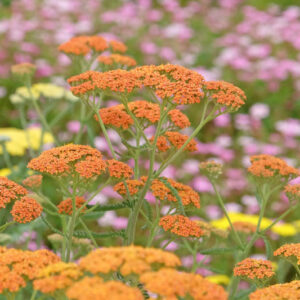
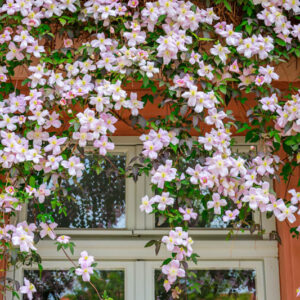
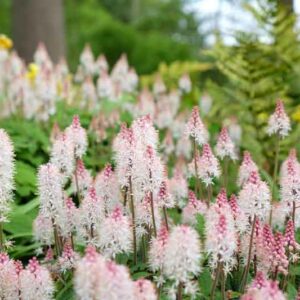
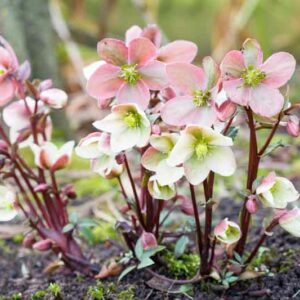
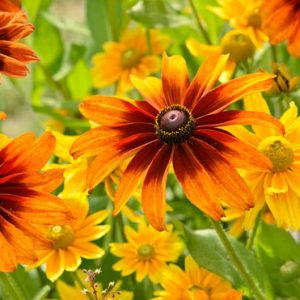
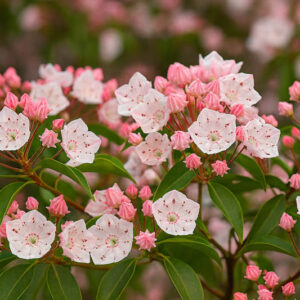
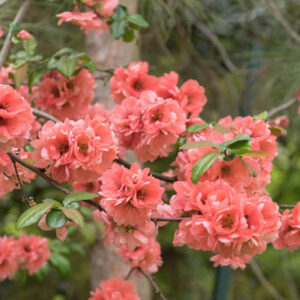
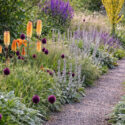
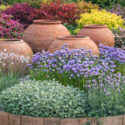
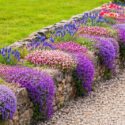
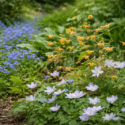
Discover the 30 best pollinator plants for USDA Zone 7 and create a garden bursting with bees, butterflies, and hummingbirds. From nectar-rich natives to long-blooming perennials, these plants deliver nonstop color and wildlife value. Build a thriving, ecologically powerful landscape that supports pollinators all season long.
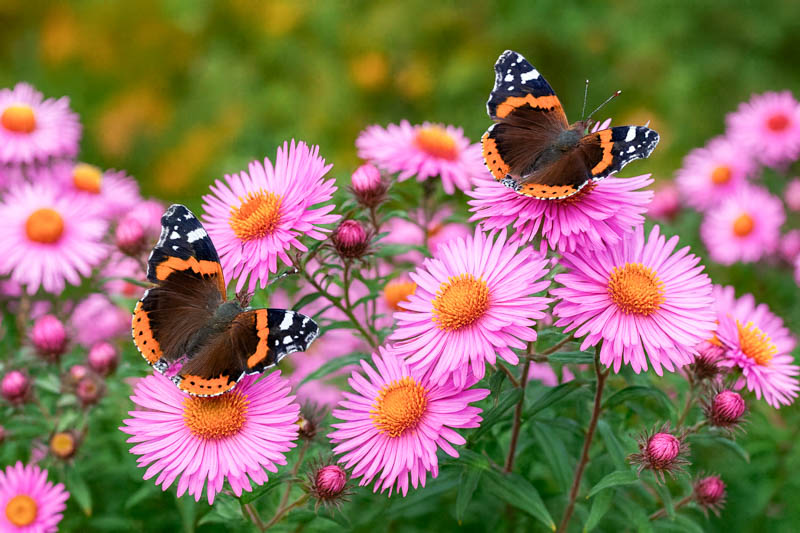


If you garden anywhere in USDA Hardiness Zone 7 – stretching across the Carolinas, Virginia, Tennessee, northern Georgia, northern Arkansas, Oklahoma, and parts of the Mid-Atlantic – you are gardening in one of the most pollinator-friendly regions in the country. With long warm seasons, mild winters, and reliable rainfall, Zone 7 is primed for biodiverse, nectar-rich gardens that support bees, butterflies, hummingbirds, moths, beetles, and beneficial insects all year long.
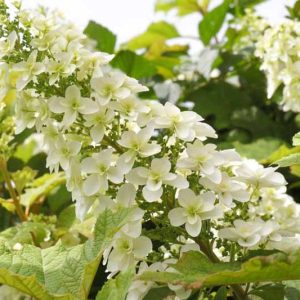
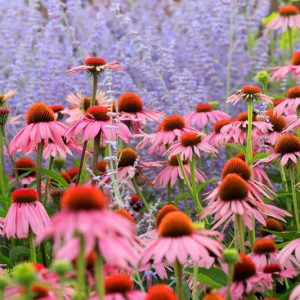
The secret to a thriving pollinator haven? Choose native and pollinator-adapted perennials, shrubs, and annuals such as purple coneflower, bee balm, butterfly milkweed, blazing star, mountain mint, buttonbush, summersweet, and oakleaf hydrangea. Together they offer continuous bloom, structural habitat, and season-long resources.
In Zone 7, your goal is to provide a steady buffet of nectar, pollen, foliage food for caterpillars, and seedheads from early spring through late fall. Whether you are trying to attract monarch butterflies, host native bees, feed hummingbirds, or build a climate-resilient food web, Zone 7 gives you the perfect palette of plants to do it beautifully.
Zone 7 is not uniform. Understanding your microclimate helps you pick plants that thrive while feeding the most pollinators.
Use the Quick Comparison Table below to match the best pollinator plants to your garden’s growing conditions.
| Hardiness |
7 |
|---|---|
| Plant Type | Annuals, Perennials, Shrubs |
| Attracts | Bees, Butterflies, Hummingbirds |
| Toxic to Humans | No known toxicity |
| Toxic to Cats | No known toxicity |
| Toxic to Dogs | No known toxicity |
| Toxic to Horses | No known toxicity |
| Growing Condition | Top Pollinator Plants | Pollinators Attracted | Notes |
|---|---|---|---|
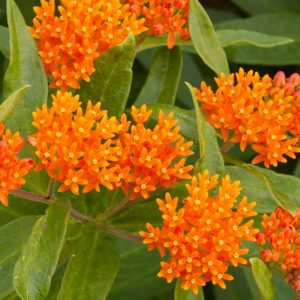
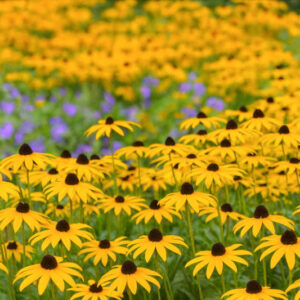
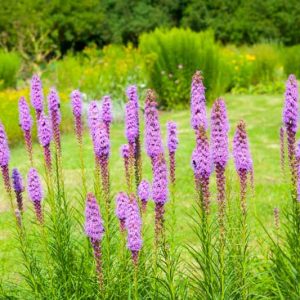
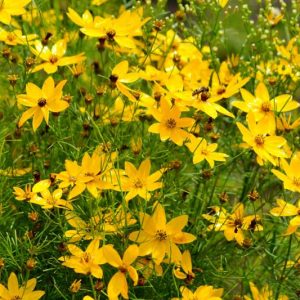
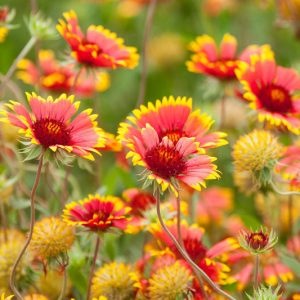
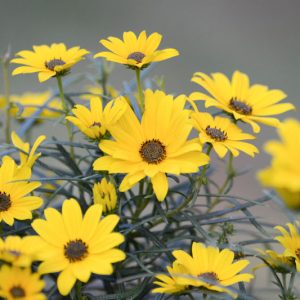
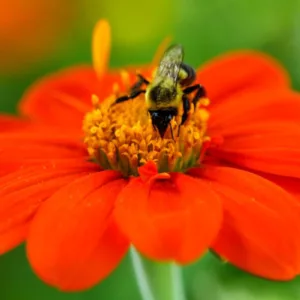
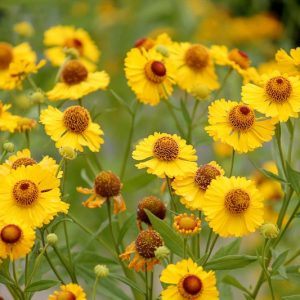
| Full Sun | Purple Coneflower, Black-Eyed Susan, Blazing Star, Butterfly Milkweed, Firewheel, Mexican Sunflower | Bees, butterflies, hummingbirds | High nectar output and color; excellent for borders and meadows. |
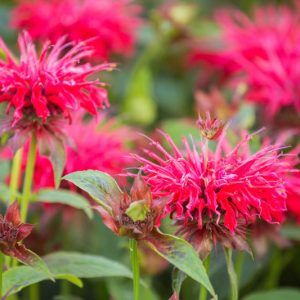
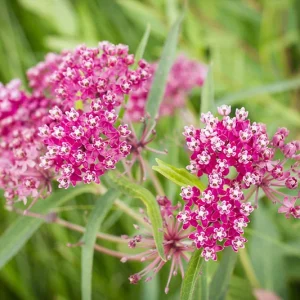
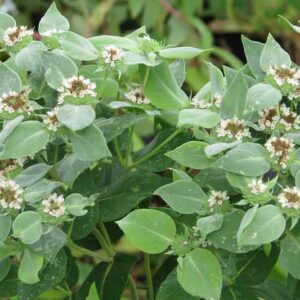
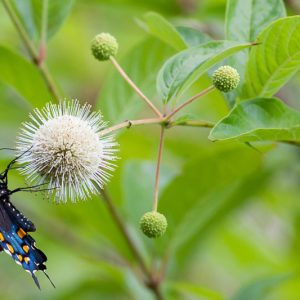
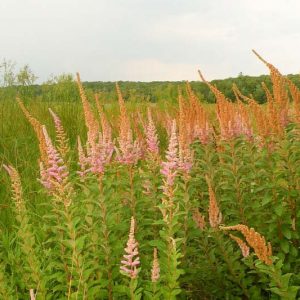
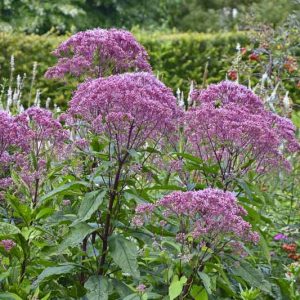
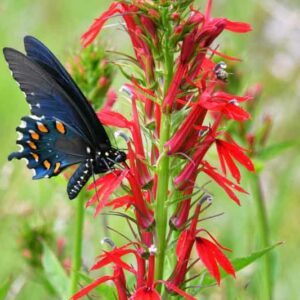
| Moist Soil | Swamp Milkweed, Bee Balm, Coastal Plain Joe Pye Weed, Mountain Mint, Steeplebush, Buttonbush, Cardinal Flower | Bees, monarchs, swallowtails, hummingbirds | Thrives near rain gardens, streams, and low-lying areas. |
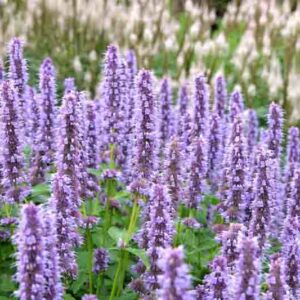
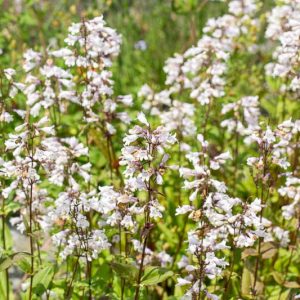
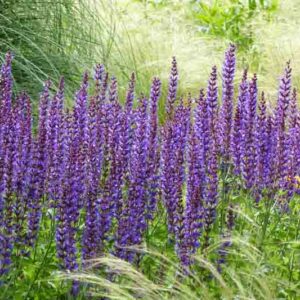
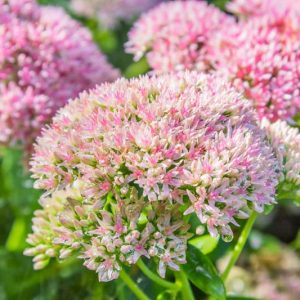
| Dry Soil | Anise Hyssop, English Lavender, Stonecrop, Salvias, New England Aster, Zinnias | Bees, late-season butterflies | Perfect for low-maintenance and water-wise gardens. |
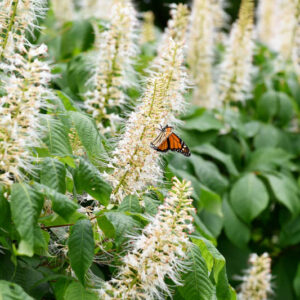
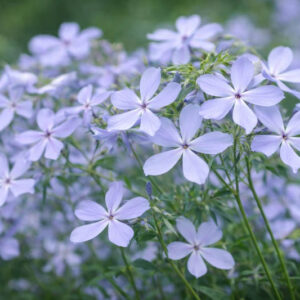
| Part Shade | Woodland Phlox, Garden Phlox, Oakleaf Hydrangea, Summersweet | Bumblebees, moths, early butterflies | Important for spring and woodland-edge pollinators. |
Bottom line: With the right plants and a gentle gardening approach, your Zone 7 landscape becomes a thriving pollinator ecosystem.
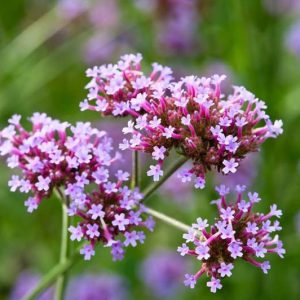
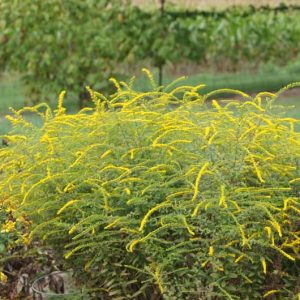
Pair Asclepias tuberosa and Asclepias incarnata with Liatris spicata, Solidago rugosa ‘Fireworks’, and Verbena bonariensis for a migration-supporting nectar corridor.
Combine Echinacea purpurea, Agastache foeniculum, Coreopsis verticillata, Gaillardia pulchella, and Pycnanthemum muticum for nonstop buzzing all summer long.
Use Monarda didyma, Salvia nemorosa, Lobelia cardinalis, Penstemon digitalis, and Tithonia rotundifolia for continuous tubular blooms hummingbirds cannot resist.
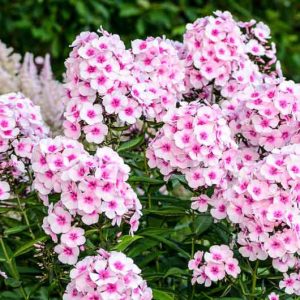
Blend Phlox divaricata, Phlox paniculata, Clethra alnifolia, and Hydrangea quercifolia for a cool, biodiverse understory garden that still feeds pollinators.
Beginner gardeners in Zone 7 succeed most easily with long-blooming, low-maintenance perennials such as purple coneflower, bee balm, black-eyed Susan, blazing star, threadleaf coreopsis, anise hyssop, and salvias. These plants reliably attract bees, butterflies, and hummingbirds from summer through fall.
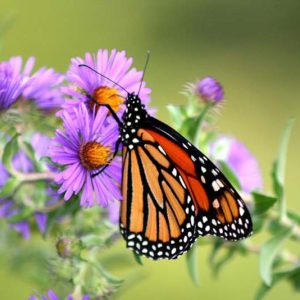
Butterflies flock to nectar-rich flowers like blazing star, butterfly weed, swamp milkweed, Mexican sunflower, verbena bonariensis, and black-eyed Susan. Milkweeds are especially important because they also serve as essential host plants for monarch caterpillars.
Hummingbirds prefer tubular, nectar-loaded blooms such as bee balm, cardinal flower, Mexican sunflower, salvias, and penstemon. These flowers supply continuous fuel during migration and nesting seasons and thrive in full sun to light shade.
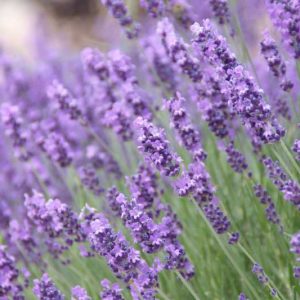
Bees are most attracted to high-nectar producers including anise hyssop, mountain mint, purple coneflower, zinnias, blazing star, lavender, and threadleaf coreopsis. These plants offer abundant pollen and nectar throughout the growing season.
For monarchs, milkweeds are essential. Butterfly weed thrives in dry soils, while swamp milkweed grows best in moist areas. Both provide nectar for adult butterflies and serve as exclusive host plants where monarch caterpillars feed and develop.
Choose a mix of early-, mid-, and late-season bloomers, plant in generous drifts, include both annuals and perennials, and add shrubs like summersweet and buttonbush for extended nectar support. This layered approach ensures pollinators always find food from spring through fall.
Many top pollinator flowers prefer full sun, but Zone 7 also supports shade-friendly options such as woodland phlox, oakleaf hydrangea, and steeplebush. Including plants for multiple light conditions creates a more diverse and resilient pollinator habitat.
Yes. Shrubs like buttonbush, summersweet, oakleaf hydrangea, and spirea produce large quantities of nectar-rich blooms and provide habitat, nesting structure, and shelter for bees, butterflies, and beneficial insects.
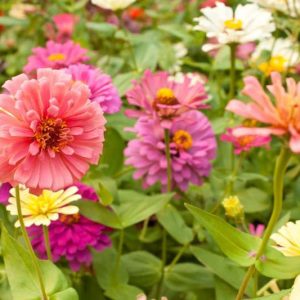
Absolutely. Zinnias and Mexican sunflowers are two of the best annuals for attracting butterflies and bees. They bloom nonstop, thrive in heat, and provide easy-to-access nectar, making them ideal for filling gaps between perennial bloom cycles.
Avoid pesticides, leave some leaf litter and hollow stems for overwintering insects, provide shallow water sources, and plant diverse native species. Even small changes dramatically increase pollinator survival and biodiversity.
Updated: December 2025 • Reviewed by Gardenia Editors
| Hardiness |
7 |
|---|---|
| Plant Type | Annuals, Perennials, Shrubs |
| Attracts | Bees, Butterflies, Hummingbirds |
| Toxic to Humans | No known toxicity |
| Toxic to Cats | No known toxicity |
| Toxic to Dogs | No known toxicity |
| Toxic to Horses | No known toxicity |
Create a membership account to save your garden designs and to view them on any device.
Becoming a contributing member of Gardenia is easy and can be done in just a few minutes. If you provide us with your name, email address and the payment of a modest $25 annual membership fee, you will become a full member, enabling you to design and save up to 25 of your garden design ideas.
Join now and start creating your dream garden!
Create a membership account to save your garden designs and to view them on any device.
Becoming a contributing member of Gardenia is easy and can be done in just a few minutes. If you provide us with your name, email address and the payment of a modest $25 annual membership fee, you will become a full member, enabling you to design and save up to 25 of your garden design ideas.
Join now and start creating your dream garden!