Canada Wild Ginger, Snake Root, Black Snakeweed, Canadian Snakeroot, Colic Root, False Crowfoot, Ginger Root, Heart-Leaf, Pigs, Southern Snakeroot, Southern Wild Ginger, Vermont Snakeroot
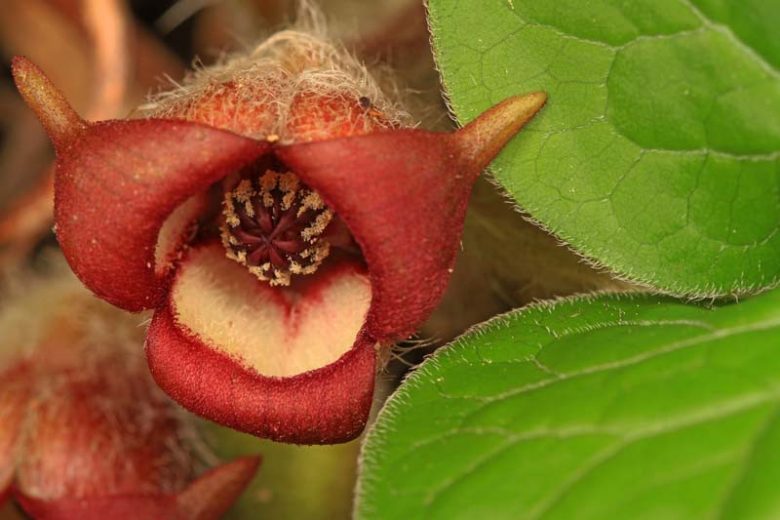
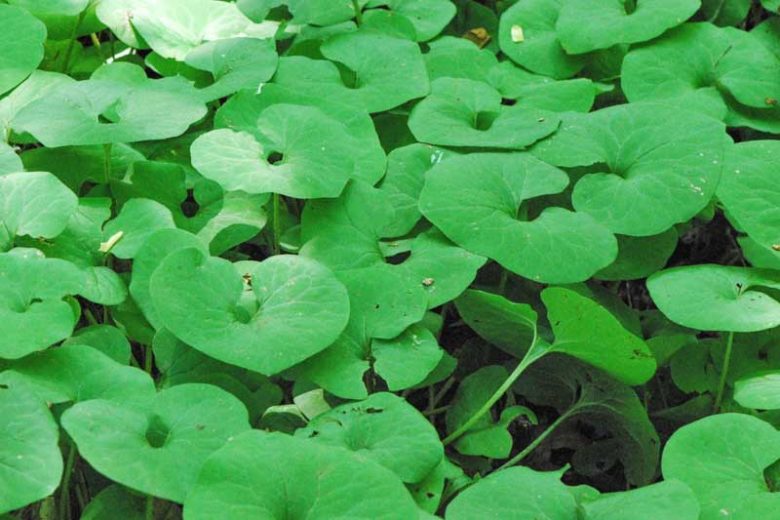


Asarum canadense, commonly known as the wild ginger plant, is a native woodland groundcover known for its velvety leaves and earthy-scented rhizomes. While it’s not a true ginger, its roots have a spicy fragrance that once made it a folk substitute for culinary ginger.
Wild ginger belongs to the Aristolochiaceae family, which includes notable species such as Dutchman’s Pipe (Aristolochia macrophylla), Western wild ginger (Asarum caudatum), Sierra wild ginger (Asarum hartwegii), Chinese wild ginger (Asarum splendens), and European wild ginger (Asarum europaeum).
Wild ginger is native to the shaded woodlands of eastern North America, stretching from Canada down through the central and eastern United States. Native Plants, Gorgeous Gardens: Start Here
This herbaceous perennial forms low, dense mats via underground rhizomes. It hugs the ground with its wide, heart-shaped leaves and is ideal for shady spaces.
Typically growing 6–12 inches (15–30 cm) tall, wild ginger spreads several feet wide over time, forming a lush, weed-suppressing groundcover.
Long-lived and slow-spreading, it can persist for decades in the right conditions, gradually expanding into a natural carpet of green.
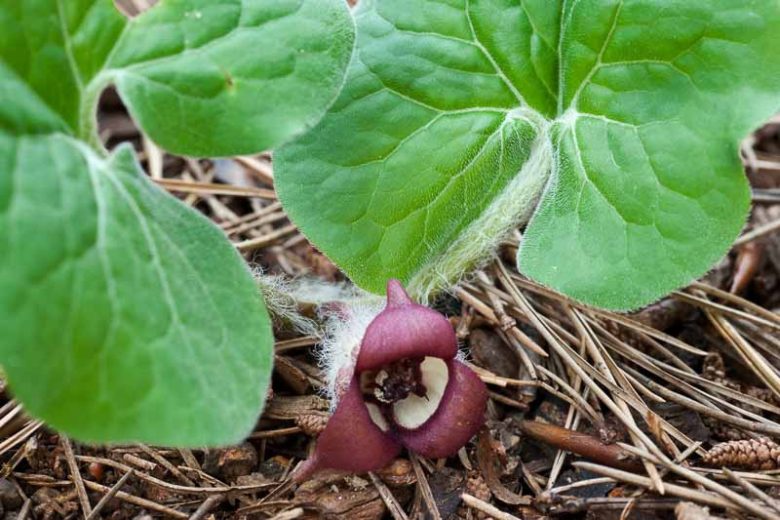
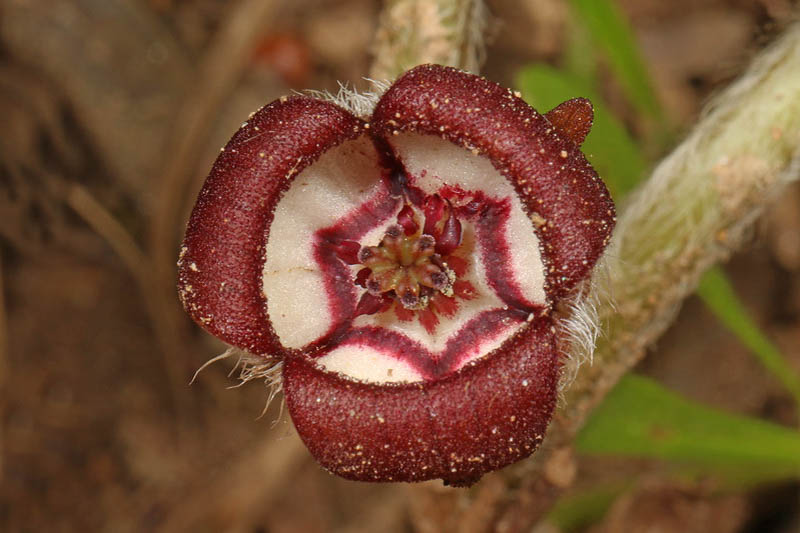
Flowers: Small, reddish-brown to maroon flowers bloom near the soil surface in spring, often hidden beneath the foliage. These unique blooms attract beetles as pollinators.
Fruits: Seed capsules follow the flowers, sometimes dispersed by ants (a process called myrmecochory).
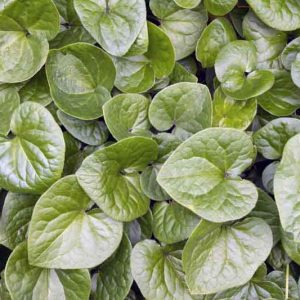
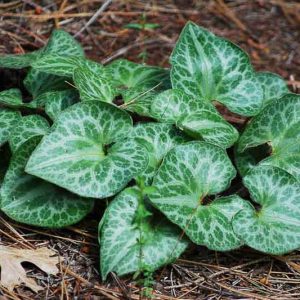
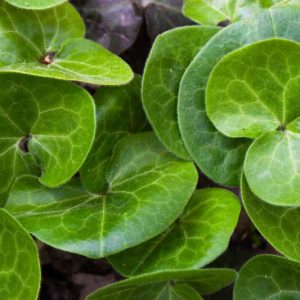
Its kidney- to heart-shaped dark green leaves, 6 inches (15 cm) wide, are soft to the touch and form a dense, low canopy of green. In some climates, they remain evergreen; in colder areas, they die back in winter.
Wild ginger thrives in USDA zones 3–7 and favors cool, moist, shady woodland conditions.
Its foliage offers cover for insects and amphibians, while its low flowers attract beetles. Ants are known to help disperse its seeds. Wild ginger is a larval host for the pipevine swallowtail butterfly (Battus philenor).
Generally deer and rabbit-resistant due to its strong root scent and fuzzy leaves.
Although wild ginger has a long history of medicinal and culinary use by Indigenous peoples, caution is advised. The plant contains aristolochic acids, compounds known to be nephrotoxic (toxic to kidneys) and potentially carcinogenic. Due to these risks:
The FDA has banned aristolochic acid-containing products from dietary supplements. If you’re growing wild ginger, it’s best enjoyed as a shade-loving groundcover rather than a functional herb.
Asarum canadense is not considered invasive in most of its native range across eastern North America. However:
It’s valued for erosion control and biodiversity in woodland gardens and does not appear on invasive species watch lists in the U.S. or Canada.
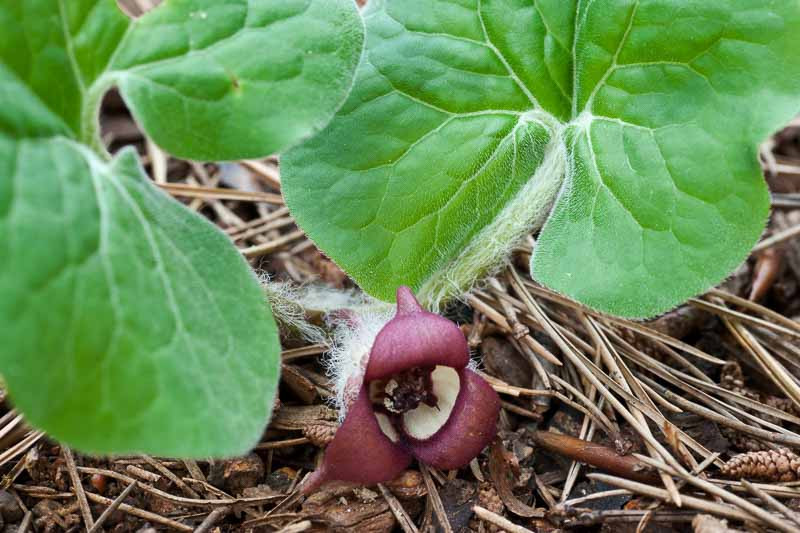
Wild ginger thrives in partial to full shade, making it an excellent choice for woodland gardens or shaded borders. Too much sun may scorch its leaves.
It prefers moist, rich, well-draining soil with high organic matter. Slightly acidic to neutral pH (around 6.0–7.0) is ideal. Adding organic matter such as compost or leaf mold to the soil at planting time can improve moisture retention and fertility.
Keep the soil evenly moist, especially during the first growing season. Once established, it can tolerate short dry spells but prefers consistent moisture.
Apply a layer of leaf mold or shredded bark to retain moisture, suppress weeds, and mimic its natural forest-floor habitat.
Wild ginger typically doesn’t need much fertilization. In early spring, you can top-dress with compost or a balanced organic fertilizer if growth seems sluggish.
Space plants about 12–18 inches (30–45 cm) apart to allow for spreading and dense coverage over time.
Wild ginger is low-maintenance. Remove old or damaged leaves in early spring, and divide every few years if the clumps become too dense.
Hardy in USDA zones 3–8, wild ginger dies back in winter and reemerges in spring. No special winter protection is needed in most regions within its hardiness range.
While the wild ginger plant is relatively low-maintenance, it can occasionally face a few garden troubles—mostly when conditions are too damp or overcrowded. Here’s what to watch for:
With the right conditions, your wild ginger plant will stay healthy and lush—ready to carpet your shade garden with charm!
| Hardiness |
3 - 7 |
|---|---|
| Plant Type | Perennials |
| Plant Family | Aristolochiaceae |
| Genus | Asarum |
| Common names | Wild Ginger |
| Exposure | Partial Sun, Shade |
| Season of Interest | Spring (Early, Mid, Late), Summer (Early, Mid, Late), Fall |
| Height | 6" - 1' (15cm - 30cm) |
| Spread | 1' - 2' (30cm - 60cm) |
| Spacing | 12" - 18" (30cm - 50cm) |
| Maintenance | Low |
| Water Needs | Average |
| Soil Type | Loam, Sand |
| Soil pH | Acid, Neutral |
| Soil Drainage | Moist but Well-Drained |
| Native Plants | United States, Northeast, Pennsylvania, Rhode Island, Vermont, Connecticut, Delaware, Maine, Massachusetts, Maryland, New Hampshire, New Jersey, New York, Illinois, Indiana, Iowa, Kansas, Michigan, Midwest, Minnesota, Missouri, North Dakota, South Dakota, Wisconsin, Southeast, Louisiana, Mississippi, North Carolina, South Carolina, Tennessee, Virginia, West Virginia, Alabama, Arkansas, Georgia, Kentucky |
| Tolerances | Full Shade, Deer, Wet Soil, Erosion |
| Garden Uses | Edging, Ground Covers, Rain Gardens, Underplanting Roses And Shrubs, Wall-Side Borders |
| Garden Styles | Prairie and Meadow |
| Toxic to Humans | No known toxicity |
| Toxic to Cats | No known toxicity |
| Toxic to Dogs | No known toxicity |
| Toxic to Horses | No known toxicity |


| Hardiness |
3 - 7 |
|---|---|
| Plant Type | Perennials |
| Plant Family | Aristolochiaceae |
| Genus | Asarum |
| Common names | Wild Ginger |
| Exposure | Partial Sun, Shade |
| Season of Interest | Spring (Early, Mid, Late), Summer (Early, Mid, Late), Fall |
| Height | 6" - 1' (15cm - 30cm) |
| Spread | 1' - 2' (30cm - 60cm) |
| Spacing | 12" - 18" (30cm - 50cm) |
| Maintenance | Low |
| Water Needs | Average |
| Soil Type | Loam, Sand |
| Soil pH | Acid, Neutral |
| Soil Drainage | Moist but Well-Drained |
| Native Plants | United States, Northeast, Pennsylvania, Rhode Island, Vermont, Connecticut, Delaware, Maine, Massachusetts, Maryland, New Hampshire, New Jersey, New York, Illinois, Indiana, Iowa, Kansas, Michigan, Midwest, Minnesota, Missouri, North Dakota, South Dakota, Wisconsin, Southeast, Louisiana, Mississippi, North Carolina, South Carolina, Tennessee, Virginia, West Virginia, Alabama, Arkansas, Georgia, Kentucky |
| Tolerances | Full Shade, Deer, Wet Soil, Erosion |
| Garden Uses | Edging, Ground Covers, Rain Gardens, Underplanting Roses And Shrubs, Wall-Side Borders |
| Garden Styles | Prairie and Meadow |
| Toxic to Humans | No known toxicity |
| Toxic to Cats | No known toxicity |
| Toxic to Dogs | No known toxicity |
| Toxic to Horses | No known toxicity |
How many Asarum canadense (Wild Ginger) do I need for my garden?
| Plant | Quantity | |
|---|---|---|
| Asarum canadense (Wild Ginger) | N/A | Buy Plants |
Create a membership account to save your garden designs and to view them on any device.
Becoming a contributing member of Gardenia is easy and can be done in just a few minutes. If you provide us with your name, email address and the payment of a modest $25 annual membership fee, you will become a full member, enabling you to design and save up to 25 of your garden design ideas.
Join now and start creating your dream garden!
Create a membership account to save your garden designs and to view them on any device.
Becoming a contributing member of Gardenia is easy and can be done in just a few minutes. If you provide us with your name, email address and the payment of a modest $25 annual membership fee, you will become a full member, enabling you to design and save up to 25 of your garden design ideas.
Join now and start creating your dream garden!