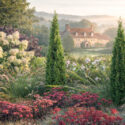
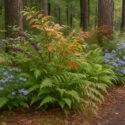
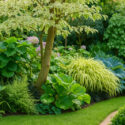
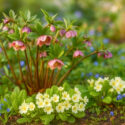
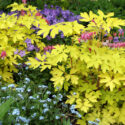
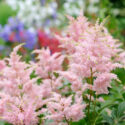
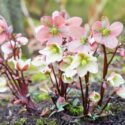
Shade gardening in USDA Zone 8 is easier than most gardeners think. With warm winters, long growing seasons, and diverse microclimates, Zone 8 supports an incredible range of shade-loving perennials. Discover the top performers that bring foliage, texture, blooms, and year-round beauty to even the darkest garden corners.


Gardening in USDA Hardiness Zone 8 – a region stretching across the Pacific Northwest, Northern California, large portions of the South, Texas, and parts of the Southeast – means you’re working with a wonderfully mild climate, generous rainfall in many areas, and long, warm growing seasons. But even in this friendly climate, shade is not one-size-fits-all.
Zone 8 shade might mean dense evergreen canopies, tree-root dryness, humid coastal understories, patches of dappled woodland light, or the cool north side of a structure. The key to thriving designs is choosing perennials that evolved for filtered light, understory competition, or soft morning sun with afternoon shade.
Luckily, Zone 8 is a paradise for shade gardeners. With mild winters and long warm seasons, shade-loving perennials settle in quickly, push strong foliage, and fill out beds with textures that sun perennials simply can’t match. Once established, most of these plants take care of themselves, weaving together the lush tapestry that makes shade gardens irresistible.
Quick tip: Shade perennials rely heavily on foliage contrast. In Zone 8, where leaves stay present for longer portions of the year, take advantage of variegation, bold textures, and evergreen structure.
| Hardiness |
8 |
|---|---|
| Plant Type | Perennials |
| Genus | Actaea, Ajuga, Astilbe, Athyrium, Bergenia, Brunnera, Dicentra, Dryopteris, Epimedium, Geranium, Hakonechloa, Helleborus, Heuchera, Hosta, Lamium, Ligularia, Liriope, Maianthemum, Polemonium, Polygonatum, Polystichum, Tiarella, Tricyrtis |
| Exposure | Partial Sun, Shade |
| Toxic to Humans | No known toxicity |
| Toxic to Cats | No known toxicity |
| Toxic to Dogs | No known toxicity |
| Toxic to Horses | No known toxicity |

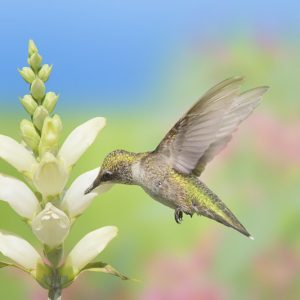
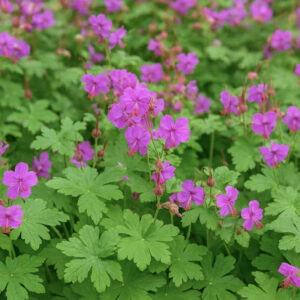
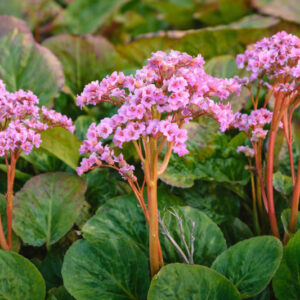
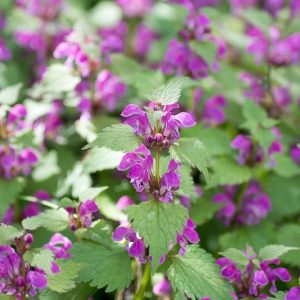
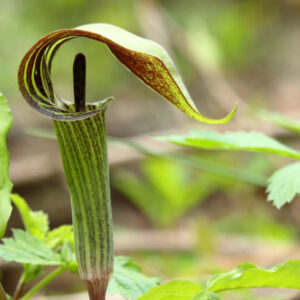
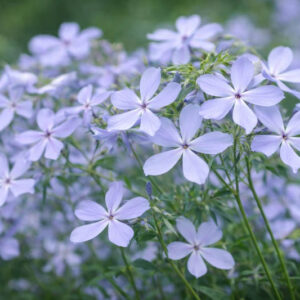
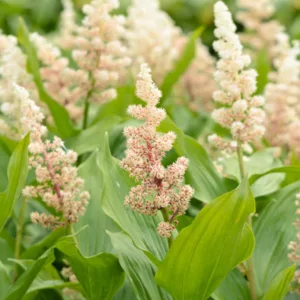
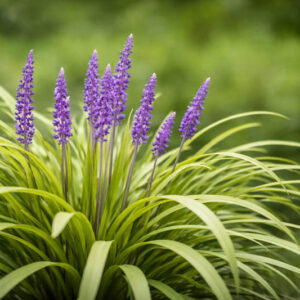
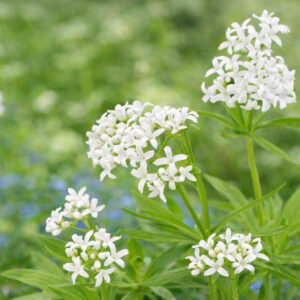
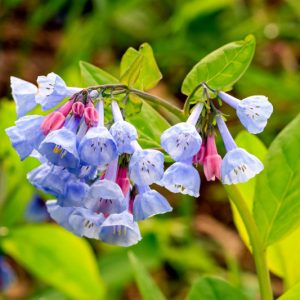
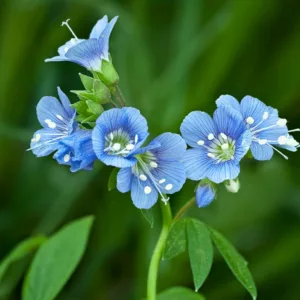
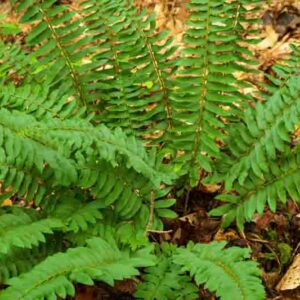
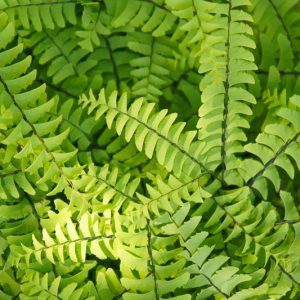
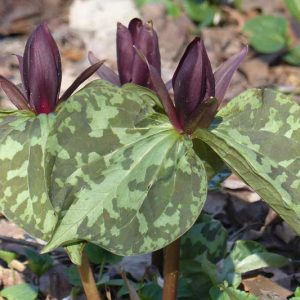
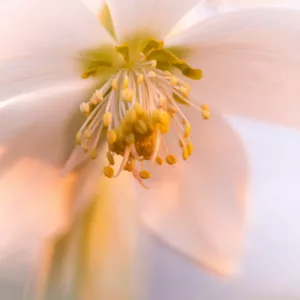
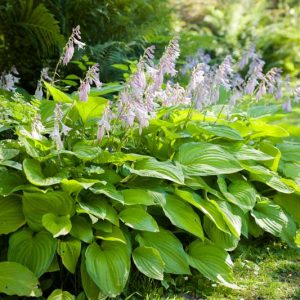
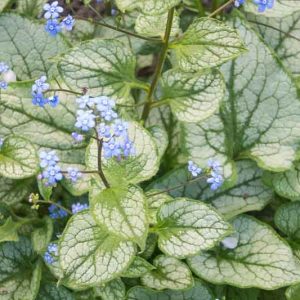
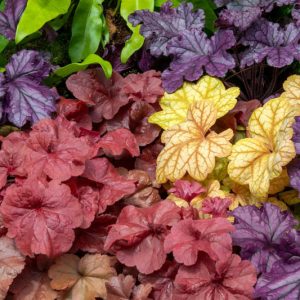
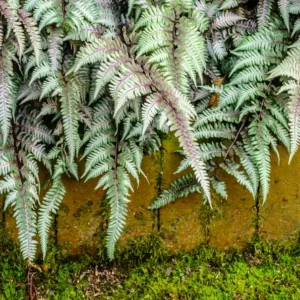
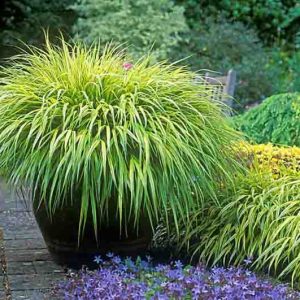
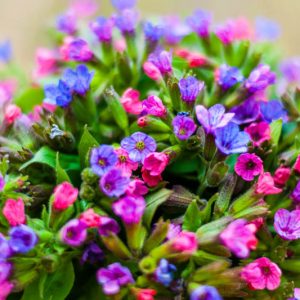
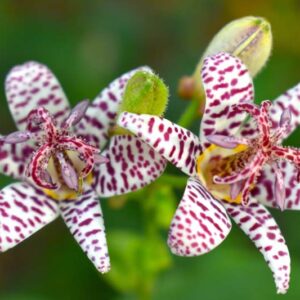
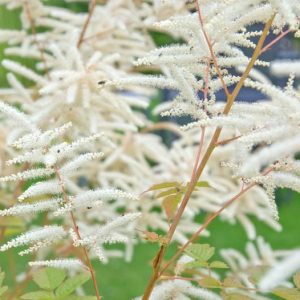
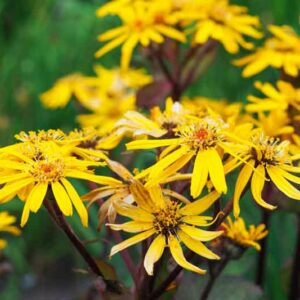
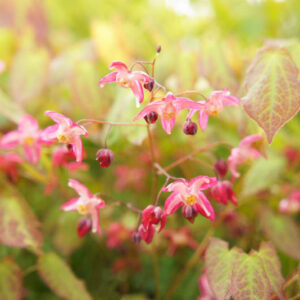
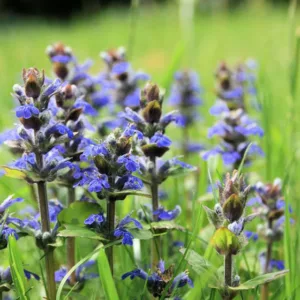
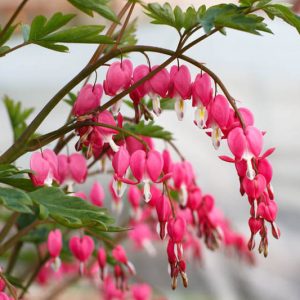
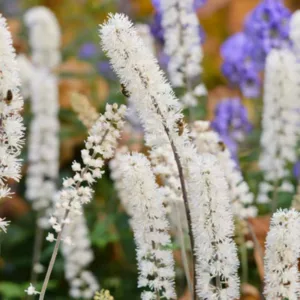
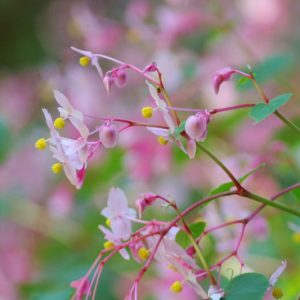
Zone 8’s climate gives shade gardeners a unique edge. These perennials excel in tree-root competition, warm winters, humid summers, and shifting light patterns. They reward you with:
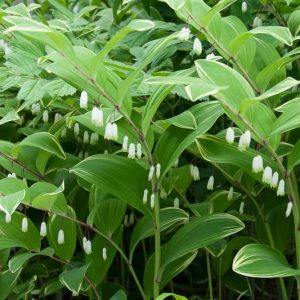
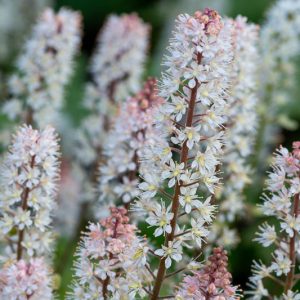
Blend Solomon’s seal, Tiarella, Woodland phlox, Japanese forest grass, and Little Sweet Betsy (Trillium cuneatum) for a soft, naturalistic woodland look.
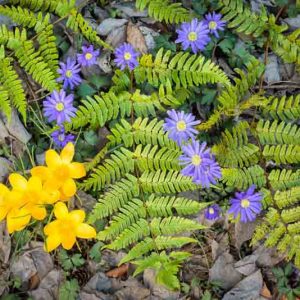
Combine Hostas, Bergenia, Brunnera, and architectural ferns like autumn or maidenhair for layered sculpture-like contrast.
Use Astilbe, Turtlehead, Ligularia, Heuchera, Virginia bluebells, and False spikenard to support bees and butterflies even in cool shade.
Try Sweet woodruff, Hellebores, Toad lilies, and Lamium near paths where fragrance and close-up texture shine.
Success in Zone 8 shade gardening comes down to soil improvement, moisture management, and mimicking the natural forest floor.
Some of the best woodland-adapted perennials for Zone 8 include Solomon’s seal, tiarella, woodland phlox, Jack in the Pulpit, trillium, maidenhair fern, Virginia bluebells, and false spikenard. These species naturally thrive in dappled light, humus-rich soil, and mild moisture.
Epimedium, hellebore, hardy geranium, Christmas fern, lamium, and bergenia perform well in dry shade. Their roots tolerate tree-root competition, and their foliage remains attractive even in reduced soil moisture.
Moist-shade specialists include astilbe, ligularia, turtlehead, ostrich fern, Virginia bluebells, and false spikenard. These plants prefer consistently damp soil and reward gardeners with lush foliage and strong seasonal blooms.
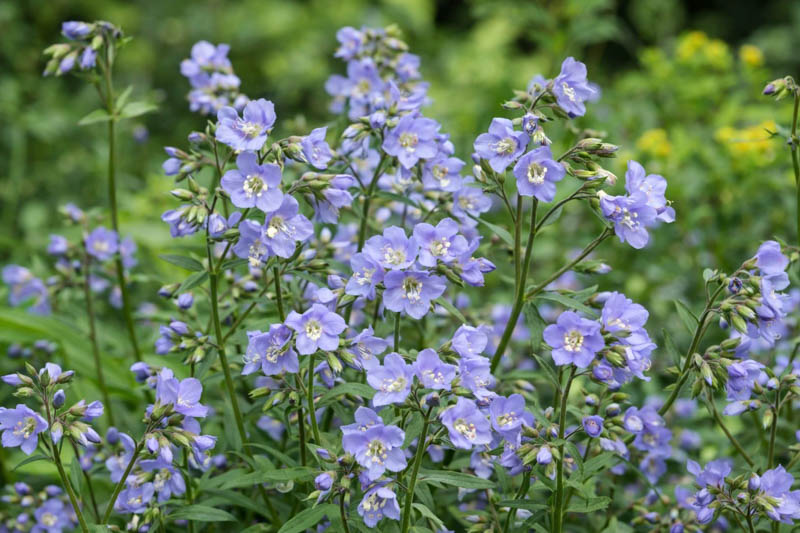
Virginia bluebells, woodland phlox, trillium, tiarella, and creeping Jacob’s ladder provide brilliant spring displays. They emerge early, bloom strongly, and help transition the garden from winter dormancy to summer growth.
Hosta, bergenia, Japanese forest grass, brunnera, and ostrich fern are top choices for high-impact texture. Their large or dramatically shaped leaves make them anchor plants in any shade design.
Hellebores, epimedium, lamium, sweet woodruff, liriope, autumn fern, and hardy geranium are exceptionally low maintenance. They require minimal watering once established, resist pests, and spread slowly without becoming invasive.
Excellent bloomers include toad lily, turtlehead, Virginia bluebells, woodland phlox, hellebore, tiarella, and trillium. These plants reliably flower in partial to deep shade and enhance seasonal diversity.
Astilbe, turtlehead, tiarella, Virginia bluebells, and woodland phlox are outstanding pollinator favorites. They offer nectar and pollen during spring and early summer when few other shade plants bloom.
Sweet woodruff, lamium, liriope, bergenia, autumn fern, and maidenhair fern are excellent for dense shade near homes or walls. They tolerate limited sun and provide dependable ground coverage.
Use drought-tolerant plants like epimedium, hellebore, and lamium for tree-root zones, and reserve moisture lovers like astilbe, Virginia bluebells, ostrich fern, and false spikenard for wetter areas. Matching plants to moisture is the key to long-term success.
Updated: December 2025 • Reviewed by Gardenia Editors
| Hardiness |
8 |
|---|---|
| Plant Type | Perennials |
| Genus | Actaea, Ajuga, Astilbe, Athyrium, Bergenia, Brunnera, Dicentra, Dryopteris, Epimedium, Geranium, Hakonechloa, Helleborus, Heuchera, Hosta, Lamium, Ligularia, Liriope, Maianthemum, Polemonium, Polygonatum, Polystichum, Tiarella, Tricyrtis |
| Exposure | Partial Sun, Shade |
| Toxic to Humans | No known toxicity |
| Toxic to Cats | No known toxicity |
| Toxic to Dogs | No known toxicity |
| Toxic to Horses | No known toxicity |
Create a membership account to save your garden designs and to view them on any device.
Becoming a contributing member of Gardenia is easy and can be done in just a few minutes. If you provide us with your name, email address and the payment of a modest $25 annual membership fee, you will become a full member, enabling you to design and save up to 25 of your garden design ideas.
Join now and start creating your dream garden!
Create a membership account to save your garden designs and to view them on any device.
Becoming a contributing member of Gardenia is easy and can be done in just a few minutes. If you provide us with your name, email address and the payment of a modest $25 annual membership fee, you will become a full member, enabling you to design and save up to 25 of your garden design ideas.
Join now and start creating your dream garden!