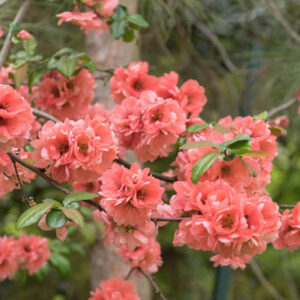
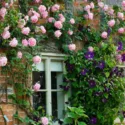
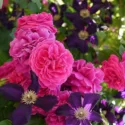
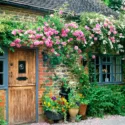
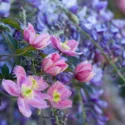
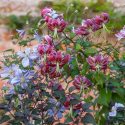
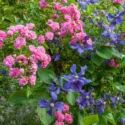
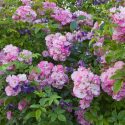
Vines are the vertical powerhouses of a Zone 7 garden. With long bloom seasons, fast growth, and unmatched visual drama, these climbers transform fences, arbors, porches, and pergolas into lush, living architecture. Explore the easiest, showiest, and most reliable perennial vines for long-term beauty and low-maintenance performance.
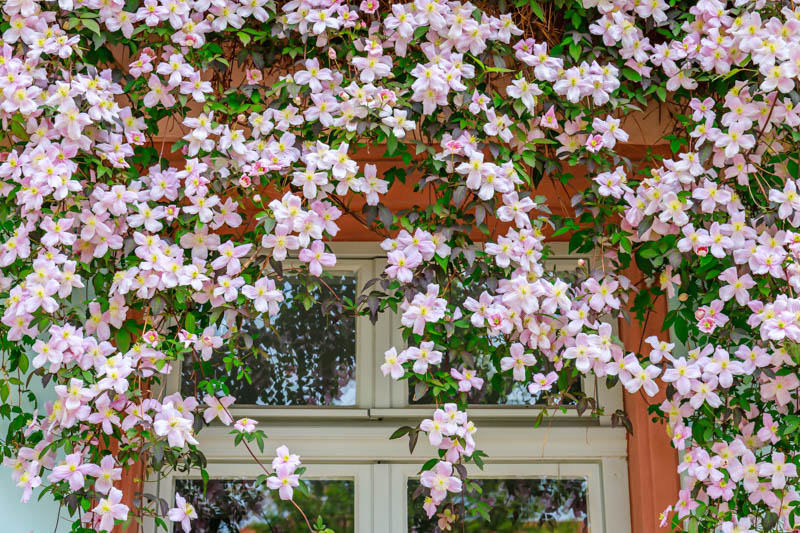


If you garden anywhere in USDA Zone 7 — stretching through the Carolinas, Virginia, Tennessee, northern Georgia, northern Arkansas, Oklahoma, and parts of the Mid-Atlantic — you already know this: vines are the secret weapon of a truly dynamic landscape. Zone 7’s long growing season, warm summers, and mild-to-cold winters give gardeners a perfect climate for flowering vines, evergreen climbers, and fast-growing vertical accents that transform blank walls, fences, pergolas, porches, and mailboxes into living architecture.
The key? Choose vines adapted to your light, support structure, and maintenance style. Zone 7 is diverse, and success depends on understanding whether your vine will face baking afternoon sun, morning shade, moist soil, wind corridors, or heavy clay.
Whether you’re looking for fragrant bloomers, wildlife-friendly natives, drought-tolerant climbers, or year-round evergreen coverage, Zone 7 offers an incredible palette. These vines deliver vertical color, privacy screening, pollinator value, and architectural structure with minimal effort.
Quick reminder: Avoid planting known invasive vines such as English ivy (Hedera helix) and Japanese honeysuckle (Lonicera japonica) in naturalized areas. Choose Zone-7-friendly vines that enhance ecology rather than overwhelm it.
| Hardiness |
7 |
|---|---|
| Plant Type | Climbers |
| Toxic to Humans | No known toxicity |
| Toxic to Cats | No known toxicity |
| Toxic to Dogs | No known toxicity |
| Toxic to Horses | No known toxicity |
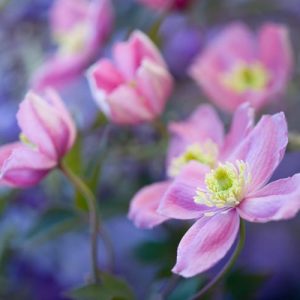
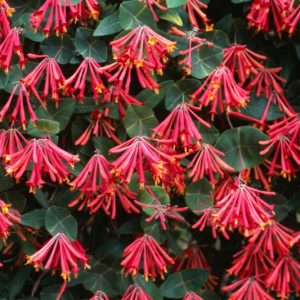
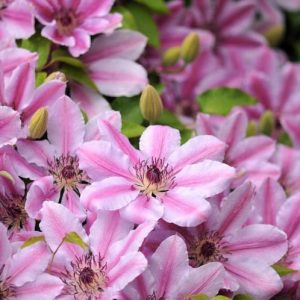
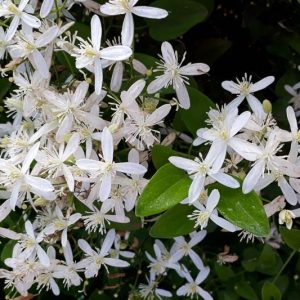
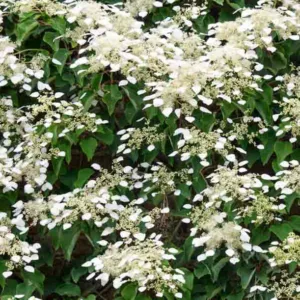
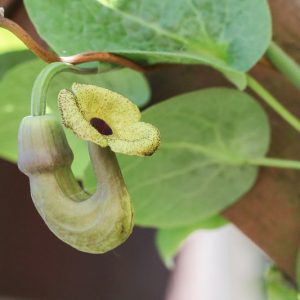
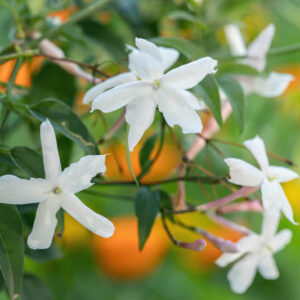
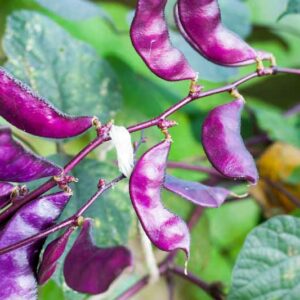
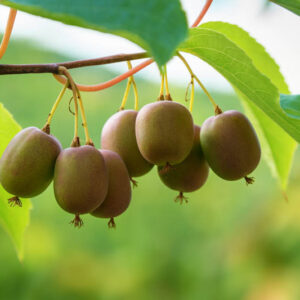
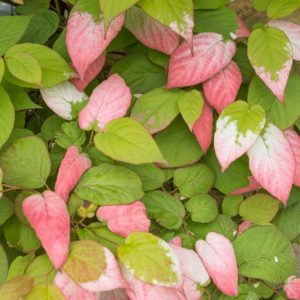
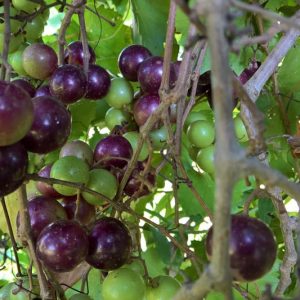
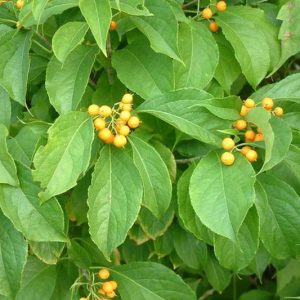
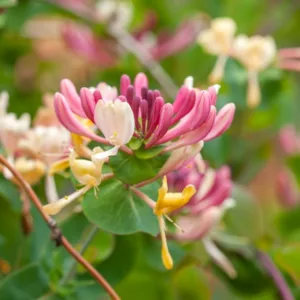
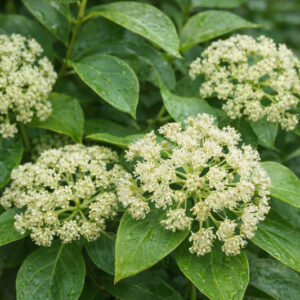
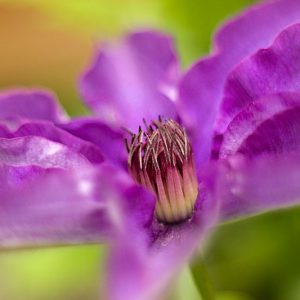
Use the Zone 7 Vine Quick Comparison Table below to match your site with the easiest, most rewarding climbers.
| Growing Condition | Best Zone 7 Vines | Growth Rate | Notes |
|---|---|---|---|
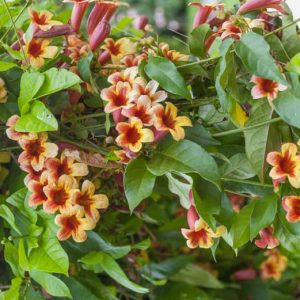
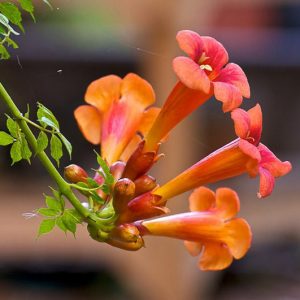
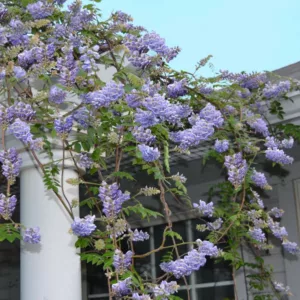
| Full Sun | Campsis radicans, Bignonia capreolata, Wisteria frutescens, Lonicera sempervirens, Rosa ‘New Dawn’ |
Fast–Very Fast | Best for arbors, fences, and hummingbird gardens. |
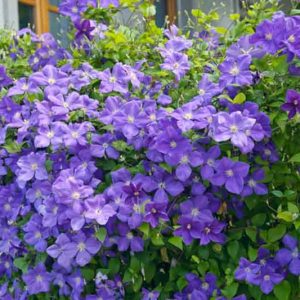
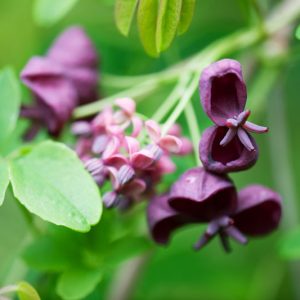
| Part Shade / Morning Sun | Clematis hybrids, Hydrangea anomala subsp. petiolaris, Akebia quinata, Rosa (climbing cultivars), Trachelospermum jasminoides |
Moderate | Long bloom windows; prefers cool roots and warm tops. |
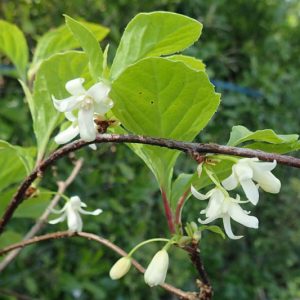
| Shade / Woodland Edges | Hydrangea anomala subsp. petiolaris, Decumaria barbara, Schisandra chinensis, |
Slow–Moderate | Elegant foliage vines for courtyards and low-light walls. |
| Dry or Thin Soil | Trachelospermum jasminoides, Gelsemium sempervirens, Bignonia capreolata, Lonicera sempervirens |
Moderate–Fast | Excellent for privacy screens and evergreen structure. |
Zone 7’s long growing season means vigorous vines grow even faster here. Great for coverage — not so great if you pick the wrong plant for the wrong support.
Bottom line: Match vigor, sunlight, and support type to get vines that climb beautifully without becoming unruly.
Combine Lonicera sempervirens, Bignonia capreolata, and Passiflora incarnata for a nonstop nectar corridor from April to frost.
Use climbing hydrangea layered with Decumaria barbara for a textured, sophisticated wall that stays interesting from spring to winter.
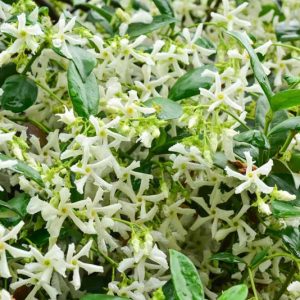
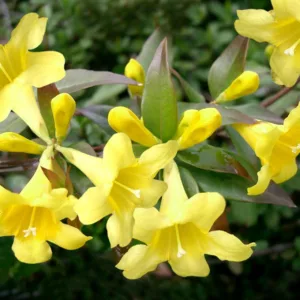
Plant alternating Carolina jessamine and star jasmine on a trellis fence for scented, year-round cover.
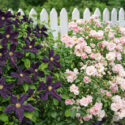
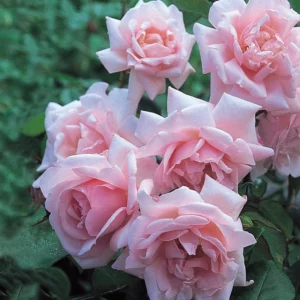
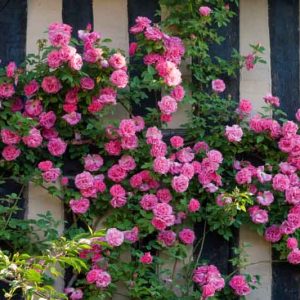
Pair Rosa ‘New Dawn’ with Clematis ‘Jackmanii’ for classic romance and complementary bloom timing.
The easiest Zone 7 vines are trumpet honeysuckle, crossvine, Carolina jessamine, star jasmine, clematis viticella types, and American wisteria. They establish quickly, tolerate heat, and bloom reliably with minimal care.
Crossvine, trumpet vine, American wisteria, and silver lace vine are exceptionally fast growers. They can cover a fence or arbor in one to two seasons, making them ideal for quick privacy or shade.
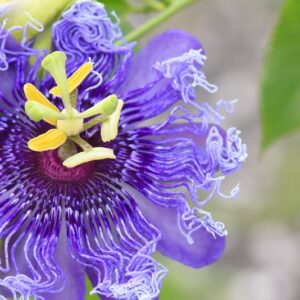
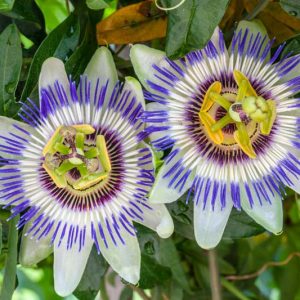
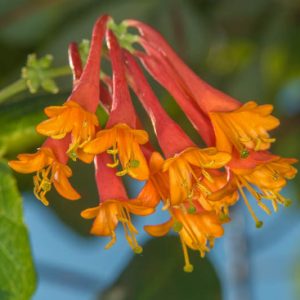
Trumpet honeysuckle, crossvine, trumpet creeper, and passionflower are four of the best hummingbird vines. Their tubular flowers provide nectar from spring through fall.
Climbing hydrangea, native swamp jasmine (Decumaria), Schisandra, and Kadsura all thrive in part to full shade. They offer elegant foliage and subtle blooms where sun-loving vines struggle.
Asian wisteria (Wisteria sinensis and W. floribunda) can be invasive. Choose American wisteria (Wisteria frutescens) or Kentucky wisteria (Wisteria macrostachya) for a safer, better-behaved alternative.
Star jasmine, Carolina jessamine, and some crossvine selections remain evergreen or semi-evergreen in Zone 7, providing year-round structure and color.
Most vines need pruning once a year to maintain shape and encourage new growth. Prune spring bloomers right after flowering, and prune summer bloomers in late winter before growth begins.
Updated: December 2025 • Reviewed by Gardenia Editors
| Hardiness |
7 |
|---|---|
| Plant Type | Climbers |
| Toxic to Humans | No known toxicity |
| Toxic to Cats | No known toxicity |
| Toxic to Dogs | No known toxicity |
| Toxic to Horses | No known toxicity |
Create a membership account to save your garden designs and to view them on any device.
Becoming a contributing member of Gardenia is easy and can be done in just a few minutes. If you provide us with your name, email address and the payment of a modest $25 annual membership fee, you will become a full member, enabling you to design and save up to 25 of your garden design ideas.
Join now and start creating your dream garden!
Create a membership account to save your garden designs and to view them on any device.
Becoming a contributing member of Gardenia is easy and can be done in just a few minutes. If you provide us with your name, email address and the payment of a modest $25 annual membership fee, you will become a full member, enabling you to design and save up to 25 of your garden design ideas.
Join now and start creating your dream garden!