Create Your Garden

Sedum (Stonecrop)

Stonecrop, Ice Plant, Orpine
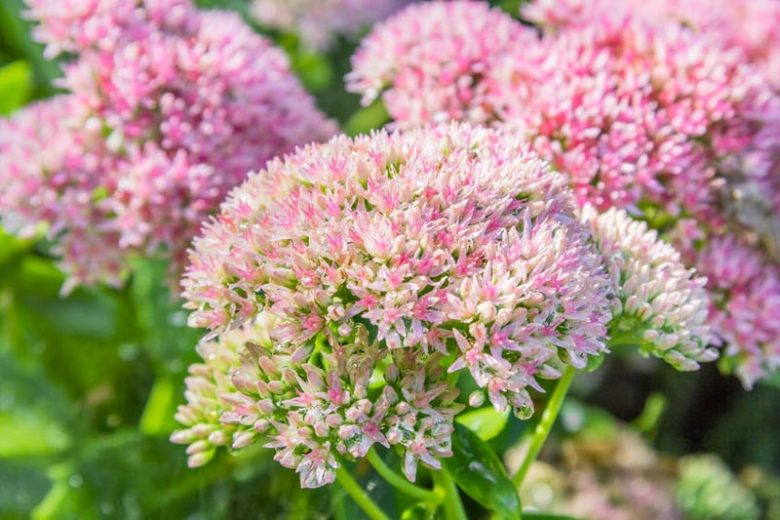
Stonecrop 'Herbstfreude', Sedum 'Autumn Joy', Hylotelephium Spectabile, Sedum Spectabile, Sedum Matrona, Sedumpurple Emperor, Border Sedums, fall flowers, Fall perennials

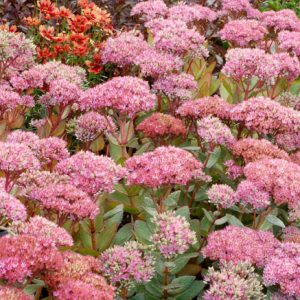
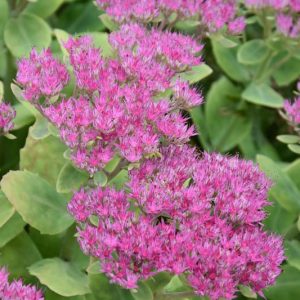
Sedums are almost perfect plants. Vigorous, carefree, good-looking, with a season of interest lasting more than six months, who could resist? Even the bees and butterflies can’t!

What is Sedum?

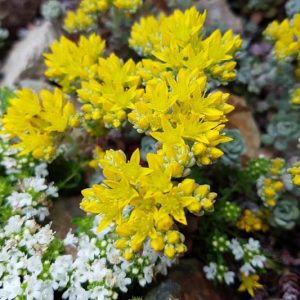
Sedum, commonly known as Stonecrop, is a large genus of flowering plants from the Crassulaceae family, native to the Northern Hemisphere but extending into the southern hemisphere in Africa and South America.

Guide Information

Hardiness 3 - 9
Heat Zones 1 - 9
Climate Zones 1, 2, 3, 4, 5, 6, 7, 8, 9, 10, 14, 15, 16, 17, 18, 19, 20, 21, 22, 23, 24
Plant Type Perennials
Genus Sedum
Exposure Full Sun
Season of Interest Summer (Mid, Late), Fall, Winter
Height 3" - 2' (8cm - 60cm)
Spread 6" - 2' (15cm - 60cm)
Maintenance Low
Water Needs Low, Average
Soil Type Chalk, Loam, Sand
Soil pH Alkaline, Neutral
Soil Drainage Well-Drained
Characteristics Showy
Tolerance Drought, Deer, Rabbit, Dry Soil, Rocky Soil, Clay Soil
Attracts Bees, Butterflies, Hummingbirds
Landscaping Ideas Beds And Borders, Patio And Containers
Garden Styles Gravel and Rock Garden, Informal and Cottage, Prairie and Meadow
Sedum ‘Autumn Charm’ (Stonecrop)
Sedum ‘Beach Party’ (Stonecrop)
Sedum ‘Brilliant’ (Stonecrop)

Why Should I Grow Sedum?

There are several reasons why you might consider growing sedum in your garden:

  • Drought Tolerance: They are succulent plants that store water in their leaves and stems, making them incredibly drought-tolerant. This makes them a great choice for dry, hot areas and rock gardens where other plants may struggle.
  • Easy Care: They require minimal care once established, making them ideal for both beginner gardeners and those looking for low-maintenance plants. They are generally not fussy about soil type, provided it has good drainage.
  • Seasonal Interest: Sedums provide year-round interest. In addition to their striking, sometimes brightly-colored leaves, many varieties produce clusters of star-shaped flowers that bloom from summer through fall, when many other plants have finished flowering.
  • Attract Pollinators: The nectar-rich flowers are a magnet for pollinators, such as bees and butterflies, enhancing biodiversity in your garden.
  • Versatility: There is a vast array of varieties available, offering diverse sizes, leaf colors, and flower colors. This diversity makes sedum suitable for various garden uses, including ground covers, borders, and container gardening.
  • Deer and Rabbit Resistant: Thanks to their thick, succulent leaves, they are generally resistant to browsing by deer and rabbits.
  • Hardiness: Sedums are remarkably hardy and can survive in a range of climates, depending on the variety, with some being hardy down to USDA zone 3.
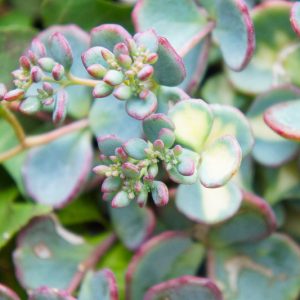
Sedum populifolium (Showy Stonecrop)
Sedum pulchellum (Sea Star)
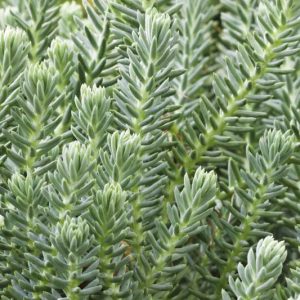
Sedum reflexum (Blue Spruce Stonecrop)

Main Sedum Species

Sedums come in a range of shapes and sizes. Here are some of the main species:

Each of these species has its own varieties and cultivars, offering a range of colors, shapes, and sizes.

Sedum makinoi ‘Ogon’ (Golden Japanese Stonecrop)
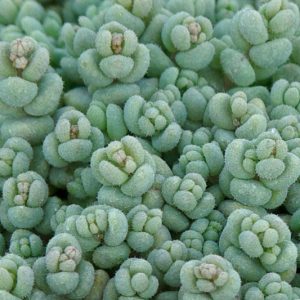
Sedum dasyphyllum (Corsican Stonecrop)
Sedum sieboldii (October Daphne Stonecrop)

Garden Design with Sedum

Designing a garden with Sedum allows you to create a stunning, low-maintenance landscape that offers year-round interest. Here’s how you can incorporate this plant into your garden design:

  • Rock Gardens: Their drought tolerance and ability to thrive in poor soil make it a perfect choice for rock gardens. Mix different varieties to create a tapestry of colors and textures.
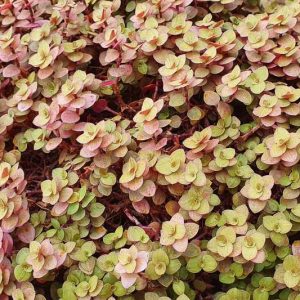
  • Borders: Low-growing Sedums like Sedum ‘Dragon’s Blood’ or ‘Coral Carpet’ are excellent for edging paths or borders, where their vibrant foliage and flowers can truly shine.
  • Groundcover: Some varieties spread easily, making them an ideal groundcover for sunny, dry areas where other plants might struggle. They can fill gaps between stepping stones or cover slopes to control erosion.
  • Containers: Many do well in pots. Combine them with other succulents or drought-tolerant plants for a low-care container garden.
  • Green Roofs or Living Walls: Sedums are commonly used in green roofs due to their low growing habit, resistance to pests and diseases, and ability to withstand harsh conditions.
  • Pollinator Gardens: They bloom from late summer to fall, providing a crucial nectar source for bees, butterflies, and other pollinators when many other flowers have finished blooming.
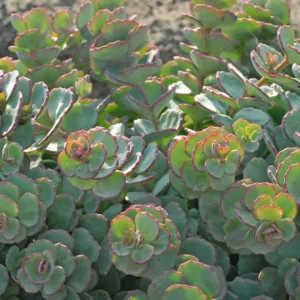
Sedum spurium ‘John Creech’ (Caucasian Stonecrop)
Sedum acre (Gold Moss)
Sedum rupestre ‘Angelina’ (Stonecrop)

Companion Plants

Sedums are easy-to-grow succulent perennials that pair beautifully with a wide range of plants, enhancing garden design and adding visual interest throughout the seasons. Here are 12 companion plants that are particularly well-suited to grow alongside:

  • Ornamental Grasses: Grasses like Blue Fescue or Panicum add texture and movement to the garden and contrast well with sedums’ succulent leaves.
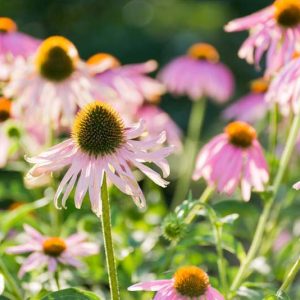
  • Coneflowers (Echinacea): Their vibrant, daisy-like flowers and similar drought tolerance make coneflowers a good choice.
  • Black-Eyed Susans (Rudbeckia): These plants offer a cheerful contrast with their bright yellow flowers.
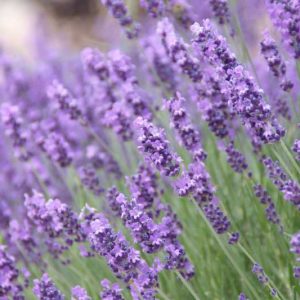
  • Lavender (Lavandula): The soft, silvery foliage and aromatic flowers complement the texture and color of sedums.
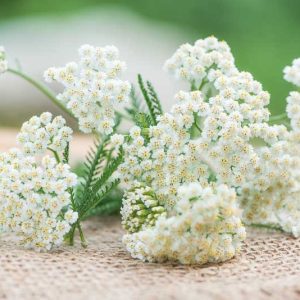
  • Yarrow (Achillea): Its fern-like foliage and large, flat flower clusters provide contrast and combine well with sedums.
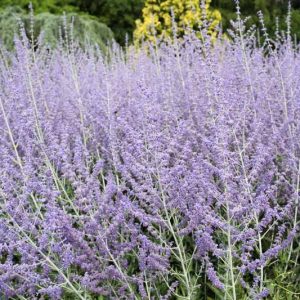
  • Russian Sage (Perovskia atriplicifolia): The tall spires of blue-purple flowers pair well with the low-growing sedums.
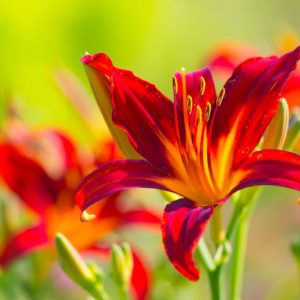
  • Daylilies (Hemerocallis): With their strappy leaves and colorful flowers, they add great contrast to sedums’ fleshy leaves.
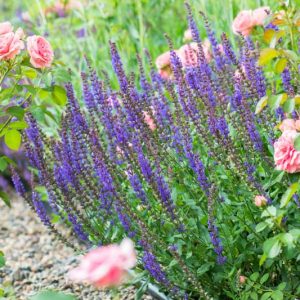
  • Salvia: Both the foliage and the flower spikes of salvia plants contrast nicely with the rounder forms of sedum.
  • Coral Bells (Heuchera): They bring colorful foliage and delicate flowers into the mix, providing contrast and interest.
  • Phlox: The vibrant colors of phlox flowers contrast well with the more muted tones of sedums.
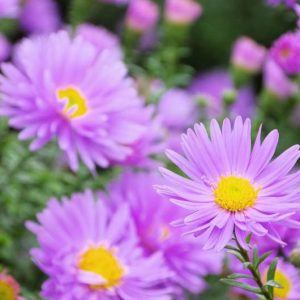
  • Asters: Their abundant fall blooms coincide with the flower show of many sedums.
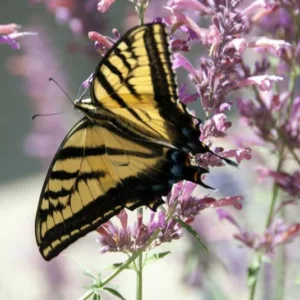
  • Agastache (Hyssop): The tall, spiky blooms of Agastache provide a nice contrast to the low-growing sedum. Both plants are drought-tolerant and love full sun.
Sedum album (White Stonecrop)
Sedum sieboldii ‘Mediovariegatum’ (October Daphne Stonecrop)
Sedum oreganum (Oregon Stonecrop)

Growing Tips

Growing Sedum, often known as Stonecrop, is a relatively straightforward task, given their easy-care nature. Here are some tips to help you cultivate these hardy perennials:

  • Light: They prefer full sun but can tolerate partial shade. However, in too much shade, they may become leggy and not bloom as prolifically.
  • Soil: These plants prefer well-draining soil. They can tolerate poor soil conditions, even sandy or rocky soils. Overly rich or water-retentive soils can lead to root rot or make plants leggy.
  • Water: As succulents, they are drought-tolerant once established. Water regularly after planting, but once matured, they can handle periods without rain. Avoid overwatering, as this can cause the roots to rot.
  • Fertilizing: Generally, they do not need a lot of extra nutrition. If desired, a light application of balanced, slow-release fertilizer in the spring can be beneficial.
  • Pruning: To encourage a dense growth habit, pinch back upright varieties in spring. After the first frost, either cut back the stems to the ground or leave them for winter interest. The faded flower heads offer color and food for birds. Trim groundcover sedums as needed to control their growth.
  • Propagation: They can be easily propagated. Division in spring or stem cuttings in summer are the most common methods.
  • Pests and Diseases: Sedums are relatively pest-resistant. However, in wet, poorly drained soils, they can suffer from root rot. Good air circulation helps prevent any fungal diseases.
  • Winter Care: In colder regions, the tops of the plants die back in winter, but return in spring. They typically do not need special winter protection.

With these tips in mind, Sedums can be a low-maintenance and striking addition to any garden, with their diverse foliage colors and shapes, and vibrant blooms.

Recommended Companion Plants

Echinacea (Coneflower)
Agastache (Hyssop)
Achillea (Yarrow)
Lavandula angustifolia (English Lavender)
Hemerocallis (Daylilies)
Salvia yangii (Russian Sage)
Salvia (Sage)
Aster novi-belgii (New York Aster)
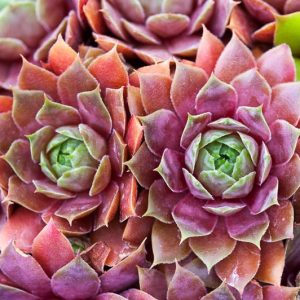
Sempervivum (Hens and Chicks)

Garden Examples

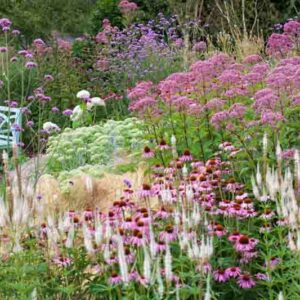
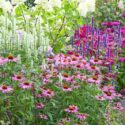
A Prairie Style Garden Idea with Echinacea, Veronicastrum and Sedum
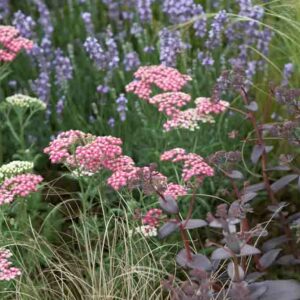
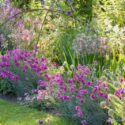
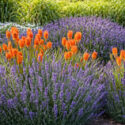
A Long-Lasting Summer Idea for your Borders with Lavender, Achillea and Sedum
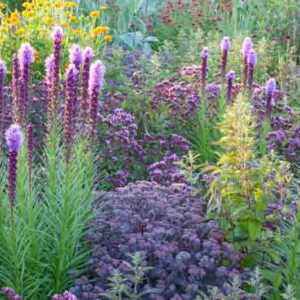
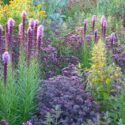
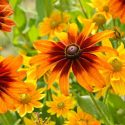
A Cheerful Border Idea with Liatris, Sedum and Heliopsis
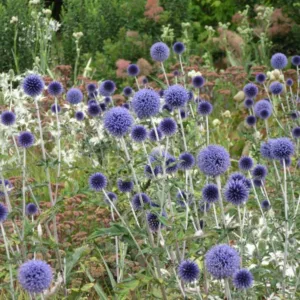
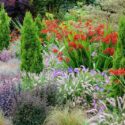
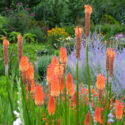
A Pretty Perennial Planting Idea with Echinops, Eryngium and Sedum
Compare All Sedum (Stonecrop)
Compare Now
Explore Great Plant Combination Ideas
Sedum (Stonecrop)
Guides with
Sedum (Stonecrop)
While every effort has been made to describe these plants accurately, please keep in mind that height, bloom time, and color may differ in various climates. The description of these plants has been written based on numerous outside resources.

Guide Information

Hardiness 3 - 9
Heat Zones 1 - 9
Climate Zones 1, 2, 3, 4, 5, 6, 7, 8, 9, 10, 14, 15, 16, 17, 18, 19, 20, 21, 22, 23, 24
Plant Type Perennials
Genus Sedum
Exposure Full Sun
Season of Interest Summer (Mid, Late), Fall, Winter
Height 3" - 2' (8cm - 60cm)
Spread 6" - 2' (15cm - 60cm)
Maintenance Low
Water Needs Low, Average
Soil Type Chalk, Loam, Sand
Soil pH Alkaline, Neutral
Soil Drainage Well-Drained
Characteristics Showy
Tolerance Drought, Deer, Rabbit, Dry Soil, Rocky Soil, Clay Soil
Attracts Bees, Butterflies, Hummingbirds
Landscaping Ideas Beds And Borders, Patio And Containers
Garden Styles Gravel and Rock Garden, Informal and Cottage, Prairie and Meadow
Compare All Sedum (Stonecrop)
Compare Now
Explore Great Plant Combination Ideas
Sedum (Stonecrop)
Guides with
Sedum (Stonecrop)

Related Items

Please Login to Proceed

You Have Reached The Free Limit, Please Subscribe to Proceed

Subscribe to Gardenia

To create additional collections, you must be a paid member of Gardenia
  • Add as many plants as you wish
  • Create and save up to 25 garden collections
Become a Member

Plant Added Successfully

Your garden is taking shape. Unlock full planning.

You’ve reached the free limit. Upgrade for $25/year to add as many plants as you wish and save up to 25 garden collections. Unlock Annual Membership

Update Your Credit
Card Information

Cancel

Create a New Collection

Sign Up to Our Newsletter

    You have been subscribed successfully

    Join Gardenia.net

    Create a membership account to save your garden designs and to view them on any device.

    Becoming a contributing member of Gardenia is easy and can be done in just a few minutes. If you provide us with your name, email address and the payment of a modest $25 annual membership fee, you will become a full member, enabling you to design and save up to 25 of your garden design ideas.

    Join now and start creating your dream garden!

    Join Gardenia.net

    Create a membership account to save your garden designs and to view them on any device.

    Becoming a contributing member of Gardenia is easy and can be done in just a few minutes. If you provide us with your name, email address and the payment of a modest $25 annual membership fee, you will become a full member, enabling you to design and save up to 25 of your garden design ideas.

    Join now and start creating your dream garden!
    Find your Hardiness Zone

    Find your Heat Zone

    Find your Climate Zone