Plan your Delaware garden with confidence. Learn how 2023 USDA zones 7a–8a, updated frost dates, and easy planting tips shape what grows best from Wilmington to the beaches, helping you enjoy longer seasons, healthier plants, abundant harvests, blooms in every backyard, and a colorful, pollinator-friendly First State landscape.
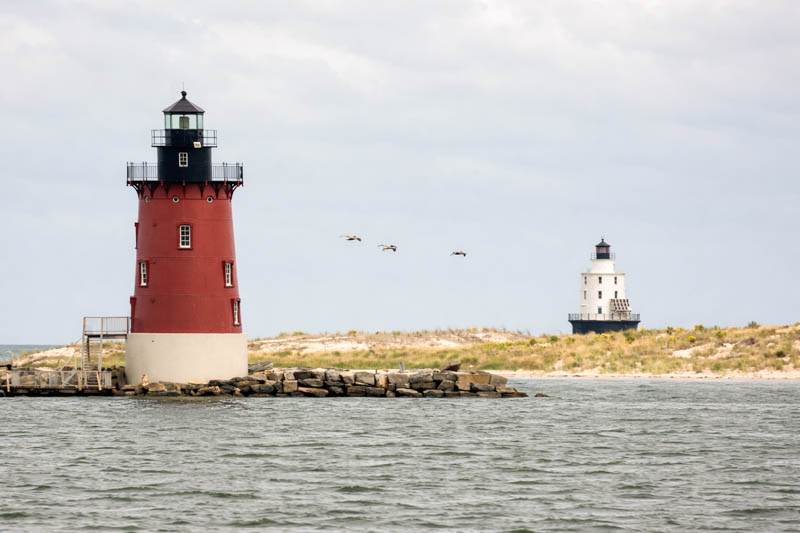


Gardening in Delaware covers a lot of ground for such a small state—from shady, tree-lined yards near Wilmington and Newark to breezy vegetable beds around Dover and sandy, salt-kissed landscapes at the Delaware Beaches. Delaware planting zones span a compact but important range of USDA hardiness zones, running roughly from zone 7a near the cooler northern edges to pockets of 8a along the southern coast, with most of the state in zone 7b.
This guide will help you understand your Delaware growing zone, read the updated 2023 USDA map, plan around frost dates, and choose the best plants for your corner of the First State.
Delaware is narrow and low-lying, but its climate shifts as you move from the northern Piedmont to the central plain and down to the coastal communities. The Delaware River, Delaware Bay, and Atlantic Ocean all help shape winter lows and growing-season length. According to the 2023 USDA Plant Hardiness Zone Map, Delaware hardiness zones now range from 7a to 8a, with many areas warming by about a half-zone compared with the 2012 map.
The USDA Plant Hardiness Zone Map for Delaware shows how minimum winter temperatures gradually warm from the slightly cooler northern hills to the milder central plain and the warmest coastal strip. The updated 2023 map uses 1991–2020 climate data and is the gold standard for choosing long-lived plants—trees, shrubs, and perennials—that can handle your local winter lows.
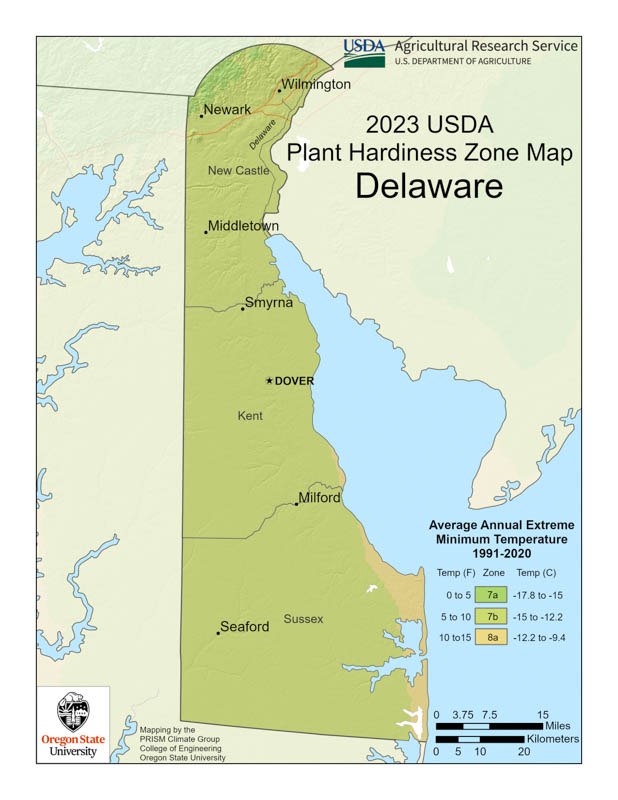
A simplified Delaware planting zone map based on the 2023 USDA Plant Hardiness Zone Map, using 1991–2020 climate data.
Use the map together with your ZIP code to pinpoint your exact Delaware garden zone. Look up your Delaware planting zone by ZIP code using the USDA tool, then come back here or visit our Plant Finder to narrow your choices to plants that thrive in your zone and site conditions.
Delaware’s planting zones may only span 7a–8a, but distance from the bay or ocean, elevation changes of even a few dozen feet, and urban pavement can create noticeably different microclimates. Breaking the state into regions makes it easier to match plants to your climate and gardening style.
This region includes the northern edge of Wilmington, Hockessin, North Star, and neighboring communities near the Pennsylvania border. Slightly higher elevations and cool night air give you reliable winter chill and a growing season that is just a bit shorter than in coastal areas—but ideal for many classic mid-Atlantic trees, shrubs, and food crops.
From downtown Wilmington along the I-95 corridor through Claymont, Newark, Bear, and New Castle, urban heat and nearby waterways nudge winter lows a bit higher. Gardens here are firmly zone 7b, a flexible climate that supports everything from flowering shrubs and small ornamental trees to productive raised-bed vegetable gardens and berry patches.
Dover, Smyrna, and the surrounding townships enjoy four true seasons, warm to hot summers, and winters that are rarely extreme. This zone 7b band is a sweet spot for fruit trees, cut-flower gardens, herb beds, and a full range of cool- and warm-season vegetables with careful timing.
Milford, Georgetown, Seaford, and much of interior Sussex County share sandy, fast-draining soils and relatively mild winters. Summer heat and occasional dry spells are common, but compost, mulch, and drip irrigation turn this region into a powerhouse for warm-season vegetables, ornamental grasses, and sun-loving shrubs.
Lewes, Rehoboth Beach, Bethany Beach, Fenwick Island, and the communities around the Inland Bays benefit from mild, ocean-moderated winters and long frost-free seasons. Salt spray, wind, and sandy soils are real design challenges, but they also create opportunities for coastal grasses, salt-tolerant shrubs, and slightly more tender plants that struggle farther inland.
In long, skinny Delaware, frost dates are your most practical planning tool. From city lots in Wilmington to backyard beds in Dover and beach gardens at Lewes or Rehoboth, your average last and first frosts tell you when it’s safe to plant tender crops and when to be ready with row covers or sheets in fall. In general, Delaware’s last frosts run from mid to late April, and first frosts arrive between late October and early November, depending on location.
| Region / City | Average Last Spring Frost | Average First Fall Frost | Approx. Frost-Free Days |
|---|---|---|---|
| Wilmington (Northern Urban Corridor) | Mid April (around Apr 16–24) | Late October (around Oct 20–26) | ~185-200 days |
| Newark / Northern Suburbs | Mid April (around Apr 16–24) | Late October (around Oct 20–26) | ~185-200 days |
| Dover (Central Delaware) | Mid April (around Apr 16–24) | Late October (around Oct 20–26) | ~185-200 days |
| Georgetown (Lower Coastal Plain) | Late April (around Apr 21–30) | Late October–Early November (Oct 21–Nov 5) | ~190–200 days |
| Seaford (Southwestern Sussex) | Late April (around Apr 21–30) | Late October (around Oct 21–31) | ~180–190 days |
These dates are based on regional climate and frost-date tools; always check a local forecast and ZIP-code–specific lookup for the most precise information for your garden.
Use these frost dates as rough guides. Your yard may be slightly warmer or cooler depending on wind exposure, elevation, proximity to water, surrounding pavement, and building heat. They are long-term averages, not promises, so keep a close eye on the forecast during spring and fall cold snaps.
Once you know your Delaware planting zone, you can play to your region’s strengths—whether that means slightly cooler northern gardens or long, mild seasons in central and southern Delaware or near the beaches. In 7a areas, focus on reliably cold-hardy plants; in 7b–8a microclimates, lean into heat-loving crops and perennials rated for your specific zone.
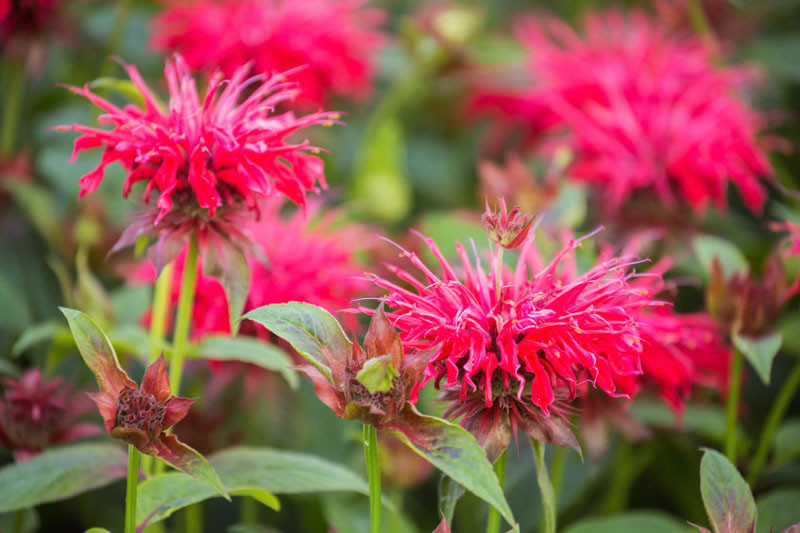
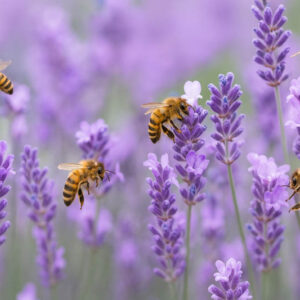
Delaware native plants are naturally adapted to local soils, moisture patterns, and winter lows. Combining native wildflowers, grasses, shrubs, and trees creates a low-maintenance, wildlife-friendly landscape that supports pollinators, songbirds, and beneficial insects.
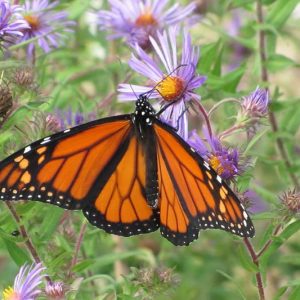
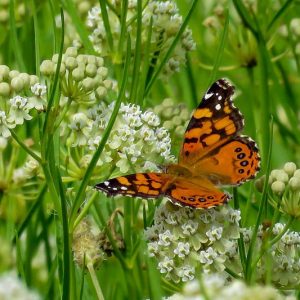
Explore curated collections such as great pollinator plants for Delaware and monarch nectar plants for Delaware to build a garden that buzzes and flutters from spring through frost.
Use this month-by-month guide to see what to plant and when in Delaware’s 7a–8a planting zones. Treat it as a flexible framework—then adjust based on your exact frost dates and whether you garden in a sheltered city courtyard, breezy coastal lot, or open country setting.
Delaware gardeners juggle humid summers, sandy or compacted soils, coastal storms, and plenty of hungry wildlife. These practical tips will help your plants thrive across zones 7a–8a:
Now that you understand Delaware planting zones 7a–8a, typical frost dates, and the state’s key gardening regions, you’re ready to match plants to your climate and design a resilient, productive landscape. Mix edibles, flowering perennials, and native plants to create a yard that feeds your household and local wildlife. Want to see how Delaware compares to other regions? Visit our national USDA planting zone guide to explore growing zones across the United States.
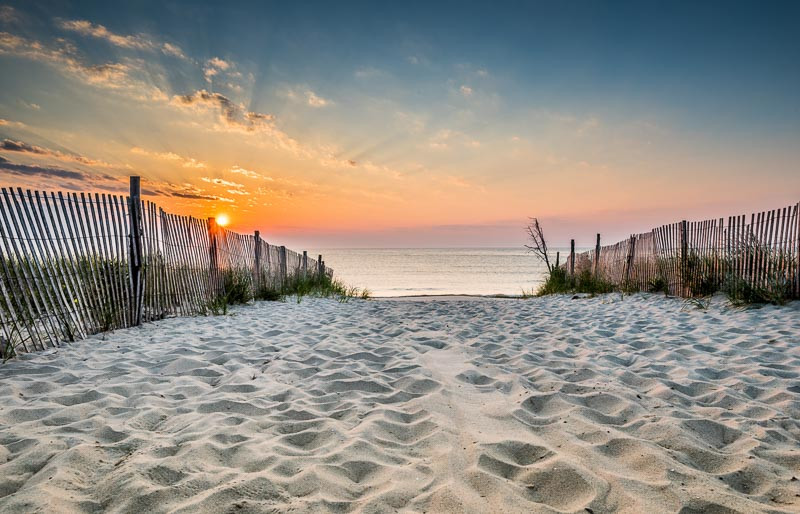
The 2023 USDA Plant Hardiness Zone Map places Delaware primarily in zones 7a–7b, with small pockets of zone 8a along the southern coast and beach communities. Most gardeners fall in zone 7b, meaning average annual minimum winter temperatures of roughly 5–10°F, with slightly cooler 7a and warmer 8a microclimates.
Delaware’s growing season is fairly long, averaging about 180–205 frost-free days. In many areas, the last spring frost occurs around mid April, while the first fall frost typically arrives in late October or early November. Coastal locations often enjoy the longest season; inland northern sites are slightly shorter.
In Delaware, wait until after your local last-frost date and when soils have warmed. For much of the state, that means transplanting tomatoes outdoors from late April through mid May. Gardeners in cooler 7a microclimates often wait until early–mid May; sheltered 7b–8a coastal spots can plant about a week earlier.
Delaware is ideal for a full range of vegetables. Cool-season crops such as lettuce, peas, broccoli, spinach, carrots, and radishes thrive in early spring and fall. Warm-season staples—tomatoes, peppers, squash, cucumbers, beans, and sweet corn – love the long, warm summers, especially in central and southern Delaware and near the beaches.
Cold-hardy figs, some Asian and American persimmons, and select pomegranate varieties can grow successfully in Delaware’s 7b–8a microclimates, particularly in sheltered, south-facing spots. True citrus is generally too tender to overwinter outdoors and is best grown in containers that can be brought indoors or into a protected space for winter.
Yes. Coastal moderation reduces frost risk but does not eliminate it. Beach communities often have the latest fall frosts and earliest spring thaws, yet hard freezes can still occur. Always combine the USDA zone guidance with local forecasts, and keep row covers or blankets handy during late spring and early fall cold snaps.
Treat your USDA zone as a baseline and fine-tune based on your site. South-facing brick walls, patios, and sheltered courtyards may behave a half-zone warmer; exposed fields, low spots, and windy ridges can act cooler. Plant marginally hardy species in your warmest microclimates and reserve tougher, cold-tolerant plants for exposed areas.
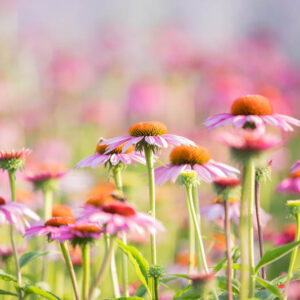
Many Delaware gardeners rely on natives such as butterfly weed, black-eyed Susan, coneflower, goldenrod, bee balm, seaside goldenrod, switchgrass, little bluestem, inkberry holly, and serviceberry. These plants are adapted to Delaware’s soils and climate, support local pollinators and birds, and usually require less watering and fertilizer once established.
Data sources: 2023 USDA Plant Hardiness Zone Map (1991–2020 normals), NOAA frost-date climatology.
Updated: December 2025 • Reviewed by Gardenia Editors
| Hardiness |
7 - 8 |
|---|---|
| Native Plants | United States, Northeast, Delaware |
| Toxic to Humans | No known toxicity |
| Toxic to Cats | No known toxicity |
| Toxic to Dogs | No known toxicity |
| Toxic to Horses | No known toxicity |
| Hardiness |
7 - 8 |
|---|---|
| Native Plants | United States, Northeast, Delaware |
| Toxic to Humans | No known toxicity |
| Toxic to Cats | No known toxicity |
| Toxic to Dogs | No known toxicity |
| Toxic to Horses | No known toxicity |
Create a membership account to save your garden designs and to view them on any device.
Becoming a contributing member of Gardenia is easy and can be done in just a few minutes. If you provide us with your name, email address and the payment of a modest $25 annual membership fee, you will become a full member, enabling you to design and save up to 25 of your garden design ideas.
Join now and start creating your dream garden!
Create a membership account to save your garden designs and to view them on any device.
Becoming a contributing member of Gardenia is easy and can be done in just a few minutes. If you provide us with your name, email address and the payment of a modest $25 annual membership fee, you will become a full member, enabling you to design and save up to 25 of your garden design ideas.
Join now and start creating your dream garden!