Learn how to garden confidently in Maryland’s 2023 USDA zones 5b–8a. This guide explains frost dates, microclimates, and planting calendars from Western Maryland to the Chesapeake Bay and Eastern Shore, plus expert picks for vegetables, fruits, flowers, and natives that love your local growing conditions.
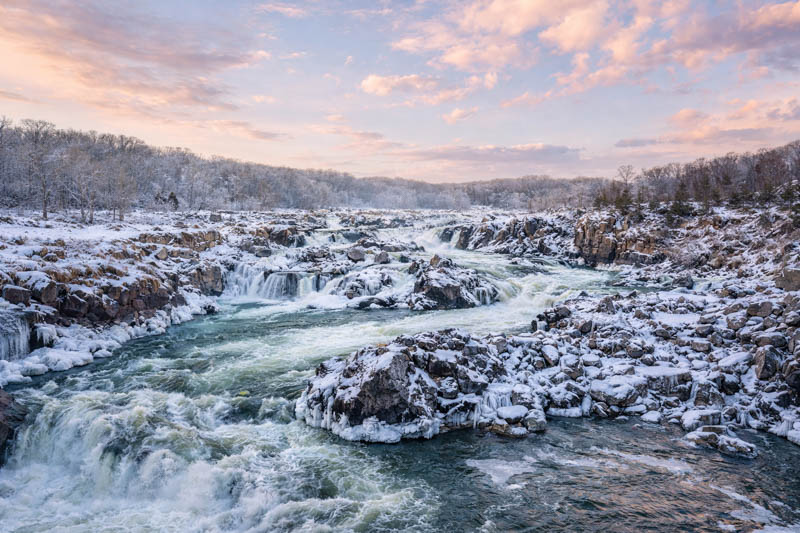


Gardening in Maryland can mean everything from cool-climate vegetable patches in the Allegheny Highlands to waterfront beds along the Chesapeake Bay and beachside containers in Ocean City. Maryland spans three climate zones — humid continental in the west, humid subtropical in the east, and a unique maritime microclimate along the Chesapeake Bay. Maryland planting zones cover a surprisingly wide range of USDA hardiness zones, running roughly from zone 5b in the western mountains to zone 8a on parts of the Lower Eastern Shore and around the Bay.
This guide will help you understand your Maryland growing zone, read the updated 2023 USDA map, time your planting around frost dates, and pick the best plants for your corner of the Old Line State.
Maryland is small but incredibly diverse, shaped by the Appalachian Plateau, the Piedmont, the Chesapeake Bay, and the Atlantic coast. According to the 2023 USDA Plant Hardiness Zone Map, Maryland hardiness zones now range from 5b to 8a, with many locations warming by roughly a half-zone compared with the 2012 map.
The USDA Plant Hardiness Zone Map for Maryland shows how winter lows shift from the cold 5b pockets of Garrett County to the milder 7b–8a zones along the Chesapeake Bay and the Lower Eastern Shore. The 2023 map uses 1991–2020 climate data and is the standard for choosing trees, shrubs, and perennials that can handle your local winter.
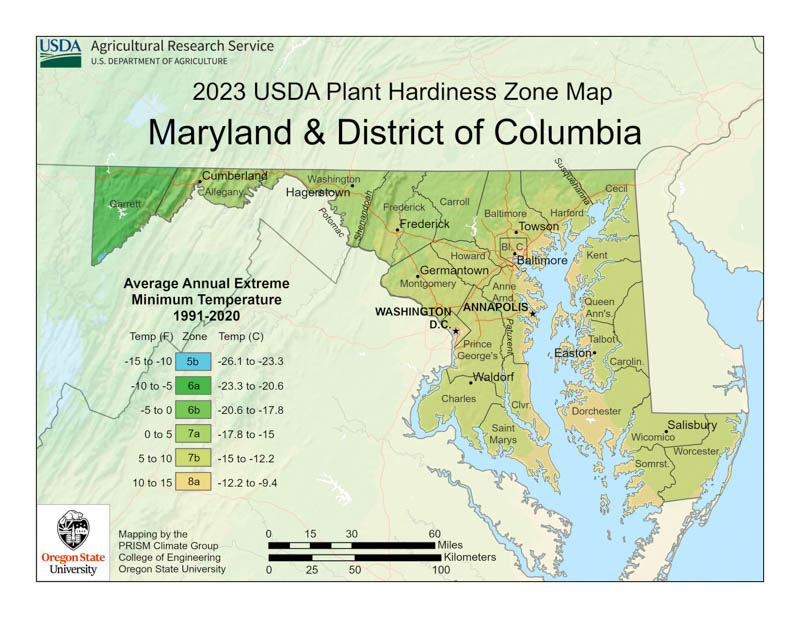
A simplified Maryland planting zone map based on the 2023 USDA Plant Hardiness Zone Map, using 1991–2020 climate data.
Use the map together with your ZIP code to pinpoint your exact Maryland garden zone. Look up your Maryland planting zone by ZIP code using the USDA tool, then come back here or visit our Plant Finder for plants tailored to your zone and site conditions.
Although Maryland’s planting zones only span 5b–8a, the mix of mountains, river valleys, tidal marshes, and dense development creates many microclimates. Breaking the state into regions makes it easier to match plants to your climate and gardening style.
This cooler region includes much of Garrett County and higher parts of western Allegany. Elevation and long, snowy winters mean a short growing season—but excellent conditions for cold-hardy crops, evergreens, and classic northern landscapes.
From Cumberland and Hagerstown toward Frederick and the surrounding valleys, winters are still cold but the growing season is longer than in the highlands. This is great country for orchards, berries, and a full mix of cool- and warm-season vegetables.
From Frederick and Columbia through Baltimore, Annapolis, and the DC suburbs, urban heat and gentle hills create some of Maryland’s most garden-friendly conditions. Summers are warm to hot, and winters are usually moderate, supporting a big range of shrubs, trees, perennials, and heat-loving veggies in beds and containers.
Calvert and St. Mary’s counties and many communities that hug the Chesapeake Bay enjoy buffered winters and a long frost-free season. Gardeners here can grow a generous mix of fruit trees, flowering shrubs, native perennials, and warm-season vegetables—while watching for wind and salt exposure along the open water.
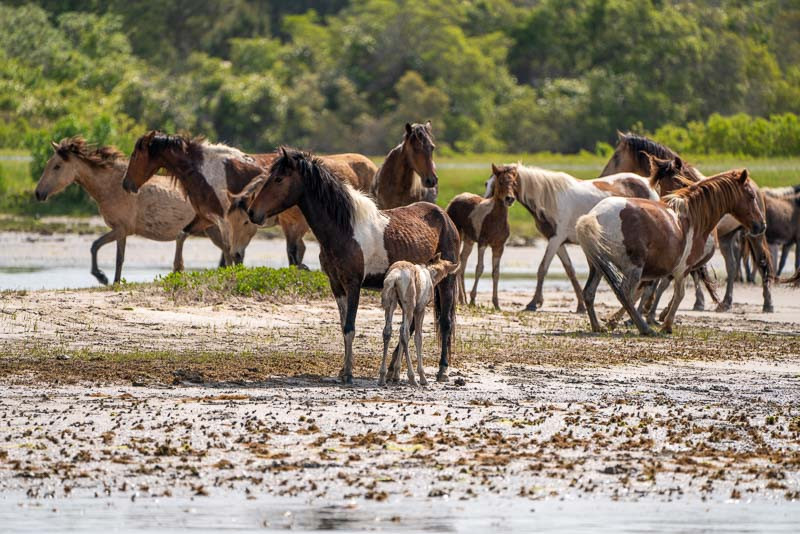
From Easton and Cambridge through Salisbury, Crisfield, and Ocean City, the Eastern Shore and Atlantic coast are Maryland’s mildest gardening regions. Here, sandy soils, tidal marshes, and maritime winds define the landscape. Gardeners can grow an impressive array of warm-season vegetables, ornamental grasses, and native shrubs, focusing on mulching and irrigation to handle summer drought.
In a state like Maryland, frost dates are your best scheduling tool. From Oakland to Frederick, Baltimore, Annapolis, Salisbury, and the beaches, your average last and first frosts determine when it’s safe to plant tender crops and when you should be ready with row covers in fall. In general, Maryland’s last frosts run from early April to mid-May, and first frosts from late September to mid-November, depending on location.
| Region / City | Average Last Spring Frost | Average First Fall Frost | Approx. Frost-Free Days |
|---|---|---|---|
| Oakland (Western Highlands, Garrett Co.) | Late May–Early June (around May 25–Jun 5) | Late September–Early October (around Sep 26–Oct 5) | ~110–130 days |
| Frederick (Piedmont / North-Central) | Late April (around Apr 21–30) | Mid–Late October (around Oct 13–30) | ~165–180 days |
| Baltimore (Urban Bay Metro) | Early–Mid April (around Apr 1–15) | Late October–Mid November (around Oct 29–Nov 15) | ~180–200 days |
| Annapolis (Chesapeake Bay Shore) | Early–Mid April (around Apr 11–20) | Late October–Early November (around Oct 25–Nov 5) | ~185–200 days |
| Salisbury (Lower Eastern Shore) | Early April (around Apr 5–10) | Late October–Mid November (around Oct 25–Nov 10) | ~195–215 days |
Dates summarized from regional climate and frost-date tools; always check a local forecast and a ZIP-code–based lookup for the most precise information for your garden.
Use these frost dates as planning guides—your yard may be slightly warmer or cooler depending on elevation, distance from the Bay or ocean, surrounding pavement, nearby water, and building heat. They’re long-term averages, not guarantees, so keep an eye on the forecast during spring and fall cold snaps.
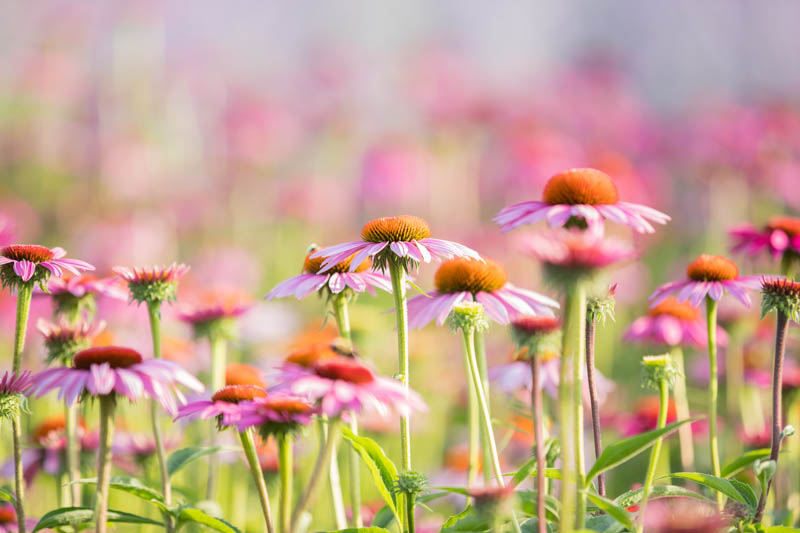
Once you know your Maryland planting zone, you can lean into your region’s strengths—whether that’s a cooler Western Maryland garden or a long, milder season along the Chesapeake Bay or on the Eastern Shore. Focus on cold-hardy staples in 5b–6a areas and heat-loving crops and ornamentals in 6b–8a, while choosing perennials rated for your specific hardiness zone.
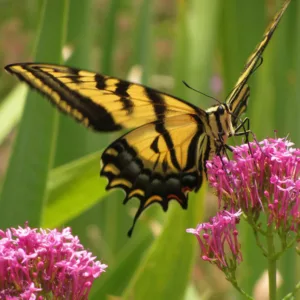
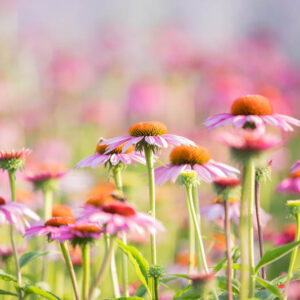
Maryland native plants are naturally adapted to local soils, moisture, and winter cold. Mix native wildflowers, grasses, shrubs, and trees for a low-maintenance, wildlife-friendly landscape that supports pollinators, songbirds, and beneficial insects.
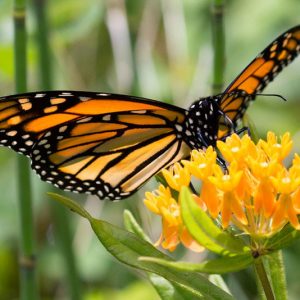
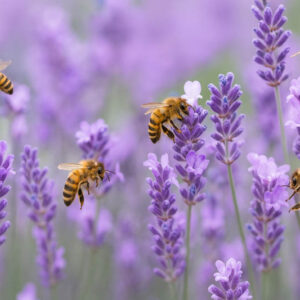
Browse curated lists like great pollinator plants for Maryland and monarch nectar plants for Maryland to build a garden that buzzes and flutters from spring through frost.
Tap a month to see what to plant in Maryland by zone. Use these quick guides as a starting point—then adjust for your exact frost dates and whether you garden in a windy ridge-top yard, shaded town courtyard, or sunny coastal slope.
Maryland gardeners juggle mountain cold, humid summers, coastal storms, sandy soils, urban heat islands, and, yes, deer and groundhogs. These tips help your plants thrive from zone 5b to 8a:
Now that you understand your Maryland planting zone, frost dates, and regional climate, you’re ready to choose plants that love your conditions and create a thriving Chesapeake Bay–friendly landscape. Mix edible crops, flowering perennials, and native plants for a yard that feeds both your household and local wildlife. Want to compare Maryland to other states? Visit our national USDA planting zone guide to explore growing zones across the United States.
Maryland spans USDA hardiness zones 5b to 8a on the 2023 map. Western Maryland’s highlands are coldest (5b–6a), while the Chesapeake Bay region, Eastern Shore, and Atlantic coast are mildest (7a–8a). Most of the Baltimore–Washington corridor falls in zones 6b–7b with a few very warm 8a pockets.
Use your ZIP code with the USDA’s interactive Plant Hardiness Zone Map, then zoom in on the Maryland & DC state map. Combine that zone information with what you know about your yard—slope, shade, wind, and nearby pavement – to choose trees, shrubs, and perennials rated for your specific microclimate.
Most of Maryland sees its average last light frost between early April and late April. Western highlands can hold frost into May or even early June, while Bay and Eastern Shore locations often thaw earlier. Treat these dates as guidelines and always confirm with your local forecast before planting tender crops.
Depending on elevation and proximity to water, Maryland’s first frosts typically arrive between late September and mid-November. Western mountain areas freeze first, often in late September or early October. The Chesapeake Bay shores and Eastern Shore are last, with light frosts often holding off until late October or early November.
Maryland’s mix of zones 5b–8a supports a wide range of vegetables. Cool-season stars include lettuce, spinach, peas, broccoli, cabbage, carrots, and radishes. Warm-season favorites are tomatoes, peppers, squash, cucumbers, beans, sweet corn, and, in the warmest areas, okra and sweet potatoes. Succession planting keeps harvests going spring through fall.
Apples, pears, tart cherries, and many plums grow well in most of Maryland with full sun and good air flow. Warmer central and southern areas also support peaches and sweet cherries, while the mildest Bay and Eastern Shore locations can experiment with hardy figs, persimmons, and select pomegranates in protected spots.
Yes. Native Maryland plants evolved with local soils, rainfall patterns, and winter lows, so they typically need less watering, fertilizing, and pest control than many exotics. They also provide high-value nectar, pollen, seeds, and shelter for pollinators, songbirds, and other wildlife, making your garden both resilient and ecologically rich.
The 2023 USDA map shows much of Maryland shifting about a half-zone warmer compared with the 2012 map. That means some gardeners can now grow slightly less cold-hardy plants, but it also increases heat stress, drought risk, and pest pressure. Choosing adaptable, drought-tolerant, and disease-resistant varieties is more important than ever.
Coastal Maryland gardeners benefit from longer seasons and fewer deep freezes, but they must manage wind, salt spray, and sandy soils. Windbreaks, organic matter, mulch, and drip irrigation are key. Choose salt-tolerant shrubs, grasses, and perennials for exposed sites, and grow vegetables in raised beds or protected courtyards.
Data sources: 2023 USDA Plant Hardiness Zone Map (1991–2020 normals), NOAA frost-date climatology.
Updated: December 2025 • Reviewed by Gardenia Editors
| Hardiness |
5 - 8 |
|---|---|
| Native Plants | United States, Northeast, Maryland |
| Toxic to Humans | No known toxicity |
| Toxic to Cats | No known toxicity |
| Toxic to Dogs | No known toxicity |
| Toxic to Horses | No known toxicity |
| Hardiness |
5 - 8 |
|---|---|
| Native Plants | United States, Northeast, Maryland |
| Toxic to Humans | No known toxicity |
| Toxic to Cats | No known toxicity |
| Toxic to Dogs | No known toxicity |
| Toxic to Horses | No known toxicity |
Create a membership account to save your garden designs and to view them on any device.
Becoming a contributing member of Gardenia is easy and can be done in just a few minutes. If you provide us with your name, email address and the payment of a modest $25 annual membership fee, you will become a full member, enabling you to design and save up to 25 of your garden design ideas.
Join now and start creating your dream garden!
Create a membership account to save your garden designs and to view them on any device.
Becoming a contributing member of Gardenia is easy and can be done in just a few minutes. If you provide us with your name, email address and the payment of a modest $25 annual membership fee, you will become a full member, enabling you to design and save up to 25 of your garden design ideas.
Join now and start creating your dream garden!