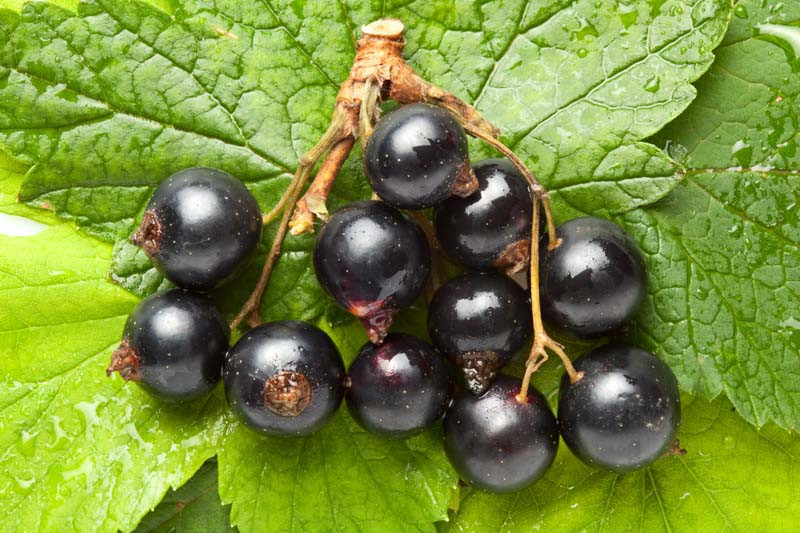
Ribes
If you are building a pollinator friendly garden, Ribes deserves a front row spot. This diverse group of shrubs includes currants and gooseberries, loved for their graceful form, early flowers, and wildlife friendly fruit. They stay compact, tuck easily into small yards, and instantly make a planting feel more natural and layered.
One of the best parts about Ribes is timing. While the rest of the garden is still waking up, their dangling clusters of flowers open and start feeding bees, native solitary wasps, and early emerging hoverflies. That early nectar source is critical, and it turns your yard into an instant pit stop for hungry pollinators.
As the season shifts, those flowers transform into berries that support songbirds and other wildlife. Even if you never harvest a single fruit for yourself, you are stocking the pantry for your local ecosystem. Many native Ribes species are also impressively drought tolerant once established, which makes them a smart choice for low input, climate conscious landscapes.
Design wise, think of Ribes as a soft structural anchor. Use them to frame a path, back a meadowy bed of grasses and perennials, or create a loose, living screen. Pair them with spring bulbs, early blooming perennials, and plenty of summer color so the whole planting feels alive from the first warm days through fall.
Plant a few Ribes, give them sun, decent drainage, and a little room, and they will quietly become some of the hardest working shrubs in your pollinator garden.
Discover How you can Create a Thriving Pollinator Haven in your Own Backyard