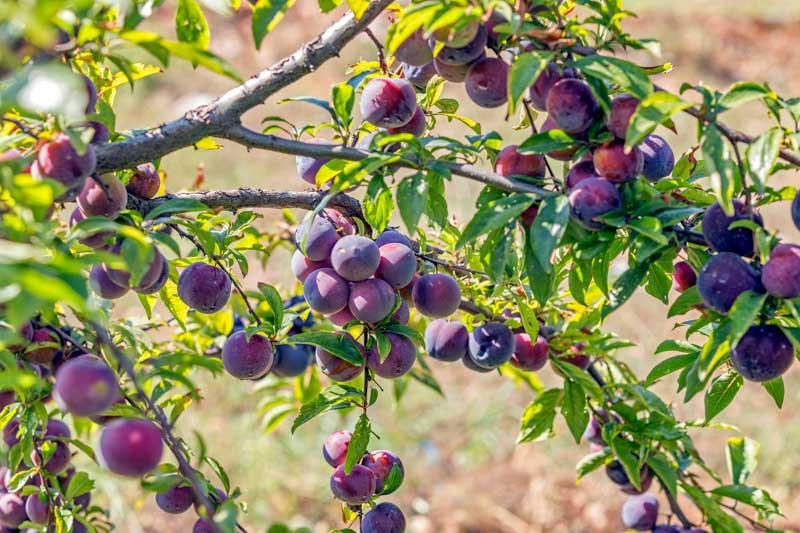
Prunus (Stone Fruit)
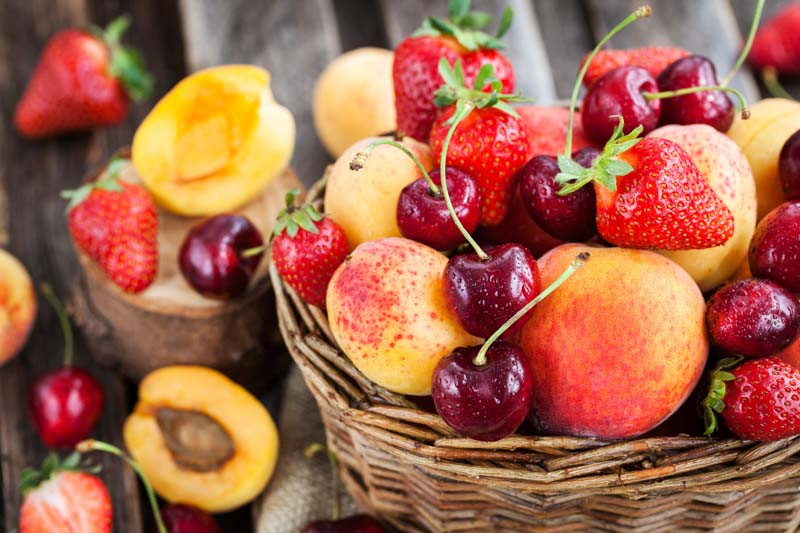
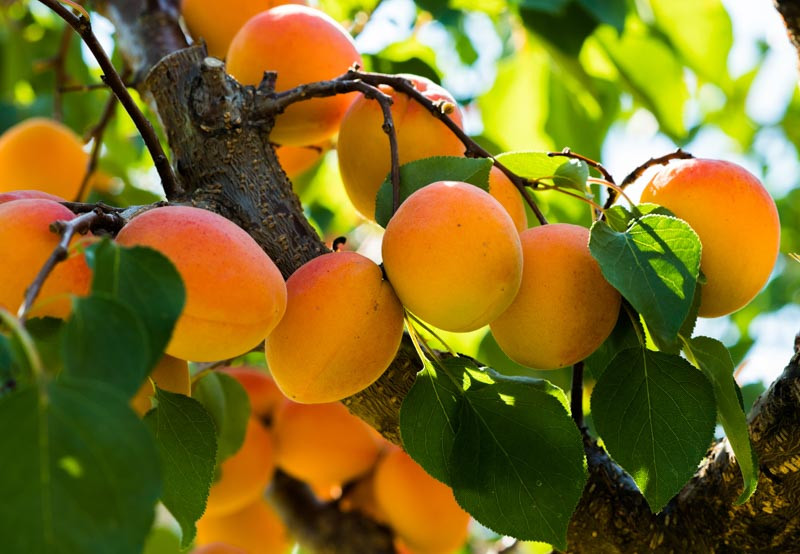
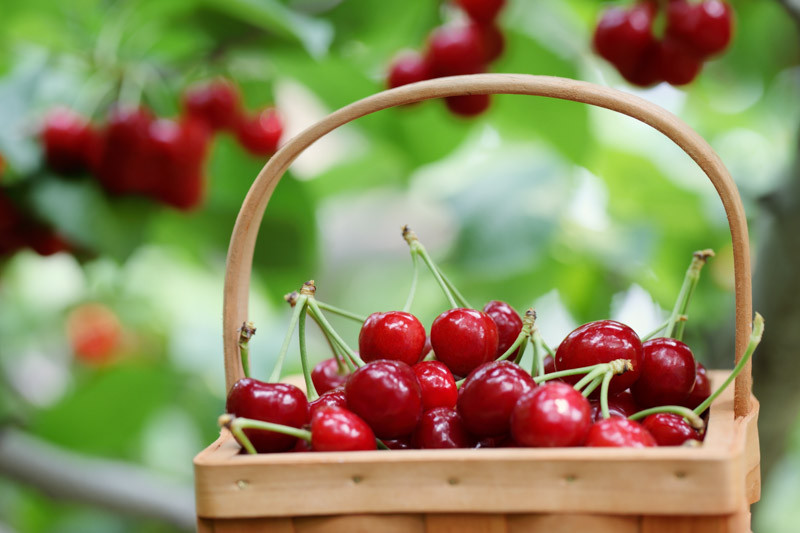
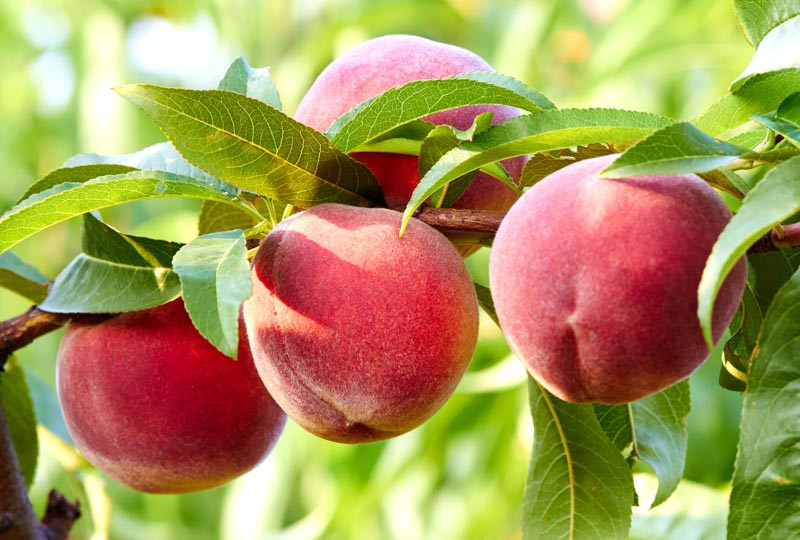
The genus Prunus is like nature’s dessert buffet. It brings us plums, cherries, peaches, nectarines, apricots, and almonds—all from one fascinating family of trees and shrubs. These plants don’t just feed us; they decorate spring with clouds of pink and white, fill summer with fruit, and glow with golden leaves in fall. Picture yourself reaching up to pick that first sun-warmed peach or cherry of the season—fresh from your own tree.
Habit: Prunus trees come in all shapes and sizes, from compact ornamental cherry trees to broad, fruit-laden plum and peach trees. Most are deciduous, dropping their leaves in autumn to reveal graceful silhouettes. Many develop spreading canopies that provide cooling shade and a sculptural presence in any garden.
Hardiness: These versatile trees generally thrive in USDA Zones 4 to 9. They handle cold well, though some species—especially peaches and nectarines—need a certain number of chill hours in winter to set fruit. Choose varieties suited to your region for the best harvests year after year.
Flowers and bloom time: The show begins early. From delicate peach blossoms in late winter to the famous cherry blooms of spring, Prunus trees announce the changing season in grand style. Their flowers attract bees, butterflies, and admirers, often before the leaves even unfurl.
Uses and benefits: Beyond their beauty, Prunus trees offer an impressive mix of flavor and function. They produce some of the world’s favorite fruits, their wood is valued for fine furniture and instruments, and their blooms support pollinators. They even help improve air quality and prevent soil erosion. Whether you grow them for beauty, bounty, or both, Prunus trees bring joy to every season.