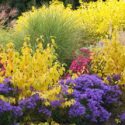
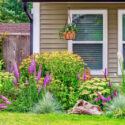
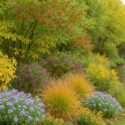
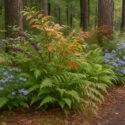
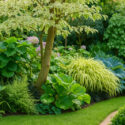
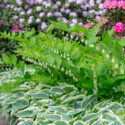
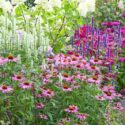
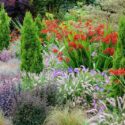
Zone 6 gardeners face heavy deer pressure, but you can still grow a beautiful landscape. This guide reveals the top deer-resistant shrubs, perennials, and groundcovers that thrive in Zone 6 while staying off the deer menu. Build colorful, low-stress beds with plants that deer nearly always avoid.
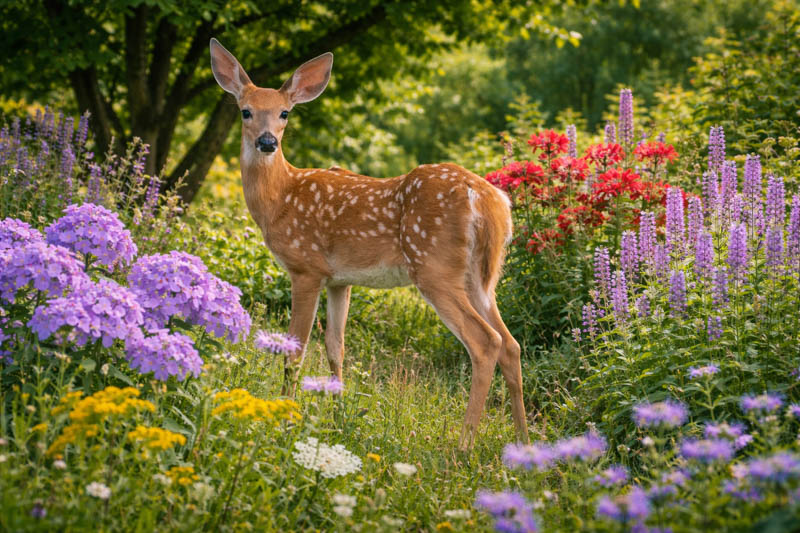


If you garden in USDA Zone 6 — stretching across the Midwest, Northeast, interior Mid-Atlantic, and parts of the Pacific Northwest — you already know that deer pressure can be unpredictable and intense. One evening your garden looks lush, the next morning your hostas and daylilies are reduced to nubs. That is why Zone 6 homeowners are increasingly turning toward deer-resistant shrubs, perennials, and groundcovers that maintain beauty even in high-browse areas.
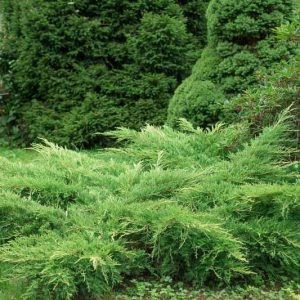
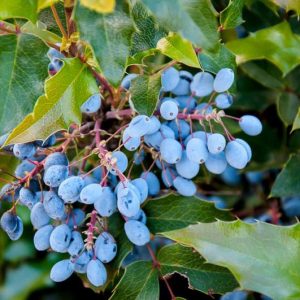
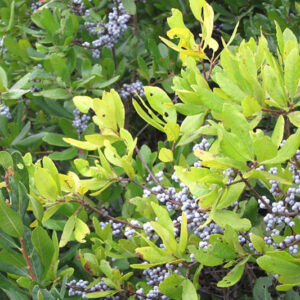
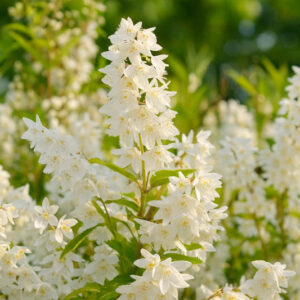
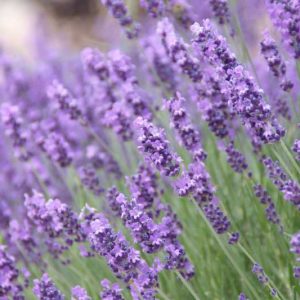
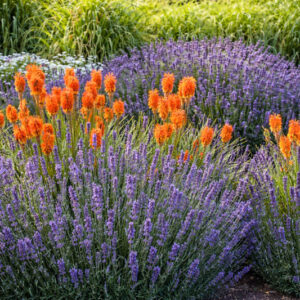
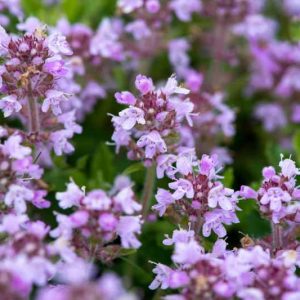
The encouraging news: Zone 6 has an outstanding list of plants deer generally avoid thanks to aromatic foliage, prickly textures, evergreen toughness, or bitter compounds. From creeping juniper (Juniperus horizontalis) and Oregon grapeholly (Mahonia aquifolium) to lavender (Lavandula angustifolia), Russian sage (Salvia yangii), and creeping thyme (Thymus serpyllum), you can craft a garden that feels lush to you but unappealing to deer.
| Hardiness |
6 |
|---|---|
| Plant Type | Perennials, Shrubs |
| Tolerances | Deer |
| Toxic to Humans | No known toxicity |
| Toxic to Cats | No known toxicity |
| Toxic to Dogs | No known toxicity |
| Toxic to Horses | No known toxicity |
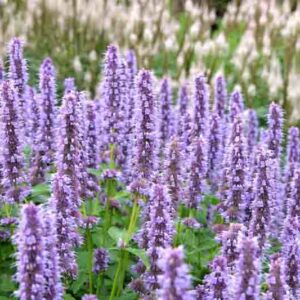
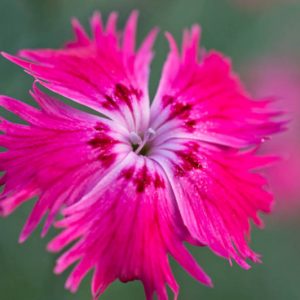

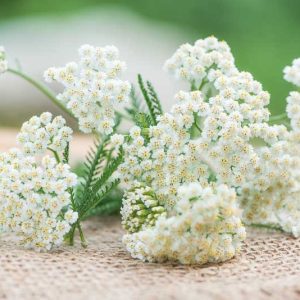
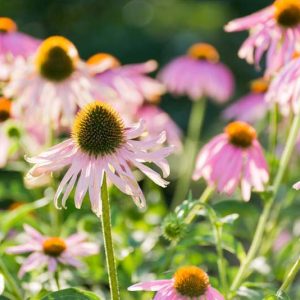
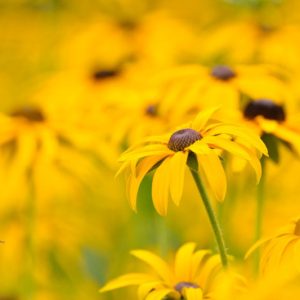
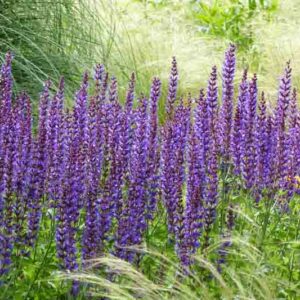
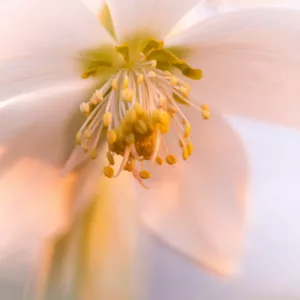
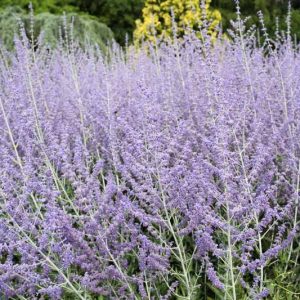
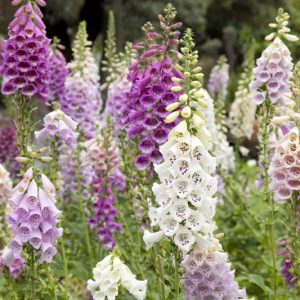
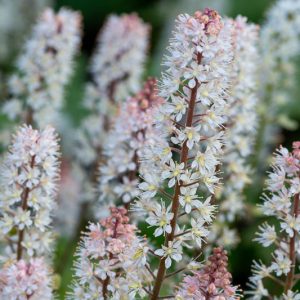
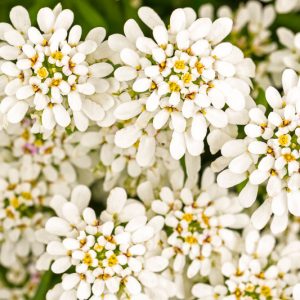
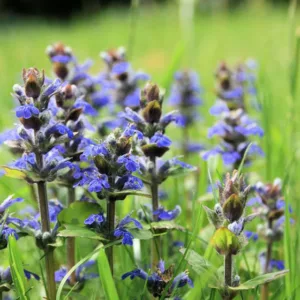
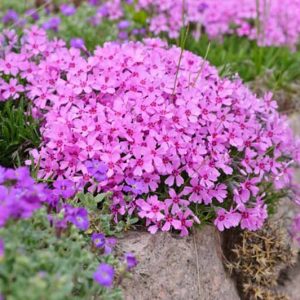
Zone 6 experiences cold winters, long springs, and lush summers — ideal conditions for both plants and hungry deer. When natural forage is abundant, deer tend to avoid plants that are aromatic, bitter, spiny, leathery, fuzzy, or toxic. Many of the top deer-resistant choices share these traits:
Leaning into these traits helps you build a Zone 6 garden that thrives despite constant deer pressure.
| Category | Top Zone 6 Deer-Resistant Plants | Deer Resistance | Best Uses |
|---|---|---|---|
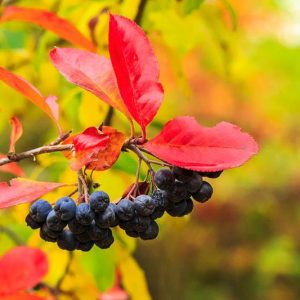
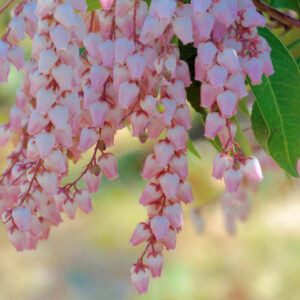
| Shrubs | Creeping juniper (Juniperus horizontalis), Oregon grapeholly (Mahonia aquifolium), Aronia (Aronia melanocarpa), Northern bayberry (Myrica pensylvanica), Pieris (Pieris japonica) |
High | Front borders, wildlife hedges, evergreen structure, erosion control slopes |
| Perennials | English lavender (Lavandula angustifolia), Yarrow (Achillea), Echinacea (Coneflower), Anise hyssop (Agastache foeniculum), Lenten rose (Helleborus) |
High to moderate | Pollinator beds, cottage gardens, mixed borders, prairie-style landscapes |
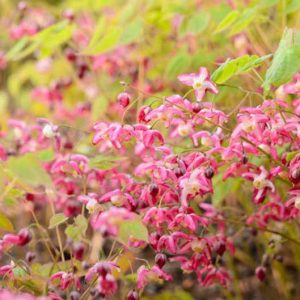
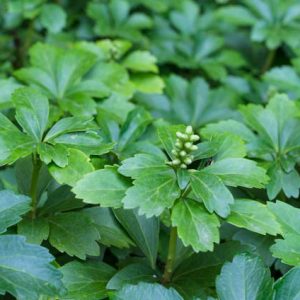
| Groundcovers | Creeping thyme (Thymus serpyllum), Barrenwort (Epimedium × rubrum), Lilyturf (Liriope muscari), Foamflower (Tiarella cordifolia), Japanese spurge (Pachysandra terminalis) |
High | Shady beds, pathways, lawn alternatives, slope stabilization |
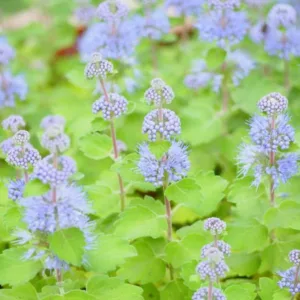
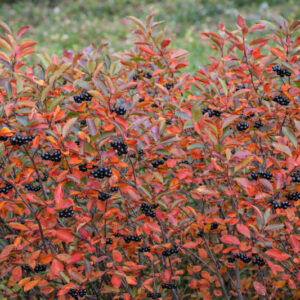
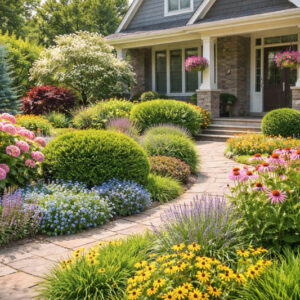
Start with creeping juniper, Oregon grapeholly, and Northern bayberry for winter structure. Add Aronia for four-season interest, and front the border with aromatic lavender and catmint. Every layer discourages deer, giving you a resilient and polished entry garden.
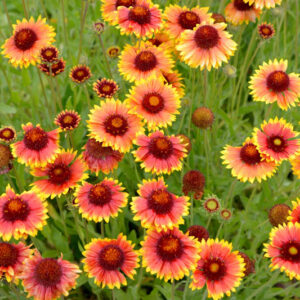
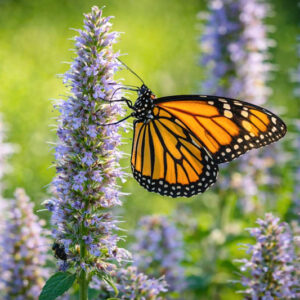
Blend Echinacea, yarrow, Russian sage, anise hyssop, and black-eyed Susan. Butterflies and bees adore this mix, but deer rarely bother it thanks to its fragrance and tough textures.
Under open tree canopies, combine Epimedium, Pachysandra, Ajuga, and foamflower. Add clusters of Hellebores for winter bloom and edge with creeping thyme where sunlight breaks through.
Top deer-resistant plants for Zone 6 include creeping juniper, Oregon grapeholly, Aronia, bayberry, Pieris, lavender, yarrow, coneflowers, anise hyssop, hellebores, creeping thyme, barrenwort, pachysandra, lilyturf, and foamflower. These plants feature fragrance, texture, or toxins that deer typically avoid.
No. Deer-resistant plants are simply less appealing. During food shortages or heavy deer pressure, deer may still sample plants they normally ignore.
Yes. Young plants produce tender growth that deer may test. Use repellents or cages for at least one season to allow plants to establish.
Lavender, catmint, Russian sage, anise hyssop, yarrow, coneflowers, and black-eyed Susan attract bees and butterflies while offering foliage that deer rarely find appealing.
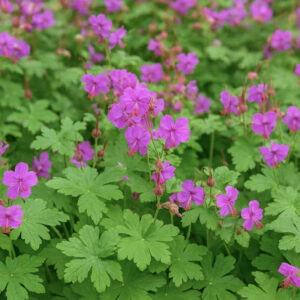
Excellent shade options include Epimedium, pachysandra, foamflower, bigroot geranium, Ajuga, and some varieties of lilyturf. These plants form reliable carpets deer seldom touch.
Build evergreen structure with juniper, Mahonia, bayberry, or Aronia. Add seasonal color with lavender, catmint, Russian sage, coneflowers, and yarrow. Finish with thyme or other tough groundcovers and protect all new plants their first year.
Updated: December 2025 • Reviewed by Gardenia Editors
| Hardiness |
6 |
|---|---|
| Plant Type | Perennials, Shrubs |
| Tolerances | Deer |
| Toxic to Humans | No known toxicity |
| Toxic to Cats | No known toxicity |
| Toxic to Dogs | No known toxicity |
| Toxic to Horses | No known toxicity |
Create a membership account to save your garden designs and to view them on any device.
Becoming a contributing member of Gardenia is easy and can be done in just a few minutes. If you provide us with your name, email address and the payment of a modest $25 annual membership fee, you will become a full member, enabling you to design and save up to 25 of your garden design ideas.
Join now and start creating your dream garden!
Create a membership account to save your garden designs and to view them on any device.
Becoming a contributing member of Gardenia is easy and can be done in just a few minutes. If you provide us with your name, email address and the payment of a modest $25 annual membership fee, you will become a full member, enabling you to design and save up to 25 of your garden design ideas.
Join now and start creating your dream garden!