Create Your Garden

30 Best Groundcovers for USDA Zone 6: Sun, Shade, Slopes, and Lawn Alternatives

Stop fighting bare soil and patchy lawn. Zone 6 is perfect for dense groundcovers that hold slopes, soften paths, and deliver months of color. Use this plant by plant list to match durable groundcovers to sun, shade, and soil conditions for a cohesive, low maintenance landscape.
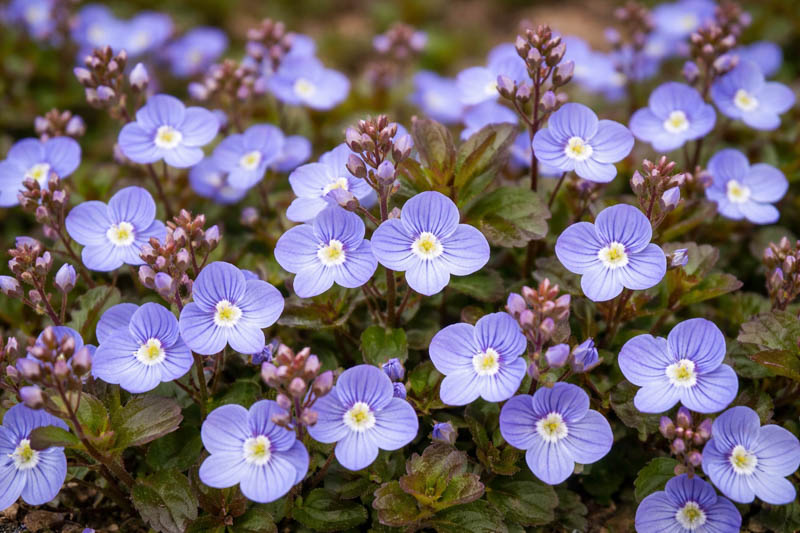
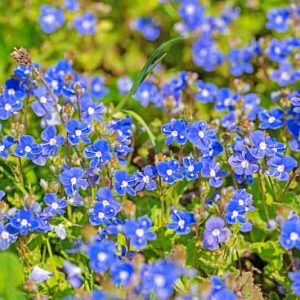
Veronica umbrosa Georgia Blue, Hardy Groundcover, Hardy Ground Cover

Best Groundcovers for USDA Hardiness Zone 6 – Low-Maintenance, High-Impact Living Carpets

If you garden in USDA Zone 6 – stretching through much of the Midwest, interior Northeast, parts of New England, the Mid-Atlantic, and many higher-elevation valleys – you already know this truth: a good groundcover is not just a pretty filler, it is a working plant. Zone 6 brings cold winters, freeze-thaw cycles, reliable snow in many regions, and warm to hot summers, so your groundcovers must be tough as well as beautiful.

The key is to choose groundcovers adapted to your specific microclimate: windy, sun-baked slopes, soggy spring low spots, dry shade under maples, or mixed borders that see everything from April frost to August heat. When you match the plant to the place, your groundcovers will knit into durable, living carpets that need surprisingly little care.

Whether you are after evergreen mats, pollinator magnets, lawn alternatives, erosion-stopping workhorses, or four-season texture, Zone 6 offers a deep bench of dependable groundcovers. These plants deliver beauty, biodiversity, erosion control, weed suppression, and year-round structure in one easy package.

Quick reminder: Buy from reputable nurseries and avoid invasive spreaders such as English ivy and vinca major in naturalized or woodland areas. Thoughtful, ecologically balanced groundcovers protect your soil, your trees, and your local ecosystems.

Zone 6 Groundcover Quick Start

  • Start with your biggest problem spots – Slopes, bare soil, eroding beds, and thin turf around trees gain the most from groundcovers.
  • Think in seasons, not just summer – Zone 6 winters are real. Choose groundcovers that can handle snow load, ice, and spring freeze-thaw cycles.
  • Mix evergreen and deciduous carpets – Evergreen sedges and mondo grass carry the structure, while flowering phlox, thyme, and woodland perennials layer in seasonal color.
  • Match spread rate to the space – Use fast spreaders where you want quick coverage and slower, clumping types near perennials and shrubs you value.
  • Test in small patches – Trial a plant in a 3 x 3 ft test area first. If it handles your winter and summer extremes, then scale up confidently.

Guide Information

Hardiness 6
Landscaping Ideas Ground Covers

Best Groundcovers for Zone 6 - Low Maintenance Living Carpets That Thrive In Four Seasons

Zone 6 Groundcover Conditions at a Glance

Shade, sun, slope, and soil type have a huge influence on groundcover success in Zone 6. Before you fall in love with a plant photo, get clear on the conditions you really have:

  • Dry shade beneath mature trees – Dense roots, deep shade, and rain shadows create some of the toughest planting areas. Look for drought-tolerant, shallow-rooted groundcovers that can coexist with tree roots and still form a carpet.
  • Dappled woodland shade – Light moves across the day as sun filters through branches. Many native woodland perennials and foliage plants thrive here, creating soft, naturalistic carpets.
  • Moist, rich shade – Low spots, downspout zones, and shaded clay beds often stay evenly moist in spring. Groundcovers with larger leaves and sturdy roots help prevent erosion and smother weeds.
  • Full sun and hot slopes – South or west facing banks dry out quickly and bake in summer. Choose heat loving, drought tolerant groundcovers that tolerate reflected heat and poor soils.
  • Average garden beds in sun to part shade – Many of the most flexible groundcovers fall in this category. These areas are perfect for transition zones between lawn and beds.
  • Morning sun and afternoon shade – Cooler afternoon light lets you grow plants that like some sun but dislike harsh heat. This is ideal for foliage forward groundcovers with good color and texture.
  • Heavy shade beside buildings and fences – North facing walls, narrow side yards, and shaded entries may see almost no direct sun. Look for ultra tough, shade adapted species that tolerate compacted soil and occasional dryness.

Once you understand your microclimate, use the Zone 6 Groundcover Quick Comparison Table below to match it with easy, reliable groundcovers for that specific situation.

Zone 6 Groundcover Quick Comparison Table

Growing Condition Best Easy Groundcovers Spread Rate Notes
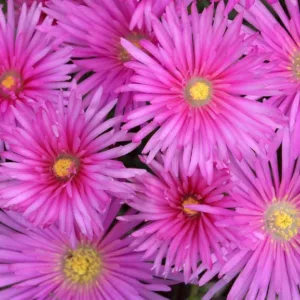
Full Sun Thymus serpyllum, Phlox subulata, Delosperma cooperi,
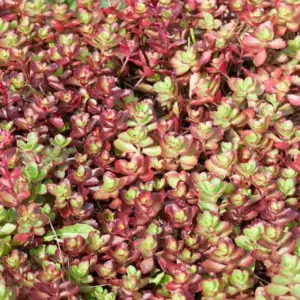
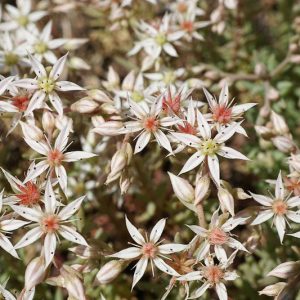
Sedum album, Sedum spurium ‘Dragon’s Blood’
Moderate – Fast Loves heat and sharp drainage. Ideal for slopes, rock gardens, and sunny edges that dry out between rains.
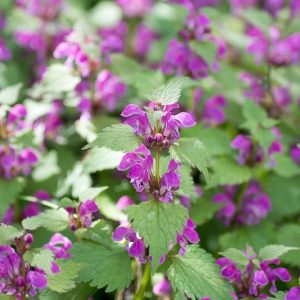
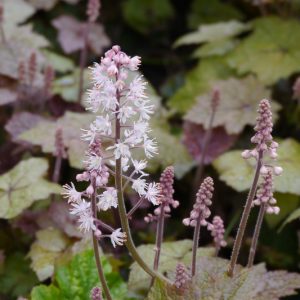
Part Shade / Dappled Shade Geranium maculatum, Lamium maculatum, Tiarella cordifolia, Phlox stolonifera, Hakonechloa macra Moderate Perfect under open trees and along woodland paths. Provides long bloom and soft movement in the breeze.
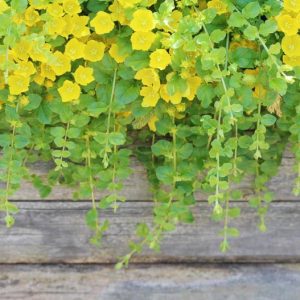
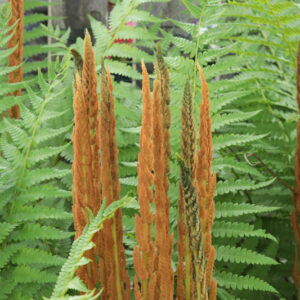
Moist Shade Lysimachia nummularia ‘Aurea’, Ajuga reptans, Brunnera macrophylla, Hosta groupings, Osmunda ferns Fast (Ajuga, Lysimachia) / Moderate (Brunnera, Hosta) Thrives in rich soil and consistent moisture. Offers big foliage, bold texture, and strong spring color.
Dry Shade Epimedium species, Pachysandra procumbens, Carex pensylvanica,
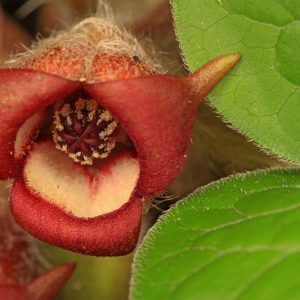
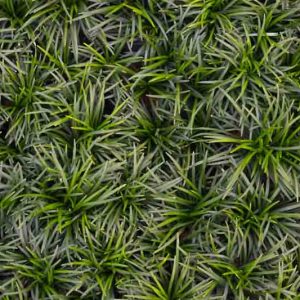
Asarum canadense, Ophiopogon japonicus ‘Nana’
Slow – Moderate Excellent under trees and around roots. Drought adapted once established and many are semi-evergreen in Zone 6.
Tip: In Zone 6, groundcovers grow actively for roughly 7 to 9 months each year. Even slow spreaders such as epimedium and dwarf mondo grass fill in faster than in colder zones. Plant a bit farther apart if you can wait, and always allow space for natural expansion.

Why Choose These Groundcovers for Zone 6?

Compared with plain mulch or high-maintenance turf, these groundcovers are built for long term success in Zone 6. They tolerate winter cold, spring saturation, summer heat, and everything in between.

  • Weed suppression – Tight mats of Thymus, Ajuga, Lamium, Mazus, and hardy sedums shade bare soil and dramatically cut down on hand weeding.
  • Soil protection and erosion control – Fibrous root systems from Carex, Liriope, Pachysandra, and native ferns stabilize slopes and help resist washouts during heavy spring rains and rapid snowmelt.
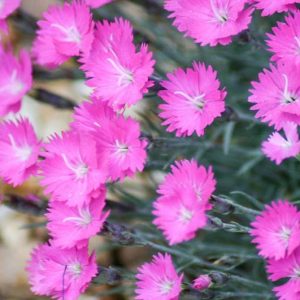
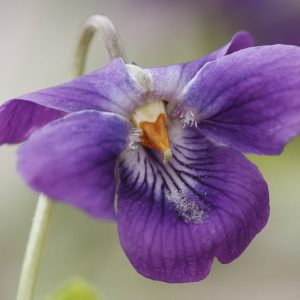
  • Biodiversity support – Flowering groundcovers like Phlox, Geranium, Veronica ‘Georgia Blue’, Dianthus ‘Firewitch’, and Viola sororia offer nectar, pollen, and cover for pollinators and beneficial insects when they need it most.
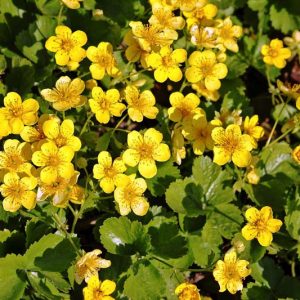
  • Visual unity in four seasons – Evergreen or semi-evergreen carpets from Ophiopogon, Mitchella repens, Waldsteinia, and hardy sedges tie together shrubs, trees, and perennials with repeating texture and color, even when the garden is resting under snow.
  • Eco-friendly alternatives to lawn – Native choices such as Pachysandra procumbens, Carex pensylvanica, Viola sororia, and Waldsteinia fragarioides offer resilient, low-input lawn alternatives that support local wildlife.

Before You Plant: A Zone 6 Groundcover Caution

Zone 6 has real winters and real summers, which means both tender plants and overly aggressive spreaders can cause problems. The trick is to choose the right vigor level for the right place.

  • Fast spreaders like Ajuga reptans, Lamium maculatum, Lysimachia nummularia ‘Aurea’, Viola sororia, Mazus reptans, and Sagina subulata can blanket an area quickly. Use them where you want fast coverage or where beds are naturally contained by paths, walls, or edging. In some regions, Ajuga, Lamium, and Creeping Jenny spread aggressively; check local invasive species lists before planting near natural areas.
  • Moisture sensitive plants must be matched carefully:
    • Delosperma and many Sedum demand excellent drainage, especially in winter. On heavy clay, plant them in berms or raised beds.
    • Creeping Jenny, Hosta, and Osmunda shine only when soil stays evenly moist. In dry sites, they will stall or crisp.
  • Premium but slower spreaders such as Ophiopogon japonicus ‘Nana’, Hakonechloa macra, Brunnera macrophylla, and Dianthus ‘Firewitch’ provide exquisite texture and color but take time to knit. They are ideal for high visibility beds, courtyards, and shade borders.
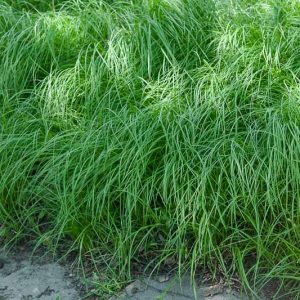
  • Native ecological anchors like Pachysandra procumbens, Carex pensylvanica, Waldsteinia fragarioides, Mitchella repens, and Viola sororia offer habitat value, gentle spreading habits, and excellent resilience, especially through freeze-thaw cycles.
  • Edge management is your friend – even polite spreaders look their best when framed by stone, metal, or brick edging, or a clean mulch band.

Bottom line: Match sunlight, moisture, soil type, and spread rate to each planting area and your Zone 6 groundcovers will thrive, not just survive.

Top 10 Easiest Groundcovers for Beginners in Zone 6

New to groundcovers in a four season climate. Start with these forgiving, widely adaptable plants that have proven themselves across USDA Zone 6.

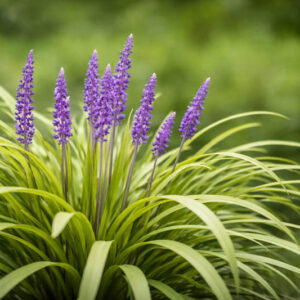
  • Liriope muscari – Evergreen or semi-evergreen, drought tolerant, and dependable in sun or shade. A nearly indestructible edging and massing plant.
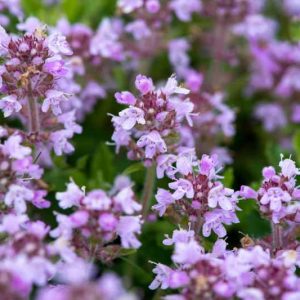
  • Thymus serpyllum (Creeping Thyme) – Fragrant, low, and tough. Ideal between pavers, on sunny slopes, and as a lawn alternative in small spaces.
  • Phlox stolonifera – Easy woodland carpet for part shade with soft spring bloom waves and tidy summer foliage.
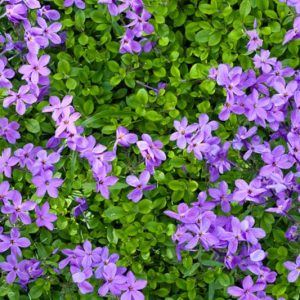
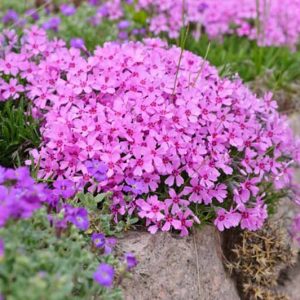
  • Phlox subulata – Sun loving spring carpet that laughs at poor, rocky soils and cold winters.
  • Sedum spurium ‘Dragon’s Blood’ – Fast spreading succulent mat for heat, drought, and lean soil. Great for slopes and retaining walls.
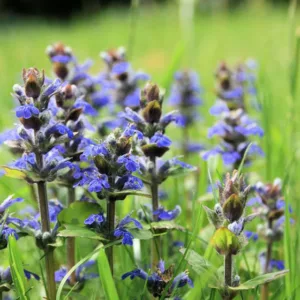
  • Lamium maculatum – Bright, silver splashed foliage for part shade, with small flowers that attract bees. Spreads reliably but is easy to redirect.
  • Pachysandra procumbens – Native evergreen groundcover for dry shade. Slowly forms handsome colonies under trees.
  • Geranium maculatum – Long lived woodland native with spring flowers and attractive foliage that weaves beautifully among other perennials.
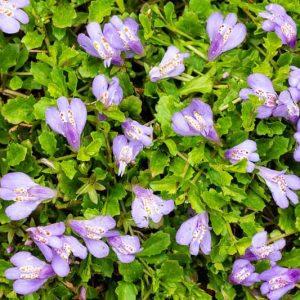
  • Mazus reptans – Soft, quick spreading, ground hugging carpet for moist, part shade beds and between stepping stones.
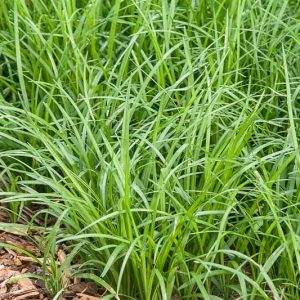
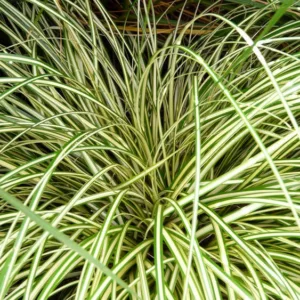
  • Carex oshimensis ‘Evergold’ – Evergreen, arching sedge that works in sun or shade, adding fine texture and bright variegation.

Why these 10. They are hardy, forgiving of imperfect soil, and attractive for long stretches of the year, making them perfect for gardeners who want quick win groundcovers in Zone 6.

Easy Design Recipes for Groundcovers in Zone 6

Dry Shade Woodland Carpet

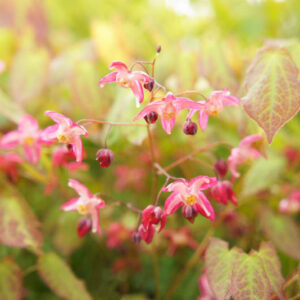
Combine Epimedium x rubrum, Asarum canadense, and Pachysandra procumbens, then edge with clumps of Carex pensylvanica. The result is a tough yet refined woodland floor that looks good from snowmelt through fall.

Pollinator Friendly Spring Ramp Carpet

Use Phlox stolonifera, Geranium maculatum, and Tiarella cordifolia, with swaths of Veronica umbrosa ‘Georgia Blue’, for a long running spring bloom wave that transitions into lush green mounds for summer.

Evergreen Slope Stabilizer Mix

Combine Thymus serpyllum, Liriope muscari, Liriope spicata, and low mats of Sedum spurium ‘Dragon’s Blood’ on sunny banks. This mix grips the soil, tolerates snow load, and bounces back quickly in spring.

Moist Shade Glow Garden

Thread Lysimachia nummularia ‘Aurea’ around clumps of Brunnera macrophylla, compact Hosta cultivars, glossy Mitchella repens, and rich toned Ajuga reptans. The result is a glowing, weed smothering carpet that thrives in damp, shaded beds.

How to Plant and Care for Groundcovers in Zone 6

Zone 6 offers a generous spring and fall planting window. Use these basic steps to establish long lasting groundcover carpets.

  • Prepare the soil thoroughly – Remove perennial weeds, loosen compacted soil, and mix in compost, especially on heavy clays.
  • Space according to spread rate – Fast spreaders 12 to 18 inches apart, slower or clumping types 8 to 12 inches apart. Tight spacing fills in faster but costs more upfront.
  • Water deeply the first season – Aim for consistent moisture until plants have rooted into surrounding soil. Deep, infrequent watering beats daily sprinkles.
  • Mulch lightly around new plants – A 1 to 2 inch layer of fine mulch protects soil and moderates temperature while still leaving space for stems to root and spread.
  • Trim or shear as needed – An occasional light trim keeps mats dense, removes winter raggedness, and encourages fresh new growth.

Explore More Zone 6 Plants

Plant Finder

Browse Garden Ideas for Zone 6

Frequently Asked Questions

What is the best all around groundcover for Zone 6?

One of the most reliable all around groundcovers for Zone 6 is Liriope muscari. It handles winter cold, summer heat, sun or shade, and poor soil while forming dense, semi evergreen clumps that suppress weeds with very little maintenance.

What is the easiest groundcover for beginners in Zone 6?

Thymus serpyllum (Creeping Thyme) is one of the easiest groundcovers for beginners in Zone 6 because it spreads quickly, tolerates heat and drought, and needs almost no care once it is established in well drained soil.

What groundcover grows fastest in Zone 6?

The fastest growing groundcovers in Zone 6 include Ajuga reptans, Lysimachia nummularia ‘Aurea’, and Mazus reptans. In good soil and with adequate moisture, these plants can cover bare ground in a single growing season.

Which groundcovers handle deep shade in Zone 6?

Pachysandra procumbens, Epimedium species, and Ophiopogon japonicus ‘Nana’ perform very well in deep shade in Zone 6, including under mature trees where light is low and roots compete for moisture.

What is the best drought tolerant groundcover for Zone 6?

Top drought tolerant groundcovers for Zone 6 include Sedum spurium, Delosperma cooperi, and Thymus serpyllum. These sun loving plants thrive in lean, dry soils where traditional turf grass struggles.

What groundcovers are best for moist, shady areas in Zone 6?

Brunnera macrophylla, Ajuga reptans, and Lysimachia nummularia ‘Aurea’ are top performers in consistently moist, shaded beds in Zone 6, offering bold foliage, early bloom, and excellent weed suppression.

Are there native groundcovers recommended for Zone 6?

Yes. Highly recommended native groundcovers for Zone 6 include Pachysandra procumbens, Carex pensylvanica, Mitchella repens, Waldsteinia fragarioides, and Viola sororia. These species support local wildlife and naturalize gracefully.

Are any groundcovers invasive in Zone 6?

Yes. English ivy (Hedera helix) and large leaf periwinkle (Vinca major) are considered invasive in many Zone 6 regions and can escape into woodlands. Choose safer alternatives such as native pachysandra, epimedium, or hardy sedges.

Can groundcovers replace lawn in Zone 6?

Yes, groundcovers like Thymus serpyllum, Carex pensylvanica, Liriope spicata, and Ophiopogon japonicus ‘Nana’ can form dense, low maintenance “living lawns” in Zone 6 that need little or no mowing once established.

How long do groundcovers take to fill in for Zone 6 gardens?

Most groundcovers in Zone 6 take one to two growing seasons to fill in. Fast spreaders like Ajuga or Creeping Jenny can cover an area in a single season, while slow spreaders like Epimedium or dwarf mondo grass may need two to three years.

How far apart should I plant groundcovers in Zone 6?

Plant fast spreading groundcovers 12 to 18 inches apart and slower, clumping types 8 to 12 inches apart. Wider spacing costs less initially but takes a bit longer for carpets to meet.

Do groundcovers reduce weeds in Zone 6?

Yes. Dense mats of groundcovers such as Lamium, Mazus, Ajuga, or Sedum significantly reduce weed germination by shading the soil surface and outcompeting unwanted seedlings.

Updated: December 2025 • Reviewed by Gardenia Editors

Recommended Guides

Top Zone 6 Shade Perennials – Reliable, Hardy, Low-Maintenance
Top Zone 6 Full Sun Perennials – Color That Thrives in Heat & Cold
Best Shade Shrubs for USDA Zone 6 – 30 Woodland Winners for Low Light
Top Full Sun Shrubs for Zone 6: Hardy Sun-Loving Shrubs That Thrive
Best Plants and Landscaping Ideas for Hardiness Zone 6
Best Pollinator Plants for USDA Zone 6 – Top 30 Flowers for Bees, Butterflies & Hummingbirds
Best Deer-Resistant Plants for Zone 6: Shrubs, Perennials & Groundcovers
Best Drought-Tolerant Plants for Zone 6 – Top Shrubs, Perennials, and Groundcovers
30 Best Vines for Zone 6: Cold-Hardy Climbers for Stunning Vertical Gardens
While every effort has been made to describe these plants accurately, please keep in mind that height, bloom time, and color may differ in various climates. The description of these plants has been written based on numerous outside resources.

Guide Information

Hardiness 6
Landscaping Ideas Ground Covers

Related Items

Please Login to Proceed

You Have Reached The Free Limit, Please Subscribe to Proceed

Subscribe to Gardenia

To create additional collections, you must be a paid member of Gardenia
  • Add as many plants as you wish
  • Create and save up to 25 garden collections
Become a Member

Plant Added Successfully

Your garden is taking shape. Unlock full planning.

You’ve reached the free limit. Upgrade for $25/year to add as many plants as you wish and save up to 25 garden collections. Unlock Annual Membership

Update Your Credit
Card Information

Cancel

Create a New Collection

Sign Up to Our Newsletter

    You have been subscribed successfully

    Join Gardenia.net

    Create a membership account to save your garden designs and to view them on any device.

    Becoming a contributing member of Gardenia is easy and can be done in just a few minutes. If you provide us with your name, email address and the payment of a modest $25 annual membership fee, you will become a full member, enabling you to design and save up to 25 of your garden design ideas.

    Join now and start creating your dream garden!

    Join Gardenia.net

    Create a membership account to save your garden designs and to view them on any device.

    Becoming a contributing member of Gardenia is easy and can be done in just a few minutes. If you provide us with your name, email address and the payment of a modest $25 annual membership fee, you will become a full member, enabling you to design and save up to 25 of your garden design ideas.

    Join now and start creating your dream garden!
    Find your Hardiness Zone

    Find your Heat Zone

    Find your Climate Zone