Create Your Garden

30 Best Vines for Zone 6: Cold-Hardy Climbers for Stunning Vertical Gardens

Discover the best vines for USDA Zone 6, from fragrant bloomers to fast-growing privacy vines. This guide highlights cold-hardy climbers that thrive on fences, trellises, pergolas, and shade walls, offering four-season texture, dependable flowers, and wildlife value with minimal maintenance.
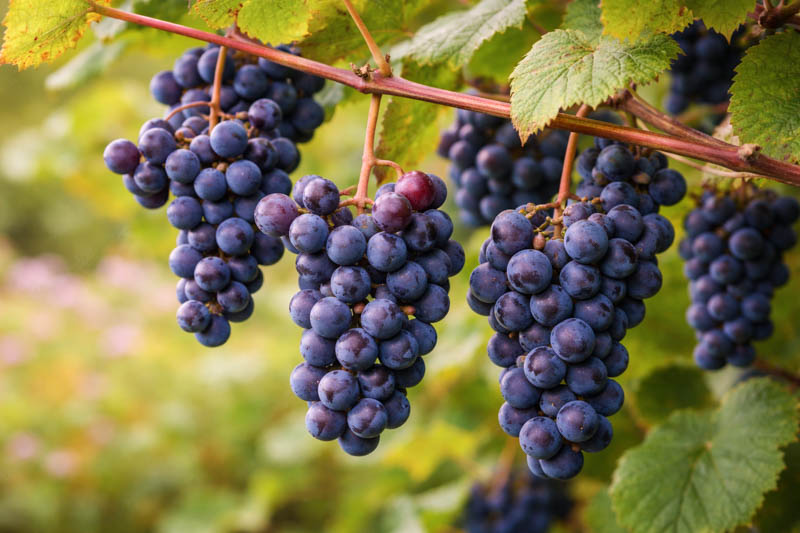
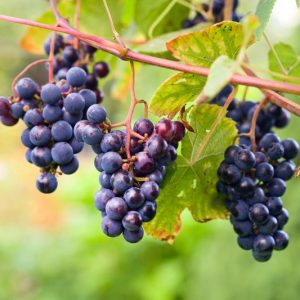
Fox Grape, Concord Grape, American Grape, Vitis labrusca, Northern Fox Grape, Skunk Grape, Slip-skin Grape, Grape

Best Vines for USDA Hardiness Zone 6 – Cold-Hardy Vertical Powerhouses for Trellises, Fences & Arbors

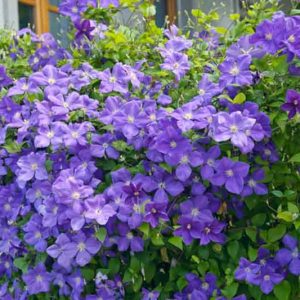
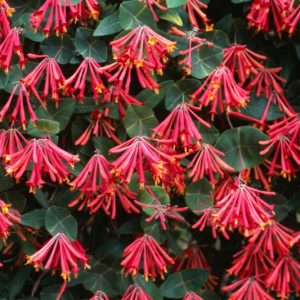
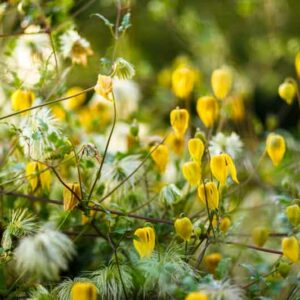
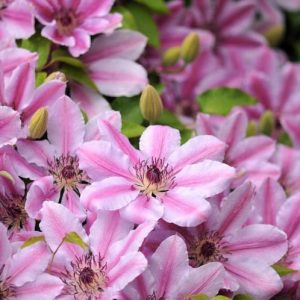
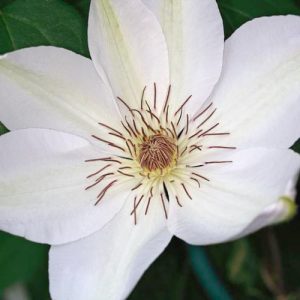
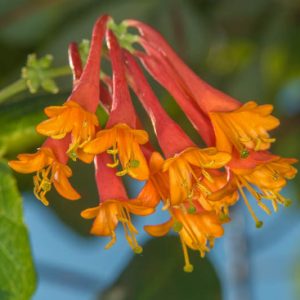
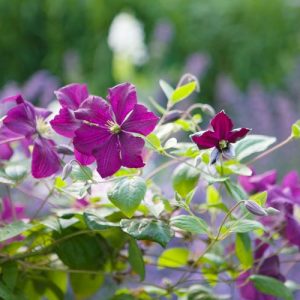
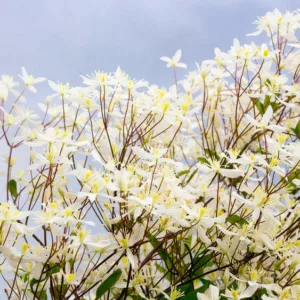
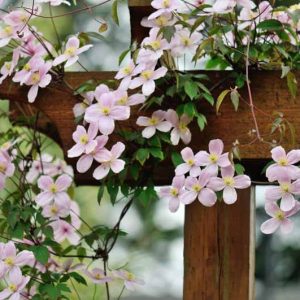
If you garden in USDA Hardiness Zone 6 — stretching across the Midwest, Mid-Atlantic, New England, and parts of the Pacific Northwest and Mountain West — you enjoy one of the most adaptable climates for climbing plants and vines in North America. Zone 6’s cold winters and warm summers support a remarkable range of climbers, from vigorous native vines like Lonicera sempervirens and Celastrus scandens to ornamental flowering choices such as Clematis (Jackmanii, viticella, Montana, Tangutica, Early Large-Flowered groups), scented honeysuckles, and bold foliage vines like Aristolochia macrophylla and hardy kiwis.

Success comes from choosing vines adapted to Zone 6’s freeze-thaw cycles, variable moisture, and shifting spring temperatures. Because this zone spans both humid and drier regions, your choice of climber should match your sun exposure, soil type, and the strength of your support structure — especially when growing assertive vines like hops, Virginia creeper, Vitis species, and vigorous clematis groups.

Whether your goal is showy summer flowers, cold-tolerant foliage cover, wildlife-friendly natives, or fast-growing privacy vines, Zone 6 provides a rich palette that brings vertical structure, seasonal color, and year-round beauty.

Important note: Avoid planting known invasive vines such as English ivy and Japanese honeysuckle. Choose instead the non-invasive clematis groups, American wisteria, trumpet honeysuckles, Vitis species, and ornamental foliage vines included in your Zone 6 list.

Zone 6 Vine Quick Start

  • Support matters – Twining vines like Clematis groups, Lathyrus latifolius, and Akebia need wires or lattice; clinging vines like Hydrangea anomala and Parthenocissus tricuspidata need masonry; scrambling vines like climbing roses and Celastrus scandens need tying.
  • Match vigor to garden size – Powerful growers such as hops, Virginia creeper, Vitis species, and Boston ivy suit large fences and walls; moderate growers like clematis, honeysuckles, and American wisteria fit porches and smaller spaces.
  • Use deciduous vines for seasonal color – Clematis groups, perennial sweet pea, climbing roses, Vitis coignetiae, and Parthenocissus provide spectacular foliage and flowers from spring to fall.
  • Choose wildlife-friendly vinesLonicera sempervirens, Lonicera periclymenum ‘Serotina’, Campsis radicans, Celastrus scandens, Passiflora incarnata, and Vitis species support hummingbirds, pollinators, and birds.
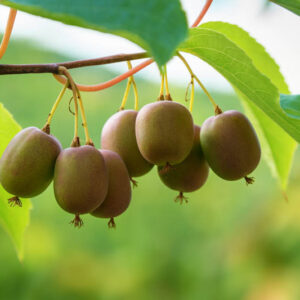
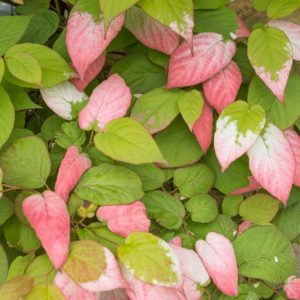
  • Think fruit and foliageActinidia arguta, Actinidia kolomikta, Vitis labrusca, and Passiflora incarnata combine edible or ornamental fruit with dense leaf cover.
  • Start with one plant per support – Many Zone 6 vines, especially grapes, hops, trumpet vine, and American bittersweet, grow faster than expected; generous spacing prevents tangles and reduces pruning.

Guide Information

Hardiness 6
Plant Type Climbers

Top Zone 6 Climbing Plants Every Gardener Should Grow

Zone 6 Vine Quick Comparison Table

Growing Condition Best Zone 6 Vines Growth Rate Notes
Full Sun Wisteria frutescens,
Actinidia arguta,
Actinidia kolomikta,
Lonicera sempervirens,
Rosa ‘New Dawn’,
Rosa ‘Zephirine Drouhin’,
Humulus lupulus,
Vitis labrusca,
Vitis coignetiae,
Parthenocissus tricuspidata,
Campsis radicans,
Bignonia capreolata
Fast–Very Fast Ideal for large fences, garages, and arbors where bold coverage, flowers, or fruit are desired.
Part Shade / Morning Sun Clematis (Jackmanii, viticella, Montana, Tangutica, Early Large-Flowered groups),
Akebia quinata,
Climbing hydrangea,
Climbing roses,
Lonicera periclymenum ‘Serotina’,
Lonicera x brownii ‘Dropmore Scarlet’,
Lathyrus latifolius
Moderate Perfect for porches, pergolas, and mixed borders where cool roots and gentle light boost flowering.
Shade / Woodland Edges Hydrangea anomala,
Decumaria barbara,
Schisandra chinensis,
Aristolochia macrophylla,
Clematis alpina ‘Pamela Jackman’
Slow–Moderate Outstanding for cool, moist microclimates needing refined foliage, subtle flowers, and steady coverage.
Dry or Thin Soil Parthenocissus quinquefolia,
Parthenocissus tricuspidata,
Lonicera sempervirens,
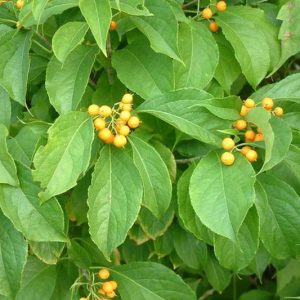
Celastrus scandens,
Wisteria frutescens,
Humulus lupulus
Moderate–Fast Excellent for tough banks, long fences, and privacy screens where soils are lean or drought-prone.

Before You Plant: Zone 6 Vine Cautions

  • Vitis species, hops, and Virginia creeper grow very rapidly and require large spaces and sturdy supports.
  • Hardy kiwi needs annual pruning and both male and female plants for fruiting.
  • Clematis groups require excellent drainage and mulched, cool roots to prevent stress and wilt.
  • American bittersweet is vigorous and needs strong structural support; plant female cultivars if berries are desired.
  • Climbing hydrangea becomes heavy with age—attach only to masonry structures.
  • Aristolochia macrophylla grows large foliage quickly; give it space and monitor weight on arbors.

Bottom line: Know the vigor and growth habit of each vine—many Zone 6 climbers grow fast and need thoughtful placement.

Top 10 Easiest Vines for Beginners in Zone 6

  • Clematis ‘Jackmanii’ – Reliable blooms and easy care.
  • Lonicera sempervirens – Native and hummingbird-friendly.
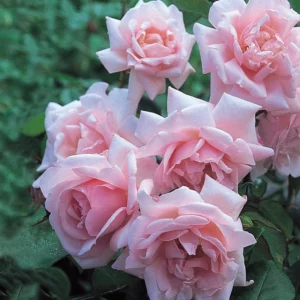
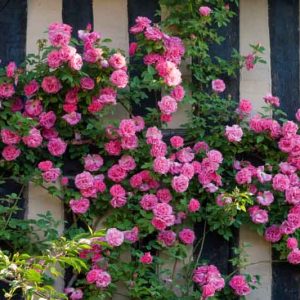
  • Rosa ‘New Dawn’ – A classic, cold-hardy climber.
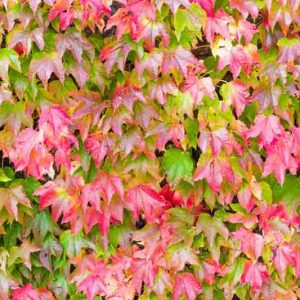
  • Parthenocissus quinquefolia – Fast, tough, and dramatic fall color.
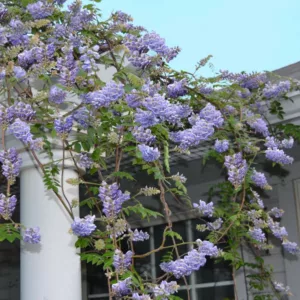
  • Wisteria frutescens – Non-invasive and floriferous.
  • Akebia quinata – Unique foliage and tolerant of shade.
  • Climbing hydrangea – Best performer for deep shade.
  • Actinidia arguta – Hardy kiwi with lush foliage.
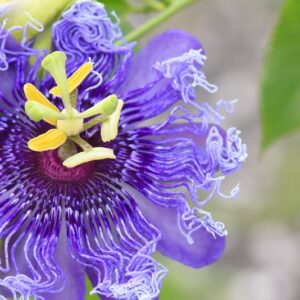
  • Passiflora incarnata (protected 6b) – Exotic blooms with native wildlife value.
  • Humulus lupulus – Fast-growing, ornamental hops for quick coverage.

Design Recipes for Stunning Zone 6 Vines

Pollinator Pergola

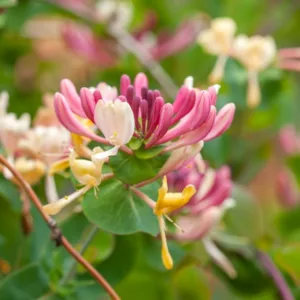
Combine Lonicera sempervirens, Lonicera x brownii ‘Dropmore Scarlet’, and Passiflora incarnata for a hummingbird highway, then weave in Clematis viticella Group for layered color from early summer to fall.

Cool-Climate Shade Wall

Clad a north- or east-facing wall with Hydrangea anomala subsp. petiolaris, then thread Decumaria barbara, Schisandra chinensis, and a few stems of Aristolochia macrophylla for lush foliage texture and four-season interest.

Fast Fence Coverage

For quick privacy, plant Parthenocissus quinquefolia and Parthenocissus tricuspidata along with Celastrus scandens and Humulus lupulus. This mix delivers rapid coverage, fall color, berries for birds, and a soft, naturalistic look.

Fruit & Foliage Feature

Train Actinidia arguta and Actinidia kolomikta over a sturdy arbor, then underplant with Vitis coignetiae and Vitis labrusca. You get lush summer shade, ornamental foliage, and a bonus of edible or wildlife-friendly fruit.

How to Plant & Care for Vines in Zone 6

  • Loosen soil deeply – Vines root far and wide; depth matters.
  • Mulch root zones – Protects against freeze-thaw and supports clematis health.
  • Train early – Young stems are flexible and easy to shape.
  • Water during establishment – Especially for sunny, windy sites.
  • Prune annually – Encourages bloom, airflow, and structure.

Explore More Zone 6 Plants

Plant Finder

Browse Garden Ideas

Frequently Asked Questions

What are the easiest vines to grow in USDA Zone 6?

Some of the easiest Zone 6 vines are Clematis ‘Jackmanii’ and viticella types, coral honeysuckle (Lonicera sempervirens), American wisteria, climbing hydrangea, and climbing roses like ‘New Dawn’. They are cold-hardy, long-lived, and perform well with basic care and proper supports.

Which vines grow fastest in Zone 6?

Campsis radicans, Bignonia capreolata, hops, Virginia creeper, Boston ivy, Vitis coignetiae, and hardy grapes such as Vitis labrusca are among the fastest growers. Given sun and average soil, they can cover a fence or pergola in just a couple of seasons.

What vines attract hummingbirds in Zone 6?

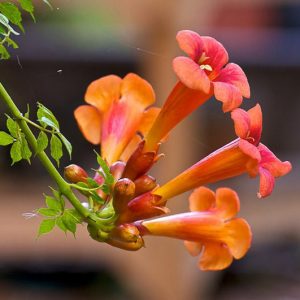
Trumpet honeysuckle, Late Dutch honeysuckle ‘Serotina’, Lonicera x brownii ‘Dropmore Scarlet’, trumpet vine, crossvine, and native passionflower (Passiflora incarnata) are outstanding hummingbird vines. Their tubular blooms provide reliable nectar from late spring into fall.

What vines grow well in shade in Zone 6?

Climbing hydrangea, Decumaria barbara, Schisandra chinensis, Aristolochia macrophylla, and some Clematis alpina and Montana Group cultivars thrive in part shade to bright shade. They offer handsome foliage and subtle flowers in spots where sun-loving vines struggle.

Are wisteria vines invasive in Zone 6?

Asian wisteria species can be invasive and difficult to control. For Zone 6, choose American wisteria (Wisteria frutescens) or Kentucky wisteria (Wisteria macrostachya). These are better-behaved, cold-hardy alternatives that still provide beautiful, fragrant blooms.

Which evergreen or semi-evergreen vines survive Zone 6 winters?

Most Zone 6 vines are deciduous, but in sheltered 6b microclimates, crossvine (Bignonia capreolata) and some honeysuckles can remain semi-evergreen. Even when they drop leaves, vines like Virginia creeper, Boston ivy, and climbing hydrangea still provide strong winter structure.

How do I prune vines in Zone 6?

Prune spring-blooming vines such as clematis Montana Group and some honeysuckles right after flowering. Summer and fall bloomers, including many large-flowered clematis, American wisteria, and vigorous growers like trumpet vine, are best pruned in late winter before new growth starts.

Updated: December 2025 • Reviewed by Gardenia Editors

Recommended Guides

30 Best Groundcovers for USDA Zone 6: Sun, Shade, Slopes, and Lawn Alternatives
Top Zone 6 Shade Perennials – Reliable, Hardy, Low-Maintenance
Top Zone 6 Full Sun Perennials – Color That Thrives in Heat & Cold
Best Shade Shrubs for USDA Zone 6 – 30 Woodland Winners for Low Light
Top Full Sun Shrubs for Zone 6: Hardy Sun-Loving Shrubs That Thrive
Best Plants and Landscaping Ideas for Hardiness Zone 6
Best Pollinator Plants for USDA Zone 6 – Top 30 Flowers for Bees, Butterflies & Hummingbirds
Best Deer-Resistant Plants for Zone 6: Shrubs, Perennials & Groundcovers
Best Drought-Tolerant Plants for Zone 6 – Top Shrubs, Perennials, and Groundcovers
While every effort has been made to describe these plants accurately, please keep in mind that height, bloom time, and color may differ in various climates. The description of these plants has been written based on numerous outside resources.

Guide Information

Hardiness 6
Plant Type Climbers

Related Items

Please Login to Proceed

You Have Reached The Free Limit, Please Subscribe to Proceed

Subscribe to Gardenia

To create additional collections, you must be a paid member of Gardenia
  • Add as many plants as you wish
  • Create and save up to 25 garden collections
Become a Member

Plant Added Successfully

Your garden is taking shape. Unlock full planning.

You’ve reached the free limit. Upgrade for $25/year to add as many plants as you wish and save up to 25 garden collections. Unlock Annual Membership

Update Your Credit
Card Information

Cancel

Create a New Collection

Sign Up to Our Newsletter

    You have been subscribed successfully

    Join Gardenia.net

    Create a membership account to save your garden designs and to view them on any device.

    Becoming a contributing member of Gardenia is easy and can be done in just a few minutes. If you provide us with your name, email address and the payment of a modest $25 annual membership fee, you will become a full member, enabling you to design and save up to 25 of your garden design ideas.

    Join now and start creating your dream garden!

    Join Gardenia.net

    Create a membership account to save your garden designs and to view them on any device.

    Becoming a contributing member of Gardenia is easy and can be done in just a few minutes. If you provide us with your name, email address and the payment of a modest $25 annual membership fee, you will become a full member, enabling you to design and save up to 25 of your garden design ideas.

    Join now and start creating your dream garden!
    Find your Hardiness Zone

    Find your Heat Zone

    Find your Climate Zone