Create Your Garden

Best Plants and Landscaping Ideas for Hardiness Zone 6

Designing a garden in Hardiness Zone 6 opens the door to endless possibilities. From hardy evergreens to vibrant perennials and wildlife-friendly natives, this guide walks you through the best plants, landscape layouts, and low-maintenance strategies to create a garden that shines in all four seasons.
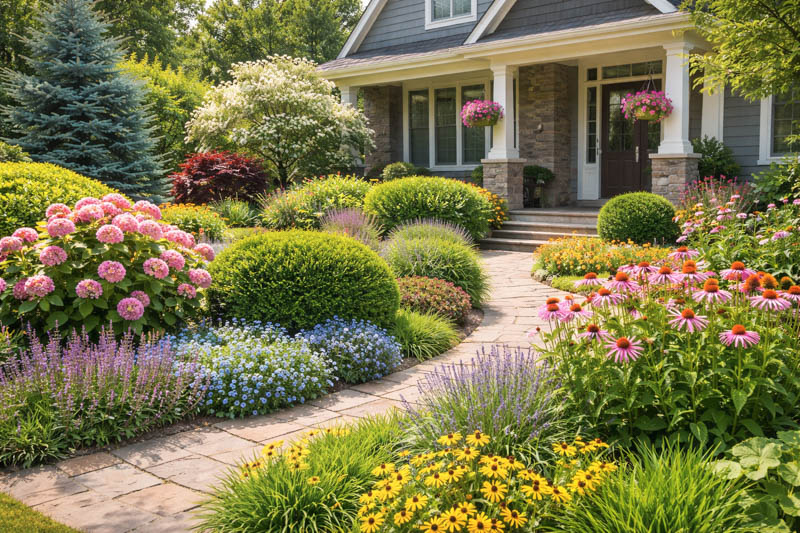
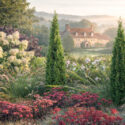
The image features a classic Zone 6-friendly front yard landscape with hydrangea, coneflower, black-eyed Susan, salvia or lavender, creeping phlox, boxwood, blue spruce, flowering dogwood or viburnum, Japanese maple, and ornamental grasses. These plants create a vibrant, layered, and seasonally rich garden.

Landscape and Garden Design for USDA Hardiness Zone 6

If you garden in USDA Hardiness Zone 6, you enjoy one of the most garden-friendly climates in the country. With minimum winter temperatures between -10 and 0°F, Zone 6 sits perfectly between northern cold and southern warmth, giving gardeners a wide selection of plants to work with. From cold-hardy evergreens to lush perennials, vibrant flowering shrubs, and productive edible gardens, this zone allows you to craft a landscape that evolves beautifully through all four seasons. By choosing plants adapted to your climate and designing with intention, you can create a garden that feels cohesive, resilient, and effortlessly stunning.

Understanding the Climate and Growing Rhythm of Zone 6

Zone 6 gardeners experience genuine winter chill, warm summers, and long, pleasant springs and autumns. The frost-free window is generous enough for vegetables, annuals, and tender ornamentals, yet winters are cold enough to support many classic deciduous trees and perennials. Spring tends to arrive slowly but beautifully, fall colors are spectacular, and many plants thrive thanks to the balanced seasonal cycle.

This climate makes it possible to layer your garden for color, structure, and texture nearly year-round. Understanding bloom times and seasonal interest helps you design beds that never look dull, even in the quieter winter months.

The Foundation of Good Landscape Design

Before planting, think about what you want your Zone 6 landscape to express. Are you dreaming of a pollinator-rich cottage garden? A clean-lined, low-maintenance design? A woodland-inspired retreat? A productive edible landscape that blends beauty and harvest?

The strongest Zone 6 designs follow these principles:
  • Unity: Repeat colors, forms, or materials for visual cohesion.
  • Balance: Create intentional symmetry or natural asymmetry that feels anchored.
  • Proportion: Choose plants sized appropriately for beds, walkways, and structures.
  • Climate Harmony: Use plants proven to thrive in Zone 6 for better resilience and lower maintenance.

Best Trees for USDA Zone 6 Landscapes

Trees set the tone for your garden. They provide shade, privacy, wildlife habitat, and strong visual structure. Zone 6 is ideal for both flowering ornamentals and classic shade trees.

Top tree choices include:

  • Sugar Maple: Famous for brilliant fall color and long-lasting structure.
  • Flowering Dogwood: A four-season favorite with spring blossoms and red fall fruits.
  • Ginkgo: Ancient, hardy, and stunning in golden fall color.
  • Ornamental Crabapple: Spring flowers, colorful fruit, and wildlife appeal.
  • Blue Spruce: Provides year-round structure with striking blue needles.

Essential Shrubs and Evergreens for Year-Round Appeal

Shrubs add volume, privacy, and seasonal interest. Zone 6 supports an enormous variety of flowering and evergreen shrubs.

Great shrubs for Zone 6 include:

  • Hydrangea: Especially panicle and smooth types, which thrive even in colder winters.
  • Winterberry Holly: Bright red berries shine through winter.
  • Ninebark: Attractive peeling bark and colorful foliage varieties.
  • Boxwood: Perfect for structure, edging, and evergreen interest.
  • Spirea: Tough, colorful, and dependable bloomers.

Perennials and Groundcovers for Long-Term Beauty

Perennials are the backbone of long-lasting color in Zone 6 landscapes. They return each year and often bloom from spring through late fall.

Popular Zone 6 perennials:

  • Coneflower: Hardy, drought-tolerant, and excellent for pollinators.
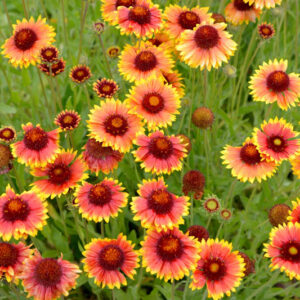
  • Black-Eyed Susan: The quintessential North American wildflower.
  • Catmint: Soft lavender-blue flowers that bloom for months.
  • Hosta: Ideal for shade gardens with lush foliage textures.
  • Salvia: Pollinator-friendly and long-blooming.

For low-growing groundcovers, consider:

🔎 Discover More Zone 6 Plants

🔎 Plant Finder

Designing Garden Beds for Maximum Impact

Layer your garden beds by height to create depth and flow. Place tall shrubs or ornamental grasses in the back, mid-sized perennials in the center, and low-growing plants at the front. Curved bed lines feel more natural and soften the landscape. Combine plants with contrasting textures like feathery grasses and bold hosta leaves to maximize visual interest.

Incorporating Hardscape for Structure and Function

Hardscaping in Zone 6 can be both beautiful and practical. Consider:

  • Stone pathways or stepping stones
  • Patios and seating areas
  • Retaining walls for sloped yards
  • Pergolas or arbors for climbing plants
  • Raised beds for improved soil control

Natural materials like wood, stone, and gravel blend seamlessly with Zone 6’s plant palette.

Water Features and Wildlife-Friendly Additions

Even small water features add movement, sound, and serenity. A simple birdbath can transform a garden into a wildlife haven.

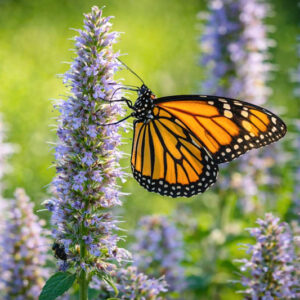
Zone 6 supports lush wildlife-friendly landscapes with native plants such as coneflower, milkweed, and coreopsis. These attract bees, butterflies, birds, and other beneficial insects.

Edible Gardening in Zone 6

Zone 6 offers a long enough growing season to enjoy abundant fruits and vegetables. Popular edible choices include:

Raised beds, containers, and edible landscaping techniques blend function with curb appeal.

Low-Maintenance Strategies for Busy Gardeners

You can enjoy a thriving Zone 6 garden with minimal upkeep if you focus on:

  • Drought-tolerant plants
  • Generous mulching to retain moisture and suppress weeds
  • Group plantings for better visual impact and easier care
  • Drip irrigation systems for efficient watering

Seasonal Care Tips for Zone 6 Landscapes

  • Spring: Prune, fertilize, mulch, and divide perennials.
  • Summer: Water deeply during heat waves and deadhead spent blooms.
  • Fall: Ideal time to plant trees and shrubs.
  • Winter: Protect tender plants with mulch and enjoy evergreen structure.

Browse Garden Ideas for Zone 6

Guide Information

Hardiness 6
Plant Type Annuals, Perennials, Shrubs, Trees

Garden Examples

A Terrific Duo to Try: Achillea and Festuca
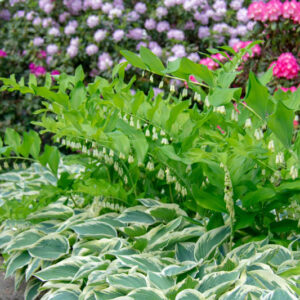
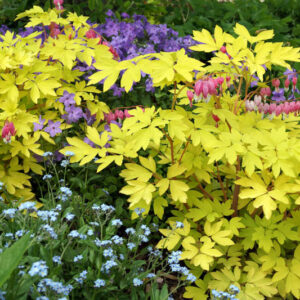
Elegant Shade Garden with Solomon’s Seal, Hosta, and Rhododendron
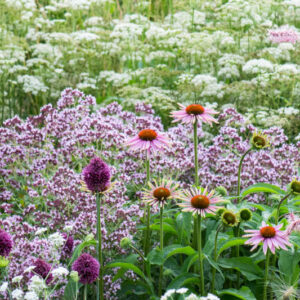
Herb Garden: Coneflowers, Anise, Oregano
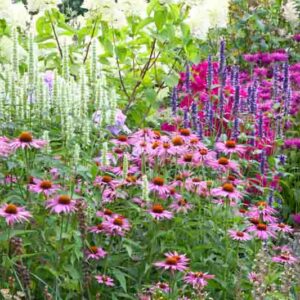
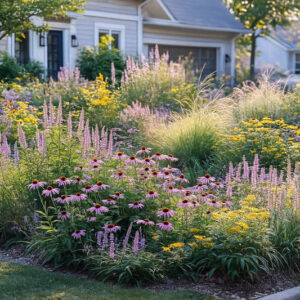
A Cheerful Border Idea with Monarda, Agastache and Echinacea
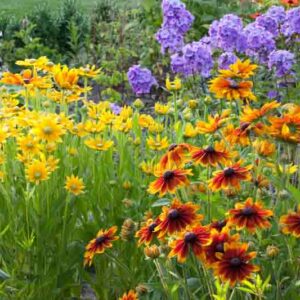
A Glowing Perennial Planting Idea with Rudbeckias and Garden Phlox
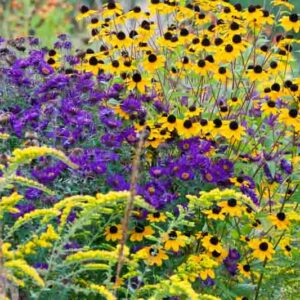
A Terrific Fall Border with Asters, Solidago and Rudbeckia
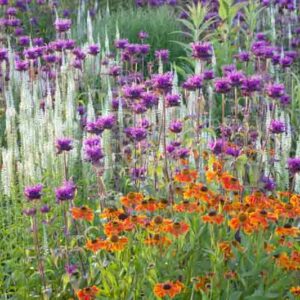
A Sparkling Summer Border Idea with Helenium, Monarda and Veronica
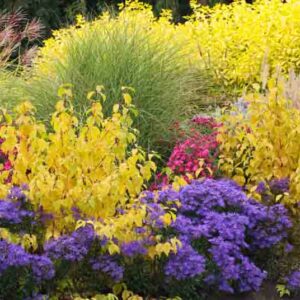
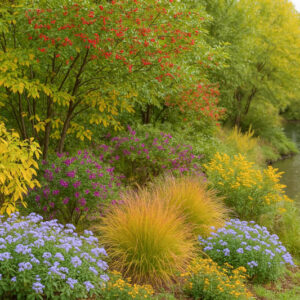
A Glowing Fall Border with Asters, Dogwood and Grasses
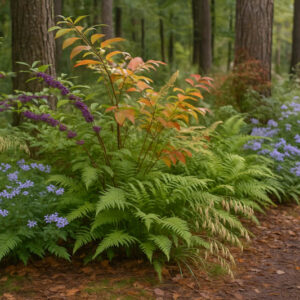
Shaded Woodland Border with Ferns & Beautyberry
A Pretty Shade Garden with Forget-Me-Not and Bleeding Hearts
Bird-Friendly Creekside Border
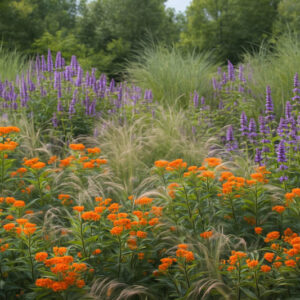
Pollinator Drift: Asclepias, Agastache & Flowing Grasses
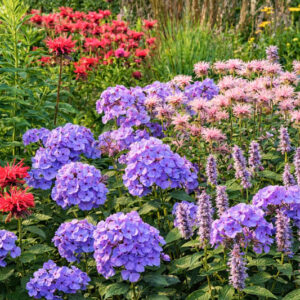
Summer Pollinator Border with Bee Balm, Garden Phlox, and Hyssop
Front-Yard Prairie Drift: Airy Color, Native Texture
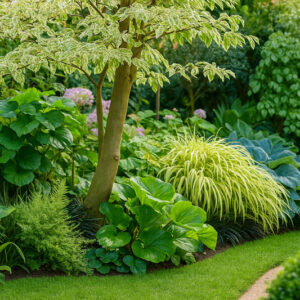
Woodland Border with Bergenia, Japanese Forest Grass, and Black Mondo Grass
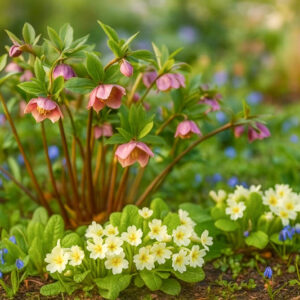
Early Spring Garden with Hellebores, Primroses, and Siberian Squill
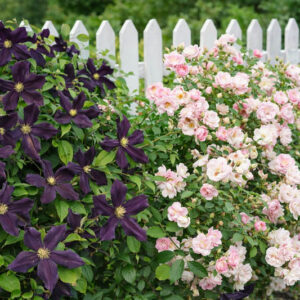
A Romantic Fence Garden with Roses and Climbing Clematis
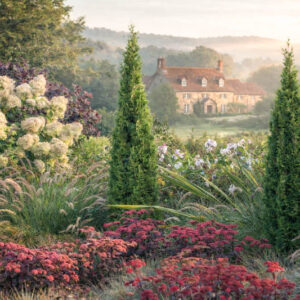
Elegant Garden Design with Hydrangeas, Evergreens, and Grasses
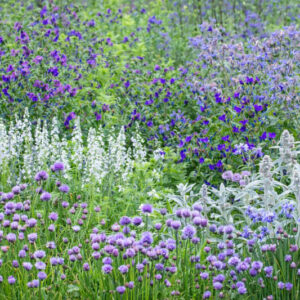
A Pollinator-Friendly Blue Garden Using Echium and Chives
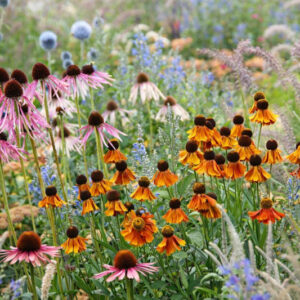
Vibrant Summer Meadow Border with Helenium, Echinops and Echinacea
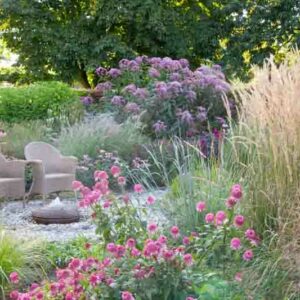
A Fabulous Garden Retreat where to Relax!

Recommended Guides

Best Pollinator Plants for USDA Zone 6 – Top 30 Flowers for Bees, Butterflies & Hummingbirds
Best Deer-Resistant Plants for Zone 6: Shrubs, Perennials & Groundcovers
Best Drought-Tolerant Plants for Zone 6 – Top Shrubs, Perennials, and Groundcovers
30 Best Vines for Zone 6: Cold-Hardy Climbers for Stunning Vertical Gardens
30 Best Groundcovers for USDA Zone 6: Sun, Shade, Slopes, and Lawn Alternatives
Top Zone 6 Shade Perennials – Reliable, Hardy, Low-Maintenance
Top Zone 6 Full Sun Perennials – Color That Thrives in Heat & Cold
Best Shade Shrubs for USDA Zone 6 – 30 Woodland Winners for Low Light
Top Full Sun Shrubs for Zone 6: Hardy Sun-Loving Shrubs That Thrive
While every effort has been made to describe these plants accurately, please keep in mind that height, bloom time, and color may differ in various climates. The description of these plants has been written based on numerous outside resources.

Guide Information

Hardiness 6
Plant Type Annuals, Perennials, Shrubs, Trees

Related Items

Please Login to Proceed

You Have Reached The Free Limit, Please Subscribe to Proceed

Subscribe to Gardenia

To create additional collections, you must be a paid member of Gardenia
  • Add as many plants as you wish
  • Create and save up to 25 garden collections
Become a Member

Plant Added Successfully

Your garden is taking shape. Unlock full planning.

You’ve reached the free limit. Upgrade for $25/year to add as many plants as you wish and save up to 25 garden collections. Unlock Annual Membership

Update Your Credit
Card Information

Cancel

Create a New Collection

Sign Up to Our Newsletter

    You have been subscribed successfully

    Join Gardenia.net

    Create a membership account to save your garden designs and to view them on any device.

    Becoming a contributing member of Gardenia is easy and can be done in just a few minutes. If you provide us with your name, email address and the payment of a modest $25 annual membership fee, you will become a full member, enabling you to design and save up to 25 of your garden design ideas.

    Join now and start creating your dream garden!

    Join Gardenia.net

    Create a membership account to save your garden designs and to view them on any device.

    Becoming a contributing member of Gardenia is easy and can be done in just a few minutes. If you provide us with your name, email address and the payment of a modest $25 annual membership fee, you will become a full member, enabling you to design and save up to 25 of your garden design ideas.

    Join now and start creating your dream garden!
    Find your Hardiness Zone

    Find your Heat Zone

    Find your Climate Zone