Create Your Garden

Monarch Nectar Plants for Mississippi

Grow Mississippi monarch habitat with native nectar plants. Plant by season, save water, and fuel migration in your yard.
Monarch Butterflies, Monarch Plants, Pollinator Plants, Butterfly Plants, Hummingbird Plants, Bee Plants, Southeast Plants, Mississippi Native Plants, Native Plants

Monarch Nectar Plants for Mississippi: A Bloom by Bloom Guide

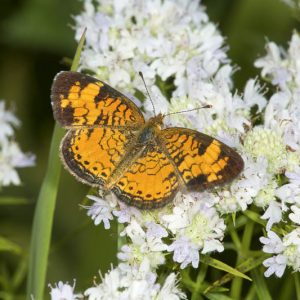
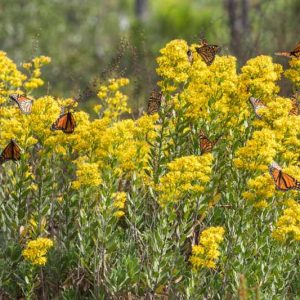
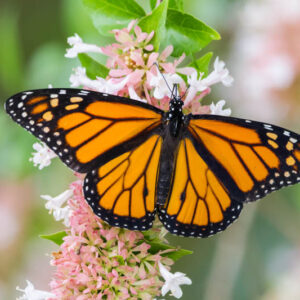
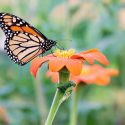
Monarchs glide through Mississippi from spring through fall, and with a little planning your yard can be their favorite fuel stop. The recipe is simple: pair a few native milkweeds for the caterpillars with a long parade of nectar plants for the adults. Plant in sunny clumps, stagger bloom times across the seasons, and skip pesticides. The payoff is real pollinator traffic and a garden that feels alive.

Mississippi Monarch Garden at a Glance

  • Start with native milkweed that fits your site. Butterfly milkweed for dry spots, swamp milkweed for moist soil, whorled milkweed for tough, lean ground.
  • Bloom all season from spring through late fall so nectar never runs out when monarchs are on the move.
  • Plant in clumps of 3 to 5 or more of the same species so butterflies can tank up without hunting.
  • Go pesticide free. Ask nurseries about systemic insecticides before you buy, and avoid plants treated with neonics.

Milkweed First

Milkweed is the nursery for monarch caterpillars, so tuck region friendly species into the sunniest beds and borders. In Mississippi gardens, three reliable choices are:

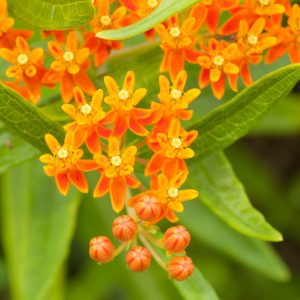
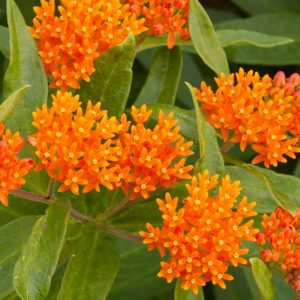
  • Butterfly milkweed (Asclepias tuberosa) – a drought smart perennial for sandy or well drained soils with blazing orange to yellow bloom in late spring and summer. Its low water needs make it perfect for hot sites and curbside strips.
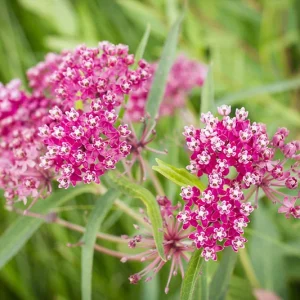
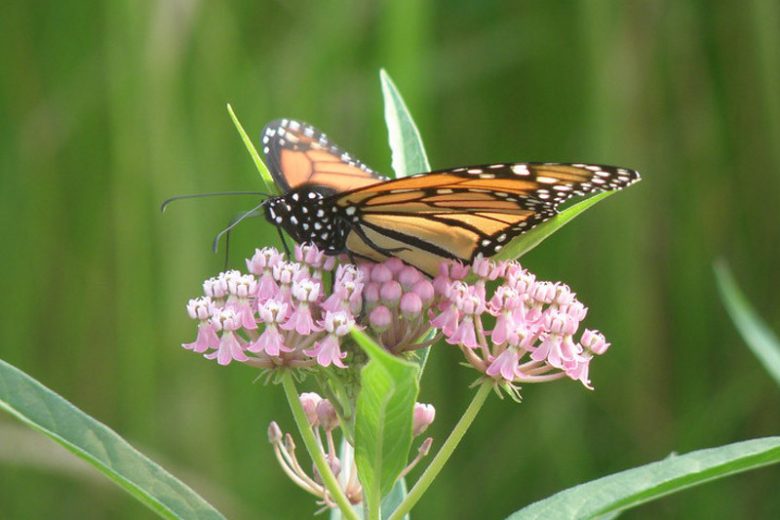
  • Swamp milkweed (A. incarnata) – thrives in moist to medium soils, from rain gardens to low swales. Summer pink blooms are nectar rich and pair well with taller fall flowers.
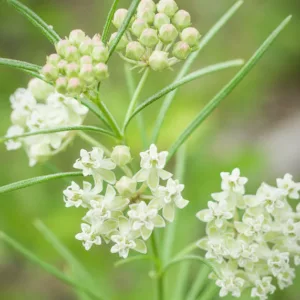
  • Whorled milkweed (A. verticillata) – fine textured, tough, and friendly to dry, lean sites. The airy white flowers support nectar seekers and the foliage hosts hungry caterpillars.
A note about tropical milkweed (Asclepias curassavica)
  • It is not native in Mississippi. In mild climates it can persist all winter and encourage off season breeding.
  • Winter breeding can increase parasite pressure from the protozoan Oe. Choose native milkweeds for healthier migrations.
  • Already have tropical milkweed? Replace it with natives, or cut it to the ground in winter while you transition your garden.

Nectar All Season

Monarchs are present in the Southeast from April through November, so think in waves. Give them early fuel, summer abundance, and fall power foods for migration. Use this Mississippi friendly menu to keep nectar flowing without gaps.

Spring kick off – Wake up the garden with nectar that opens early and bridges to summer:

  • Frostweed (Verbesina virginica) – sturdy white blooms that draw monarchs and a host of native bees. It naturalizes into graceful clumps.
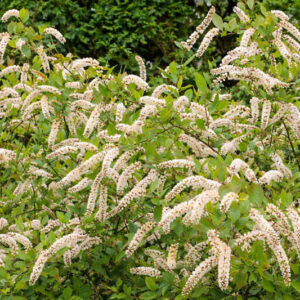
  • Virginia sweetspire (Itea virginica) – a handsome shrub with bottlebrush flowers for early nectar and fiery fall color that looks great near water features.
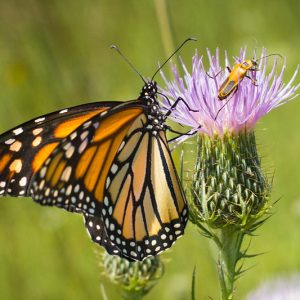
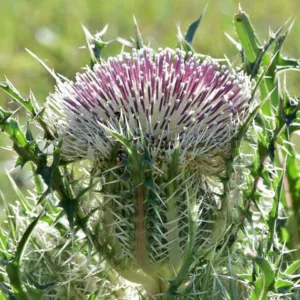
  • Bristle or yellow thistle (Cirsium horridulum) – a wildlife hero that supports butterflies and native bees. Use where you can give it space and let it shine.
  • Butterfly milkweed (Asclepias tuberosa) – doubles as host plant and nectar station in sunny, well drained spots.

Summer fuel – Layer heights and textures so monarchs have options in heat:

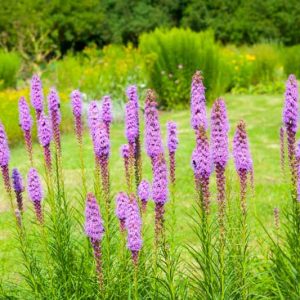
  • Spiked blazing star (Liatris spicata) – vertical purple wands that pull in butterflies, bees, and even hummingbirds. Great in drifts behind shorter plants.
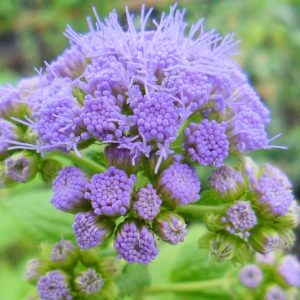
  • Blue mistflower (Conoclinium coelestinum) – a soft blue cloud for borders and rain garden edges. It spreads by rhizomes, so give it a corner to fill.
  • Slender mountainmint (Pycnanthemum tenuifolium) – cool white bloom and a soft minty fragrance that draws a parade of pollinators all day long.
  • Purple coneflower (Echinacea purpurea) – generous pink to purple daisies that carry nectar through summer and offer seed for goldfinches later.
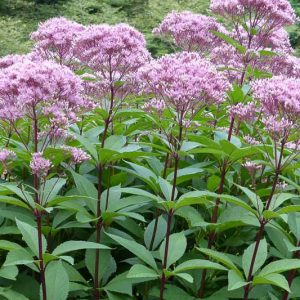
  • Joe Pye weed (Eutrochium fistulosum) – tall, moisture loving, and packed with nectar. Use in the back row of a rain garden for summer traffic.

Fall top ups – Monarchs gear up for migration, and Mississippi fall bloomers deliver the high octane nectar they need:

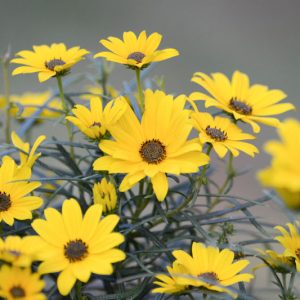
  • Narrowleaf sunflower (Helianthus angustifolius) – a fall champion with sprays of yellow flowers. It is one of the latest blooming sunflower species and a key fuel source.
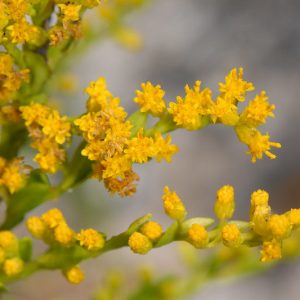
  • Showy goldenrod (Solidago speciosa) – upright and dramatic, great in average to dry soils. Pair with purple asters for classic fall color.
  • Seaside goldenrod (Solidago sempervirens) – excellent for coastal counties and sandy soils. Tolerates salt spray and wind, and supports migrating butterflies along the Gulf.
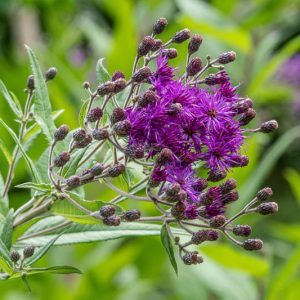
  • Giant ironweed (Vernonia gigantea) – tall purple fireworks that light up late summer into fall. Cut back in early summer if you want a shorter show.
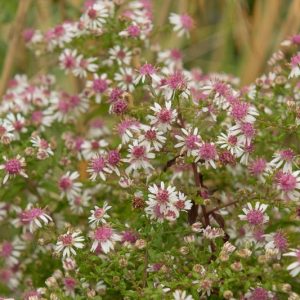
  • Calico aster (Symphyotrichum lateriflorum) – tiny white blooms with purple to rose centers that become a living cloud of insects in September and October.

Wet feet winners – If you have low spots, ditches, or rain garden basins, lean into moisture lovers:

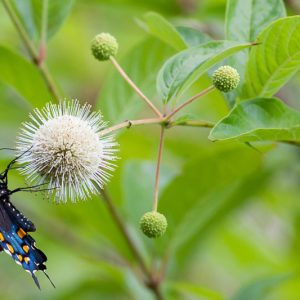
  • Buttonbush (Cephalanthus occidentalis) – a native shrub with spherical, fragrant flowers that magnetize butterflies. Perfect for pond edges and wet corners.
  • Smooth beggartick (Bidens laevis) – a wetland annual that throws sunny flowers until frost. Excellent late nectar for monarchs.
  • Swamp milkweed (Asclepias incarnata) – a must for any rain garden list. Plant in groups and pair with blue mistflower for a long season of bloom.

Guide Information

Genus Asclepias
Native Plants Mississippi, Southeast, United States
Attracts Birds, Butterflies, Hummingbirds

Best Monarch Nectar Plants for Mississippi Gardens

Asclepias tuberosa (Butterfly Milkweed)
Asclepias incarnata (Swamp Milkweed)
Asclepias verticillata (Whorled Milkweed)
Cephalanthus occidentalis (Buttonbush)
Cirsium discolor (Field Thistle)
Conoclinium coelestinum (Blue Mistflower)
Eutrochium fistulosum (Joe-Pye Weed)
Cirsium horridulum (Bull Thistle)
Itea virginica (Virginia Sweetspire)
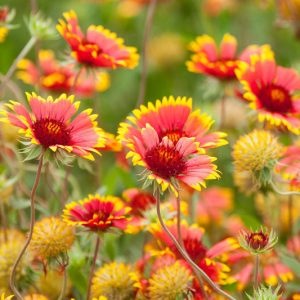
Gaillardia pulchella (Firewheel)
Pycnanthemum tenuifolium (Narrowleaf Mountain Mint)
Symphyotrichum lateriflorum var. horizontale (Horizontal Calico Aster)
Liatris spicata (Blazing Star)
Baccharis halimifolia (Eastern Baccharis)
Helianthus angustifolius (Swamp Sunflower)
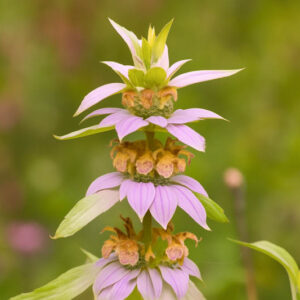
Monarda punctata (Spotted Bee Balm)
Solidago sempervirens (Seaside Goldenrod)
Solidago speciosa (Showy Goldenrod)
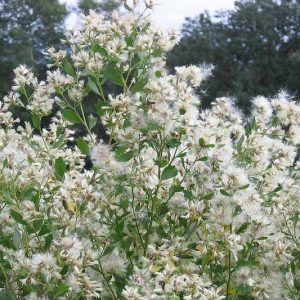
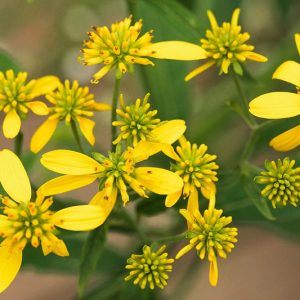
Verbesina alternifolia (Wingstem)
Vernonia gigantea (Giant Ironweed)
Echinacea purpurea (Purple Coneflower)
Bidens laevis (Smooth Beggartick)
Verbesina virginica (Frostweed)
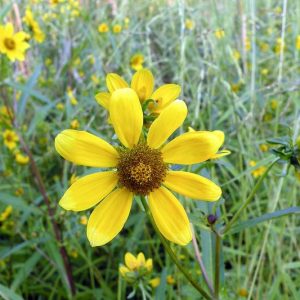
Rudbeckia hirta (Black-Eyed Susan)

Planting by Place

Coastal yards – Choose wind and salt tolerant nectar plants and shrubs. Start with eeaside goldenrod, eastern baccharis, and buttonbush, then weave in blue mistflower for a late blue haze. These picks stand up to spray and sand while feeding monarchs during fall flights along the Gulf corridor.

Bottomland edges and rain catchers – Low ground that stays damp after storms is prime real estate for swamp milkweed, Joe Pye weed, smooth beggartick, and Virginia sweetspire. Place them near downspouts, swales, or French drain outlets to create a nectar station that drinks up excess water.

Dry, sunny beds and roadside strips – Mississippi heat and sun reward tough bloomers like butterfly milkweed, slender mountainmint, purple coneflower, showy goldenrod, and giant ironweed. Mix heights, repeat in groups, and mulch lightly with pine straw to keep roots cool.

Urban patios and small spaces – Use big pots with fast draining mix. Try a trio of spiked blazing star, butterfly milkweed, and blue mistflower. Add a shallow saucer with pebbles for safe pollinator sipping and you have a balcony sized oasis that monarchs will spot from the air.

Top 16 Starter Plants for Mississippi Monarch Gardens

Pick one milkweed that fits your soil and a half dozen nectar partners that bloom from spring to late fall.

  • MilkweedsAsclepias tuberosa for dry, A. incarnata for moist, A. verticillata for tough lean ground.
  • Spring to summer – frostweed, Virginia sweetspire, butterfly milkweed, slender mountainmint, purple coneflower.
  • Summer to fall – blue mistflower, spiked blazing star, Joe Pye weed, giant ironweed.
  • Late season anchors – narrowleaf sunflower, showy goldenrod, seaside goldenrod, calico aster.
  • Wet site allies – buttonbush, smooth beggartick.

Care that Helps Monarchs

  • Plant in clumps of 3 to 5 of the same species. Big targets help butterflies feed efficiently.
  • Water deeply at planting, then let soil rest between soakings to encourage deeper roots.
  • Mulch 2 to 3 inches to hold moisture and reduce weeds, keeping mulch a few inches away from plant crowns.
  • Skip the spray. Avoid insecticides and ask suppliers if plants were treated with systemics. If the answer is fuzzy, shop elsewhere.
  • Leave some stems over winter. Hollow stems and seed heads shelter beneficial insects and provide natural food.

Small Space Recipes

  • Sunny strip – butterfly milkweed with spiked blazing star and a drift of blue mistflower to cover the shoulder seasons.
  • Patio pot trio – slender mountainmint as the filler, butterfly milkweed as the thriller, and blue mistflower as the spiller. Trim mistflower if it gets too eager.
  • Rain garden corner – swamp milkweed and Joe Pye weed backed by buttonbush, with smooth beggartick for a late season glow.

Quick Plant Picker

  • Full sun, dry – butterfly milkweed, slender mountainmint, purple coneflower, showy goldenrod.
  • Sun to part sun, moist – swamp milkweed, blue mistflower, Joe Pye weed, buttonbush, smooth beggartick.
  • Coastal – seaside goldenrod, eastern baccharis, buttonbush, blue mistflower.
  • Containers and patios – spiked blazing star, butterfly milkweed, blue mistflower.
Quick tips for Mississippi pollinator success ▾
  • Prep new beds with compost to improve moisture holding without creating soggy roots.
  • Plant in fall or very early spring so roots expand during cooler months, then cruise through summer heat.
  • Shear or deadhead summer bloomers to trigger a bonus flush of nectar in late season.
  • Leave some leaf litter in out of the way corners to shelter beneficial insects.

Neighborhood Friendly Notes

Keep it tidy and wild – Edge beds with a neat border and repeat plant groupings so your wildflowers read as intentional. A small sign that says Monarch Habitat or Pesticide Free invites curiosity and reduces well meaning interference.

Mind the spreaders – Blue mistflower and eastern baccharis can wander with happiness. Thin mistflower in spring and place baccharis where a large, late blooming shrub will not overwhelm small neighbors.

Right plant, right water – Mississippi swings between cloudbursts and dry spells. Place moisture lovers in shallow basins and reserve higher, sandy spots for the drought tolerant clan like butterfly milkweed, mountainmints, and goldenrods.

Why Native Plants and Why Pesticide Free

Native plants match Mississippi soils and climate, support more insect diversity than most non natives, and usually need less fuss once established. While monarchs will nectar on many flowers, native species feed a whole web of life, from specialist bees to birds that depend on insect protein for their young.

Just as important, avoid systemic insecticides that move into leaves and nectar. Monarch caterpillars and adult butterflies are vulnerable to those residues. Always ask if nursery plants were treated, and choose pesticide free stock whenever possible.

Frequently Asked Questions

When do monarchs migrate through Mississippi?

Spring (March–April) heading north, and fall (late September–November) heading south. Fall bloom is especially important for fueling their long flight.

What are the best native milkweeds for Mississippi?

Butterfly weed (Asclepias tuberosa), swamp milkweed (A. incarnata), aquatic milkweed (A. perennis), pinewoods/sandhill milkweed (A. humistrata), and white milkweed (A. variegata). Match species to your site.

Do I need milkweed AND nectar flowers?

Yes. Milkweed is the host for caterpillars; abundant, season-long nectar flowers feed migrating and breeding adults.

What should I plant for peak fall nectar?

Goldenrods (Solidago spp.), native asters (Symphyotrichum spp.), blazing stars (Liatris spp.), ironweed (Vernonia), and swamp sunflower (Helianthus angustifolius)

Which nectar plants handle Gulf Coast conditions?

Seaside goldenrod (Solidago sempervirens), dune sunflower (where native), beach morning-glory (for cover), and salt-tolerant asters/gaillardias. Choose local ecotypes when possible.

My site is dry and sandy—what works?

Butterfly weed (A. tuberosa), pinewoods milkweed (A. humistrata), dotted horsemint (Monarda punctata), native salvias, black-eyed Susan, and narrowleaf/rough goldenrods.

Can I grow monarch plants in containers?

Yes—use large, well-drained pots. Try swamp milkweed, blue mistflower, lanceleaf coreopsis, and blazing star. Keep containers evenly moist in summer.

Do monarchs use garden cultivars?

They’ll sip nectar from many flowers, but locally native species (preferably local ecotypes) provide the best ecological match and bloom timing.

Are pesticides a problem?

Yes. Avoid insecticides (especially neonicotinoids) and broad-spectrum sprays. Even “natural” products can harm butterflies and bees.

What about deer and maintenance?

Milkweeds are usually deer-resistant; liatris and goldenrod are tough. Deadhead if you want fewer self-sown seedlings; leave some seed for birds.

Explore more Mississippi picks on Gardenia and use these plants to tune your yard for spring through fall bloom.

Recommended Guides

Monarch Butterfly
Grow Milkweed, Save Monarch Butterflies: A Step-by-Step Guide
Great Pollinator Plants for Mississippi
The Ultimate Guide to Native Plants for a Beautiful Garden
The Ultimate Guide to Wildlife-Friendly Plants for a Beautiful Garden
How to Create an Enchanting Butterfly Garden
Butterflies Unveiled: A Host Plant Love Story in Your Garden
30 Fascinating Butterfly Facts You Need to Know
Save Monarch Butterflies with these Milkweed Plants
Compare All Asclepias (Milkweed)
Compare Now
Explore Great Plant Combination Ideas
Asclepias (Milkweed)
Explore Great Plant Combination Ideas
Middle South Lower South
While every effort has been made to describe these plants accurately, please keep in mind that height, bloom time, and color may differ in various climates. The description of these plants has been written based on numerous outside resources.

Guide Information

Genus Asclepias
Native Plants Mississippi, Southeast, United States
Attracts Birds, Butterflies, Hummingbirds
Compare All Asclepias (Milkweed)
Compare Now
Explore Great Plant Combination Ideas
Asclepias (Milkweed)
Explore Great Plant Combination Ideas
Middle South Lower South

Related Items

Please Login to Proceed

You Have Reached The Free Limit, Please Subscribe to Proceed

Subscribe to Gardenia

To create additional collections, you must be a paid member of Gardenia
  • Add as many plants as you wish
  • Create and save up to 25 garden collections
Become a Member

Plant Added Successfully

Your garden is taking shape. Unlock full planning.

You’ve reached the free limit. Upgrade for $25/year to add as many plants as you wish and save up to 25 garden collections. Unlock Annual Membership

Update Your Credit
Card Information

Cancel

Create a New Collection

Sign Up to Our Newsletter

    You have been subscribed successfully

    Join Gardenia.net

    Create a membership account to save your garden designs and to view them on any device.

    Becoming a contributing member of Gardenia is easy and can be done in just a few minutes. If you provide us with your name, email address and the payment of a modest $25 annual membership fee, you will become a full member, enabling you to design and save up to 25 of your garden design ideas.

    Join now and start creating your dream garden!

    Join Gardenia.net

    Create a membership account to save your garden designs and to view them on any device.

    Becoming a contributing member of Gardenia is easy and can be done in just a few minutes. If you provide us with your name, email address and the payment of a modest $25 annual membership fee, you will become a full member, enabling you to design and save up to 25 of your garden design ideas.

    Join now and start creating your dream garden!
    Find your Hardiness Zone

    Find your Heat Zone

    Find your Climate Zone