Create Your Garden

Monarch Nectar Plants for Louisiana

Build a Louisiana monarch haven with native milkweeds and nectar stars. Seasonal picks that fuel migration and brighten gardens.
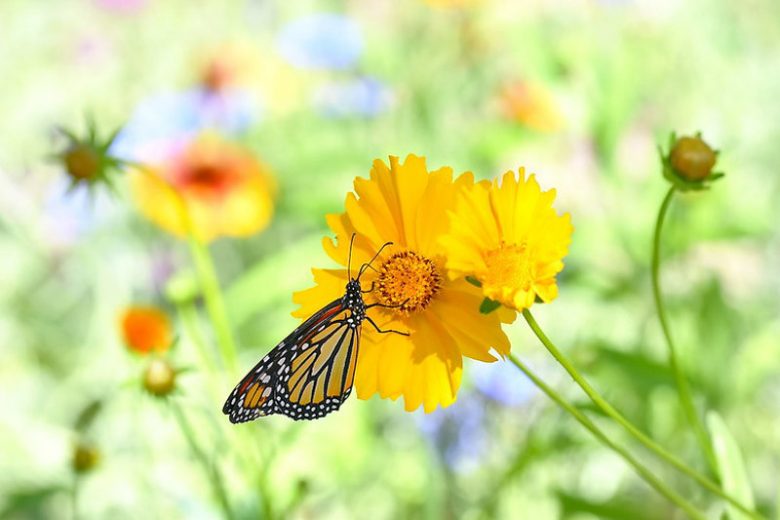
Monarch Butterflies, Monarch Plants, Pollinator Plants, Butterfly Plants, Hummingbird Plants, Bee Plants, Southeast Plants, Louisiana Native Plants, Native Plants

Monarch Nectar Plants for Louisiana: A Bloom-by-Bloom Game Plan

Louisiana sits on the southern end of the Southeast monarch flyway, where coastal prairies, pine flatwoods, bottomland hardwoods, and marshes create a crucial refueling zone for butterflies. If you want to boost monarch traffic in your yard, the recipe is simple and fun: pair native milkweeds for caterpillars with a steady parade of nectar flowers from spring through frost. Below you will find every monarch friendly nectar plant featured in the Xerces Society’s Southeast guide, translated into a practical, Louisiana centered plan. A few species are coastal specialists that love sandy soils or tolerate salt spray, and you will see them noted so you can match them to your site from the piney woods to the bayou.

Louisiana Monarch Garden at a Glance

  • Right state, right list – these species come from the Xerces Southeast region guide and are reliable nectar picks for Louisiana’s climate.
  • Start with native milkweed – use Asclepias tuberosa (butterfly weed), A. incarnata (swamp milkweed), and A. verticillata (whorled milkweed) to support the caterpillars that become your fall migrants.
  • Layer bloom across seasons – mix early, mid, and late flowers so adults can refuel from March through November in our long growing season.
  • Plant in generous clumps – drifts of one species are easier for monarchs to find than scattered singles, and they look great along fences, ditches, and sunny borders.
  • Go pesticide free – avoid systemic insecticides, and always ask nurseries about treatments before you buy.

Milkweed First

Milkweed is the nursery for monarch caterpillars. In Louisiana conditions, these three are standouts:

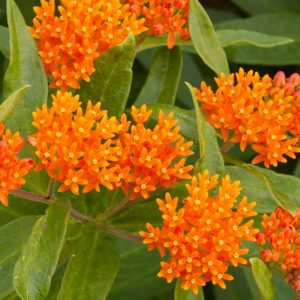
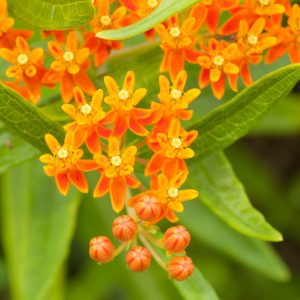
  • Butterfly milkweed (Asclepias tuberosa) – sun loving, excellent in dry to medium soils, and a nectar magnet in its own right. Great for sandy rises, mailbox beds, and prairie style plantings.
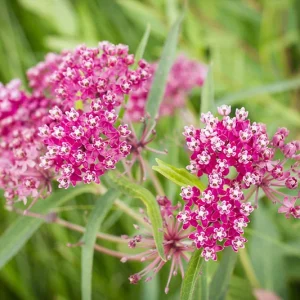
  • Swamp milkweed (A. incarnata) – perfect near rain gardens, swales, and pond edges where the soil stays evenly moist. Mix with Joe Pye weed for a tall, wildlife rich corner.
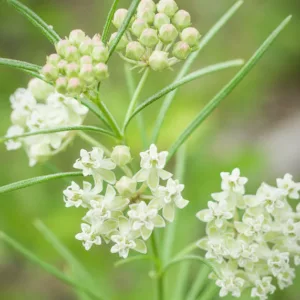
  • Whorled milkweed (A. verticillata) – slim, airy foliage that tucks into meadows and sunny borders. Once established, it needs little care.
A quick caution about tropical milkweed (Asclepias curassavica) – it is non native and can alter monarch behavior while increasing parasite problems. Choose natives for healthier migrations.

Nectar All Season

Monarchs move through Louisiana from spring to hard frost, so think in waves. Give them early fuel, summer abundance, and fall power foods for migration. This Louisiana friendly menu keeps nectar flowing without gaps – and yes, every plant below comes straight from the Xerces list, with your original links kept where relevant.

Spring kick off – Wake up the garden with nectar that opens early and bridges to summer:

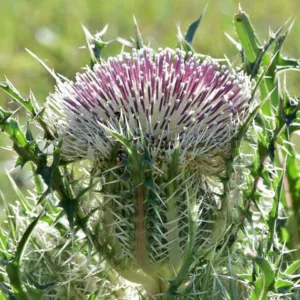
  • Bristle or yellow thistle (Cirsium horridulum) – excellent early nectar in sandy or open sites. Biennial – let a few seedlings persist each year.
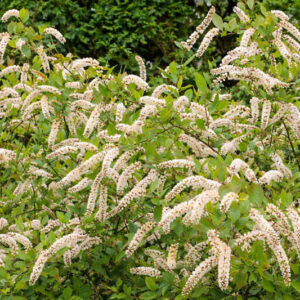
  • Virginia sweetspire (Itea virginica) – a handsome shrub with bottlebrush flowers for early nectar and brilliant red fall color. Great along shady edges and moist soils.
  • Butterfly milkweed (Asclepias tuberosa) – doubles as host plant and nectar station in sunny, well drained spots across the state.

Spring to summer bridge – Keep the momentum rolling as heat ramps up:

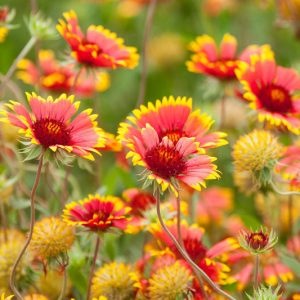
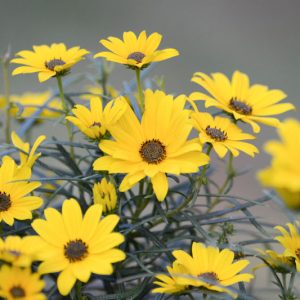
  • Beach blanketflower (Gaillardia pulchella) – puts on a long, colorful show in sandy or gritty soils. Great for coastal parishes and xeric beds inland too.
  • Whorled milkweed (Asclepias verticillata) – feathery texture and steady nectar in lean, sunny sites. Tuck between taller summer bloomers.

Summer fuel – Layer heights and textures so monarchs have options in the heat:

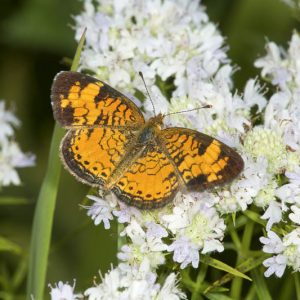
  • Slender mountainmint (Pycnanthemum tenuifolium) – cool white bloom and a soft minty fragrance that draws a parade of pollinators all day long.
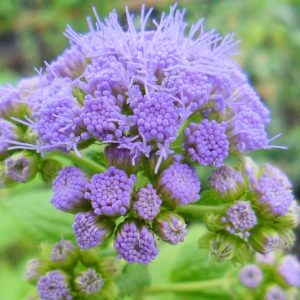
  • Blue mistflower (Conoclinium coelestinum) – a soft blue cloud for borders and rain garden edges. It spreads – give it a corner to fill.
  • Calico aster (Symphyotrichum lateriflorum) – kicks in later summer through fall with masses of small blooms loved by bees and butterflies.
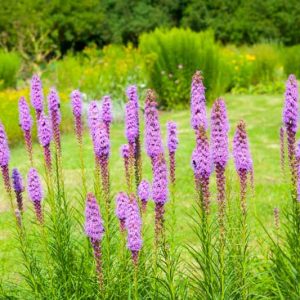
  • Dense blazing star (Liatris spicata) – vertical purple wands that pull in butterflies, bees, and even hummingbirds. Great in drifts behind shorter plants.
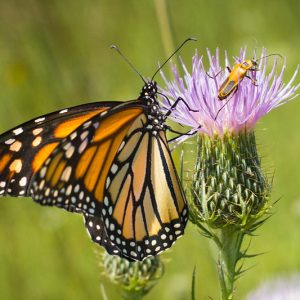
  • Field thistle (Cirsium discolor) – native biennial and butterfly magnet. Let a patch reseed each year to keep blooms coming.
  • Frostweed (Verbesina virginica) – sturdy white blooms that draw monarchs and a host of native bees. Creates quirky frost flowers in cold snaps.
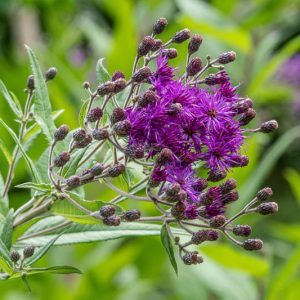
  • Giant ironweed (Vernonia gigantea) – towering purple fireworks for sunny back borders. Pinch in early summer if you want a shorter show.
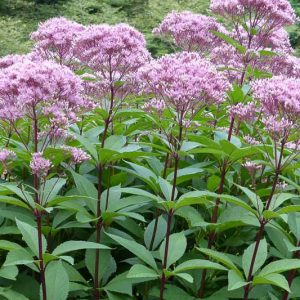
  • Joe Pye weed (Eutrochium fistulosum) – tall, moisture loving, and packed with nectar. Fantastic in rain gardens and along bayou edges.
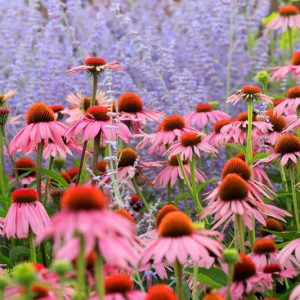
  • Purple coneflower (Echinacea purpurea) – generous daisies that carry nectar through summer and offer seed for goldfinches later.
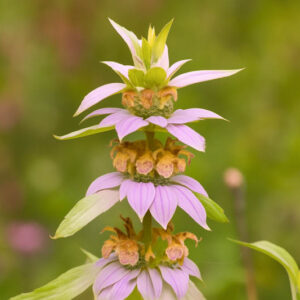
  • Spotted beebalm (Monarda punctata) – funky tiered bracts, loads of nectar, and a knack for thriving in hot, sandy beds.
  • Swamp milkweed (Asclepias incarnata) – a must for rain gardens. Plant in groups and pair with blue mistflower for a long season of bloom.
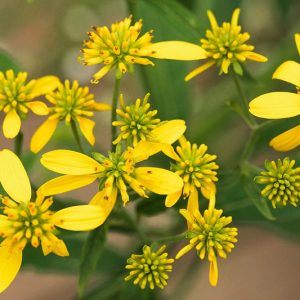
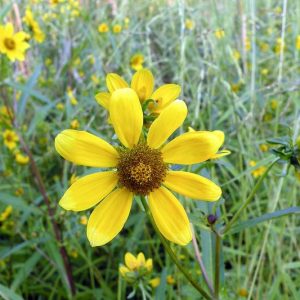
  • Wingstem (Verbesina alternifolia) – tall, graceful yellow daisies that hum with pollinators at season’s end.

Fall top ups – Prime the migration with high octane nectar:

  • Narrowleaf sunflower (Helianthus angustifolius) – one of the latest blooming sunflowers and a key fuel source for southbound monarchs.
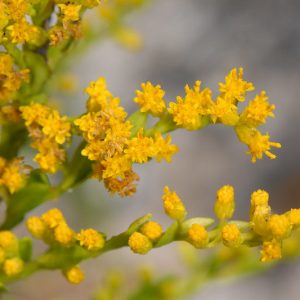
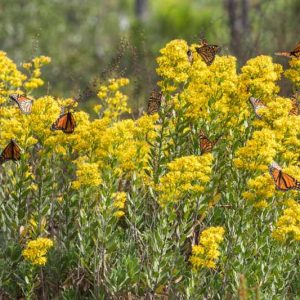
  • Showy goldenrod (Solidago speciosa) – upright and dramatic in average to dry soils. Pairs beautifully with purple asters and wingstem.
  • Seaside goldenrod (Solidago sempervirens) – built for sandy, salty sites along the Gulf. An essential coastal nectar bar during migration.
  • Smooth beggartick (Bidens laevis) – wetland annual that blooms until frost. Bright, cheerful nectar when monarchs need it most.
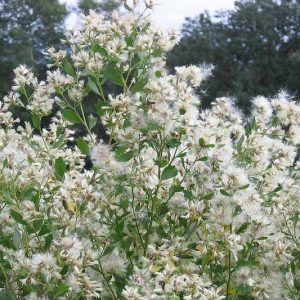
  • Eastern baccharis (Baccharis halimifolia) – a coastal tolerant shrub that flowers late – plant in open, sandy sites for a valuable fall resource.

Wet feet winners – If you have low spots, ditches, or rain garden basins, lean into moisture lovers:

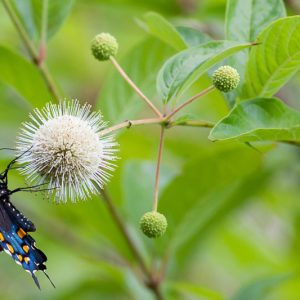
  • Buttonbush (Cephalanthus occidentalis) – spherical, fragrant flowers that magnetize butterflies. Perfect for pond edges and wet corners statewide.
  • Smooth beggartick (Bidens laevis) – throws sunny flowers until frost and feeds monarchs when other things are slowing down.
  • Joe Pye weed (Eutrochium fistulosum) – stands tall with big rosy domes – a showpiece that also supports countless pollinators.
  • Swamp milkweed (Asclepias incarnata) – the anchor milkweed for rain gardens and bayou edges.

Guide Information

Genus Asclepias
Native Plants Louisiana, Southeast, United States
Attracts Birds, Butterflies, Hummingbirds

Monarch Nectar Plants for Louisiana

Asclepias incarnata (Swamp Milkweed)
Asclepias tuberosa (Butterfly Milkweed)
Asclepias verticillata (Whorled Milkweed)
Baccharis halimifolia (Eastern Baccharis)
Cephalanthus occidentalis (Buttonbush)
Cirsium discolor (Field Thistle)
Conoclinium coelestinum (Blue Mistflower)
Eutrochium fistulosum (Joe-Pye Weed)
Rudbeckia hirta (Black-Eyed Susan)
Gaillardia pulchella (Firewheel)
Helianthus angustifolius (Swamp Sunflower)
Liatris spicata (Blazing Star)
Monarda punctata (Spotted Bee Balm)
Pycnanthemum tenuifolium (Narrowleaf Mountain Mint)
Solidago sempervirens (Seaside Goldenrod)
Solidago speciosa (Showy Goldenrod)
Verbesina alternifolia (Wingstem)
Vernonia gigantea (Giant Ironweed)
Cirsium horridulum (Bull Thistle)
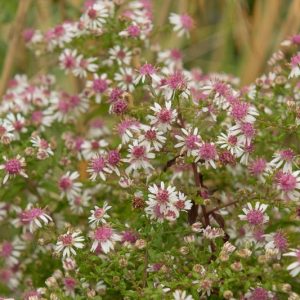
Symphyotrichum lateriflorum var. horizontale (Horizontal Calico Aster)
Itea virginica (Virginia Sweetspire)
Echinacea purpurea (Purple Coneflower)
Bidens laevis (Smooth Beggartick)
Verbesina virginica (Frostweed)

Build Your Louisiana Bloom Calendar

Use these mix and match recipes to keep nectar flowing across the growing season. For a quick statewide overview, compare with your favorite reference site, then tailor with the full list above.

Spring starter set

Summer surge

Fall migration buffet

Planting by Place

Moist or seasonally soggy spots – lean into swamp milkweed, Joe Pye weed, buttonbush, smooth beggartick, and narrowleaf sunflower. These deliver nectar right when monarchs are thickest in late summer and fall.

Sunny, well drained beds – choose butterfly milkweed, slender mountainmint, dense blazing star, purple coneflower, showy goldenrod, spotted beebalm, and wingstem for a drought wise, pollinator heavy border.

Edges and meadows – mix field thistle and yellow thistle (biennials – leave some first year rosettes), giant ironweed, frostweed, and calico aster to create layered bloom and great wildlife structure.

Coastal specialists – along the Gulf or on river sandbars, you can lean into beach blanketflower, seaside goldenrod, eastern baccharis, and clustered bushmint (Hyptis alata). These take wind, heat, and sand in stride.

Design Tips that Help Monarchs

  • Group by species – plant 3 to 7 of the same plant together. It is easier for monarchs to tank up when they can hop flower to flower without searching.
  • Stagger heights – tall nectar towers like giant ironweed, Joe Pye weed, and wingstem go in the back. Mid heights such as blazing star, coneflower, and showy goldenrod fill the middle. Edges get whorled milkweed and mountainmint.
  • Think water – place moisture lovers where gutters empty or soils stay damp. Park drought tolerant species on sunny, quick draining mounds.
  • Leave the leaves – skip fall cleanups in wildlife corners. Standing stems and seed heads feed birds and shelter beneficial insects.
  • Source clean plants – ask for pesticide free stock and steer clear of neonicotinoids that can contaminate nectar and leaves.

Small Space Recipes

  • Sunny strip – 3 butterfly milkweed, 5 dense blazing star, and a front edge of blue mistflower. Low water, high traffic.
  • Rain garden corner – 1 buttonbush as the anchor, 3 swamp milkweed, 3 Joe Pye weed, and a bright patch of smooth beggartick to color late into fall.
  • Coastal pot combo – in a large container with gritty mix, try seaside goldenrod, a single beach blanketflower, and spotted beebalm for nonstop seaside energy.
  • Meadow tub – mix slender mountainmint, showy goldenrod (compact selection if available), and a single purple coneflower. Deadhead lightly for repeat bloom.

Quick Plant Picker

  • Full sun, dry to mediumbutterfly milkweed, slender mountainmint, dense blazing star, purple coneflower, showy goldenrod, spotted beebalm, wingstem, seaside goldenrod on the coast.
  • Sun to part sun, moistswamp milkweed, Joe Pye weed, buttonbush, smooth beggartick, narrowleaf sunflower, Virginia sweetspire, blue mistflower.
  • Edges and light shadecalico aster, frostweed, wingstem, field thistle. Give it air and room to reseed.
  • Coastal or very sandy sitesseaside goldenrod, eastern baccharis, beach blanketflower, clustered bushmint. Built for wind and salt.
Care notes for easy success ▾
  • Water deeply the first two weeks after planting, then taper. Most natives handle Louisiana summers once established.
  • Mulch 2 to 3 inches to hold moisture and limit weeds, but keep mulch pulled back from crowns and milkweed stems.
  • Deadhead purple coneflower and dense blazing star lightly for a tidier look, or let seeds mature for birds.
  • Allow a patch for biennials like field thistle and yellow thistle to reseed so you always have first year rosettes and second year bloomers.
  • After hurricanes or tropical storms, rinse salt spray from foliage and re mulch disturbed areas. Coastal natives such as seaside goldenrod and eastern baccharis bounce back quickly.

Neighborhood Friendly, Wildlife Forward

Keep it tidy and wild – use crisp edges, repeated groupings, and a short border like slender mountainmint or whorled milkweed so your lively plantings read as intentional. Small signs that say Monarch Habitat or Pesticide Free invite curiosity instead of concern.

Swap the look alikes – if a nursery offers non native butterfly bush, counter with a combo of Virginia sweetspire and showy goldenrod. You get beauty plus real wildlife value.

Frequently Asked Questions

What are the best nectar plants to start with in Louisiana?

Easy, high-impact starters are butterfly milkweed, swamp milkweed, whorled milkweed, blue mistflower, dense blazing star, purple coneflower, slender mountainmint, showy goldenrod, wingstem, narrowleaf sunflower, and Joe Pye weed.

Do I still need milkweed if I am focusing on nectar?

Yes. Monarch caterpillars eat only milkweed. In Louisiana, rely on butterfly milkweed (dry to average soils), swamp milkweed (moist to wet), and whorled milkweed (lean, sunny sites).

What should I plant for late-season migration fuel?

Showy goldenrod, seaside goldenrod (coastal sands), wingstem, frostweed, narrowleaf sunflower, smooth beggartick, eastern baccharis, and calico aster carry monarchs from August through November.

Are native thistles worth planting?

Yes. Field thistle and yellow thistle are fantastic nectar sources. They are biennial, so leave first-year rosettes to bloom the following year.

What is a simple three-season recipe for a small bed?

Spring: butterfly milkweed and Virginia sweetspire. Summer: dense blazing star, purple coneflower, slender mountainmint, blue mistflower. Fall: showy goldenrod, wingstem, and narrowleaf sunflower.

Primary source: Xerces Society. Monarch Nectar Plants – Southeast.

Updated: November 2025 • Reviewed by Gardenia Editors

Recommended Guides

Great Pollinator Plants for Louisiana
The Ultimate Guide to Native Plants for a Beautiful Garden
The Ultimate Guide to Wildlife-Friendly Plants for a Beautiful Garden
30 Fascinating Butterfly Facts You Need to Know
Grow Milkweed, Save Monarch Butterflies: A Step-by-Step Guide
Butterflies Unveiled: A Host Plant Love Story in Your Garden
6 Reasons You Should Create a Butterfly Garden
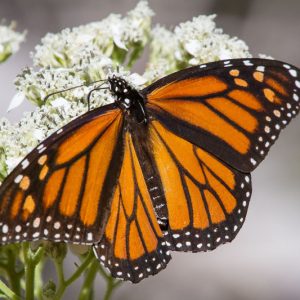
Monarch Butterfly
Black Swallowtail Butterfly
Compare All Asclepias (Milkweed)
Compare Now
Explore Great Plant Combination Ideas
Asclepias (Milkweed)
Explore Great Plant Combination Ideas
Lower South Coastal South
While every effort has been made to describe these plants accurately, please keep in mind that height, bloom time, and color may differ in various climates. The description of these plants has been written based on numerous outside resources.

Guide Information

Genus Asclepias
Native Plants Louisiana, Southeast, United States
Attracts Birds, Butterflies, Hummingbirds
Compare All Asclepias (Milkweed)
Compare Now
Explore Great Plant Combination Ideas
Asclepias (Milkweed)
Explore Great Plant Combination Ideas
Lower South Coastal South

Related Items

Please Login to Proceed

You Have Reached The Free Limit, Please Subscribe to Proceed

Subscribe to Gardenia

To create additional collections, you must be a paid member of Gardenia
  • Add as many plants as you wish
  • Create and save up to 25 garden collections
Become a Member

Plant Added Successfully

Your garden is taking shape. Unlock full planning.

You’ve reached the free limit. Upgrade for $25/year to add as many plants as you wish and save up to 25 garden collections. Unlock Annual Membership

Update Your Credit
Card Information

Cancel

Create a New Collection

Sign Up to Our Newsletter

    You have been subscribed successfully

    Join Gardenia.net

    Create a membership account to save your garden designs and to view them on any device.

    Becoming a contributing member of Gardenia is easy and can be done in just a few minutes. If you provide us with your name, email address and the payment of a modest $25 annual membership fee, you will become a full member, enabling you to design and save up to 25 of your garden design ideas.

    Join now and start creating your dream garden!

    Join Gardenia.net

    Create a membership account to save your garden designs and to view them on any device.

    Becoming a contributing member of Gardenia is easy and can be done in just a few minutes. If you provide us with your name, email address and the payment of a modest $25 annual membership fee, you will become a full member, enabling you to design and save up to 25 of your garden design ideas.

    Join now and start creating your dream garden!
    Find your Hardiness Zone

    Find your Heat Zone

    Find your Climate Zone