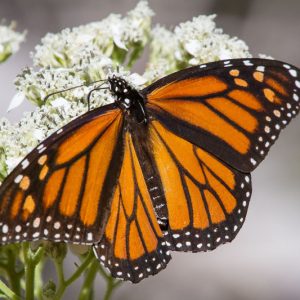
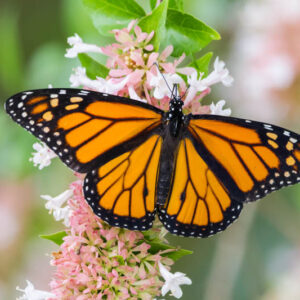
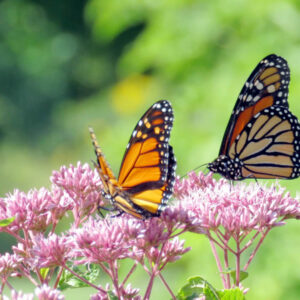
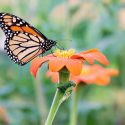
Make your Kentucky yard a monarch magnet with native milkweeds and nectar flowers. Low-care, water-wise, and colorful from spring through fall.
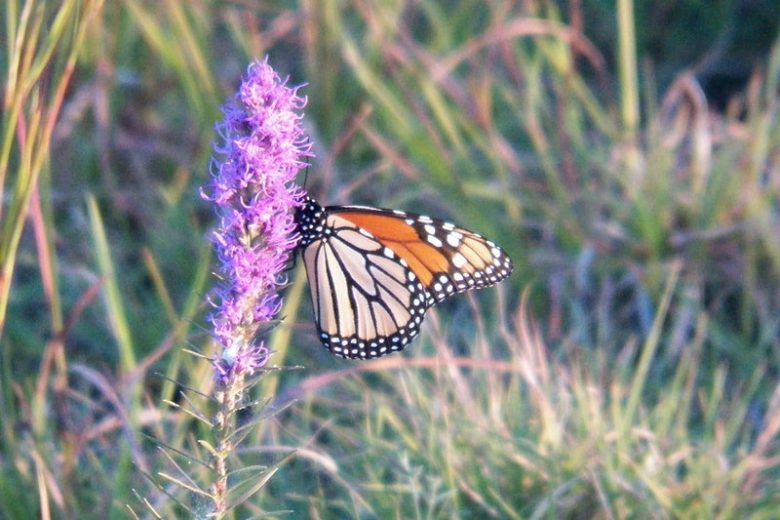


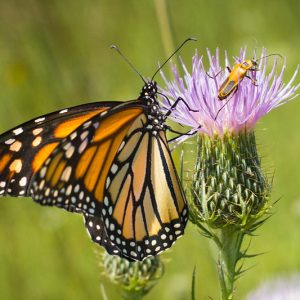
Kentucky sits right in the Southeast monarch flyway, where rolling pastures, river bottoms, and Appalachian foothills weave together a perfect corridor for hungry butterflies. If you want to boost monarch traffic through your yard, the recipe is simple and fun: pair native milkweeds for caterpillars with a steady parade of nectar flowers from spring through frost. Below you will find every monarch friendly nectar plant featured in the Xerces Society’s Southeast guide, translated into a practical, Kentucky centered plan. A few species are coastal specialists that prefer salt spray and sandy soils, and you will see them noted so you can focus on what thrives in the Bluegrass.
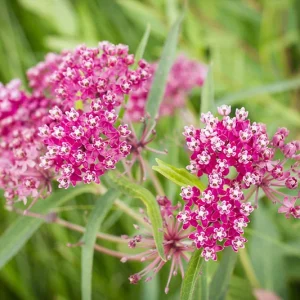
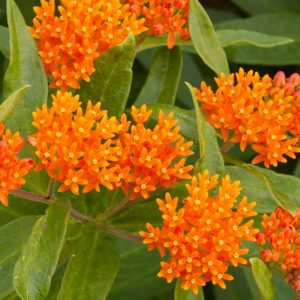
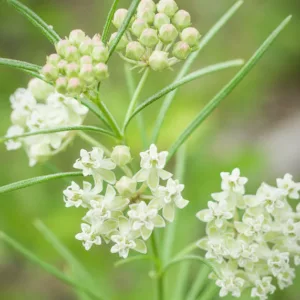
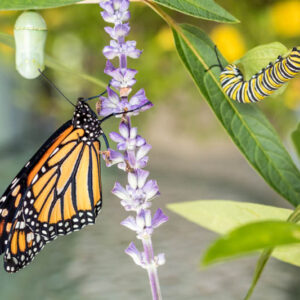
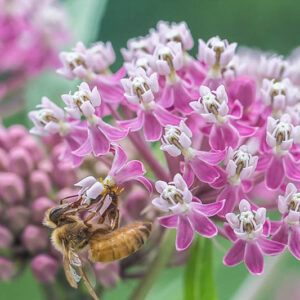
Milkweed is the nursery for monarch caterpillars. In Kentucky conditions, these three are standouts:
Monarchs move through Kentucky from spring to hard frost, so think in waves. Give them early fuel, summer abundance, and fall power foods for migration. Use this Kentucky friendly menu to keep nectar flowing without gaps — and yes, every plant below keeps your original links.
Spring kick off – Wake up the garden with nectar that opens early and bridges to summer:
Summer fuel – Layer heights and textures so monarchs have options in the heat:
Fall top ups – Prime the migration with high octane nectar:
Wet feet winners – If you have low spots, ditches, or rain garden basins, lean into moisture lovers:
| Genus | Asclepias |
|---|---|
| Native Plants | Kentucky, Southeast, United States |
| Attracts | Birds, Butterflies, Hummingbirds |
| Toxic to Humans | No known toxicity |
| Toxic to Cats | No known toxicity |
| Toxic to Dogs | No known toxicity |
| Toxic to Horses | No known toxicity |
Use these mix and match recipes to keep nectar flowing across the growing season in Kentucky. For a quick statewide overview, compare with your favorite reference site, then tailor with the full list above.
Spring starter set
Summer surge
Fall migration buffet
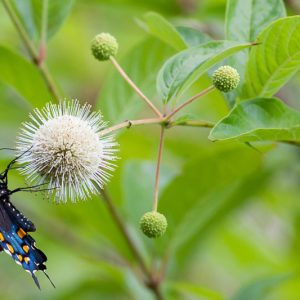
Moist or seasonally soggy spots – lean into swamp milkweed, Joe Pye weed, buttonbush, smooth beggartick, and narrowleaf sunflower. These deliver nectar right when monarchs are thickest in late summer and fall.
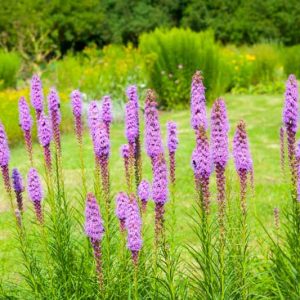
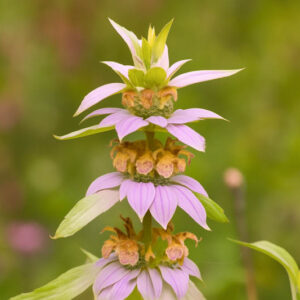
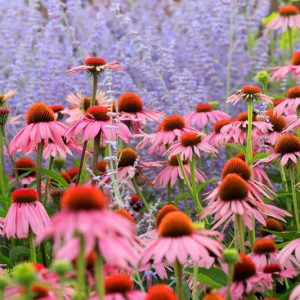
Sunny, well drained beds – choose butterfly milkweed, slender mountainmint, dense blazing star, purple coneflower, showy goldenrod, spotted beebalm, and wingstem for a drought wise, pollinator heavy border.
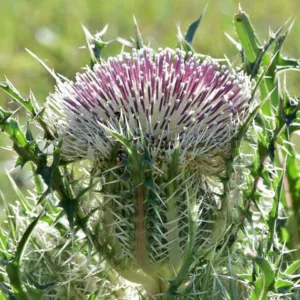
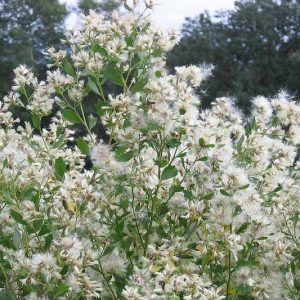
Edges and meadows – mix field thistle (biennial, let it reseed), giant ironweed, frostweed, and calico aster to create layered bloom and great wildlife structure.
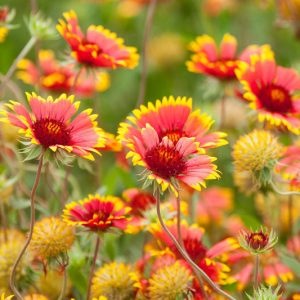
Coastal specialists – if you garden on river sandbars or have extra sandy, heat reflective beds, you can experiment with beach blanketflower, seaside goldenrod, eastern baccharis, and clustered bushmint (use where locally appropriate).
Keep it tidy and wild – use crisp edges, repeated groupings, and a short border like slender mountainmint or whorled milkweed so your lively plantings read as intentional. Small signs that say Monarch Habitat or Pesticide Free invite curiosity instead of concern.
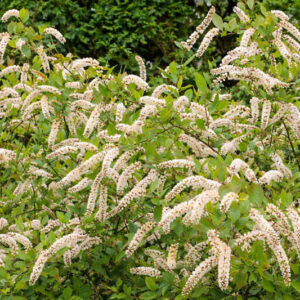
Swap the look alikes – if a nursery offers non native butterfly bush, counter with a combo of Virginia sweetspire and showy goldenrod. You get beauty plus real wildlife value.
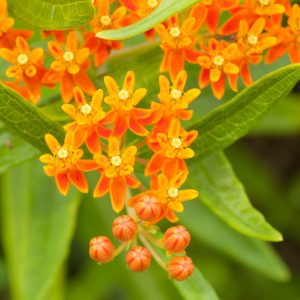
Butterfly milkweed (Asclepias tuberosa), swamp milkweed (A. incarnata), and whorled milkweed (A. verticillata). These cover dry, moist, and lean soil situations across most of the state.
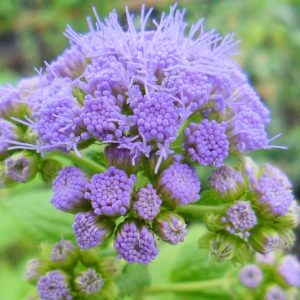
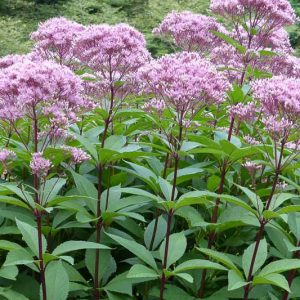
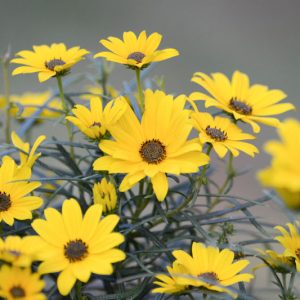
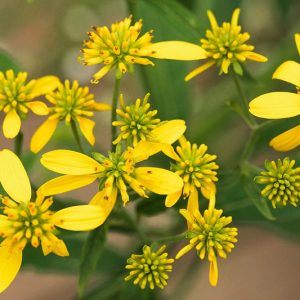
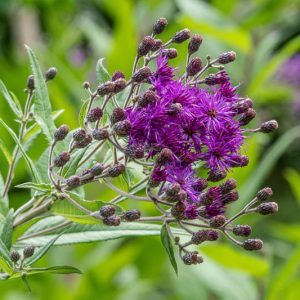
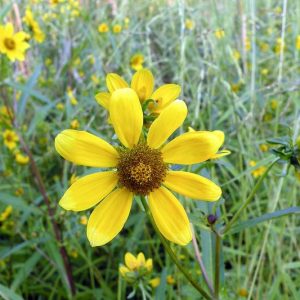
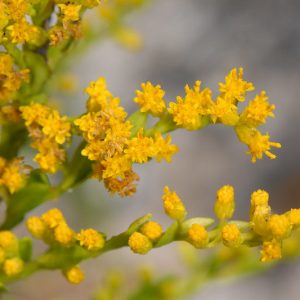
Dense blazing star (Liatris spicata), purple coneflower (Echinacea purpurea), blue mistflower (Conoclinium coelestinum), slender mountainmint (Pycnanthemum tenuifolium), showy goldenrod (Solidago speciosa), wingstem (Verbesina alternifolia), frostweed or white crownbeard (Verbesina virginica), giant ironweed (Vernonia gigantea), Joe Pye weed (Eutrochium fistulosum), buttonbush (Cephalanthus occidentalis), smooth beggartick (Bidens laevis), narrowleaf sunflower (Helianthus angustifolius), calico aster (Symphyotrichum lateriflorum), and field thistle (Cirsium discolor).
Typically April through October, with the heaviest nectar demand in late summer into fall during southbound migration.
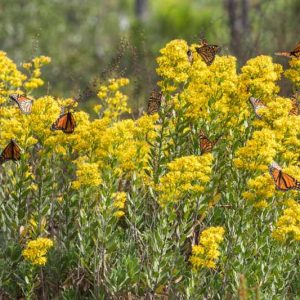
Plan in waves: spring starters (butterfly milkweed, Virginia sweetspire), summer fuel (blazing star, coneflower, mountainmint, ironweed, Joe Pye), and fall power foods (showy goldenrod, wingstem, frostweed, narrowleaf sunflower, asters).
Think clumps of 3 to 7 per species and at least 10 to 30 square feet of total habitat. More clumping equals easier foraging.
Yes. Use large, fast-draining pots. Good choices include butterfly milkweed, dense blazing star, purple coneflower, blue mistflower, and slender mountainmint. Water more often than in ground beds.
Swamp milkweed, Joe Pye weed, buttonbush, smooth beggartick, and narrowleaf sunflower thrive in rain gardens, swales, and pond edges.
Butterfly milkweed, slender mountainmint, dense blazing star, purple coneflower, showy goldenrod, spotted beebalm, and wingstem.
Primary source: Xerces Society. Monarch Nectar Plants – Southeast.
Prepared for Kentucky gardeners seeking long season monarch nectar.
Robert Nunnally, Flickr
| Genus | Asclepias |
|---|---|
| Native Plants | Kentucky, Southeast, United States |
| Attracts | Birds, Butterflies, Hummingbirds |
| Toxic to Humans | No known toxicity |
| Toxic to Cats | No known toxicity |
| Toxic to Dogs | No known toxicity |
| Toxic to Horses | No known toxicity |
Create a membership account to save your garden designs and to view them on any device.
Becoming a contributing member of Gardenia is easy and can be done in just a few minutes. If you provide us with your name, email address and the payment of a modest $25 annual membership fee, you will become a full member, enabling you to design and save up to 25 of your garden design ideas.
Join now and start creating your dream garden!
Create a membership account to save your garden designs and to view them on any device.
Becoming a contributing member of Gardenia is easy and can be done in just a few minutes. If you provide us with your name, email address and the payment of a modest $25 annual membership fee, you will become a full member, enabling you to design and save up to 25 of your garden design ideas.
Join now and start creating your dream garden!