Rose Campion, Mullein Pink, Dusty Miller, Bloody William, Crown Pink

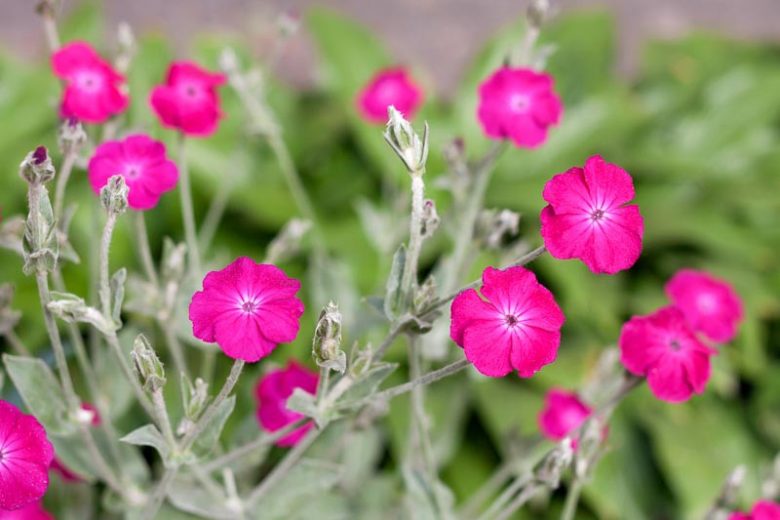
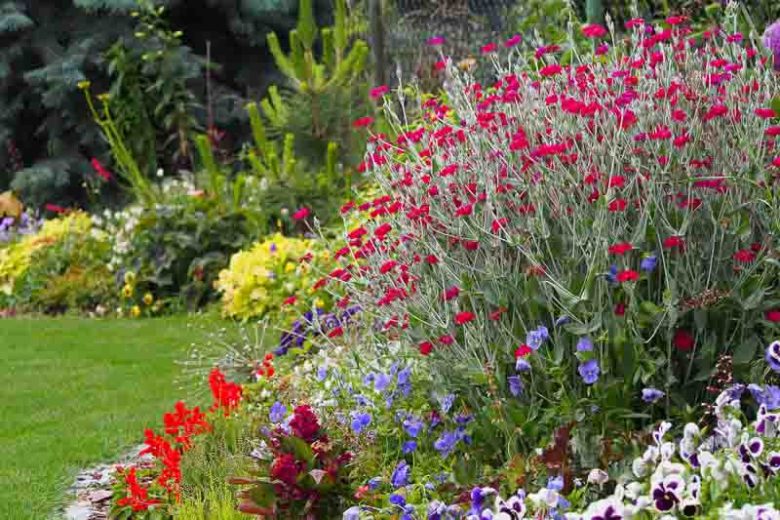
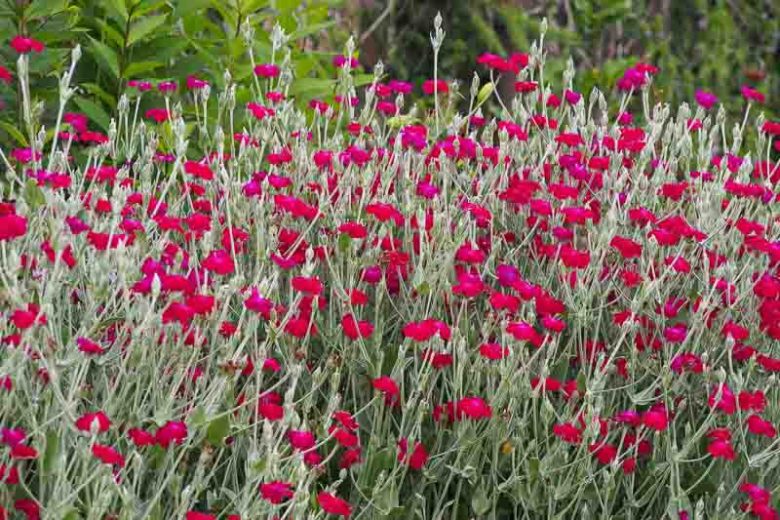
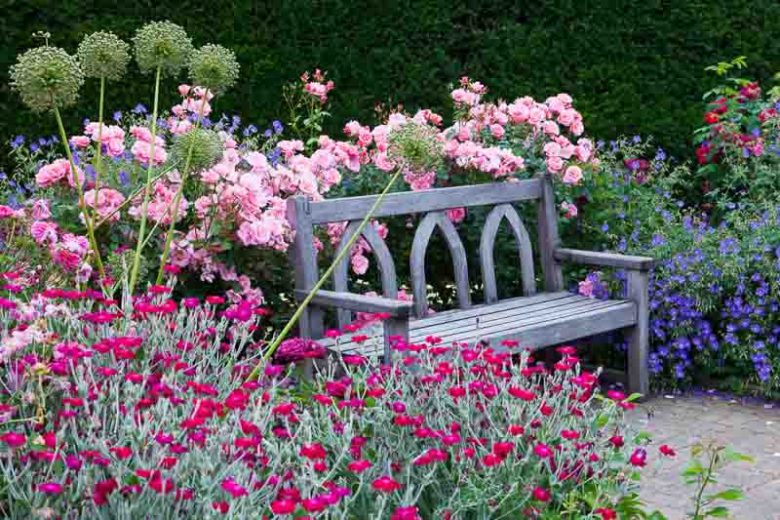


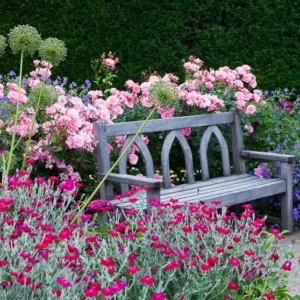
Lychnis coronaria, better known as Rose Campion, is one of those plants that quietly sits in the border all winter with its soft, silver rosettes and then suddenly explodes into color. Those fuzzy white gray stems topped with vivid magenta, deep pink, pale pink, or pure white flowers are impossible to ignore. It is an evergray, short lived perennial or biennial that brings a long season of interest, is easy to grow, trouble free, and wonderfully forgiving about soil and exposure.
Grown as much for its woolly, evergreen basal foliage as for its glowing flowers from late spring to late summer, Rose Campion thrives in full sun or light part shade and prefers average, medium, well drained soils. While it appreciates a bit of moisture, it will happily tolerate poor, dry, or rocky ground as long as the drainage is good. Add in the facts that it is drought tolerant, deer resistant, and holder of the Royal Horticultural Society Award of Garden Merit, and you have a plant that earns its keep in any cottage, meadow, or mixed perennial border.
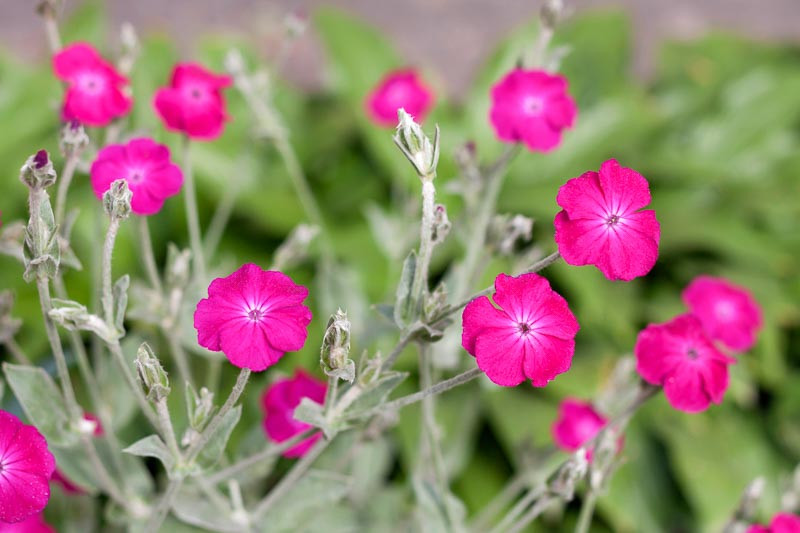
Summary: Evergray, short lived perennial or biennial with rosettes of woolly, silver gray leaves and upright stems topped with profuse 1 inch magenta, pink, or white flowers from late spring through summer.
Use: Perfect for cottage gardens, informal borders, gravel or rock gardens, meadows, dry gardens, front of mixed borders, and naturalistic plantings where it can gently self sow.
Highlight: Long blooming, drought-tolerant, deer-resistant, and visually striking. The glowing flower color against soft silver foliage provides superb color and texture contrast in sunny beds.
Note: A short lived perennial that often behaves like a biennial, but readily self seeds so it can return year after year with minimal effort.
| Botanical Name | Lychnis coronaria (syn. Silene coronaria) |
|---|---|
| Family | Pink or carnation family (Caryophyllaceae) |
| Common Names | Rose Campion, Mullein Pink, Bloody William, Crown Pink, sometimes Dusty Miller |
| Native Range | Native to parts of southeastern Europe and the Mediterranean region, naturalized in many temperate gardens. |
| Plant Type and Habit | Short lived perennial or biennial forming low rosettes of evergreen foliage with upright, branched flowering stems that create an airy, informal look. |
| Hardiness (approx. USDA) | Typically hardy in about USDA Zones 4 to 8, sometimes grown as an annual or biennial in colder or very hot climates. |
| Size | Usually grows 18 to 24 in. tall (45 to 60 cm) and about 18 in. wide (45 cm), with flowering stems sometimes reaching up to 30 in. in ideal conditions. |
| Sun and Exposure | Full sun to light part shade. The best flowering and tightest growth occur in full sun, but Rose Campion tolerates a bit of afternoon shade, especially in hot climates. |
| Soil | Thrives in average, medium, well drained soils and tolerates poor, dry, rocky, or sandy soil once established. Good drainage is essential, especially in winter. |
| Seasonal Interest | Basal evergreen rosettes provide winter interest where winters are mild, followed by a generous flush of bright blooms from late spring to late summer. |
| Primary Uses | Cottage and informal borders, dry gardens, meadows, rock gardens, gravel gardens, pollinator plantings, and naturalized drifts. Excellent for color and texture contrast with grasses and green leaved perennials. |
Lychnis coronaria is a short lived, evergray perennial or biennial grown for its beautiful contrast of color and texture. Plants form low rosettes of soft, felted, silver gray leaves, then shoot up numerous upright stems in late spring, each carrying a succession of glowing 5 petaled flowers about 1 inch across.
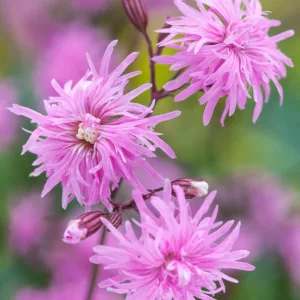
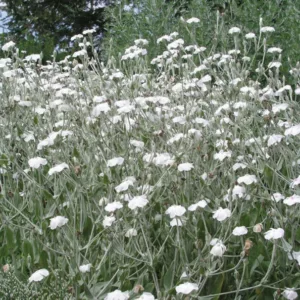
The bloom color is most often an intense rose magenta, but you will also find cultivars with pure white, shell pink, or white petals with colored eyes. Because the foliage is such a cool, misty gray, every flower looks as if it is illuminated from within, making Rose Campion a natural highlight plant in mixed borders.
Rose Campion is native to southeastern Europe and parts of the Mediterranean region, where it often grows on dry hillsides, rocky slopes, and open sunny places. Its natural preference for lean, well drained soil and bright light explains why it adapts so beautifully to dry gardens, rock gardens, and sunny borders in cultivation.
In its first year from seed, Rose Campion usually focuses on building a strong rosette of leaves and a root system. In the second and subsequent years, it sends up branched flowering stems that typically reach around 18 to 24 inches tall, sometimes a bit taller in rich soil.
Individual plants tend to be short lived, often fading after two or three years, but they self sow freely in suitable conditions. Many gardeners treat Rose Campion as a biennial and simply allow or encourage seedlings to appear, editing them in spring to keep the look natural but not messy.
The flowers of Lychnis coronaria are its main claim to fame. Each stem carries a long succession of flat, rounded, single blooms with five overlapping petals and a neat central eye. The blooms can be:
Flowers appear from late spring through mid or late summer, especially if you deadhead regularly. After flowering, seed capsules form and eventually release fine seed that drops close to the parent plant, giving you a new generation of seedlings.
The foliage of Rose Campion is a big part of its charm. The leaves and stems are covered with fine, silky hairs, giving them a soft, velvet like texture and a distinctive silvery gray color. In mild climates the rosettes can be evergreen, creating attractive mounds even when the garden is otherwise quiet.
This silvery foliage is perfect for winter interest plantings and for tying together mixed plantings of grasses, lavender, roses, and other perennials. The silver leaves are especially effective for cooling down hot color schemes or linking pinks, purples, and blues.
Hardiness: Rose Campion is usually hardy in about USDA Zones 4 to 8. In colder climates it may be killed outright by severe winters, but it often returns from self sown seedlings. In warmer climates it can behave like a tough, semi evergreen perennial as long as drainage is good.
Because it is so tolerant of heat, drought, and low fertility, Rose Campion is an excellent choice for low maintenance, water wise gardens that still crave strong color and a romantic cottage feel.
You can tuck Lychnis coronaria into many different garden styles:
The nectar rich blooms are attractive to bees, butterflies, especially the vivid magenta forms. Plant Rose Campion near other nectar plants or pollinator friendly perennials, such as those featured in the bee guides, to build a more supportive habitat.
Birds and small mammals: While the flowers are the main draw for pollinators, the dry seed heads can provide a small amount of interest for seed eating birds, especially in more naturalistic plantings. However, Rose Campion is valued more for its pollinator support and ornamental role than as a major wildlife food source.
The dense covering of wiry hairs on the leaves and stems makes Rose Campion unappealing to deer. In most gardens, it is considered deer-resistant and is rarely browsed, which is a big advantage in open rural or suburban landscapes.
Once established, Lychnis coronaria is impressively drought-tolerant. Its natural home on dry, rocky soils means it is well adapted to low water landscapes and xeriscapes. Provide occasional deep watering in extreme drought and it will continue to thrive and bloom.
Discover even more stunning drought-tolerant bloomers if you want to build a full palette of long lasting color for dry sites.
Rose Campion is not widely listed as highly toxic, but it is also not considered edible. As with many ornamental plants, it is best to avoid ingesting any part of the plant and to teach children not to sample it. Wear gloves if you have very sensitive skin, as the fine hairs can sometimes be mildly irritating.
In most gardens, Rose Campion is not invasive, but it is a free seeder. Seedlings typically appear close to the parent plants, especially where soil is bare or lightly mulched. In some regions it is listed as introduced or potentially weedy, so check local recommendations if you garden near sensitive natural areas.
If you do not want it to spread, simply deadhead after flowering and remove unwanted seedlings in spring. They pull up easily when young.
Rose Campion offers a rare mix of glowing color, silvery foliage, drought tolerance, deer resistance, and ease of growth. It thrives where many fussier perennials sulk, especially in sunny, dry, low fertility sites. For gardeners who love a slightly wild, romantic look, it is one of the most rewarding cottage garden plants you can grow.
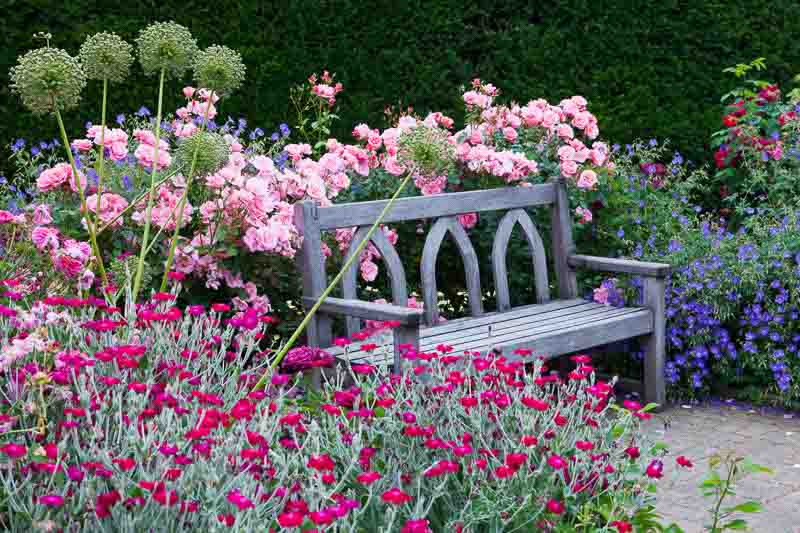
Rose Campion is happiest in soil that is well drained. It is not fussy and often prefers conditions that are too lean or dry for other perennials.
For the very best silver foliage and longevity, plant in moderately dry, well drained soil and avoid rich, soggy conditions.
Rose Campion is refreshingly low maintenance.
There are several easy ways to keep Rose Campion going in your garden:
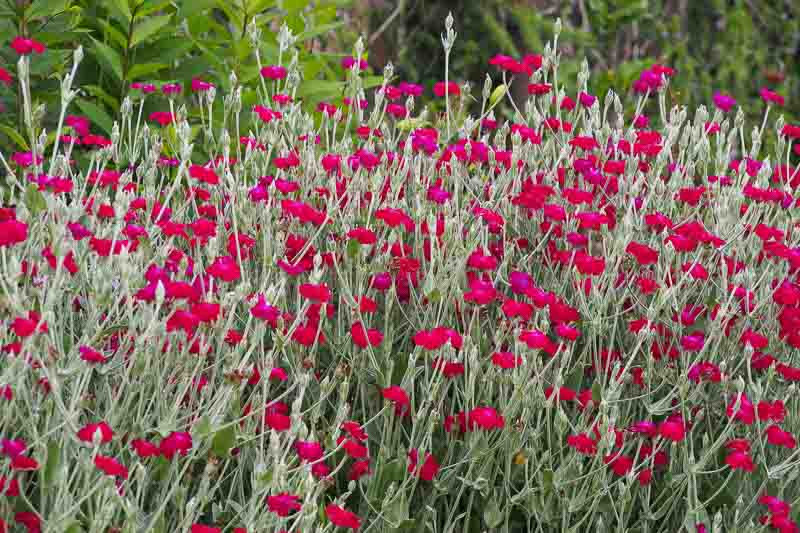
Rose Campion is generally a robust, low maintenance cottage perennial, but a few issues can appear in less than ideal conditions.
Leaf miners and other leaf chewers: These sometimes create cosmetic damage on foliage. Remove affected leaves and keep plants vigorous to minimize impact.
Spider mites and whiteflies: These sap sucking pests may show up in hot, dry, or container conditions. Rinse foliage with water, improve air circulation, and use insecticidal soap or horticultural oil if needed.
Scale insects: Rare on Rose Campion, but possible in crowded plantings. Prune out badly infested stems and use horticultural oils when plants are dormant nearby.
Leaf spot: In humid, crowded conditions, leaves may develop spots. Thin plants, avoid overhead watering, and remove heavily spotted foliage.
Root rot: The main enemy of Rose Campion is poor drainage. Wet, heavy soil in winter can cause crowns to rot. Always plant in fast draining soil or raised beds.
Powdery mildew: In some climates, a light white coating may appear on leaves late in the season. Improve air movement, avoid wetting foliage, and remove badly affected stems.
Short lived plants: It is normal for individual Rose Campion plants to decline after a few years. Plan to replenish with seedlings or cuttings on a regular basis.
Too many seedlings: If you let all the seed heads ripen, you may get more volunteers than you want. Deadhead most stems and leave just a few to ripen, or thin seedlings early.
Floppy stems: Very rich soil, deep shade, or too much fertilizer can cause tall, weak stems. Grow in lean, sunny, well drained conditions for sturdier growth.
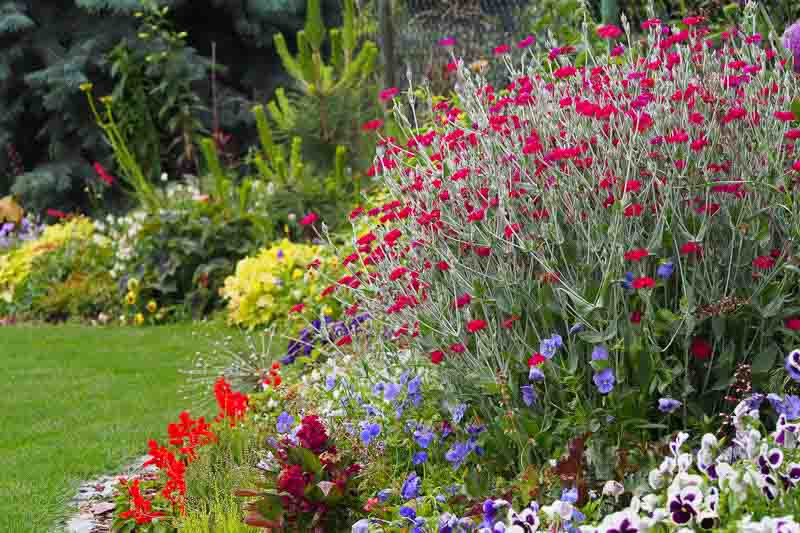
Rose Campion offers several beautiful cultivars, each with its own twist on the classic silver foliage and glowing flower combination. By mixing varieties, you can create subtle color harmonies or bold contrasts in your borders.
| Variety | Approx. Size & Habit | Flower Color & Display | Notes & Uses | Comments |
|---|---|---|---|---|
| Lychnis coronaria ‘Alba’ | Typically 24 to 30 in. tall and about 18 to 24 in. wide; upright stems over compact silver rosettes. | Masses of pure white flowers that shine in evening light and contrast beautifully with the foliage. | Perfect for moon gardens, white borders, and cooling down hot color schemes. Stunning in drifts. | RHS Award of Garden Merit selection, valued for reliability and refined look. |
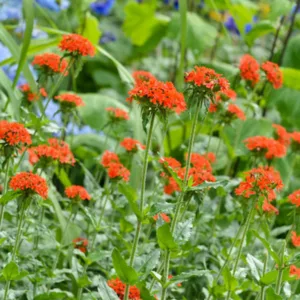
| Lychnis coronaria ‘Atrosanguinea’ | Around 24 to 30 in. tall; upright, branching habit with many flowering stems. | Deep magenta to reddish purple flowers that are even more intense than the standard species. | Excellent focal point in mixed borders and cottage plantings where bold color is desired. | A go to choice if you love dramatic, jewel toned blooms. |
| Lychnis coronaria ‘Oculata’ | About 24 to 36 in. tall and 12 to 18 in. wide; similar habit to the species. | Distinctive white petals with a pink to magenta eye, giving an “eyed” or bicolored effect. | Lovely for softer color schemes and mixed pastel borders where a bit of drama is still welcome. | A great bridge between pure white and strong magenta forms in one planting. |
| Lychnis coronaria ‘Angel’s Blush’ or ‘Angel Blush’ | Usually 18 to 24 in. tall; compact, well branched habit. | White flowers softly flushed pink, often with a subtle rosy center. | Perfect for romantic, pastel, or cottage borders and for brightening partially shaded areas. | Delicate looking but just as tough as the species. |
| Species type (standard magenta Rose Campion) | Often 18 to 24 in. tall and 12 to 18 in. wide; airy clumps with many stems. | Classic bright magenta flowers that pop from a distance and flower over a long period. | Terrific for naturalizing, meadows, and large drifts where strong color is wanted. | Often sold simply as Rose Campion or Lychnis coronaria in seed mixes. |
| Mixed seed strains | Height and spread similar to the species; variable habit depending on parentage. | A mix of magenta, pink, white, and bicolored blooms in one packet. | Great for informal plantings, meadows, and cottage borders where variety and surprise are welcome. | Let the best forms self sow and edit seedlings to shape your own house strain over time. |
Lychnis coronaria, commonly called Rose Campion, is best described as a short lived perennial that often behaves like a biennial. It usually grows a rosette of silver gray leaves in its first year, then sends up flowering stems in its second year. Individual plants may decline after two or three seasons, but they self seed readily, so new plants often appear nearby and keep the display going.
Most Rose Campion plants grow about 18 to 24 inches tall and around 18 inches wide. In rich soil or ideal conditions, the flowering stems can sometimes reach up to about 30 inches. The basal rosette stays low, close to the ground, while the thin, upright stems carry the flowers above neighboring plants.
Rose Campion is not usually considered invasive, but it does self seed freely in favorable conditions. Seedlings typically appear near the parent plants and are easy to recognize and pull or transplant. If you want to limit spread, deadhead spent flowers before they form seed, or thin extra seedlings in spring.
Yes. Once established, Lychnis coronaria is quite drought tolerant and well suited to dry gardens, gravel beds, and sunny slopes. It prefers average to poor, well drained soil and will often perform better with less water than many other perennials. However, it still needs consistent moisture during its first growing season to establish good roots.
Rose Campion performs best in full sun, where it produces the most flowers and maintains a compact habit. It can tolerate light or partial shade, especially in hot climates, but flowering may be reduced and stems may grow a bit taller and looser. Deep shade is not recommended, as plants will become weak and sparse.
Deadhead individual spent flowers regularly to prolong the bloom period and reduce self seeding. After the main flush of flowering, you can cut the tall flower stems back to the basal foliage to neaten the plant. The silver rosette will remain attractive for the rest of the season. In late fall or early spring, remove any dead or winter damaged foliage.
Rose Campion is generally considered deer resistant. Its foliage and stems are covered with fine hairs, which most deer and rabbits find unappealing. While no plant is completely deer proof in all situations, Rose Campion is rarely a first choice for browsing and is a good option in gardens with deer pressure.
Yes, Rose Campion can be grown in containers if the pot has excellent drainage and is filled with a light, well drained mix. Choose a sunny location and avoid overwatering. Container grown plants may be a bit shorter lived than those in the ground, but they still provide a beautiful show of silver foliage and bright flowers for one or more seasons.
Updated: December 2025 • Reviewed by Gardenia Editors
| Hardiness |
4 - 8 |
|---|---|
| Heat Zones |
1 - 8 |
| Climate Zones | 1B, 2A, 2B, 3A, 3B, 4, 5, 6, 7, 8, 9, 14, 15, 16, 17, 18, 19, 20, 21, 22, 23, 24 |
| Plant Type | Perennials |
| Plant Family | Caryophyllaceae |
| Genus | Lychnis |
| Common names | Rose Campion |
| Exposure | Full Sun, Partial Sun |
| Season of Interest | Spring (Late), Summer (Early, Mid, Late) |
| Height | 1' - 2' (30cm - 60cm) |
| Spread | 1' - 2' (30cm - 60cm) |
| Spacing | 15" - 20" (40cm - 50cm) |
| Maintenance | Low |
| Water Needs | Low |
| Soil Type | Loam, Sand |
| Soil pH | Acid, Alkaline, Neutral |
| Soil Drainage | Well-Drained |
| Characteristics | Plant of Merit, Showy, Evergreen |
| Tolerances | Drought, Deer, Dry Soil, Rocky Soil, Heat, Poor Soil |
| Attracts | Butterflies, Hummingbirds |
| Garden Uses | Beds And Borders, Patio And Containers |
| Garden Styles | City and Courtyard, Coastal Garden, Informal and Cottage, Prairie and Meadow |
| Toxic to Humans | No known toxicity |
| Toxic to Cats | No known toxicity |
| Toxic to Dogs | No known toxicity |
| Toxic to Horses | No known toxicity |


| Hardiness |
4 - 8 |
|---|---|
| Heat Zones |
1 - 8 |
| Climate Zones | 1B, 2A, 2B, 3A, 3B, 4, 5, 6, 7, 8, 9, 14, 15, 16, 17, 18, 19, 20, 21, 22, 23, 24 |
| Plant Type | Perennials |
| Plant Family | Caryophyllaceae |
| Genus | Lychnis |
| Common names | Rose Campion |
| Exposure | Full Sun, Partial Sun |
| Season of Interest | Spring (Late), Summer (Early, Mid, Late) |
| Height | 1' - 2' (30cm - 60cm) |
| Spread | 1' - 2' (30cm - 60cm) |
| Spacing | 15" - 20" (40cm - 50cm) |
| Maintenance | Low |
| Water Needs | Low |
| Soil Type | Loam, Sand |
| Soil pH | Acid, Alkaline, Neutral |
| Soil Drainage | Well-Drained |
| Characteristics | Plant of Merit, Showy, Evergreen |
| Tolerances | Drought, Deer, Dry Soil, Rocky Soil, Heat, Poor Soil |
| Attracts | Butterflies, Hummingbirds |
| Garden Uses | Beds And Borders, Patio And Containers |
| Garden Styles | City and Courtyard, Coastal Garden, Informal and Cottage, Prairie and Meadow |
| Toxic to Humans | No known toxicity |
| Toxic to Cats | No known toxicity |
| Toxic to Dogs | No known toxicity |
| Toxic to Horses | No known toxicity |
How many Lychnis coronaria (Rose Campion) do I need for my garden?
| Plant | Quantity | |
|---|---|---|
| Lychnis coronaria (Rose Campion) | N/A | Buy Plants |
Create a membership account to save your garden designs and to view them on any device.
Becoming a contributing member of Gardenia is easy and can be done in just a few minutes. If you provide us with your name, email address and the payment of a modest $25 annual membership fee, you will become a full member, enabling you to design and save up to 25 of your garden design ideas.
Join now and start creating your dream garden!
Create a membership account to save your garden designs and to view them on any device.
Becoming a contributing member of Gardenia is easy and can be done in just a few minutes. If you provide us with your name, email address and the payment of a modest $25 annual membership fee, you will become a full member, enabling you to design and save up to 25 of your garden design ideas.
Join now and start creating your dream garden!