Lamb’s Ear, Lamb’s Ears, Lamb’s-ear, Woolly Hedgenettle, Woolly Betony, Donkey’s Ears, Donkey’s Ear, Woolly Hedge Nettle, Woolly Lamb’s Ear, stachys lanata, stachys germanica subsp. lanata, stachys olympica, stachys taurica, eriostomum lanatum
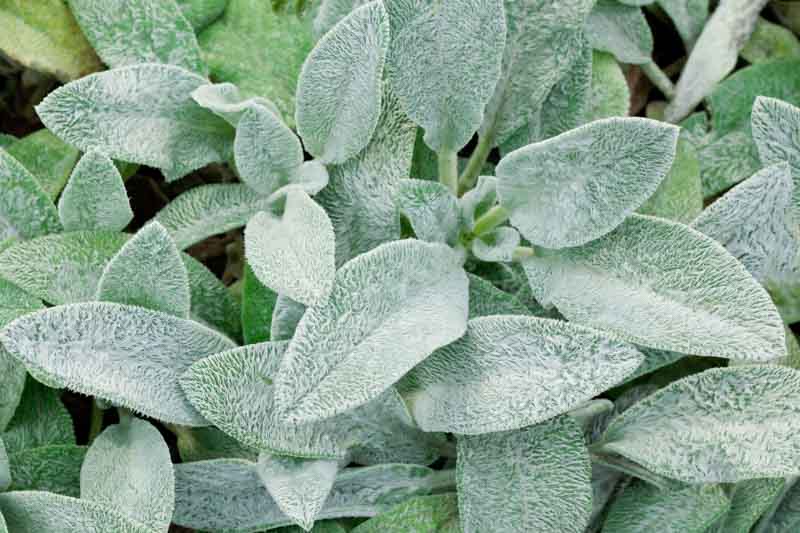
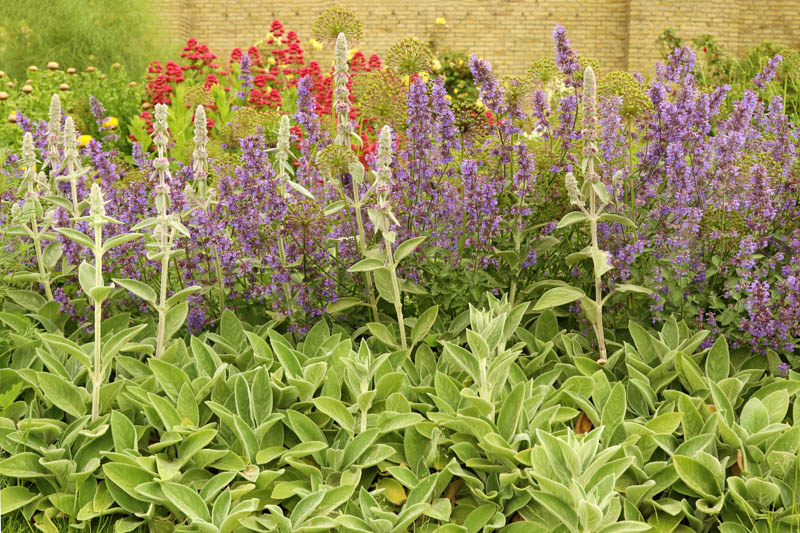
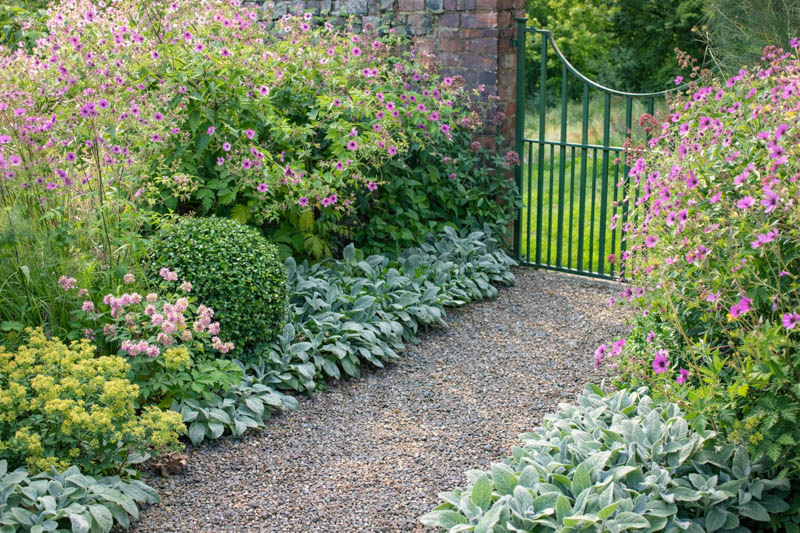
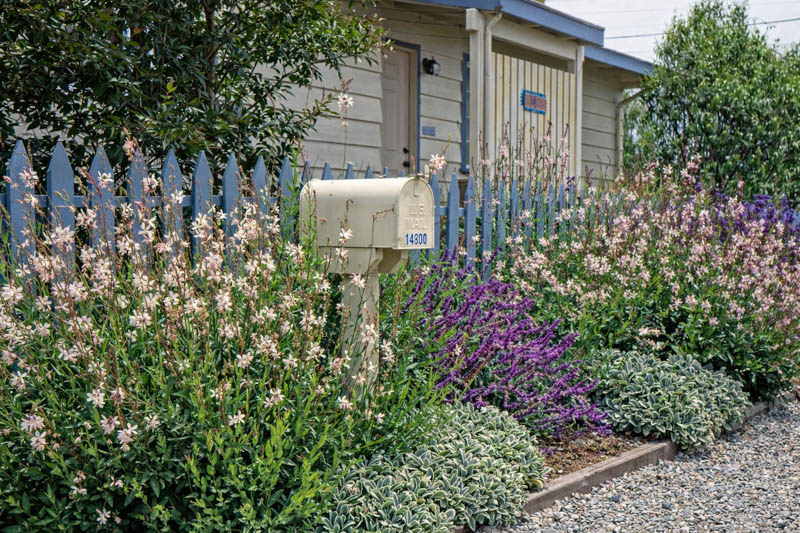
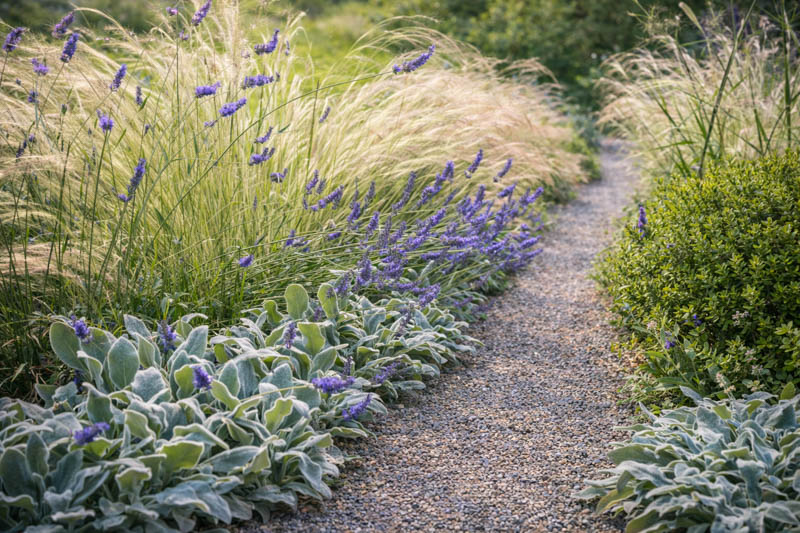
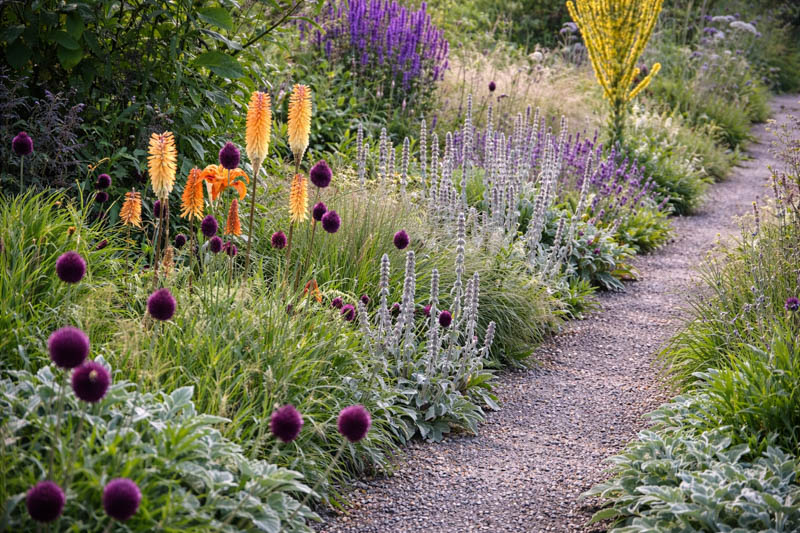
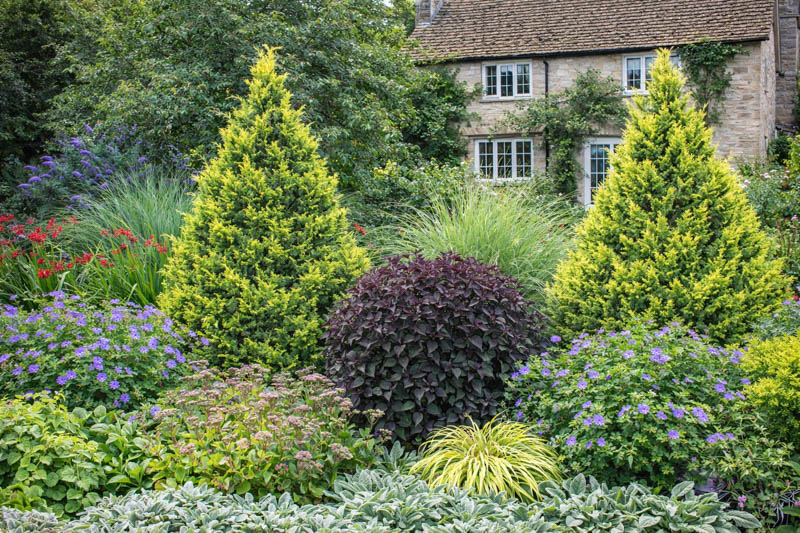
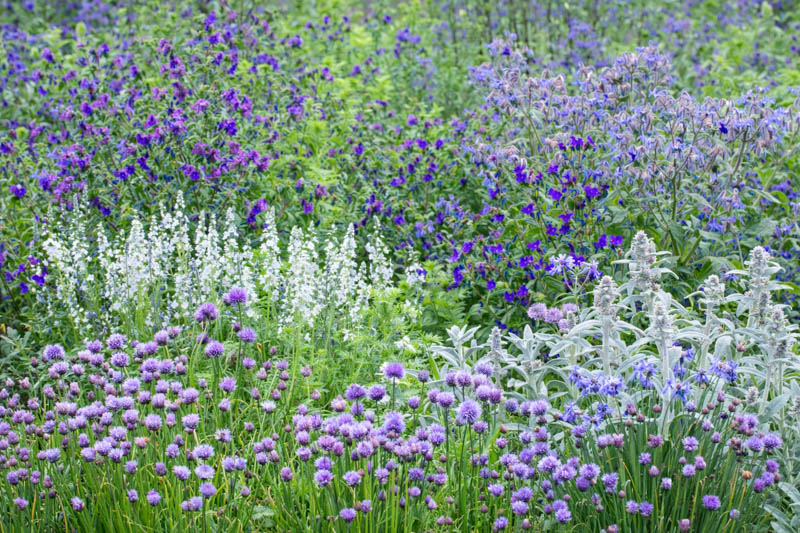
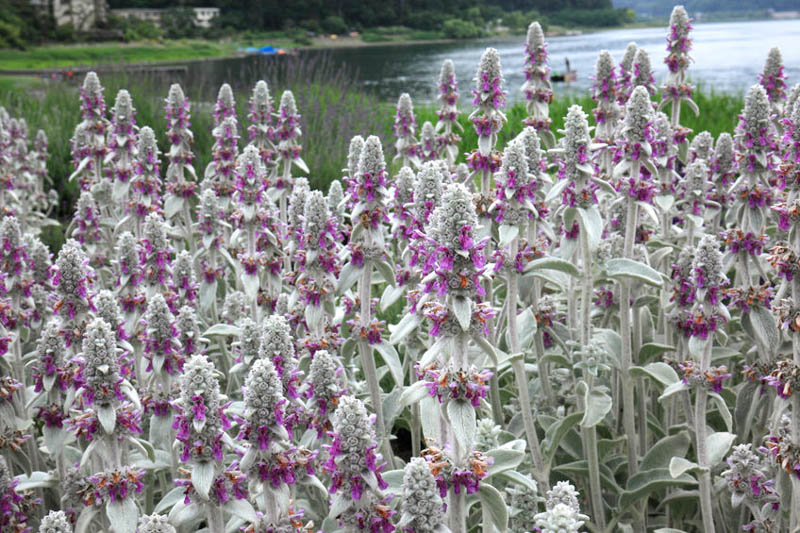


Stachys byzantina, better known as Lamb’s Ear, is one of those plants people remember after the first touch. The leaves are famously soft, woolly, and silver-gray, forming a low, spreading mat that instantly adds texture to borders, pathways, and rock gardens. If you’re building a garden that looks lush but doesn’t demand constant watering, Lamb’s Ear is a classic, easy win.
It also happens to be a practical performer: once established, it’s reliably drought-tolerant, and the fuzzy foliage tends to discourage hungry visitors like deer and rabbits. Add in its kid-friendly “pet me” texture and its ability to make neighboring flowers pop, and you get a foliage plant that earns its space in modern landscapes, cottage gardens, and Mediterranean Garden Ideas You’ll Love.
Summary: Low-growing perennial foliage plant with dense, velvety silver-gray leaves that forms a soft-textured ground cover.
Use: Great for borders, edging, rock gardens, dry gardens, and sensory gardens.
Highlight: The iconic “touchable” foliage that lights up sunny beds like a silver carpet.
Note: Best in full sun and well-drained soil; avoid winter-wet sites and tight, humid crowding.
| Botanical Name | Stachys byzantina |
|---|---|
| Family | Mint family (Lamiaceae) |
| Common Names | Lamb’s Ear, Woolly Betony |
| Native Range | Native to parts of the Middle East, including regions of Turkey, Armenia, and Iran |
| Plant Type and Habit | Herbaceous perennial with a low, clumping, spreading ground-covering habit |
| Hardiness (approx. USDA) | Hardy in USDA Zones 4-8 |
| Height | 6-8 in. (15-20 cm); 12-18 in. (30-45 cm) in flower |
| Spread | 12-36 in. (30-90 cm) |
| Sun and Exposure | Best in full sun; tolerates partial shade (especially in hot climates) |
| Soil | Moderately fertile, well-drained soil; avoid soggy, poorly drained spots |
| Bloom Time | Late spring to early summer |
| Flower Color | Pink to purple (on upright spikes) |
| Foliage Color | Silver-gray to woolly white |
| Drought Tolerant | Moderately (once established) – drought tolerant |
| Pollution Tolerant | Yes |
| Heat Tolerant | Yes |
| Fire Resistant | Sometimes listed as fire-wise (varies by region) |
| Black Walnut Tolerant | Yes |
| Poor Soil Tolerant | Yes |
| Attracts | Flowers can feed bees and butterflies |
| Deer / Rabbit | Generally resistant to deer and rabbits |
| Toxicity | Not known to be toxic to humans or pets. Discourage chewing / may irritate sensitive mouths |
| Invasive Status | Spreads in favorable conditions, but usually not considered invasive |
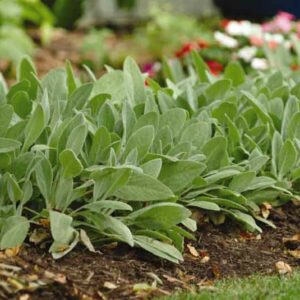
Lamb’s Ear is a foliage plant grown first and foremost for its leaves. Each leaf is thickly coated in fine hairs that create that signature velvet texture and a silver-gray glow in sunlight. The plant forms a dense, low mat that reads as a living ground cover – neat enough for edging, but relaxed enough for naturalistic plantings.
Stachys byzantina comes from a region where plants learn to cope with bright sun, lean soils, and periodic dryness. It is native to parts of the Middle East, especially areas in Turkey, Armenia, and Iran.
Expect a low mound of foliage about 6-8 inches tall (15-20 cm), with flower spikes rising to roughly 12-18 inches (30-45 cm). Spread can range from 12-36 inches (30-90 cm) depending on the site and selection. In the right conditions, it slowly expands and knits into a soft, silvery patch – a great visual “pause” between brighter flowering plants.
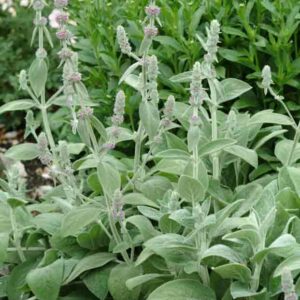
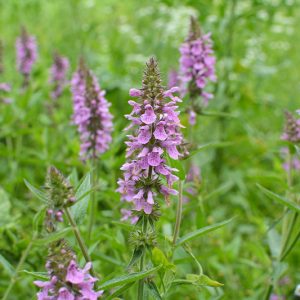
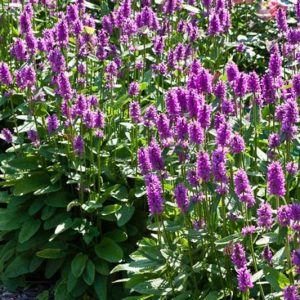
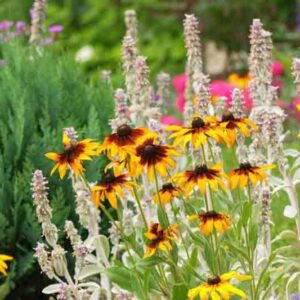
In late spring to early summer, Lamb’s Ear sends up fuzzy spikes dotted with small pink to purple flowers. Some gardeners love the added height and bloom, while others grow Lamb’s Ear strictly for foliage. Here’s the easy compromise: if you prefer a cleaner, leaf-forward look, simply cut the flower stalks off. Many gardeners find that removing the stalks keeps the plant looking fresher and can improve overall vigor.
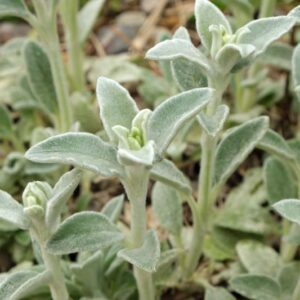
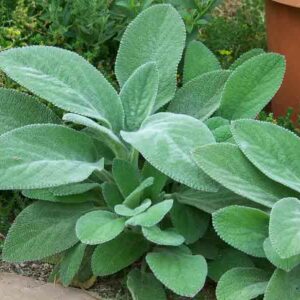
The foliage is the whole show: large, oval leaves with a plush, touchable finish. That woolly surface does more than look good – it helps reduce water loss, which is part of why Lamb’s Ear performs well in dry gardens and sunny borders. In milder climates, the plant can stay attractive for long stretches of the year. In colder winters, it may die back, then resprout from the crown when temperatures warm.
Lamb’s Ear is generally hardy in USDA Zones 4-8. In zones with wet winters, drainage becomes the deciding factor. Cold is usually manageable; persistent wet around the crown is what causes trouble.
It also pairs naturally with drought-friendly plant lists and zone-based planning resources, especially when you’re building a low-water palette:
Best Drought-Tolerant Plants for Zone 8 Gardens,
Best Drought-Tolerant Plants for Zone 7 Gardens,
Best Drought-Tolerant Plants for Zone 6 Gardens.
Lamb’s Ear isn’t typically planted as a wildlife powerhouse, but the flowers can still offer nectar, drawing in bees and butterflies when in bloom. Think of it as a “supporting actor” in a pollinator garden: it won’t steal the scene, but it helps keep the buffet going.
The fuzzy leaves are a built-in deterrent, so Lamb’s Ear is generally resistant to browsing by deer and rabbits. If you garden in an area with heavy pressure, it’s still smart to diversify your “resistant” plantings. These guides can help you build a broader strategy:
Ultimate Guide to Deer-Resistant Plants: Strategies, Lists & Zone Picks and
Best Deer-Resistant Plants for Zone 8.
Once established, Stachys byzantina is notably drought-tolerant. The key phrase is “once established”: water regularly at planting time so roots develop, then transition to deeper, less frequent watering. In most gardens, overwatering causes far more problems than underwatering.
Lamb’s Ear is not known to be toxic to humans or pets. As with any ornamental, it’s still a good idea to discourage chewing, especially with curious pets or toddlers.
Lamb’s Ear can spread in favorable conditions, but it’s usually not considered invasive in typical garden use. If it creeps beyond its welcome, simply lift and divide the edges – it responds well to that kind of practical editing.
Self-seeding note: Some forms may self-seed lightly (especially if flower stalks are left in place), while many cultivars seed far less or not at all. If you want a strictly foliage-first, tidy patch, remove flower spikes after bloom.
Lamb’s Ear usually needs little to no fertilizer. Overfeeding can push softer growth that looks less tidy and may be more vulnerable to moisture problems. If your soil is very poor, a light top-dressing of compost in spring is enough.
Lamb’s Ear is generally pest-resistant, but in damp conditions you may see slugs and snails hiding in the foliage. The fix is usually cultural: reduce wetness, increase airflow, and remove leaf litter where pests shelter.
Yes. Once established, Lamb’s Ear is drought tolerant and performs best with deep, infrequent watering in well-drained soil. Overwatering causes more problems than dry conditions.
Full sun produces the densest, silvery foliage and healthiest plants. Light shade is tolerated, especially in hot climates, but too much shade leads to thinner growth and rot.
Lamb’s Ear blooms in late spring to early summer, sending up fuzzy flower spikes with small pink to purple flowers above the foliage.
You can. Many gardeners remove flower stalks after blooming to keep the plant tidy and direct energy back into leaf growth.
Generally yes. The fuzzy leaves are unappealing to deer and rabbits, making Lamb’s Ear a reliable choice for browse-prone gardens.
No. It spreads gradually in favorable conditions but is not typically invasive and is easy to control by dividing or trimming edges.
Almost always excess moisture. Poor drainage, wet winters, or crowded plants cause rot—sun, airflow, and dry soil prevent most issues.
Yes. Lamb’s Ear is not known to be toxic and is often used in sensory and children’s gardens because of its soft, touchable leaves.
Keep the crown dry, remove damaged leaves, avoid rich soil, and divide clumps every few years to refresh growth.
Lamb’s Ear is used as a silvery ground cover, edging plant, and texture-builder in sunny borders, rock gardens, and water-wise landscapes. It’s especially popular in sensory and children’s gardens because the leaves are famously soft.
Several plants mimic Lamb’s Ear’s silver, fuzzy look, but most feel different up close. Common “look-alikes” include dusty miller, licorice plant, woolly thyme, Artemisia, and some mullein types – all great for that soft, silvery palette.
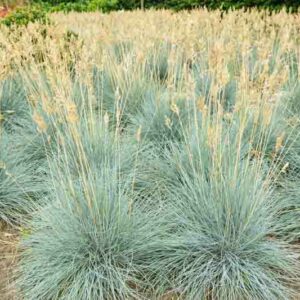
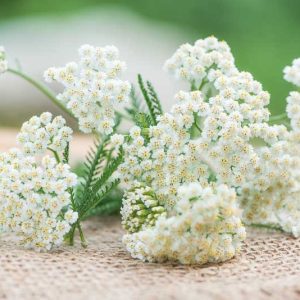
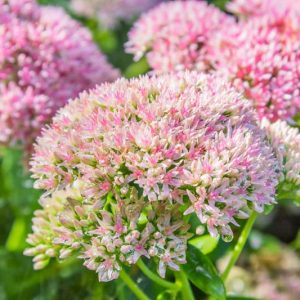
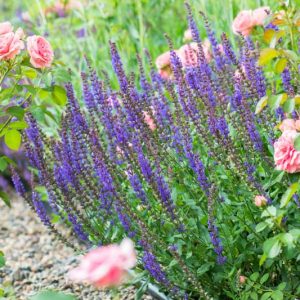
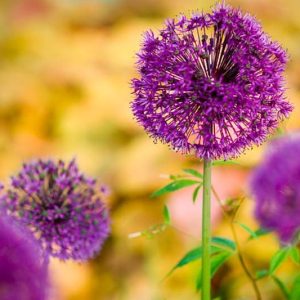
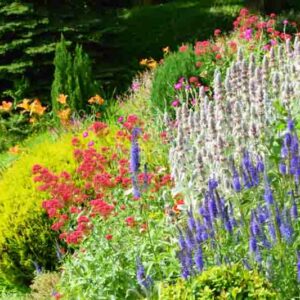
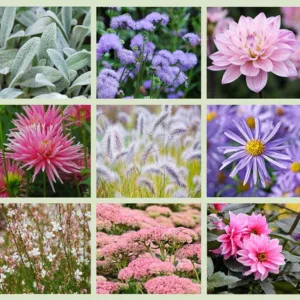
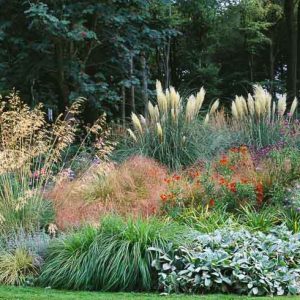
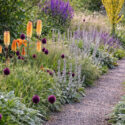
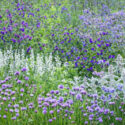
The best companions love sun and drainage and look great against silver foliage: lavender, salvia, Russian sage, catmint (Nepeta), yarrow, coneflower (Echinacea), coreopsis, sedum (stonecrop), alliums, thyme, and ornamental grasses like blue fescue or Stipa.
Lamb’s Ear is not generally considered poisonous to people or pets. It’s still smart to discourage chewing, but it’s widely grown as a family-friendly, touchable garden plant.
Plant Lamb’s Ear in spring or early fall so roots can establish before extreme heat or cold. The key is choosing a sunny, well-drained spot – good drainage matters more than perfect soil.
Yes. Lamb’s Ear is a perennial ground cover in many climates, typically hardy in colder zones and returning from the crown each year when conditions suit it.
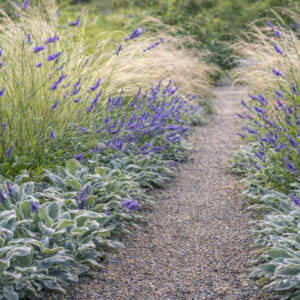
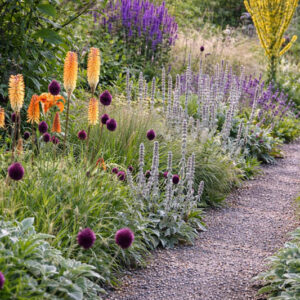
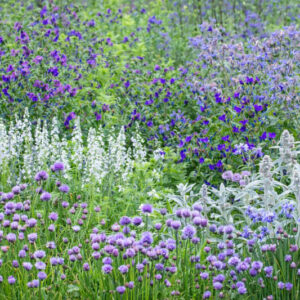
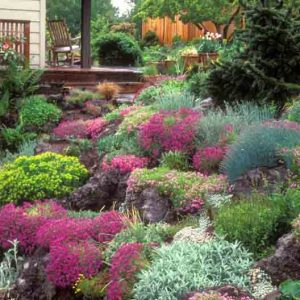
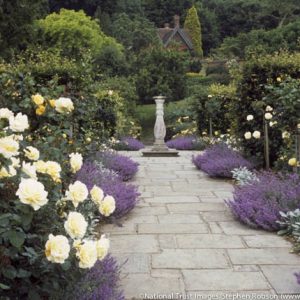
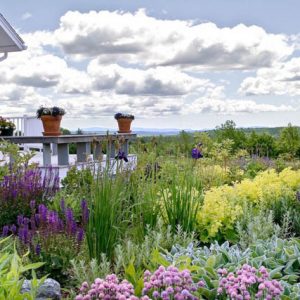
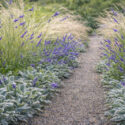
Use Lamb’s Ear as a soft border along paths, in drifts for a silver “carpet” effect, tucked into rock and gravel gardens, or as a cooling contrast next to bold-color flowers. It also shines in Mediterranean-style and low-water designs where texture and drought tolerance matter.
Stachys byzantina (Lamb’s Ear) is a soft, silver, sun-loving ground cover that thrives on drainage, tolerates drought once established, and brings unmatched foliage texture to borders, rock gardens, and water-wise landscapes.
General horticultural guidance – emphasis on drainage, crown dryness, and airflow for fuzzy-leaved perennials
Updated: January 2026 – Reviewed by Gardenia Editors
| Hardiness |
4 - 8 |
|---|---|
| Heat Zones |
1 - 8 |
| Climate Zones | 1, 2, 3, 4, 5, 6, 7, 8, 9, 10, 11, 12, 13, 14, 15, 16, 17, 18, 19, 20, 21, 22, 23, 24 |
| Plant Type | Perennials |
| Plant Family | Lamiaceae |
| Genus | Stachys |
| Common names | Lamb's Ear |
| Exposure | Full Sun, Partial Sun |
| Season of Interest | Spring (Early, Mid, Late), Summer (Early, Mid, Late), Fall, Winter |
| Height | 6" - 2' (15cm - 60cm) |
| Spread | 1' - 3' (30cm - 90cm) |
| Spacing | 18" - 24" (50cm - 60cm) |
| Maintenance | Low |
| Water Needs | Low |
| Soil Type | Chalk, Loam, Sand |
| Soil pH | Acid, Alkaline, Neutral |
| Soil Drainage | Well-Drained |
| Characteristics | Showy, Semi-Evergreen |
| Tolerances | Drought, Deer, Rabbit, Dry Soil, Rocky Soil, Heat, Black Walnut, Poor Soil, Fire |
| Attracts | Bees, Butterflies |
| Garden Uses | Beds And Borders, Edging, Ground Covers, Patio And Containers, Underplanting Roses And Shrubs |
| Garden Styles | City and Courtyard, Coastal Garden, Gravel and Rock Garden, Informal and Cottage |
| Toxic to Humans | No known toxicity |
| Toxic to Cats | No known toxicity |
| Toxic to Dogs | No known toxicity |
| Toxic to Horses | No known toxicity |


| Hardiness |
4 - 8 |
|---|---|
| Heat Zones |
1 - 8 |
| Climate Zones | 1, 2, 3, 4, 5, 6, 7, 8, 9, 10, 11, 12, 13, 14, 15, 16, 17, 18, 19, 20, 21, 22, 23, 24 |
| Plant Type | Perennials |
| Plant Family | Lamiaceae |
| Genus | Stachys |
| Common names | Lamb's Ear |
| Exposure | Full Sun, Partial Sun |
| Season of Interest | Spring (Early, Mid, Late), Summer (Early, Mid, Late), Fall, Winter |
| Height | 6" - 2' (15cm - 60cm) |
| Spread | 1' - 3' (30cm - 90cm) |
| Spacing | 18" - 24" (50cm - 60cm) |
| Maintenance | Low |
| Water Needs | Low |
| Soil Type | Chalk, Loam, Sand |
| Soil pH | Acid, Alkaline, Neutral |
| Soil Drainage | Well-Drained |
| Characteristics | Showy, Semi-Evergreen |
| Tolerances | Drought, Deer, Rabbit, Dry Soil, Rocky Soil, Heat, Black Walnut, Poor Soil, Fire |
| Attracts | Bees, Butterflies |
| Garden Uses | Beds And Borders, Edging, Ground Covers, Patio And Containers, Underplanting Roses And Shrubs |
| Garden Styles | City and Courtyard, Coastal Garden, Gravel and Rock Garden, Informal and Cottage |
| Toxic to Humans | No known toxicity |
| Toxic to Cats | No known toxicity |
| Toxic to Dogs | No known toxicity |
| Toxic to Horses | No known toxicity |
How many Stachys byzantina (Lamb’s Ear) do I need for my garden?
| Plant | Quantity | |
|---|---|---|
| Stachys byzantina (Lamb’s Ear) | N/A | Buy Plants |
Create a membership account to save your garden designs and to view them on any device.
Becoming a contributing member of Gardenia is easy and can be done in just a few minutes. If you provide us with your name, email address and the payment of a modest $25 annual membership fee, you will become a full member, enabling you to design and save up to 25 of your garden design ideas.
Join now and start creating your dream garden!
Create a membership account to save your garden designs and to view them on any device.
Becoming a contributing member of Gardenia is easy and can be done in just a few minutes. If you provide us with your name, email address and the payment of a modest $25 annual membership fee, you will become a full member, enabling you to design and save up to 25 of your garden design ideas.
Join now and start creating your dream garden!