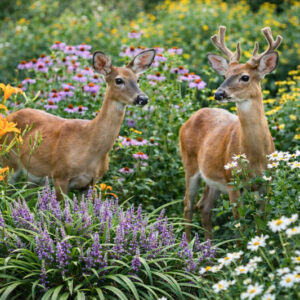
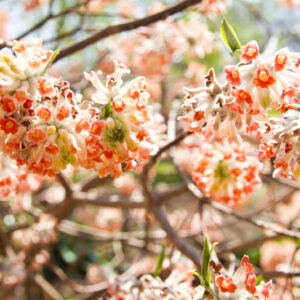
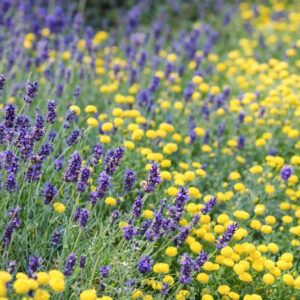
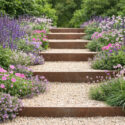
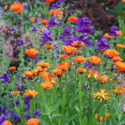
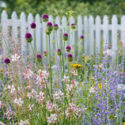
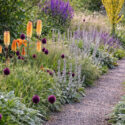
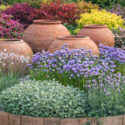
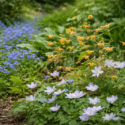
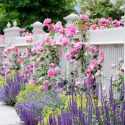
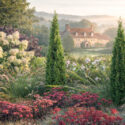
Zone 8 offers one of the longest pollinator seasons in the US, making it perfect for vibrant, wildlife rich gardens. Discover the best nectar packed, heat tolerant plants that attract bees, butterflies, and hummingbirds while creating year round habitat and nonstop bloom in every corner of your landscape.
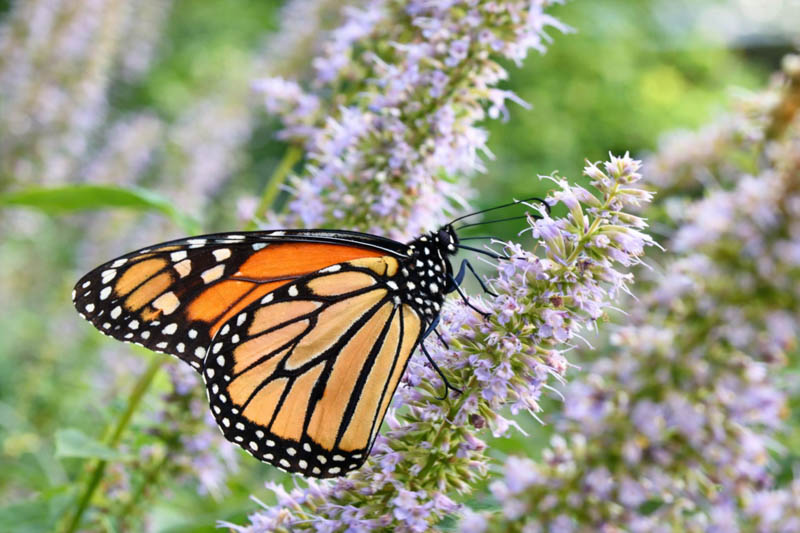


USDA Hardiness Zone 8 stretches across the southeastern US, Texas, parts of the Southwest, and mild coastal regions of the Pacific Northwest. Thanks to long hot summers and shorter, gentler winters, this zone is one of the easiest places in North America to grow pollinator friendly gardens loaded with color, motion, biodiversity, and year round habitat.
Beyond perennials and shrubs, pollinator friendly trees such as redbud, serviceberry, native willows, and regionally appropriate crape myrtles add structure, early nectar, and critical nesting sites to your Zone 8 landscape.
Zone 8’s extended growing season means you can support native bees, butterflies, hummingbirds, night pollinators, beetles, and beneficial insects from February through November. The secret is choosing nectar rich, regionally adapted plants that tolerate summer heat, inconsistent rainfall, and occasional cold snaps while still providing abundant pollen, nectar, shelter, and larval food.
Whether you’re gardening in humid Georgia, warm central Texas, or the mild evergreen edges of coastal Oregon, Zone 8 gives you a vast palette of pollinator plants that deliver continuous bloom, climate resilience, and ecosystem value. In just one season, you’ll notice more butterflies gliding through your yard and more bees working every bloom.
| Hardiness |
8 |
|---|---|
| Plant Type | Annuals, Perennials, Shrubs |
| Attracts | Bees, Butterflies, Hummingbirds |
| Toxic to Humans | No known toxicity |
| Toxic to Cats | No known toxicity |
| Toxic to Dogs | No known toxicity |
| Toxic to Horses | No known toxicity |
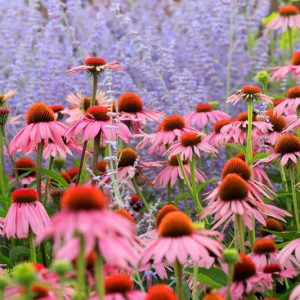
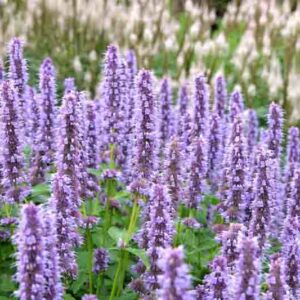
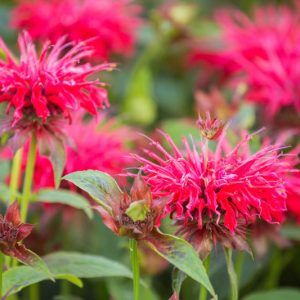
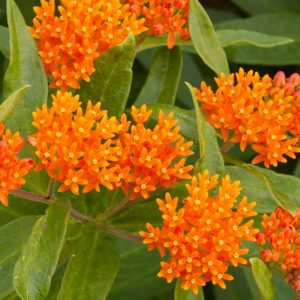
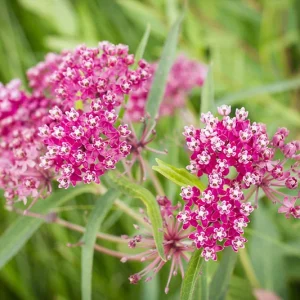
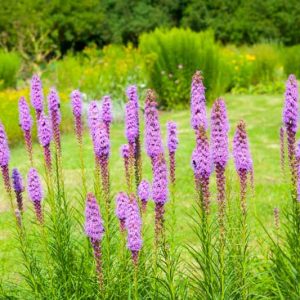
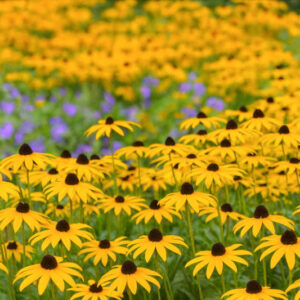
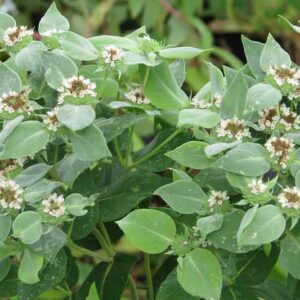
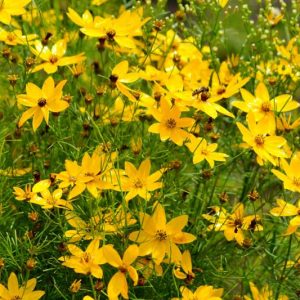
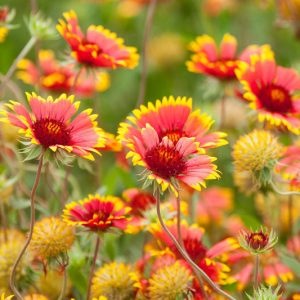
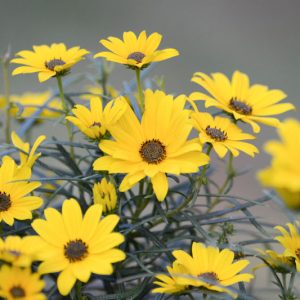
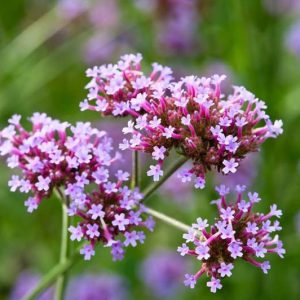
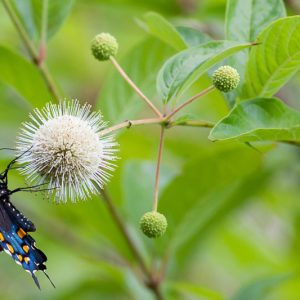
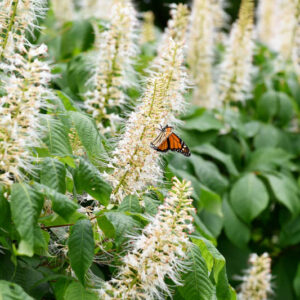
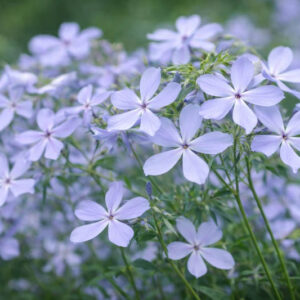
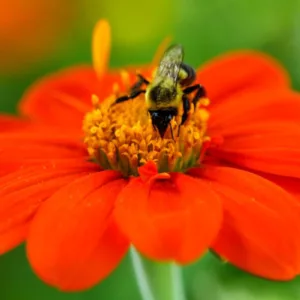
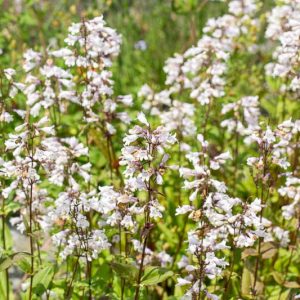
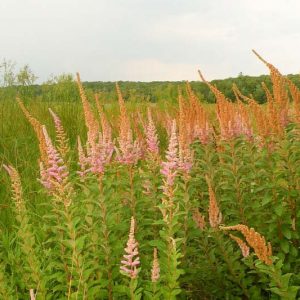
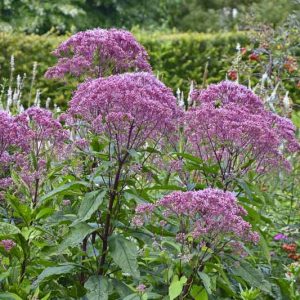
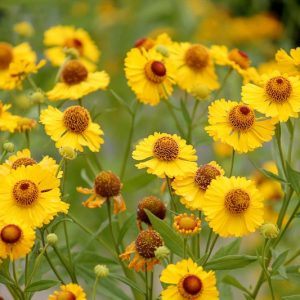
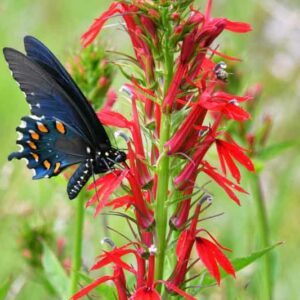
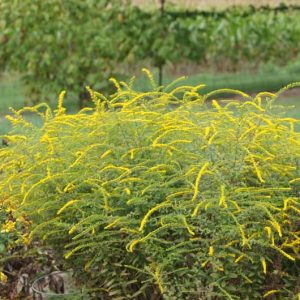
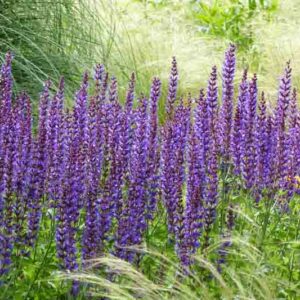
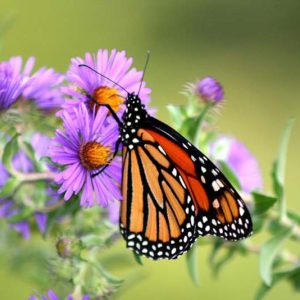
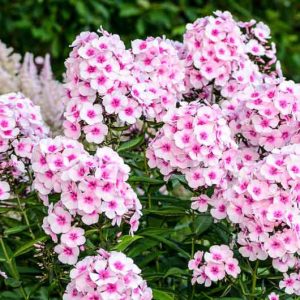
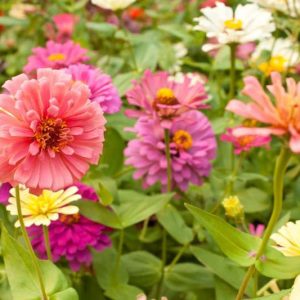
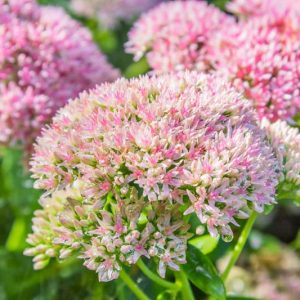
Start with just one bed – pick one full sun recipe below and repeat plants in drifts of 5 to 7 for instant impact and easy maintenance.
Zone 8 covers a wide range of climates, from humid subtropical to arid and Mediterranean influenced. Your microclimate determines which pollinator plants thrive with the least effort.
| Growing Condition | Top Pollinator Plants | Pollinators Attracted | Notes |
|---|---|---|---|
| Full Sun | Salvias, Coneflowers, Blanket Flower, Mexican Sunflower, Blazing Star, Black Eyed Susan | Bees, butterflies, hummingbirds | Heat tolerant and high nectar output all summer. |
| Moist Soil | Bee Balm, Swamp Milkweed, Joe Pye Weed, Mountain Mint, Buttonbush, Cardinal Flower | Butterflies, bumblebees, hummingbirds | Excellent for rain gardens and low spots. |
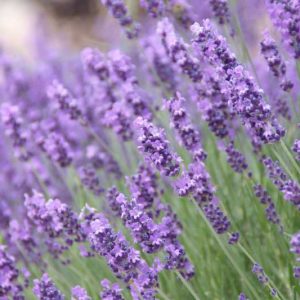
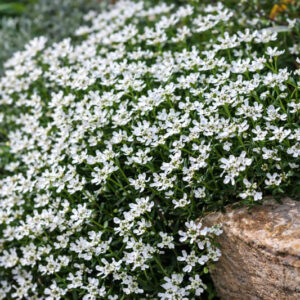
| Dry Soil | Lavender, Stonecrop, Anise Hyssop, Salvias, Zinnias, New England Aster | Native bees, swallowtails, painted ladies | Perfect for water wise, low maintenance landscapes. |
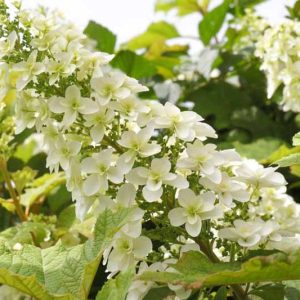
| Part Shade | Woodland Phlox, Summersweet, Oakleaf Hydrangea, Coral Bells | Bumblebees, early butterflies, moths | Critical for early season pollinators. |
Combine Asclepias tuberosa, Asclepias incarnata, Liatris spicata, Solidago rugosa ‘Fireworks’, and Verbena bonariensis to support monarchs spring through fall.
Use Echinacea purpurea, Agastache foeniculum, Coreopsis verticillata, mountain mint, and Gaillardia pulchella for nonstop buzzing.
Blend Monarda didyma, Salvia greggii, Lobelia cardinalis, Penstemon digitalis, and Tithonia rotundifolia.
Layer Phlox divaricata, Clethra alnifolia, Hydrangea quercifolia, and Heuchera for cool habitat rich understory gardens.
Snap before-and-after photos of your pollinator garden and track which flowers get the most visitors – you will quickly see which plant combinations your local bees and butterflies love.
As you observe your garden over time, you will notice patterns – which flowers are busiest at noon, which shrubs hum at dusk, and how a few thoughtful changes can dramatically increase pollinator activity.
Coneflower, salvia, blanket flower, zinnias, and Mexican sunflower are nearly foolproof in Zone 8. They thrive in heat, bloom for months, and attract bees, butterflies, and hummingbirds with minimal care.
Liatris, butterfly weed, verbena, zinnias, and Mexican sunflower are top butterfly magnets. These plants offer abundant nectar and bright colors that draw monarchs, swallowtails, and painted ladies.
Bee balm, salvia, cardinal flower, autumn sage, and penstemon provide tubular blooms loaded with nectar. Plant them in succession for spring through fall hummingbird visits.
Grow early bloomers like woodland phlox, summer nectar sources like coneflower and salvia, and late season plants like goldenrod and asters. Leave stems and leaf litter in winter for habitat.
Butterfly weed (Asclepias tuberosa) and swamp milkweed (Asclepias incarnata) are the best monarch host plants for Zone 8. They support caterpillars and supply nectar for migrating adults.
Updated: December 2025 • Reviewed by Gardenia Editors
| Hardiness |
8 |
|---|---|
| Plant Type | Annuals, Perennials, Shrubs |
| Attracts | Bees, Butterflies, Hummingbirds |
| Toxic to Humans | No known toxicity |
| Toxic to Cats | No known toxicity |
| Toxic to Dogs | No known toxicity |
| Toxic to Horses | No known toxicity |
Create a membership account to save your garden designs and to view them on any device.
Becoming a contributing member of Gardenia is easy and can be done in just a few minutes. If you provide us with your name, email address and the payment of a modest $25 annual membership fee, you will become a full member, enabling you to design and save up to 25 of your garden design ideas.
Join now and start creating your dream garden!
Create a membership account to save your garden designs and to view them on any device.
Becoming a contributing member of Gardenia is easy and can be done in just a few minutes. If you provide us with your name, email address and the payment of a modest $25 annual membership fee, you will become a full member, enabling you to design and save up to 25 of your garden design ideas.
Join now and start creating your dream garden!