Zone 8 gardeners enjoy one of the longest growing seasons in the country, making groundcovers a powerful design tool. From heat-proof sun lovers to lush shade carpets, these plants deliver beauty, erosion control, and year-round structure with almost no maintenance. Explore the top performers for thriving, vibrant landscapes.
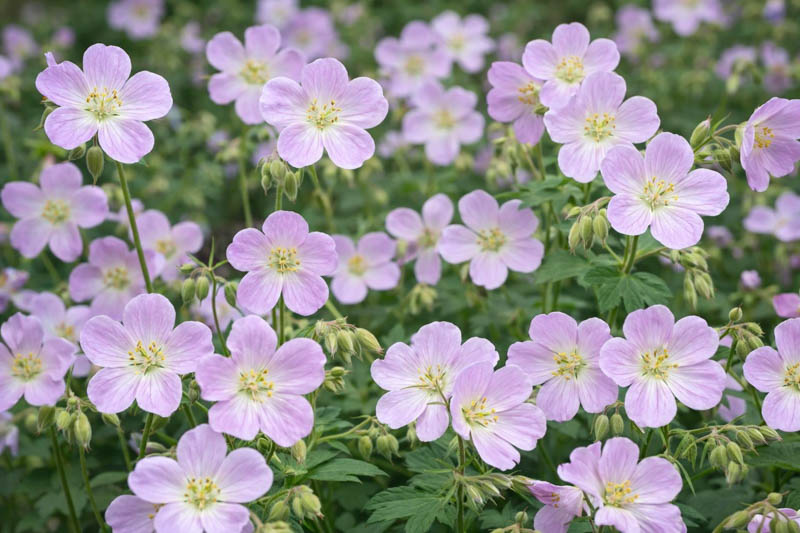


If you garden in USDA Zone 8 – stretching across parts of the Pacific Northwest, northern California, much of the South including Georgia, Alabama, Mississippi, Texas, as well as coastal regions and pockets of the Southwest – you already know that warm winters and long growing seasons make groundcovers incredibly effective and rewarding.
In Zone 8, a successful groundcover is more than a filler. It is a soil-saver, weed-blocker, pollinator resource, erosion controller, and year-round design element. With mild freezes, generous sunlight, and extended growth windows, groundcovers settle in quickly and often outperform their behavior in cooler regions.
Your key to success? Choose groundcovers adapted to your exact microclimate – hot sunbaked slopes, irrigated borders, bright shade, humid woodland edges, or dry sandy soils. Zone 8 is diverse, and matching plant to place unlocks thriving carpets that look intentional rather than accidental.
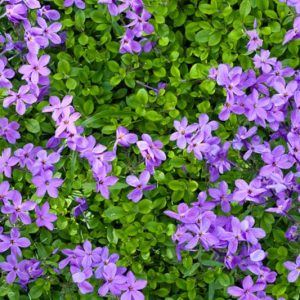
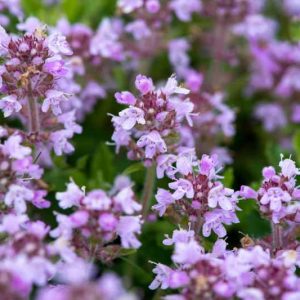
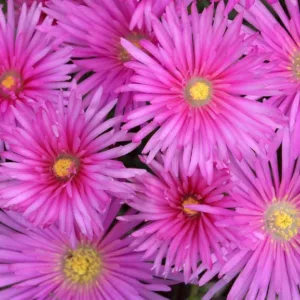
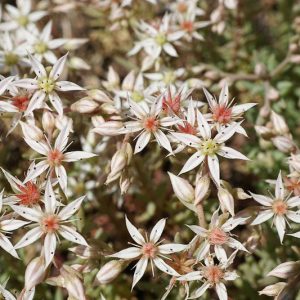
Whether you want evergreen mats, fragrant walkable carpets, erosion-proof slope stabilizers, or colorful flowering groundcovers that feed bees from early spring to late fall, Zone 8 offers an impressive lineup of reliable performers, from Epimedium x rubrum and Pachysandra terminalis in shade to Thymus serpyllum, Delosperma cooperi, and Sedum album in full sun.
Quick reminder: Always avoid invasive spreaders in naturalized areas, including English ivy and vinca major. Choose ecologically responsible options that protect local ecosystems.
| Hardiness |
8 |
|---|---|
| Landscaping Ideas | Ground Covers |
| Toxic to Humans | No known toxicity |
| Toxic to Cats | No known toxicity |
| Toxic to Dogs | No known toxicity |
| Toxic to Horses | No known toxicity |
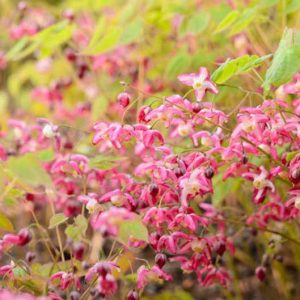

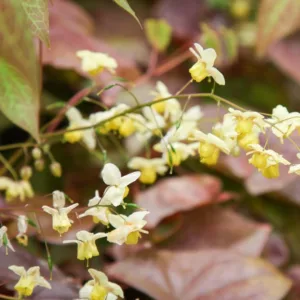
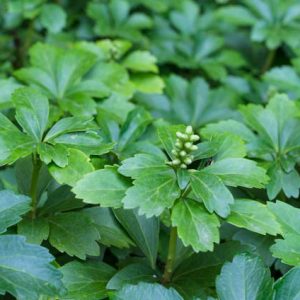
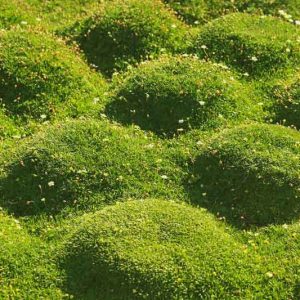
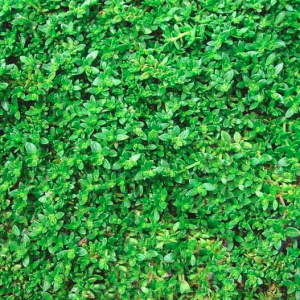
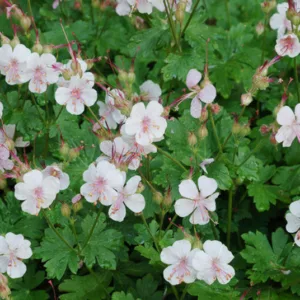

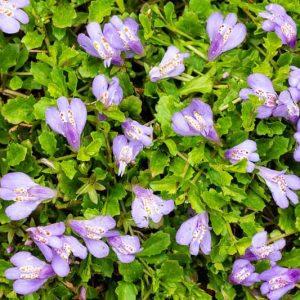
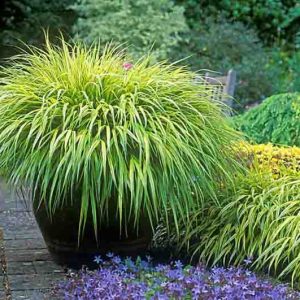
Use the comparison table below to match your conditions with dependable Zone 8 performers.
| Growing Condition | Best Easy Groundcovers | Spread Rate | Notes |
|---|---|---|---|
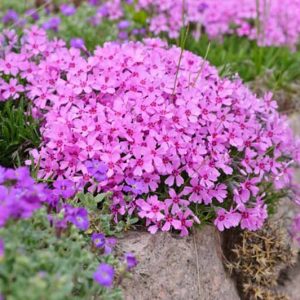
| Full Sun | Thymus serpyllum, Phlox subulata, Delosperma cooperi, Sedum album, Sedum reflexum |
Moderate-Fast | Thrives in heat and drought. Excellent for hard-to-irrigate slopes and rock gardens. |
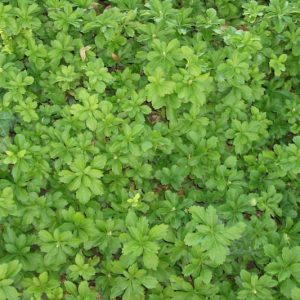
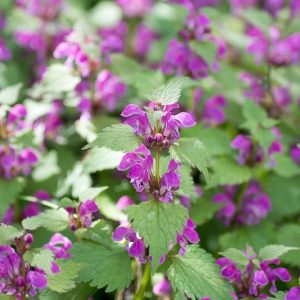
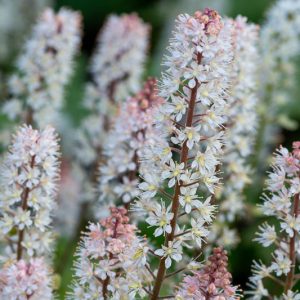
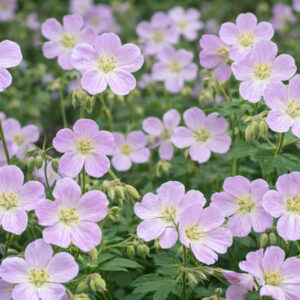
| Part Shade | Geranium maculatum, Geranium x cantabrigiense ‘Biokovo’, Lamium maculatum, Tiarella cordifolia, Phlox stolonifera, Hakonechloa macra |
Moderate | Great for woodland edges and moisture-retentive soils. |
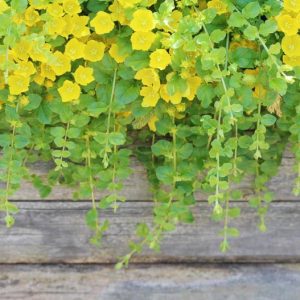
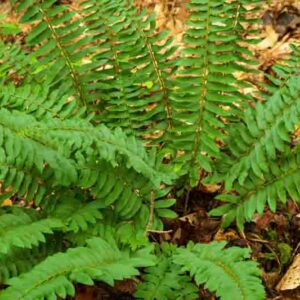
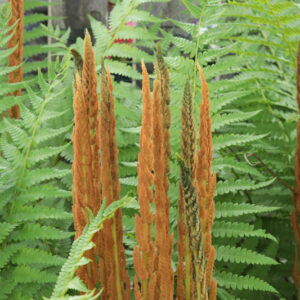
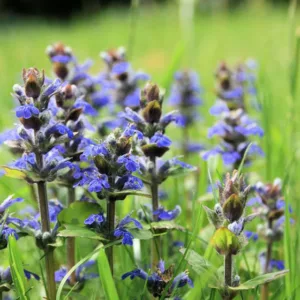
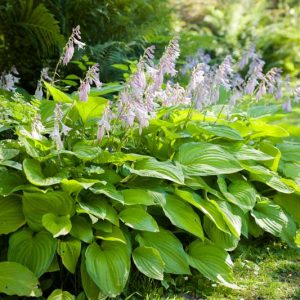
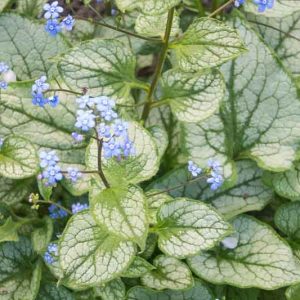
| Moist Shade | Lysimachia nummularia ‘Aurea’, Ajuga reptans, Brunnera macrophylla, Hosta groupings, Osmunda cinnamomea, Polystichum acrostichoides |
Fast (Ajuga, Lysimachia) – Moderate (Brunnera, ferns) | Excellent for erosion control and bold-texture plantings in consistently moist shade. |
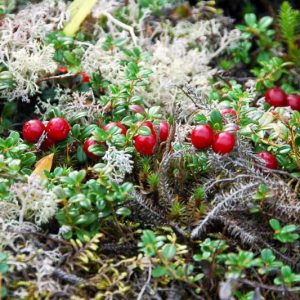
| Dry Shade | Epimedium species, Pachysandra terminalis, Pachysandra procumbens, Carex pensylvanica, Mitchella repens, Ophiopogon japonicus ‘Nana’ |
Slow-Moderate | Perfect for under trees and low light areas where irrigation is limited. |
Unlike turfgrass or mulch-only landscape beds, these plants actively improve soil health, require minimal maintenance, and create year-round texture and color. They also enhance ecological resilience and support local wildlife.
Zone 8’s mild winters and long warm seasons mean groundcovers spread faster here than in cooler climates. This is great for coverage but requires smart placement.
Bottom line: Match sunlight, moisture, and desired spread rate to your microclimate for best results.
These beginner-friendly picks thrive across a wide range of Zone 8 conditions and deliver fast success.
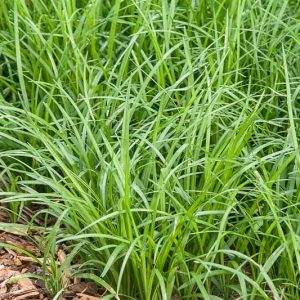
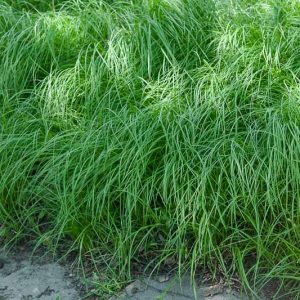
Blend Epimedium x rubrum, Pachysandra procumbens, and Mitchella repens, then edge with graceful clumps of Carex pensylvanica for a tough yet elegant woodland floor that stays attractive through the seasons.
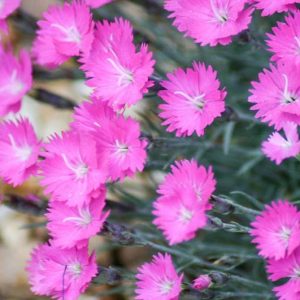
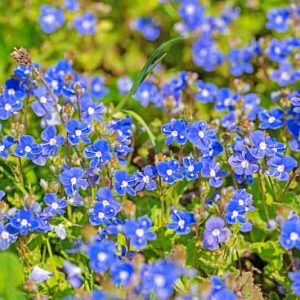
Mix Phlox stolonifera, Tiarella cordifolia, Geranium maculatum, and Veronica umbrosa ‘Georgia Blue’, with pockets of Dianthus ‘Firewitch’ for a long-lasting, bee-friendly bloom wave that matures into soft green mounds by summer.
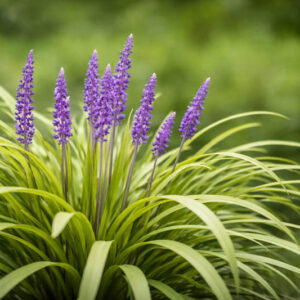
Use Liriope muscari, Thymus serpyllum, Sedum album, Sedum reflexum, and Delosperma cooperi for a drought-tolerant, erosion-resistant tapestry that shines in full sun.
Combine Lysimachia nummularia ‘Aurea’, Brunnera macrophylla, small Hosta groupings, Osmunda cinnamomea, and Mitchella repens, with ribbons of Ajuga reptans to add rich foliage color and bee-friendly blooms.
Liriope muscari is one of the easiest groundcovers for Zone 8. It is evergreen, drought-tolerant, adaptable to sun or shade, and spreads at a manageable pace without becoming invasive.
Ajuga reptans and Creeping Jenny (Lysimachia nummularia ‘Aurea’) are exceptionally fast spreaders in Zone 8, quickly covering bare soil and creating dense carpets when moisture needs are met.
Creeping thyme (Thymus serpyllum) thrives in heat, sun, and lean soil, making it one of the most drought-tolerant and low-maintenance options for Zone 8.
Pachysandra procumbens, the native Allegheny spurge, excels in dry to average shade, forming evergreen mats that require little care once established.
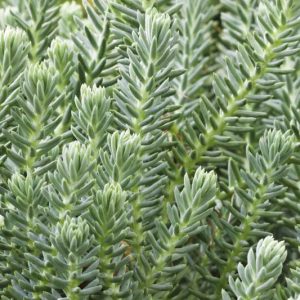
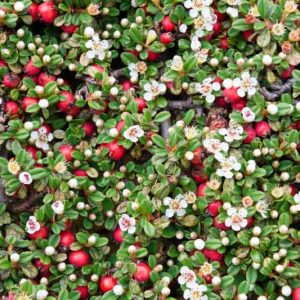
For most sunny slopes in Zone 8, Sedum reflexum (Blue Spruce Stonecrop) is an outstanding groundcover: it is drought-tolerant, fast-spreading, and roots along its stems to knit soil together. For larger or steeper banks, pair it with Delosperma cooperi or Cotoneaster dammeri for extra erosion control and year-round interest.
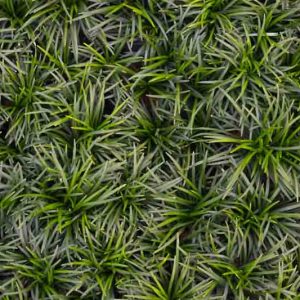
Evergreen favorites include Liriope muscari, Ophiopogon japonicus ‘Nana’, Pachysandra procumbens, and several sedum species.
Updated: December 2025 • Reviewed by Gardenia Editors
| Hardiness |
8 |
|---|---|
| Landscaping Ideas | Ground Covers |
| Toxic to Humans | No known toxicity |
| Toxic to Cats | No known toxicity |
| Toxic to Dogs | No known toxicity |
| Toxic to Horses | No known toxicity |
Create a membership account to save your garden designs and to view them on any device.
Becoming a contributing member of Gardenia is easy and can be done in just a few minutes. If you provide us with your name, email address and the payment of a modest $25 annual membership fee, you will become a full member, enabling you to design and save up to 25 of your garden design ideas.
Join now and start creating your dream garden!
Create a membership account to save your garden designs and to view them on any device.
Becoming a contributing member of Gardenia is easy and can be done in just a few minutes. If you provide us with your name, email address and the payment of a modest $25 annual membership fee, you will become a full member, enabling you to design and save up to 25 of your garden design ideas.
Join now and start creating your dream garden!