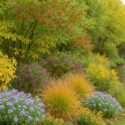
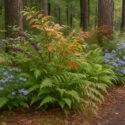
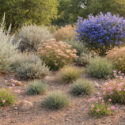
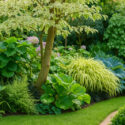
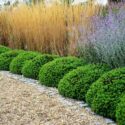
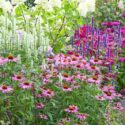
Garden in a high-deer area? Discover the best deer-resistant plants for USDA Zone 8, including shrubs, perennials, and groundcovers that thrive in heat and resist browsing. Build a resilient, colorful landscape using proven fragrant, textured, and tough plants deer usually avoid.
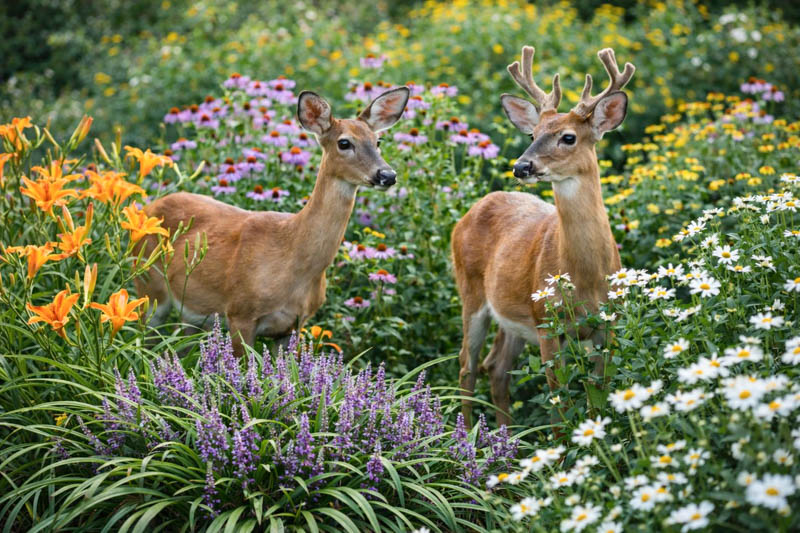


If you garden in USDA Hardiness Zone 8 — from Texas and the Southeast to northern California and the Pacific Northwest — you already know the challenge: long, mild growing seasons create ideal conditions for both lush plants and equally eager deer. More and more homeowners are turning to deer-resistant shrubs, perennials, and groundcovers that stay beautiful even where browsing pressure runs high.
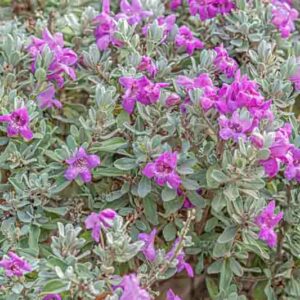
The good news: Zone 8 offers dozens of plants that deer typically avoid thanks to fragrant foliage, prickly textures, toxic compounds, or tough leaves. Think evergreen structure from creeping juniper and Texas sage, long-blooming color from lavender and coneflowers, and resilient groundcovers like creeping thyme and mondo grass. Together, they create a landscape that looks lush to you but unappetizing to deer.
| Hardiness |
8 |
|---|---|
| Plant Type | Perennials, Shrubs |
| Tolerances | Deer |
| Toxic to Humans | No known toxicity |
| Toxic to Cats | No known toxicity |
| Toxic to Dogs | No known toxicity |
| Toxic to Horses | No known toxicity |
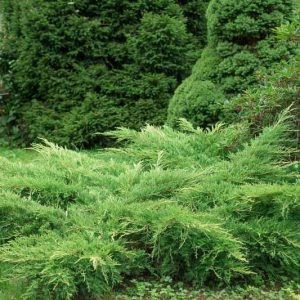
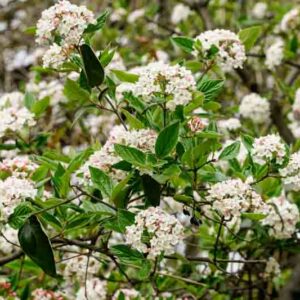

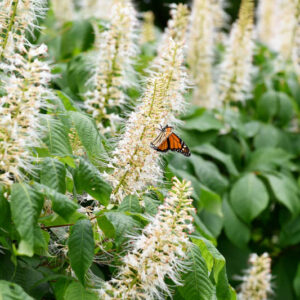
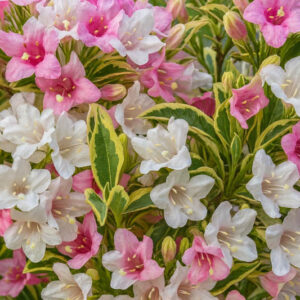
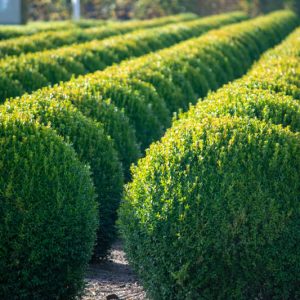
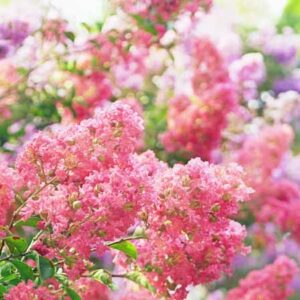
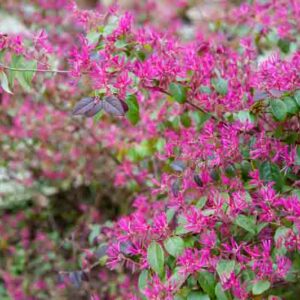
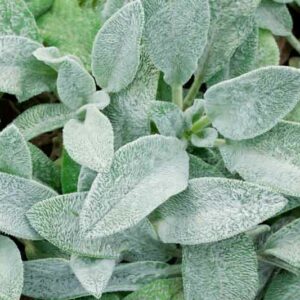
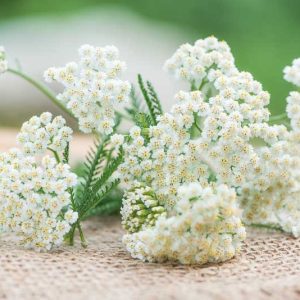
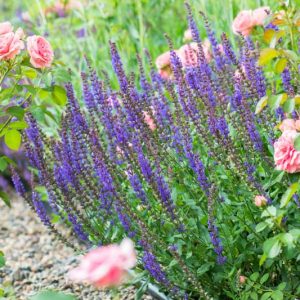
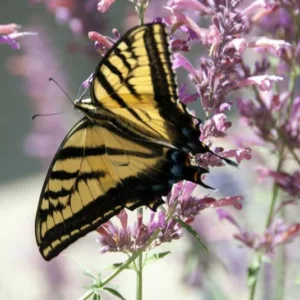
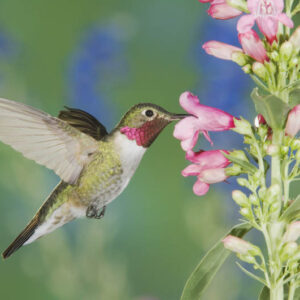
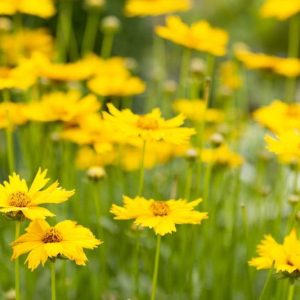

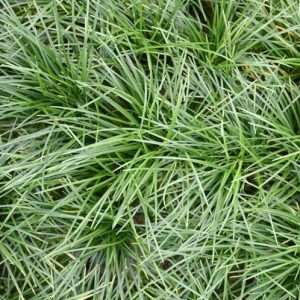
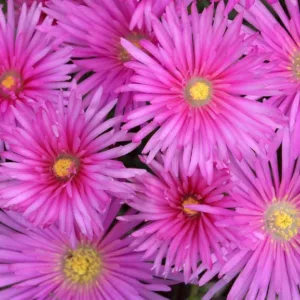
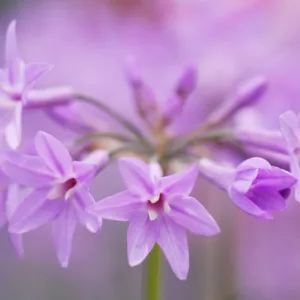
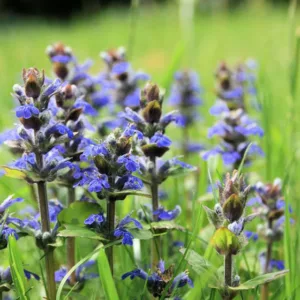
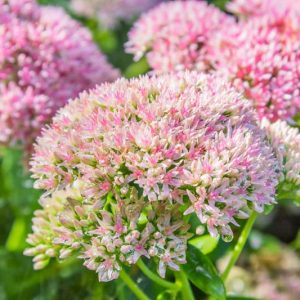
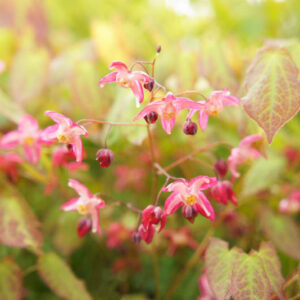
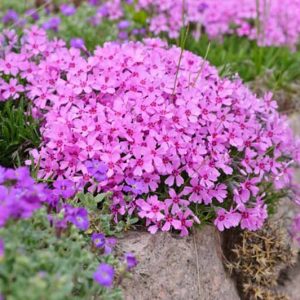
Zone 8 combines mild winters with warm, productive summers. Deer populations thrive here, but so do plants containing aromatic oils, spines, bitter sap, and thick textures. Deer strongly prefer plants with soft, moist, high-nutrient foliage. By choosing the opposite, you tip the scales in your favor.
When you lean into these plant traits, your Zone 8 landscape becomes colorful and lush for you but boring for your neighborhood deer.
Bottom line: Think of these Zone 8 plants as your all-star starting lineup, then fine-tune the roster based on what your local deer actually eat or avoid.
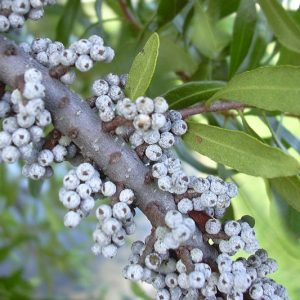
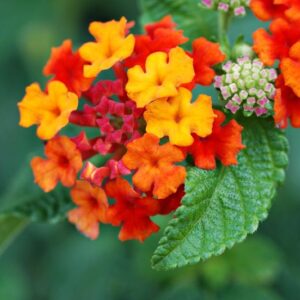
For a sunny, water-wise front yard, combine creeping juniper at the feet of sculptural Texas sage, wax myrtle, and compact boxwood hedging. Weave in crape myrtles (Lagerstroemia) or Loropetalum as accent trees and shrubs, then line the front edge with lavender and bigleaf lantana. The result is a resilient, colorful planting that thrives in heat and is usually ignored by deer.
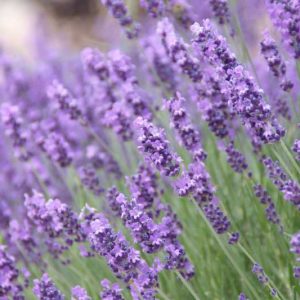
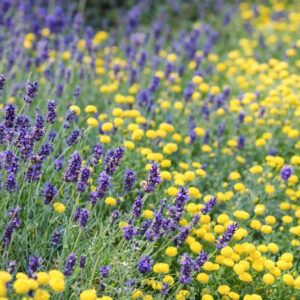
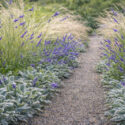
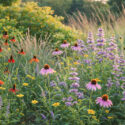
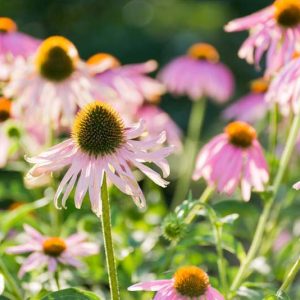
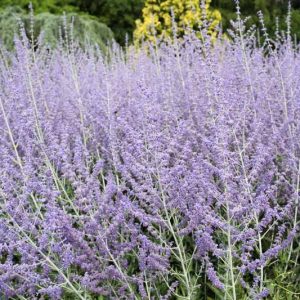
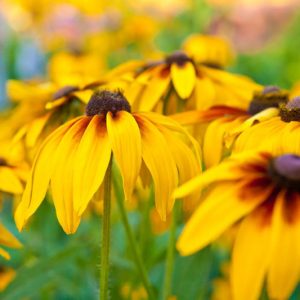
Create generous waves of English lavender, yarrow, Russian sage, coneflowers, black-eyed Susans, coreopsis, and hyssop (Agastache). Add pockets of Penstemon for vertical spikes and winter-blooming hellebores near paths. Bees and butterflies flood in, but the strong fragrance and textured foliage keep most deer uninterested.
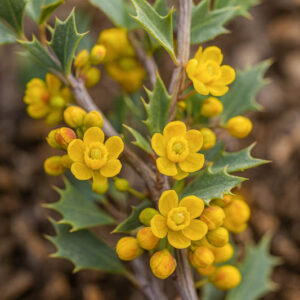
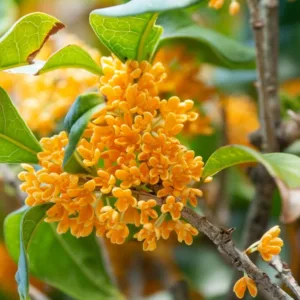
Along a woodland edge or the north side of a house, carpet the ground with mondo grass, blue lily turf, Ajuga, Epimedium, and creeping phlox. Layer in evergreen structure with agarita, tea olive, and Koreanspice viburnum. Finish by tucking clusters of hellebores and summersweet close to paths and patios where you can enjoy their fragrance and late winter to summer blooms.
Creeping juniper, Texas sage, agarita, wax myrtle, fragrant tea olive, Koreanspice viburnum, summersweet, and weigela are excellent deer-resistant shrubs for Zone 8. They offer evergreen structure, seasonal flowers or fragrance, and tough foliage that deer usually avoid.
Bigleaf lantana, lavender, Russian sage, yarrow, coneflowers, black-eyed Susans, coreopsis, and hyssop (Agastache) deliver long bloom windows in Zone 8. Their aromatic foliage and textured leaves provide color for months while remaining low on the deer menu.
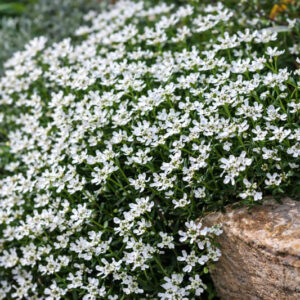
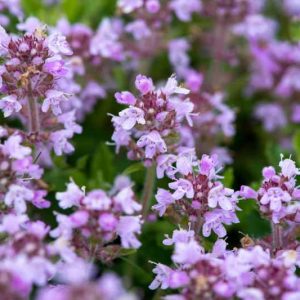
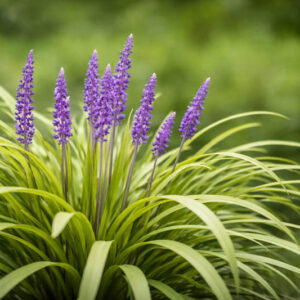
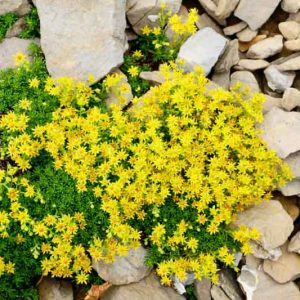
Creeping thyme, blue lily turf, gold moss sedum, mondo grass, ice plant, society garlic, Ajuga, Epimedium, and creeping phlox make durable, deer-resistant groundcovers in Zone 8. They knit together to suppress weeds, hold soil, and add color without inviting heavy browsing.
Yes, especially while plants are young. Deer-resistant species greatly reduce browsing, but newly planted shrubs and perennials are tender and more attractive. Repellents and temporary fencing during the first season help your plants establish and become less appealing over time.
In seasons of drought, deep snow, or food scarcity, deer may sample almost anything, including plants that are usually resistant. Think of deer-resistant plants as your best odds, not an absolute guarantee, and combine smart plant choices with basic protection for the most reliable results.
Updated: December 2025 • Reviewed by Gardenia Editors
| Hardiness |
8 |
|---|---|
| Plant Type | Perennials, Shrubs |
| Tolerances | Deer |
| Toxic to Humans | No known toxicity |
| Toxic to Cats | No known toxicity |
| Toxic to Dogs | No known toxicity |
| Toxic to Horses | No known toxicity |
Create a membership account to save your garden designs and to view them on any device.
Becoming a contributing member of Gardenia is easy and can be done in just a few minutes. If you provide us with your name, email address and the payment of a modest $25 annual membership fee, you will become a full member, enabling you to design and save up to 25 of your garden design ideas.
Join now and start creating your dream garden!
Create a membership account to save your garden designs and to view them on any device.
Becoming a contributing member of Gardenia is easy and can be done in just a few minutes. If you provide us with your name, email address and the payment of a modest $25 annual membership fee, you will become a full member, enabling you to design and save up to 25 of your garden design ideas.
Join now and start creating your dream garden!