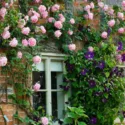
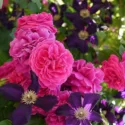
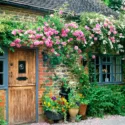
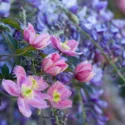
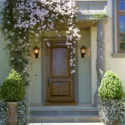
Zone 8 gardeners enjoy an incredible climate for vines. These fast-growing, fragrant and high-impact climbers thrive in warmth and deliver nonstop beauty. Whether you need privacy, pollinator power, evergreen structure or dramatic blooms, this guide showcases the very best vines for stunning vertical gardening success.
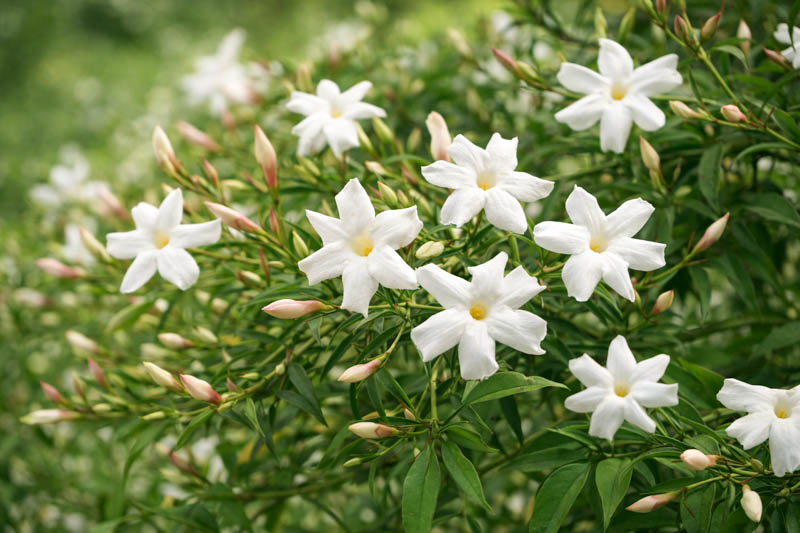


Gardeners in USDA Zone 8 – spanning the Pacific Northwest, northern California, much of the Southeast, central Texas, and coastal regions – enjoy one of the most vine-friendly climates in the country. Long growing seasons, warm summers, and mild winters mean one thing: Zone 8 supports an extraordinary range of climbers, from fragrant jasmines to native honeysuckles, fast-growing crossvines, bold passionflowers, and elegant clematis.
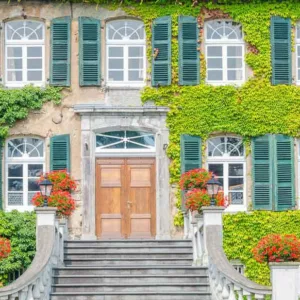
Whether you’re creating a cottage-style entryway, screening a fence, shading a pergola, or transforming a blank wall, vines can do it all. They add height, soften hard edges, feed pollinators, provide fragrance, and turn ordinary structures into living architecture. If you have one bare wall in Zone 8, a single well-chosen vine is the fastest way to turn it into a focal point.
The key is choosing Zone-8-appropriate climbers matched to your light, structure type, and moisture levels. With options ranging from evergreen jasmine and Carolina jessamine to vigorous trumpet vine, passionflower, hardy kiwi, and multiple clematis groups, there’s a perfect vine for every microclimate. When in doubt, match the vigor of the vine to the strength of the structure and you will rarely go wrong.
And a quick reminder: Avoid planting invasive vines such as English ivy (Hedera helix) and Japanese honeysuckle (Lonicera japonica). Choose the many vigorous but non-invasive alternatives Zone 8 supports. If a vine is described as both fast and invasive, skip it and pick a native lookalike instead.
| Hardiness |
8 |
|---|---|
| Plant Type | Climbers |
| Toxic to Humans | No known toxicity |
| Toxic to Cats | No known toxicity |
| Toxic to Dogs | No known toxicity |
| Toxic to Horses | No known toxicity |
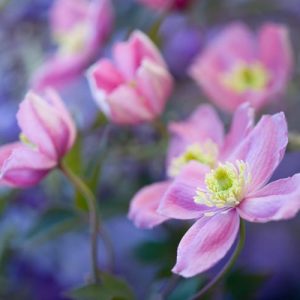
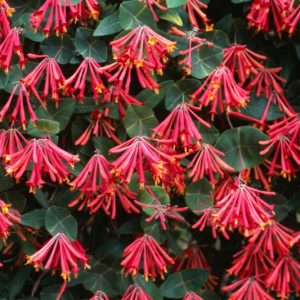
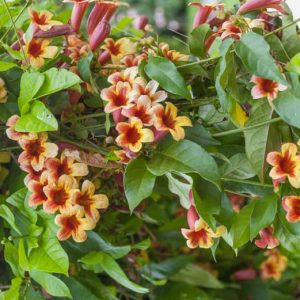
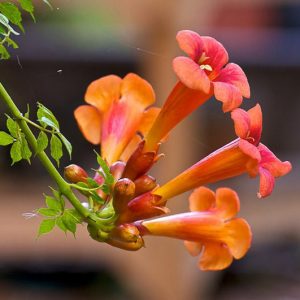
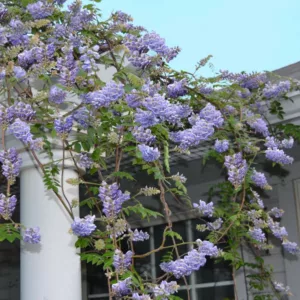
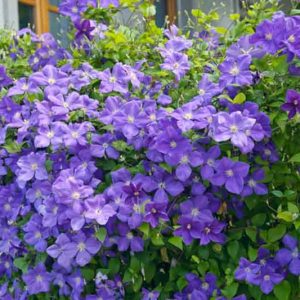
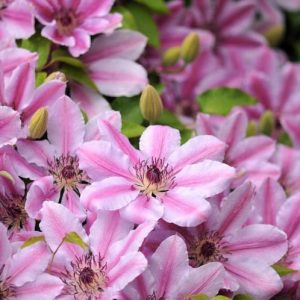
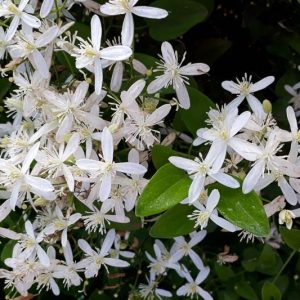
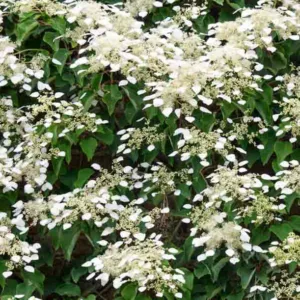
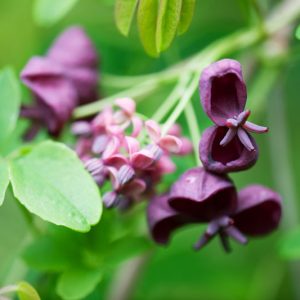
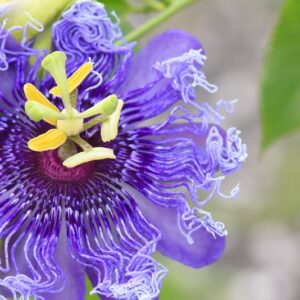
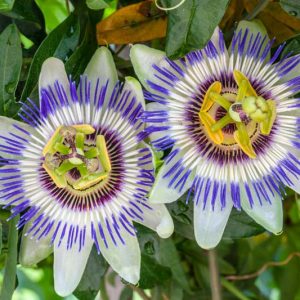
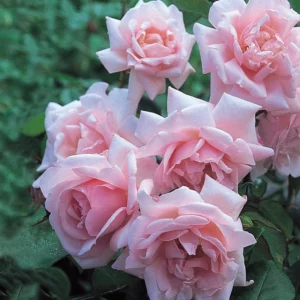
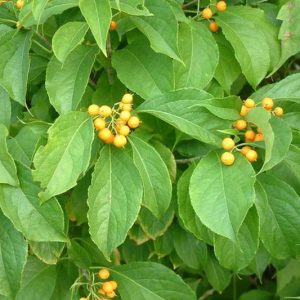
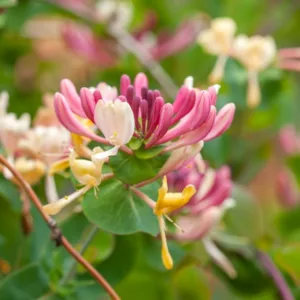
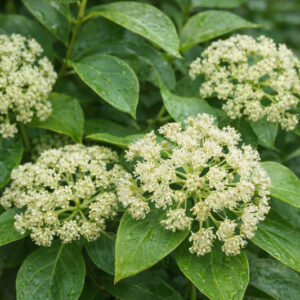
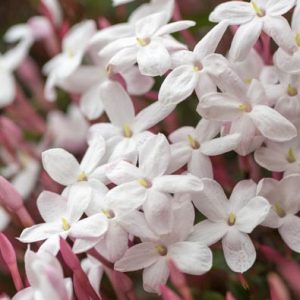
Use the comparison table below to match your microclimate with the best performing Zone 8 vines. One good match is worth more than three struggling plants.
| Growing Condition | Best Zone 8 Vines | Growth Rate | Notes |
|---|---|---|---|
| Full Sun | Campsis radicans, Bignonia capreolata, Lonicera sempervirens, Trachelospermum jasminoides, Passiflora incarnata, Vitis vinifera, Tecomaria capensis |
Fast – Very Fast | Excellent for hot walls, wildlife value, and quick coverage. If you need a fence covered in two or three seasons, start your search here. |
| Part Shade / Morning Sun | Clematis (montana, Jackmanii, Nelly Moser), Hydrangea anomala subsp. petiolaris, Akebia quinata, Rosa climbing cultivars, Gelsemium sempervirens, Solanum laxum |
Moderate | Prefers cooler roots and protection from harsh afternoon sun. This is the sweet spot for romantic arches packed with flowers. |
| Shade / Woodland Edges | Climbing hydrangea, Decumaria barbara, Akebia quinata, Clematis armandii |
Slow – Moderate | Elegant textures and reliable growth in low-light areas. If you think your shade wall is hopeless, try one of these before giving up. |
| Dry or Thin Soil | Gelsemium sempervirens, Lonicera sempervirens, Bignonia capreolata, Trachelospermum jasminoides, Parthenocissus quinquefolia |
Moderate – Fast | Thrives where soil is lean or irrigation is limited. These are the workhorses for tough spots along driveways and hot fences. |
Zone 8’s warm climate accelerates vine growth. This is fantastic for speedy coverage, but it requires thoughtful selection and proper structures. If a vine can cover an arbor in two years, it can also overwhelm it in three.
Bottom line: Match vine vigor and structural needs with your support system for long-term success. In Zone 8, the right vine plus the right support equals decades of easy drama.
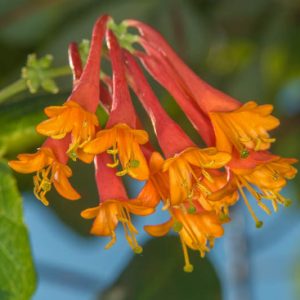
Combine Lonicera sempervirens, Bignonia capreolata, and Passiflora incarnata for a continuous nectar supply from April to frost. If you like your garden to hum and buzz, this trio delivers.
Layer climbing hydrangea with Decumaria barbara for a sophisticated, textured vertical tapestry. This pairing turns a dark wall into a cool, green backdrop for the rest of the garden.
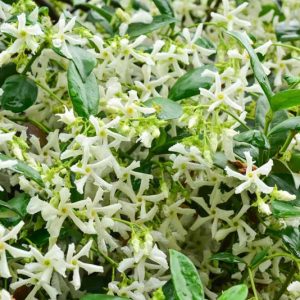
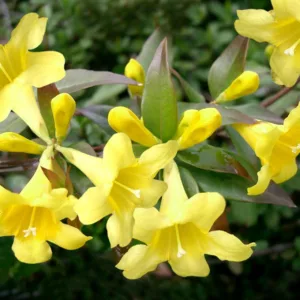
Alternate Carolina jessamine with star jasmine for a scented, four-season living screen. If you dread looking at your neighbor’s siding, this mix gives you something much prettier to stare at.
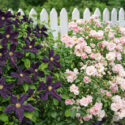
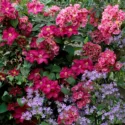
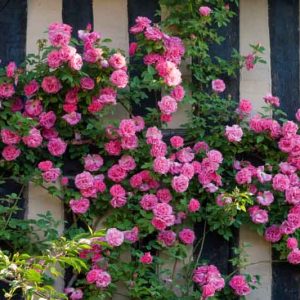
Pair Rosa ‘New Dawn’ with Clematis ‘Jackmanii’ for a timeless cottage-garden look. When in doubt in Zone 8, a rose and clematis combo is almost always the right answer.
The easiest all-around vines for Zone 8 are Lonicera sempervirens, Bignonia capreolata, Gelsemium sempervirens, Trachelospermum jasminoides, Clematis ‘Jackmanii’, Rosa ‘New Dawn’, and Wisteria frutescens. They are reliable, fast enough to impress, and forgiving of minor care mistakes.
Coral honeysuckle, crossvine, star jasmine, and repeat-blooming clematis such as ‘Jackmanii’ and ‘Nelly Moser’ provide the longest flowering season in Zone 8, often from spring into fall with light pruning and regular watering.
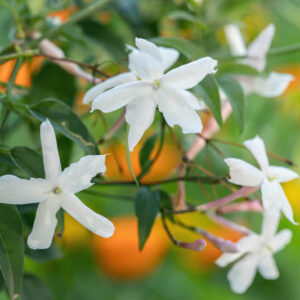
The top evergreen vines for Zone 8 are Trachelospermum jasminoides (star jasmine), Gelsemium sempervirens (Carolina jessamine), Clematis armandii, some jasmines such as Jasminum officinale in mild areas, and occasionally Ficus pumila on walls. They hold foliage through winter and give year-round structure.
Lonicera sempervirens, Bignonia capreolata, Campsis radicans, Passiflora incarnata, Passiflora caerulea, and Salvia-feeding companion plants create a powerful nectar corridor for hummingbirds and butterflies in Zone 8. These vines combine tubular or intricate flowers with long bloom windows.
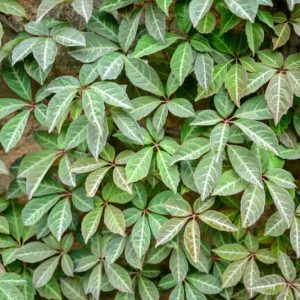
For true shade in Zone 8, Hydrangea anomala subsp. petiolaris, Decumaria barbara, and Clematis armandii are standouts. They tolerate low light, cling to rough surfaces, and offer showy flowers and foliage where sun-loving vines struggle.
Clematis grows beautifully in Zone 8 when roots stay cool and moist and the tops get sun. Plant them deep, mulch the root zone, and give morning sun with afternoon shade for montana types, ‘Jackmanii’, and ‘Nelly Moser’. Avoid hot, reflected heat against bare south-facing walls.
For rapid fence coverage in Zone 8, choose Campsis radicans, Bignonia capreolata, Lonicera x brownii ‘Dropmore Scarlet’, Trachelospermum jasminoides, or Tecomaria capensis. They establish quickly and can cover several meters in a few seasons with basic training.
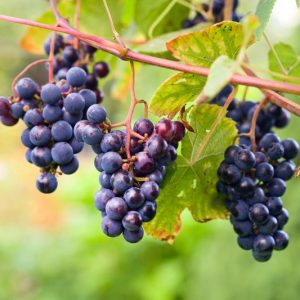
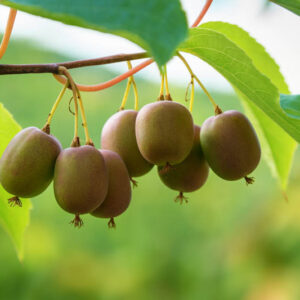
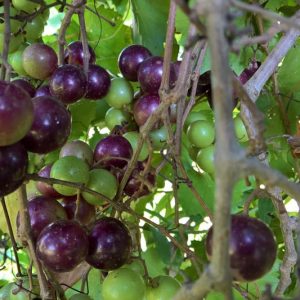
Excellent fruiting climbers for Zone 8 include Vitis vinifera, Vitis labrusca, Vitis rotundifolia (muscadine grape), Actinidia arguta and A. kolomikta (hardy kiwis). These vines combine ornamental value with edible crops when given full sun, strong support, and regular pruning.
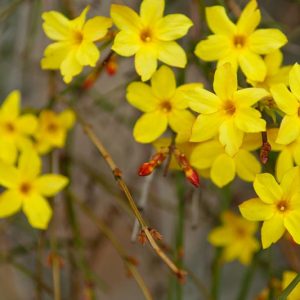
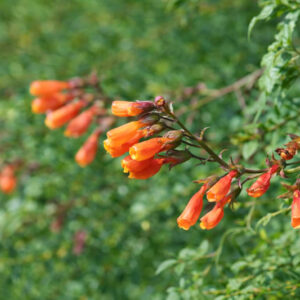
In smaller Zone 8 gardens, choose more restrained climbers like Lonicera sempervirens, Gelsemium sempervirens, Trachelospermum jasminoides, Clematis cultivars, Jasminum nudiflorum, and Eccremocarpus scaber. They still need pruning but are easier to manage than trumpet vine or vigorous grapes.
Gardeners in Zone 8 should avoid English ivy, Japanese honeysuckle, and Asian wisterias such as Wisteria sinensis and Wisteria floribunda. Instead, use non-invasive alternatives like Lonicera sempervirens, Wisteria frutescens, Gelsemium sempervirens, and native passionflowers.
Most Zone 8 vines need at least one structured prune per year plus light tidying through the season. Vigorous types like Campsis radicans, Bignonia capreolata, grapes, and hardy kiwi benefit from regular thinning to control size, while clematis and climbing roses respond best to pruning based on their bloom group.
Updated: December 2025 • Reviewed by Gardenia Editors
| Hardiness |
8 |
|---|---|
| Plant Type | Climbers |
| Toxic to Humans | No known toxicity |
| Toxic to Cats | No known toxicity |
| Toxic to Dogs | No known toxicity |
| Toxic to Horses | No known toxicity |
Create a membership account to save your garden designs and to view them on any device.
Becoming a contributing member of Gardenia is easy and can be done in just a few minutes. If you provide us with your name, email address and the payment of a modest $25 annual membership fee, you will become a full member, enabling you to design and save up to 25 of your garden design ideas.
Join now and start creating your dream garden!
Create a membership account to save your garden designs and to view them on any device.
Becoming a contributing member of Gardenia is easy and can be done in just a few minutes. If you provide us with your name, email address and the payment of a modest $25 annual membership fee, you will become a full member, enabling you to design and save up to 25 of your garden design ideas.
Join now and start creating your dream garden!