Persimmon is autumn’s superfruit—bursting with vitamin A and C, gut-friendly fiber, antioxidants, and potassium. It boosts immunity, supports glowing skin and healthy eyes, and makes every snack a sweet, guilt-free delight. Enjoy it fresh, baked, or dried for pure golden goodness in every bite!


Summary: Autumn’s bright superfruit with two personalities: non-astringent (e.g., Fuyu—sweet even when firm) and astringent (e.g., Hachiya/Saijo—mouth-puckering until jelly-soft, then syrupy-sweet). Persimmons deliver vitamin C, provitamin A carotenoids, fiber, potassium, manganese, and polyphenols that support immunity, heart, eyes, skin, and gut.
Taste: Firm types = honeyed, gently spicy crunch; jelly-soft types = rich, jammy, date-apricot-vanilla vibes.
Use: Fresh slices, salads, smoothies, baking/puddings, dried (hoshigaki), jams.
Safety: Edible and non-toxic. Eat astringent varieties fully soft; rare bezoars reported from large amounts of unripe astringent fruit. Mind portions if managing blood sugar; possible cross-reactivity in latex-sensitive individuals.
| Botanical Name | Diospyros kaki (Asian/Japanese persimmon), D. virginiana (American persimmon) |
|---|---|
| Family | Ebenaceae |
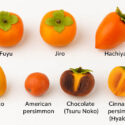
| Common Types | Non-astringent: Fuyu, Jiro • Astringent: Hachiya, Saijo • PVNA: Chocolate (Tsuru Noko), Hyakume (Cinnamon) |
| Calories (per 100 g) | ~70 kcal |
| Fiber (per 100 g) | ~3.6 g (≈13% DV); pectin supports heart, gut, satiety |
| Vitamin C (per 100 g) | ~7.5 mg (≈8% DV); immune & skin support |
| Vitamin A (RAE) | ~81 µg RAE (≈9% DV) from carotenoids (beta-carotene, lycopene) |
| Potassium • Manganese | ~161 mg K (≈3% DV) • ~0.355 mg Mn (≈15% DV); cardio & metabolic support |
| Bioactives | Polyphenols (tannins, catechins, gallic acid) + lutein/zeaxanthin for vascular, gut, and eye health |
| Ripening Note | Astringent fruit must be jelly-soft; speed with a paper bag + apple/banana (ethylene) |
| Best Ways to Enjoy | Firm slices (Fuyu/Jiro) for salads & snacks; soft pulp (Hachiya/Saijo) for puddings, bakes, smoothies; dry as hoshigaki |
| Cautions | Unripe astringents are extremely tannic; rare GI bezoars; manage portions for diabetes; possible latex cross-reactivity |
| Note | Nutrient values vary by cultivar and ripeness; enjoy as part of a balanced diet |
When crisp autumn air rolls in, and trees glow with golden-orange fruit, health-conscious foodies and backyard gardeners alike turn their attention to the persimmon. This stunning fruit isn’t just a delight on the eyes and taste buds—it’s packed with wellness benefits that have been cherished for centuries in Asia, and are now being rediscovered in kitchens around the world. Get ready to fall in love with persimmons, and learn why this humble fruit should be your seasonal snack and culinary secret weapon.
Persimmons belong to the genus Diospyros, which fittingly means “food of the gods.” There are dozens of species, but the most famous for eating are the Japanese persimmon (Diospyros kaki), which includes beloved varieties like Fuyu and Hachiya, and the American persimmon (Diospyros virginiana). With their smooth skin—ranging from golden-yellow to deep orange—and honeyed, sometimes jelly-like texture, they are an autumn staple across Asia, the Mediterranean, and the U.S.
Most people fall into two camps: those who love their persimmons firm and crisp (think Fuyu), and those who wait until the fruit turns soft, silky, and oh-so-sweet (like Hachiya and American persimmon). However you like them, the fruits deliver a bonanza of nutrients with each bite.
Let’s start with the basics: one medium persimmon (about 100g) packs a serious punch for such a small fruit. Here’s what you’ll typically find:
| Nutrient | Amount per 100g | % Daily Value (DV) |
|---|---|---|
| Calories | ~70 | 3% |
| Carbohydrates | 18.6g | 7% |
| Fiber | 3.6g | 13% |
| Sugars | 12.5g | — |
| Protein | 0.6g | 1% |
| Fat | 0.2g | 0% |
| Vitamin A | 81 mcg (900 IU) | 9% |
| Vitamin C | 7.5 mg | 8% |
| Manganese | 0.355 mg | 15% |
| Potassium | 161 mg | 3% |
Persimmons are also rich in cancer-fighting antioxidants, carotenoids (like beta-carotene and lycopene), lutein, zeaxanthin, and powerful polyphenols—more on those super-nutrients soon!
Persimmons are loaded with vitamin C, providing about 8% of your daily needs per serving. Vitamin C is a well-known immunity booster, helping your body ward off seasonal colds and flu. It also enhances our white blood cell activity, so you’re better equipped to fight infections.
The brilliant pigment in persimmons comes from beta-carotene, lutein, and lycopene—antioxidants that help neutralize free radicals, reducing oxidative stress at the cellular level. Regularly eating persimmons provides natural anti-aging effects, may support healthy skin, and is linked to lower risks of certain cancers and chronic diseases.
One persimmon gives you around 3.5g of fiber, good for 13% of your daily value. Fiber keeps your gut healthy, supports regular digestion, and helps you feel full (good news for weight management). The pectin fiber can help lower cholesterol, stabilize blood sugar, and support healthy microbiome diversity.
The deep orange hue signals high vitamin A content, vital for maintaining sharp vision and healthy skin. Carotenoids like lutein and zeaxanthin filter harmful blue light and help protect your eyes as you age. No wonder this fruit is prized in regions known for longevity!
Persimmons provide potassium (which helps control blood pressure and muscle function) and manganese (key for metabolism and bone health). Both of these minerals keep your body’s systems humming, your nerves happy, and your cardiovascular system in good shape.
With about 70 calories per fruit, almost no fat, and no sodium, persimmons deliver sweet satisfaction that fits nearly any diet—from plant-based to low-fat and everything in between. If you’re managing weight or watching your blood sugar, this is nature’s treat to reach for.
Persimmons are packed with polyphenols, which give them their unique flavor and astringency. These compounds—such as tannins, catechins, and gallic acid—have been linked to reduced inflammation, improved vascular health, and lower risk of type 2 diabetes and cancer.
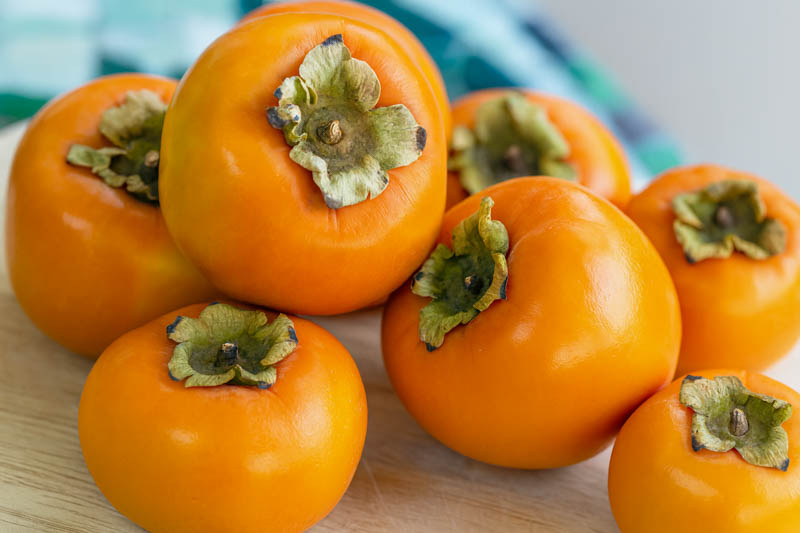
Both major types of persimmons are superstars—but there are subtle differences. American varieties tend to have slightly more vitamin A and fiber per fruit (but they are smaller, so serving sizes may differ). Japanese varieties like Fuyu and Hachiya have a sweeter, milder flavor and are a bit juicier, with similar vitamin content. Varietal differences—like color, size, and firmness—are more about texture and best use (fresh, dried, or baking) than nutritional value.
For centuries, persimmons have been more than food—they’re natural medicine. Traditional Asian remedies used the fruit (and sometimes the leaves) to soothe sore throats, support healthy digestion, quell coughs, and cool inflammation. Modern studies now support many of these uses:
While no single food is a miracle cure, making persimmon a regular part of your autumn routine can help boost overall well-being—and delight your palate at the same time!
For most people, persimmons are safe, healthy, and easy to digest—especially when eaten ripe. But a few cautions:
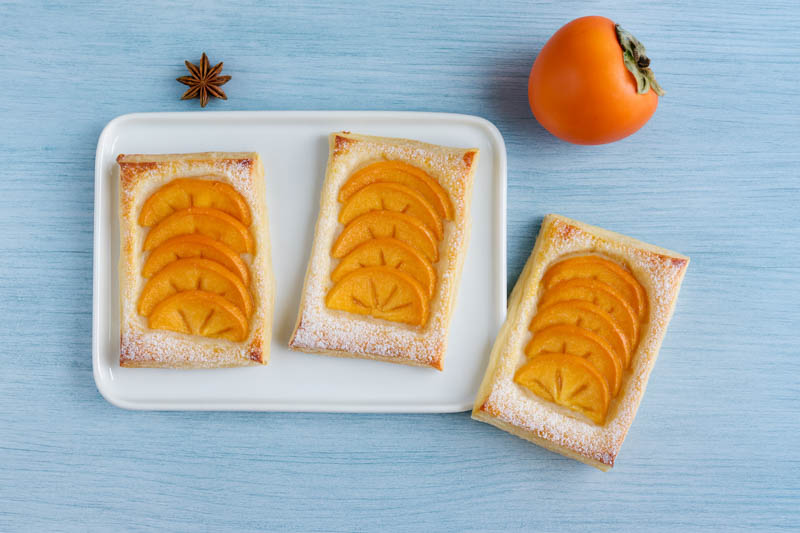
With the first cool breezes of October, make persimmons your seasonal superfruit. Crisp or soft, baked or fresh, this golden treat will brighten your recipes, protect your health, and remind you to savor every delicious, colorful bite of fall. Whether you’re harvesting from your own tree or selecting at the farmer’s market, the health benefits of eating persimmons are as real as the pleasure they deliver. Let this ancient fruit become your modern star ingredient—and raise a toast to autumn wellness!
Astringent persimmons (like Hachiya and American types) are mouth-puckering until fully soft and ripe; non-astringent varieties (like Fuyu and Jiro) are sweet and edible while still firm.
Non-astringent types are ripe when bright orange and still firm. Astringent kinds must be completely jelly-soft, almost to the point of bursting, to be sweet and edible.
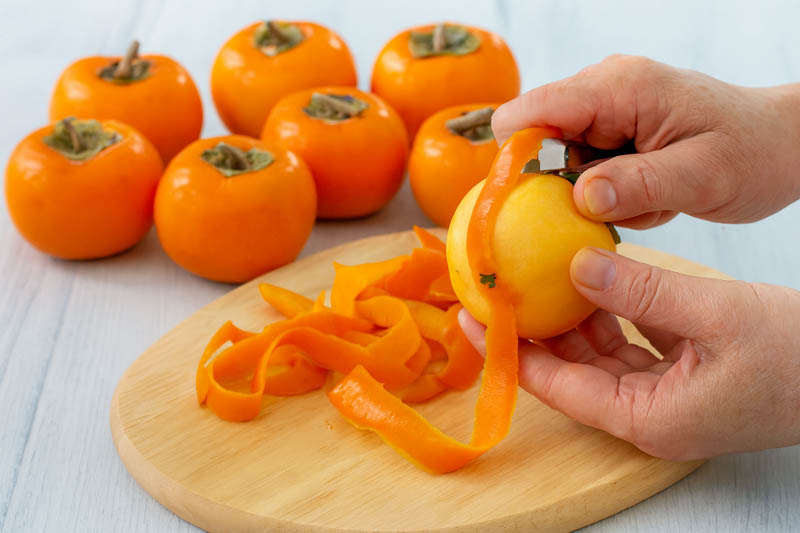
Yes! The skin of both Fuyu and Hachiya persimmons is edible, though some people prefer to peel astringent types when very ripe because the skin can be a bit tough.
Persimmons are delicious eaten raw—whether crisp and sliced in salads (Fuyu) or scooped out soft (Hachiya). They’re also great cooked in breads and puddings.
Sweet, honeyed, and delicately floral. They’re often compared to mango, cantaloupe, and apricot, with their own unique sunny flavor.
Keep firm persimmons at room temperature until ripe. Once soft, refrigerate and eat within a few days. You can also slice and freeze ripe fruit.
They’re in season fall through early winter—October to January in most places.
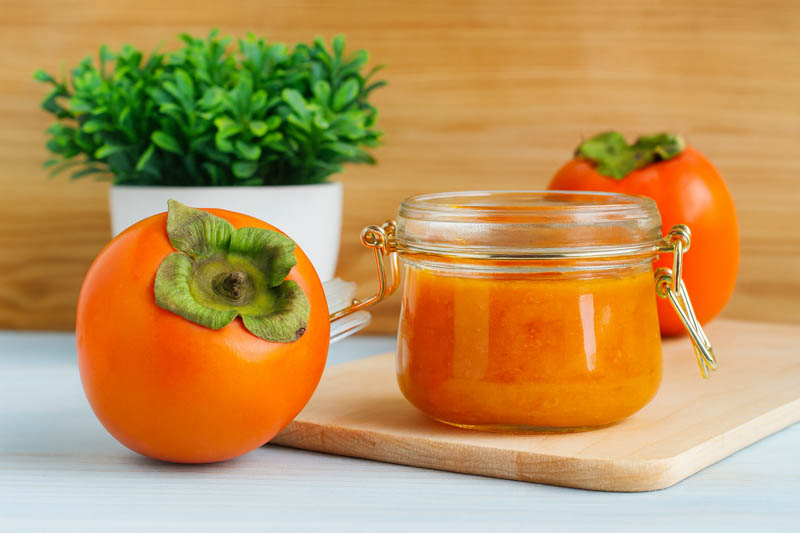
Use ripe persimmons in breads, cakes, cookies, pudding, jam, salads, and smoothies. Firm Fuyu can be sliced, while soft Hachiya and American types are mashed.
Fuyu is squat, firm, sweet, and eaten like an apple. Hachiya is acorn-shaped, needs to be very soft, and becomes richly sweet when ripe.
Yes for firm, bright non-astringent types (like Fuyu). For astringent ones, wait for fruits to soften completely—or try after a frost.
Store firm ones up to 2–3 weeks at room temperature. Once soft, eat within a few days, or freeze the pulp for months.
| Hardiness |
4 - 10 |
|---|---|
| Plant Type | Fruits, Trees |
| Plant Family | Ebenaceae |
| Genus | Diospyros |
| Common names | Japanese Persimmon, Kaki, Persimmon |
| Exposure | Full Sun |
| Season of Interest | Fall |
| Height | 30' - 60' (9.1m - 18.3m) |
| Spread | 10' - 35' (3m - 10.7m) |
| Maintenance | Low |
| Water Needs | Average |
| Soil Type | Loam |
| Soil pH | Acid, Alkaline, Neutral |
| Soil Drainage | Moist but Well-Drained, Well-Drained |
| Characteristics | Showy, Fruit & Berries |
| Attracts | Bees, Birds |
| Garden Styles | City and Courtyard, Informal and Cottage |
| Toxic to Humans | No known toxicity |
| Toxic to Cats | No known toxicity |
| Toxic to Dogs | No known toxicity |
| Toxic to Horses | No known toxicity |
| Hardiness |
4 - 10 |
|---|---|
| Plant Type | Fruits, Trees |
| Plant Family | Ebenaceae |
| Genus | Diospyros |
| Common names | Japanese Persimmon, Kaki, Persimmon |
| Exposure | Full Sun |
| Season of Interest | Fall |
| Height | 30' - 60' (9.1m - 18.3m) |
| Spread | 10' - 35' (3m - 10.7m) |
| Maintenance | Low |
| Water Needs | Average |
| Soil Type | Loam |
| Soil pH | Acid, Alkaline, Neutral |
| Soil Drainage | Moist but Well-Drained, Well-Drained |
| Characteristics | Showy, Fruit & Berries |
| Attracts | Bees, Birds |
| Garden Styles | City and Courtyard, Informal and Cottage |
| Toxic to Humans | No known toxicity |
| Toxic to Cats | No known toxicity |
| Toxic to Dogs | No known toxicity |
| Toxic to Horses | No known toxicity |
Create a membership account to save your garden designs and to view them on any device.
Becoming a contributing member of Gardenia is easy and can be done in just a few minutes. If you provide us with your name, email address and the payment of a modest $25 annual membership fee, you will become a full member, enabling you to design and save up to 25 of your garden design ideas.
Join now and start creating your dream garden!
Create a membership account to save your garden designs and to view them on any device.
Becoming a contributing member of Gardenia is easy and can be done in just a few minutes. If you provide us with your name, email address and the payment of a modest $25 annual membership fee, you will become a full member, enabling you to design and save up to 25 of your garden design ideas.
Join now and start creating your dream garden!