Oriental Persimmon, Chinese Persimmon, Japanese Persimmon, Kaki, Kaki Persimmon, Sharon Fruit, Chinese Date Plum, Persimmon, Kaki Plum Tree, Kaki Fruit, Keg Fig, Kaki Del Japon, Caqui, Plaqueminier Kaki, Kaki Del Japon, Kakipflaume, Kakipflaumenbaum, Cachi, Kaki Tree, Kaki Plum
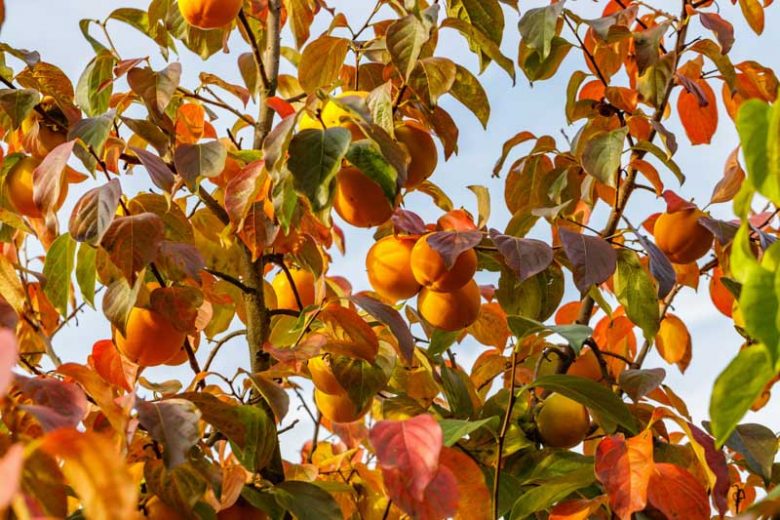
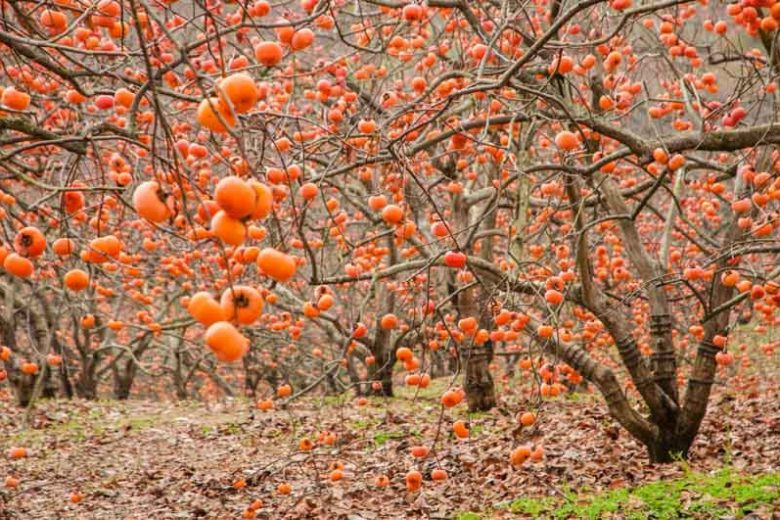


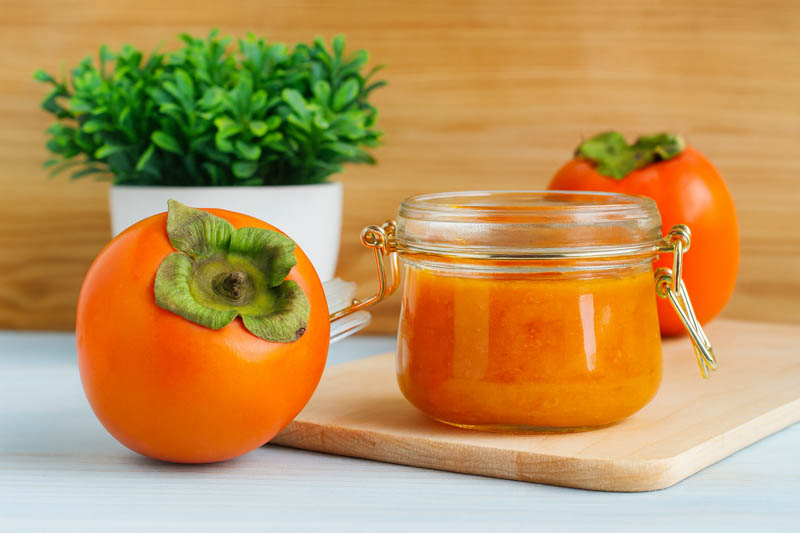
Summary: Beloved autumn fruit tree with glowing orange fruit that can be enjoyed crisp (non-astringent types like ‘Fuyu’, ‘Jiro’) or jelly-soft (astringent types like ‘Hachiya’, ‘Saijo’). Compact, easygoing, and highly ornamental—especially when fruit hangs after leaf-drop.
Taste: Honeyed and floral; firm types are sweet and apple-crisp, soft types are custardy with apricot-mango notes.
Use: Fresh eating, salads, baking (bread, puddings, cookies), preserves, smoothies, and traditional dried fruit (hoshigaki).
Safety: Edible and non-toxic when ripe. Avoid eating astringent fruit while firm (very tannic); remove seeds. Small tastes are generally fine for pets—skip seeds/large amounts and consult a vet for sensitive animals.
| Botanical Name | Diospyros kaki |
|---|---|
| Family | Ebenaceae |
| Common Names | Japanese persimmon, Kaki, Oriental persimmon |
| Native Range | Originating in China; widely cultivated in Japan & Korea; grown in warm-temperate regions worldwide |
| Plant Type & Habit | Deciduous fruit tree with rounded canopy; moderate growth; highly ornamental in fall/winter |
| Hardiness (USDA) | 7–10 (tolerates light frost; prefers frost-free ripening period) |
| Size | 20–30 ft (6–9 m) tall × 15–25 ft (4.5–7.5 m) wide |
| Sun & Exposure | Full sun (6+ hrs) for best yield and flavor; tolerates light shade |
| Soil | Well-drained, fertile loam; pH 6.0–7.5; avoid waterlogging (use berms/raised beds in wet sites) |
| Bloom & Fruit | Small spring flowers; fruit ripens late fall–early winter. Non-astringent (Fuyu/Jiro) eat firm; Astringent (Hachiya/Saijo) eat fully soft/custardy; fruit often hangs after leaf-drop |
| Wildlife | Flowers attract bees; ripe fruit feeds birds (e.g., waxwings, jays) and mammals (squirrels, raccoons, deer) |
| Toxicity | Edible. Unripe astringent fruit is very tannic (avoid). Remove seeds; offer pets only small, seedless amounts |
| Invasiveness | Not considered invasive; rootstock may sucker—remove promptly |
| Primary Uses | Fresh eating, salads, baking, preserves, smoothies, hoshigaki; ornamental specimen for fall interest |
If you’ve ever spotted glowing orange fruit dangling like lanterns from bare branches in autumn, you’ve probably admired the Japanese persimmon (Diospyros kaki). Whether you savor the honeyed silkiness of a fresh persimmon fruit, bake comforting persimmon bread, or dry slices for a rich, chewy snack, this fruit brings a taste of tradition and sun-ripened sweetness to the table. Let’s explore what makes the persimmon tree and its vibrant bounty a must-have for gardens and kitchens alike.
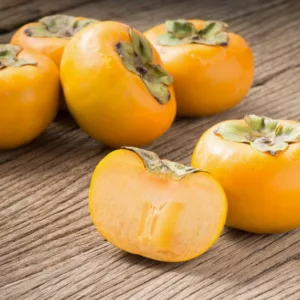
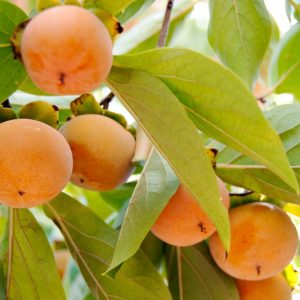
The Japanese persimmon is a luscious, sweet autumn fruit with smooth, glossy skin and a mesmerizing orange-red color. Some varieties, like ‘Fuyu’, can be eaten firm and crisp, while others, like ‘Hachiya’, become exquisitely soft and honey-sweet when fully ripe. Each persimmon fruit delivers a taste that is at once floral, honeyed, and reminiscent of mango and apricot.
Native to China, widely cultivated in Japan, Korea, and now grown in warm-temperate regions worldwide, the persimmon tree has a long legacy both as an ornamental and food crop. In Japan, persimmons are a symbol of autumn and harvest festivals.
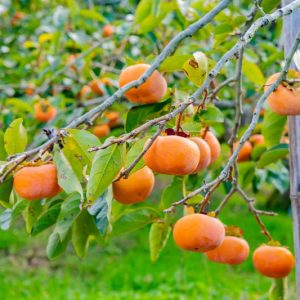
A mature Japanese persimmon tree features a broad, rounded canopy, glossy green leaves, and attractive, deeply grooved bark. In the landscape, it serves as a stately focal point, especially in autumn and early winter when its branches are festooned with glowing orange fruit—even after the leaves have dropped. Japanese persimmon trees typically reach a height of 20–30 feet (6–9 m) and a spread of 15–25 feet (4.5–7.5 m) at maturity, making them well suited for home gardens, small orchards, or as specimen trees in larger yards. Their manageable size allows for easy harvesting and care, while still providing plenty of ornamental and edible rewards.
Japanese persimmon trees are known for their steady yet moderate growth. When planted in optimal conditions, young trees establish well, growing about 1–2 feet per year. After the initial few seasons, growth slows and the tree focuses energy on flowering and fruiting. Generally, you can expect your tree to begin bearing fruit within 3–5 years of planting a grafted sapling, whereas seed-grown trees may take up to 7–10 years to fruit. With proper care, annual new shoot growth remains consistent, supporting healthy foliage and generous fruit production season after season.
Japanese persimmon trees are impressively long-lived. In good garden or orchard soil, well-tended trees can thrive and produce fruit for 50 years or more. There are documented cases of persimmon trees living for over a century, particularly in regions with mild winters and minimal pest or disease pressure.
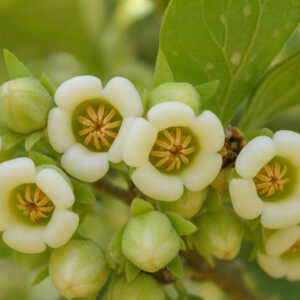
Japanese persimmon trees bloom in late spring, producing small, inconspicuous, pale-yellow to creamy-white flowers tucked among the branches. These flowers are often overlooked, but they give way to the main event: the striking persimmon kaki fruit. The fruit ripens in autumn, transforming from green to a rich orange or reddish hue as it matures.
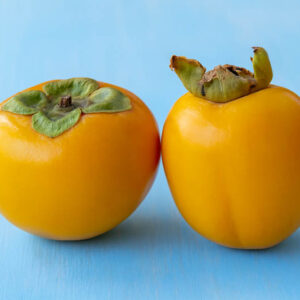
The persimmon kaki fruit is typically rounded and squat (as with ‘Fuyu’), or acorn-shaped and pointed (as with ‘Hachiya’), measuring about 2–4 inches (5–10 cm) across. The smooth, glossy skin encases a succulent flesh that ranges from firm and crisp to jelly-soft, depending on the variety and ripeness.
Flavor is where the persimmon truly shines—at its peak, the fruit is sweet, honeyed, and floral, with subtle notes reminiscent of mango, melon, and apricot. Astringent varieties are best eaten when fully soft and custard-like, while non-astringent types are delicious even when eaten firm and crunchy.
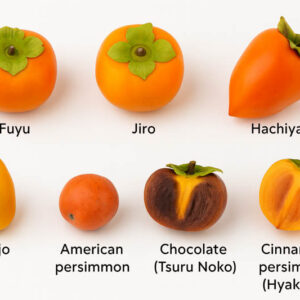
Kaki fruit types:
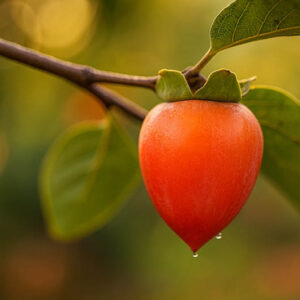
The brilliant fruit can remain clinging to the branches long after leaf drop, decorating the winter garden with vivid orange “lanterns” and providing a treat for both people and wildlife.
Pollination: Many varieties fruit without pollination; others will make seeded fruit if a male/pollinizer is nearby. Seeds can deepen flesh color/brown speckling in some types—normal and tasty. Most cultivated varieties are seedless unless cross-pollinated by a male tree, making them simple to eat and slice.
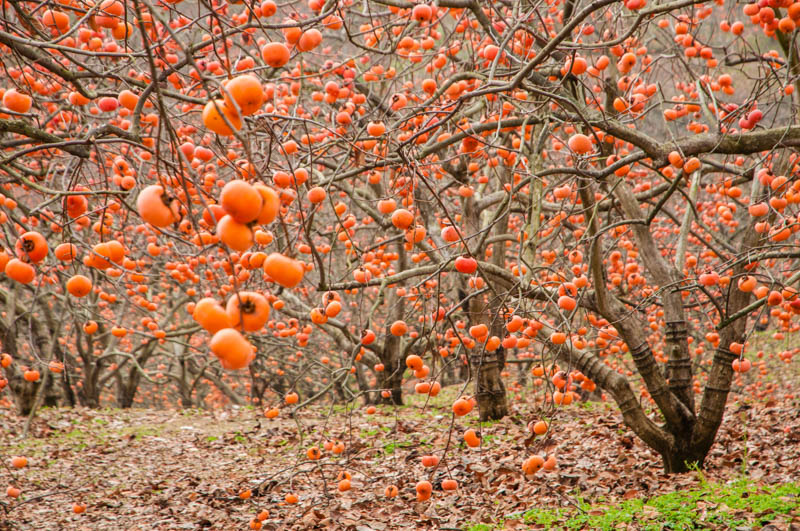
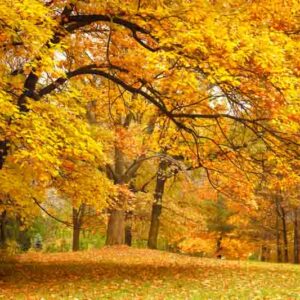
Leaves are broad, deep green, and turn shades of ochre, red, and burgundy in autumn before dropping. Healthy foliage helps the persimmon tree photosynthesize and build energy for robust fruiting.
Persimmon trees thrive in USDA zones 7–10. They prefer a sunny spot with good air circulation and can tolerate minor drought once established, making them an excellent choice for low-maintenance edible landscaping.
Japanese persimmon trees are not only beloved by gardeners—they’re also popular with local wildlife. In autumn and early winter, ripe persimmon fruit attracts a wide variety of birds, including mockingbirds, blue jays, cedar waxwings, and cardinals, all keen to feast on the sweet, nutritious pulp. Mammals such as raccoons, squirrels, opossums, and deer are also fond of fallen or low-hanging fruit, sometimes visiting trees nightly during peak season. Even pollinators are drawn to persimmon flowers in spring, with bees and other beneficial insects helping set a heavy crop.
While this activity adds to the biodiversity in your garden, be aware that you may need netting or fencing to protect your harvest from wildlife if you wish to enjoy your share of the bounty!
Ripe Japanese persimmon is widely eaten. Unripe astringent fruit is very high in tannins and can cause stomach upset; avoid eating before it softens. For pets, tiny tastes of ripe, seedless flesh are usually okay, but avoid seeds/large amounts and consult your vet if your pet has a sensitive stomach.
Diospyros kaki is generally well-behaved in gardens and not considered invasive. Note that some rootstocks can produce occasional suckers—simply remove them.
🌟 Home Grower Story:
“Last fall, we finally picked our first ripe ‘Fuyu’ persimmons. My children loved seeing bright orange fruit hanging on the tree—even after the leaves had fallen. We made persimmon muffins together, and now each Halloween, our family looks forward to that sweet tradition.”🍽️ Hot Tip: If you have extra fruit, slice and freeze it for smoothies or baking all year long!
Japanese persimmon is a beloved fall fruit that brings beauty, nutrition, and versatility to both kitchen and garden. Whether you enjoy persimmon kaki fruit fresh and crisp, sweetly dried, or baked into golden loaves, this tree offers much more than just its striking orange harvest.
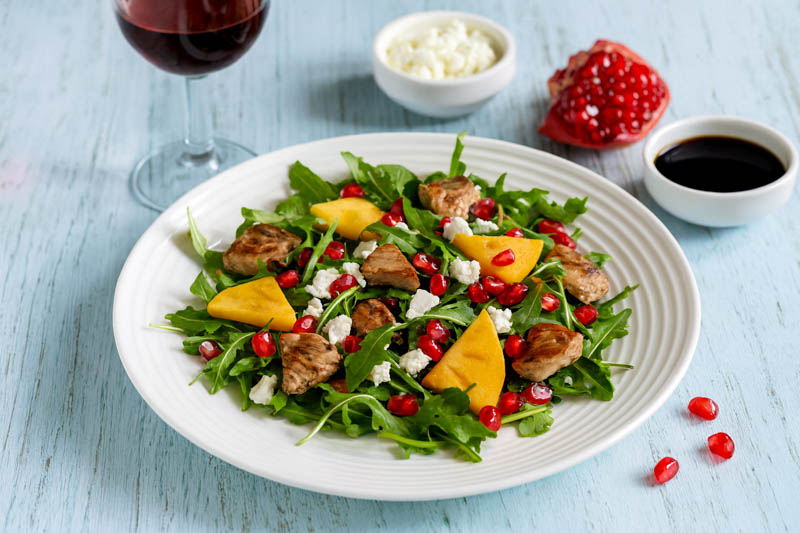
The Japanese persimmon is more than a beautiful autumn fruit—it’s a powerhouse of nutrition and antioxidants. Whether you enjoy persimmon fruit fresh, in persimmon bread, or as dried persimmon, you’re indulging in a sweet treat that’s also good for your health.
| Nutrient | Amount |
|---|---|
| Calories | 70 kcal |
| Protein | 0.6 g |
| Carbohydrates | 18.6 g |
| Fiber | 3.6 g |
| Fat | 0.2 g |
| Vitamin A | 81 µg (≈9% DV) |
| Vitamin C | 7.5 mg (≈8% DV) |
| Vitamin E | 0.7 mg |
| Potassium | 161 mg |
| Manganese | 0.355 mg (≈15% DV) |
Note: Values are for fresh raw persimmon; dried persimmon is more calorie- and nutrient-dense. Japanese persimmons are particularly rich in antioxidants like beta-carotene, lutein, and zeaxanthin.
Japanese persimmon fruit stands out for its generous content of vitamins A and C, supporting immune health, eye health, and vibrant skin. The high fiber content makes it excellent for digestive wellness, while its low fat and sodium levels allow it to fit into most healthy diets. Polyphenols and tannins provide additional antioxidant and anti-inflammatory benefits that may help protect cells from damage.
In traditional Asian medicine, persimmon fruit and its leaves are valued for their purported ability to help lower blood pressure, reduce inflammation, and support circulation. While more research is needed, modern studies have begun to confirm many of these age-old benefits.
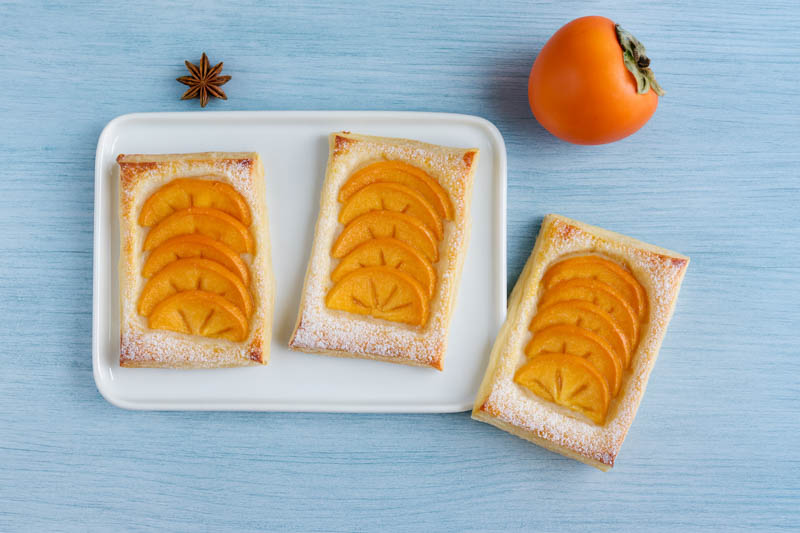
Japanese persimmons offer impressive wellness perks alongside their delicate sweetness:
Note: Persimmon fruit is generally safe and healthy, but astringent varieties should be fully ripe before eating to avoid mouth-puckering tannins or digestive discomfort.
Japanese persimmons are well tolerated by most people when eaten ripe and in moderation. Here are a few considerations:
Bottom line: Ripe persimmon fruit is safe, nourishing, and delicious for most people. Enjoy it as part of a varied diet for maximum benefit.
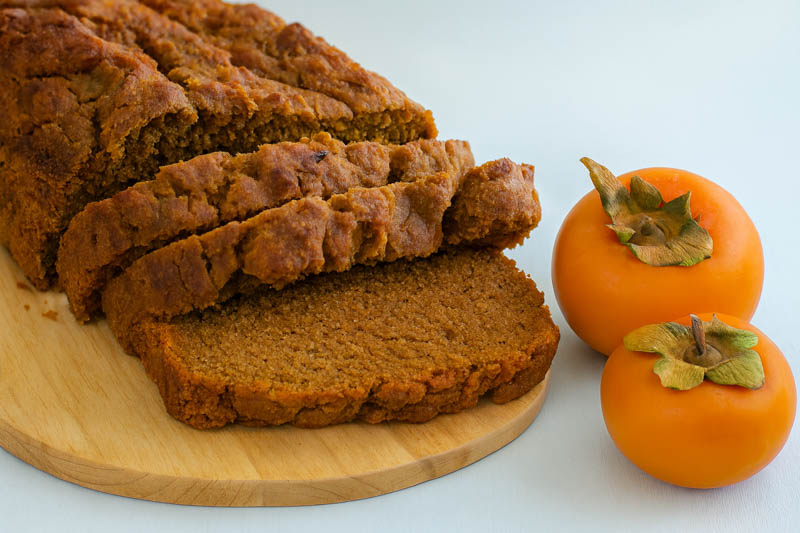
While most Japanese persimmon varieties share a gorgeous orange hue and honey-sweet flavor, there are subtle—and sometimes dramatic—differences in shape, taste, texture, and culinary best uses. From crisp, apple-like fruits to jelly-soft astringent types that shine in baking and preserves, each cultivar brings something special to the table. Understanding these differences helps you choose the right persimmon kaki fruit for fresh eating, dried persimmon, or creative persimmon recipes like bread, pudding, and even soap!
| Variety | Type | Flavor & Appearance | Best Uses |
|---|---|---|---|
| Fuyu | Non-astringent | Crisp like an apple when firm; sweet and mild when ripened orange. Flat, squat fruit shape. | Fresh eating, salads, dried persimmon, baking |
| Hachiya | Astringent | Astringent when firm, turns jelly-soft and sugary when fully ripe. Acorn-shaped fruit. | Persimmon bread, baking, preserves, pudding |
| Jiro | Non-astringent | Flattened fruit, crisp and mild with less seeds. Stays sweet even when firm. | Fresh eating, slicing, salads, desserts |
| Izu | Non-astringent | Small to medium-sized, round and sweet, early maturing. Few seeds if any. | Snacking, salads, dehydrating for dried persimmon |
| Saijo | Astringent | Long, oval fruit becomes honey-sweet and incredibly soft when ripe. Called “the very best one”. | Eaten fresh when soft, preserves, traditional dried persimmon (hoshigaki) |
| Chocolate (Tsuru Noko) | Pollination-variant | Rich, spicy-sweet orange flesh with brown streaks when pollinated. Small, round fruit. | Eating fresh, unique desserts, culinary novelty |
Most Japanese persimmons are sweet and mild, but astringent types (like Hachiya and Saijo) should be allowed to ripen fully for that honey-like flavor and smooth texture. Non-astringent types (like Fuyu and Jiro) are best eaten when crisp, but can also be enjoyed soft and even dried. Specialty types such as Chocolate (Tsuru Noko) or pollination-variant varieties add exotic, spiced notes to fruit bowls and creative persimmon recipes. Knowing your variety helps you maximize flavor—for fresh eating, baking, jelly, or even homemade persimmon soap!
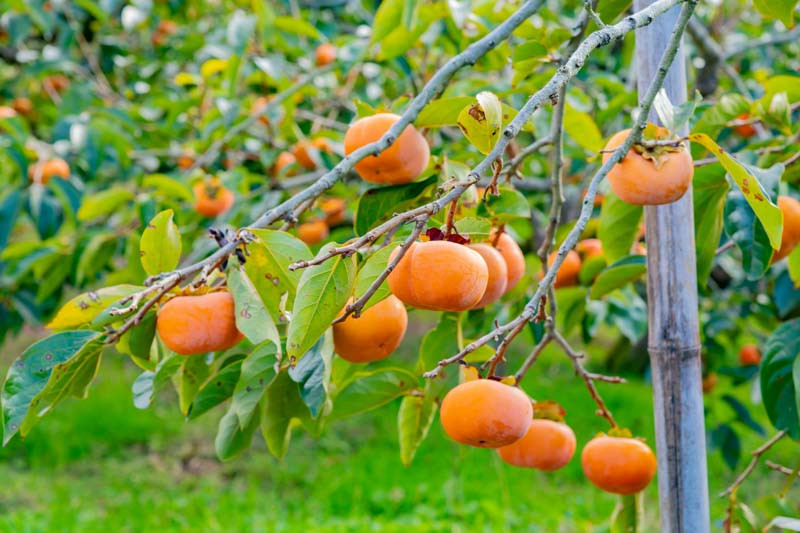
Japanese persimmon trees are remarkably easy to grow and rewarding for both home gardeners and orchardists. They provide abundant, jewel-like fruit and vibrant autumn color with minimal fuss—no wonder they’re beloved in edible landscapes around the world. Whether you’re dreaming of harvesting your own persimmon kaki fruit, drying slices for winter, or baking homemade persimmon bread, these care tips will help you succeed.
Japanese persimmon trees fruit reliably year after year with regular care, rewarding gardeners with sweet, vitamin-rich fruit for fresh eating, dried persimmon snacks, and endless persimmon recipes—plus stunning seasonal beauty.
Yes—dwarf Japanese persimmon trees can be grown in large containers on patios, balconies, or small gardens! Their compact roots and willingness to be pruned make them a favorite choice for urban fruit-lovers.
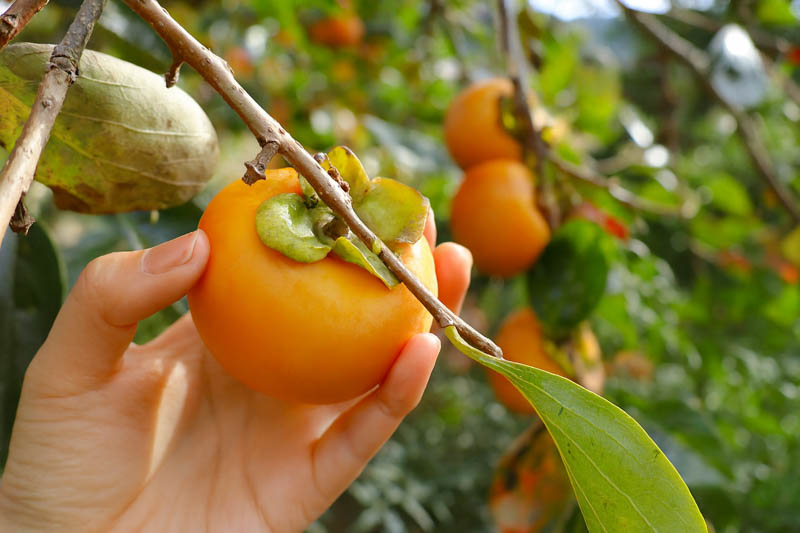
Japanese persimmons reward patience and observation in the garden—when harvested at just the right stage, their fruit transforms into a delicacy. Regular picking throughout the ripening season helps prevent fruit drop and damage, and lets you enjoy both firm and soft fruit for a variety of persimmon recipes.
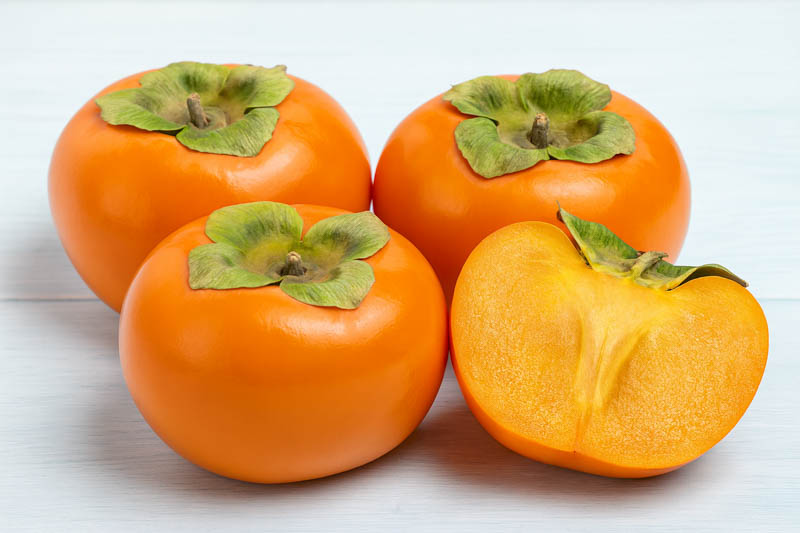
Proper storage keeps persimmons delicious—whether you eat them fresh, dry them for winter treats, or transform them into persimmon bread. As with most fruit, store ripe persimmons promptly and handle with care to preserve their texture and taste.
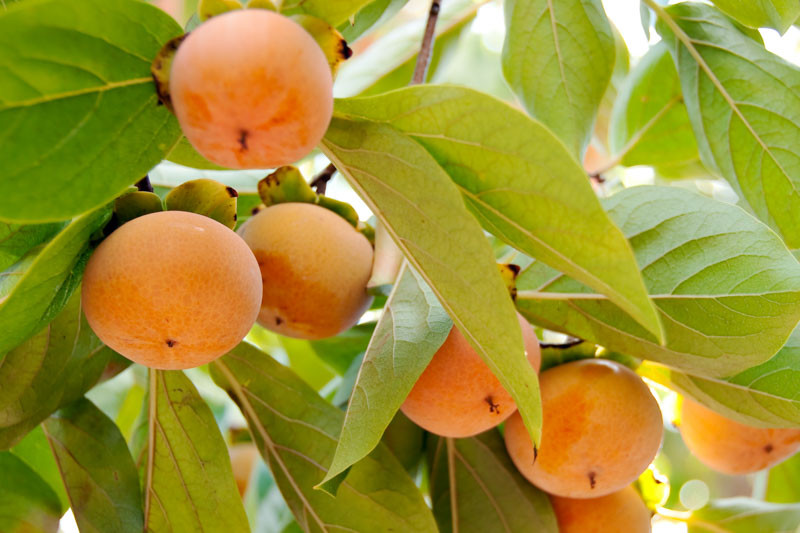
Growing Japanese persimmons from seed or by grafting ensures a steady supply of these delicious fruits for years to come. Persimmon trees can be propagated at home for personal use or to share with friends and fellow gardeners.
Once established, Japanese persimmon trees fruit reliably, offering beautiful autumn color and delicious persimmon fruit for generations.
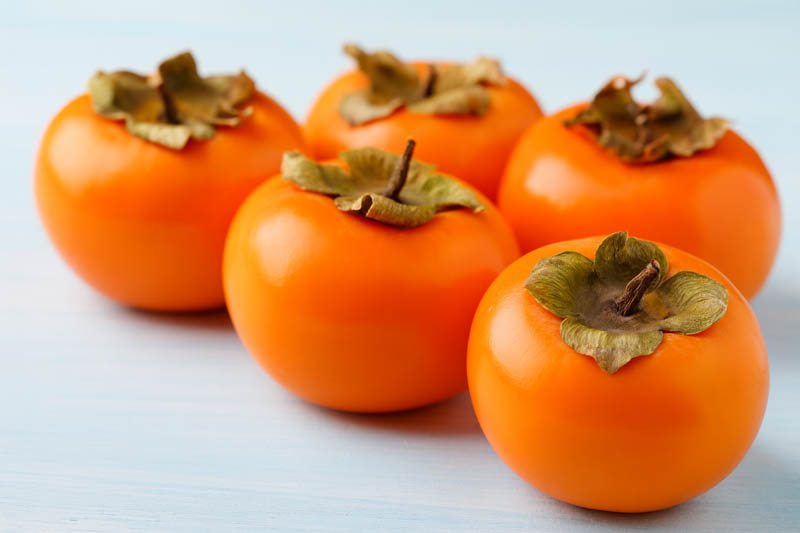
Japanese persimmons are relatively hardy, but some pests and diseases can impact growth and fruit quality. Regular monitoring and prevention keep your persimmon tree healthy and productive.
With attentive care and early action, your Japanese persimmon tree can stay healthy, productive, and beautiful through every season.
Usually 20–30 ft (6–9 m) tall and 15–25 ft (4.5–7.5 m) wide.
Most varieties are self-fertile and do not require a second tree, but a pollinator can increase yields and seed content.
Harvest when fruit is fully colored (deep orange) and, for astringent types, feels very soft; cut with pruners leaving a bit of stem attached.
Non-astringent types (Fuyu, Jiro) can be eaten firm and are sweet. Astringent types (Hachiya, Saijo) must be fully soft to be sweet.
Non-astringent: eat firm or soft, raw.
Astringent: eat only when jelly-soft, raw or baked.
Prefers mild winters, warm summers (USDA zones 7–10), full sun, and fertile, well-drained soil (pH 6.0–7.5).
Somewhat drought tolerant once mature; hardy to about 10°F (–12°C).
Grafted trees: 3–5 years. Seedlings: 7–10 years.
Productive for 50+ years, often much longer.
Yes, dwarf types do well in large containers with good drainage and regular care.
Ripe fruit in moderation is safe for most pets and attracts many birds and mammals.
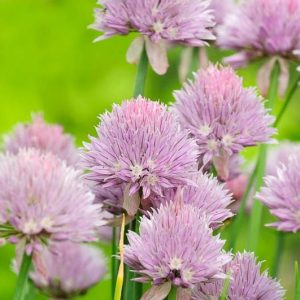
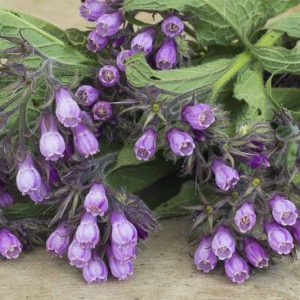
Marigold, clover, chives, borage, mint, strawberries, comfrey, and pollinator-friendly flowers.
Prune lightly in late winter for shape and to remove dead or crossing branches. Thin heavy fruiting years.
Yes—delicious dried (hoshigaki), baked in breads and cookies, made into jams, or eaten fresh.
Common causes: drought stress, overbearing, nutrient deficiency, or natural thinning by the tree.
| Hardiness |
7 - 10 |
|---|---|
| Heat Zones |
7 - 10 |
| Climate Zones | 6, 7, 8, 9, 14, 15, 16, 18, 19, 20, 21, 22, 23, 24, H1 |
| Plant Type | Fruits, Trees |
| Plant Family | Ebenaceae |
| Genus | Diospyros |
| Common names | Japanese Persimmon, Kaki, Persimmon |
| Exposure | Full Sun |
| Season of Interest | Spring (Mid, Late), Summer (Early, Mid, Late), Fall, Winter |
| Height | 20' - 30' (6.1m - 9.1m) |
| Spread | 15' - 25' (4.6m - 7.6m) |
| Maintenance | Low |
| Water Needs | Average |
| Soil Type | Loam |
| Soil pH | Acid, Alkaline, Neutral |
| Soil Drainage | Moist but Well-Drained, Well-Drained |
| Characteristics | Showy, Fruit & Berries |
| Tolerances | Heat |
| Attracts | Bees, Birds |
| Garden Uses | Wall-Side Borders |
| Garden Styles | City and Courtyard, Informal and Cottage |
| Toxic to Humans | No known toxicity |
| Toxic to Cats | No known toxicity |
| Toxic to Dogs | No known toxicity |
| Toxic to Horses | No known toxicity |


| Hardiness |
7 - 10 |
|---|---|
| Heat Zones |
7 - 10 |
| Climate Zones | 6, 7, 8, 9, 14, 15, 16, 18, 19, 20, 21, 22, 23, 24, H1 |
| Plant Type | Fruits, Trees |
| Plant Family | Ebenaceae |
| Genus | Diospyros |
| Common names | Japanese Persimmon, Kaki, Persimmon |
| Exposure | Full Sun |
| Season of Interest | Spring (Mid, Late), Summer (Early, Mid, Late), Fall, Winter |
| Height | 20' - 30' (6.1m - 9.1m) |
| Spread | 15' - 25' (4.6m - 7.6m) |
| Maintenance | Low |
| Water Needs | Average |
| Soil Type | Loam |
| Soil pH | Acid, Alkaline, Neutral |
| Soil Drainage | Moist but Well-Drained, Well-Drained |
| Characteristics | Showy, Fruit & Berries |
| Tolerances | Heat |
| Attracts | Bees, Birds |
| Garden Uses | Wall-Side Borders |
| Garden Styles | City and Courtyard, Informal and Cottage |
| Toxic to Humans | No known toxicity |
| Toxic to Cats | No known toxicity |
| Toxic to Dogs | No known toxicity |
| Toxic to Horses | No known toxicity |
How many Diospyros kaki (Japanese Persimmon) do I need for my garden?
| Plant | Quantity | |
|---|---|---|
| Diospyros kaki (Japanese Persimmon) | N/A | Buy Plants |
Create a membership account to save your garden designs and to view them on any device.
Becoming a contributing member of Gardenia is easy and can be done in just a few minutes. If you provide us with your name, email address and the payment of a modest $25 annual membership fee, you will become a full member, enabling you to design and save up to 25 of your garden design ideas.
Join now and start creating your dream garden!
Create a membership account to save your garden designs and to view them on any device.
Becoming a contributing member of Gardenia is easy and can be done in just a few minutes. If you provide us with your name, email address and the payment of a modest $25 annual membership fee, you will become a full member, enabling you to design and save up to 25 of your garden design ideas.
Join now and start creating your dream garden!