Jiro Persimmon, Japanese Persimmon, Oriental Persimmon, Kaki
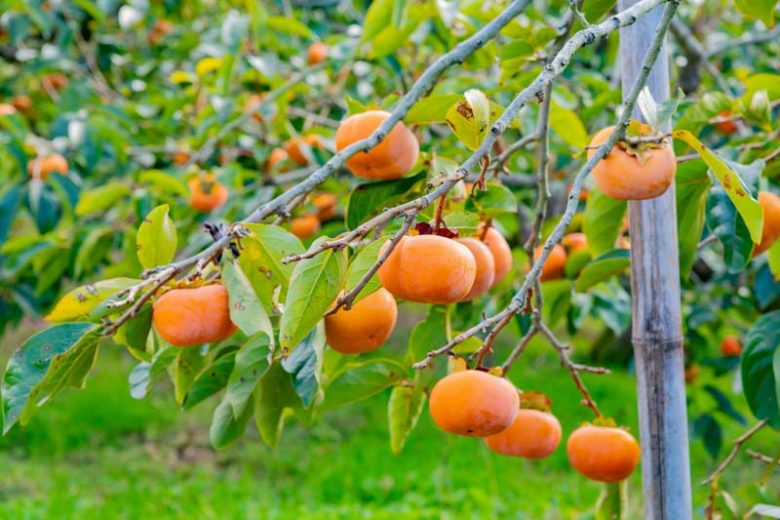
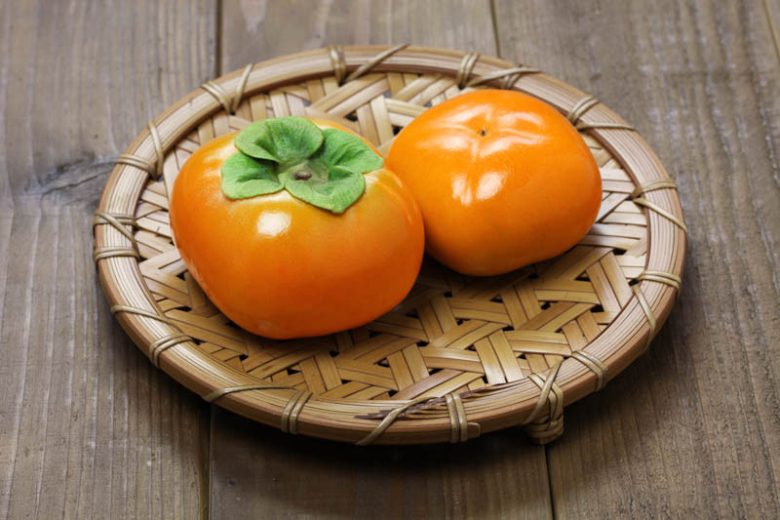
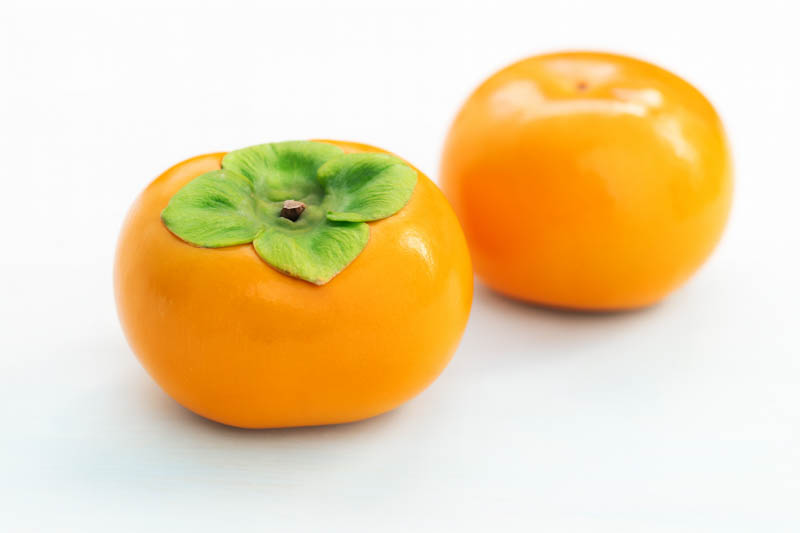
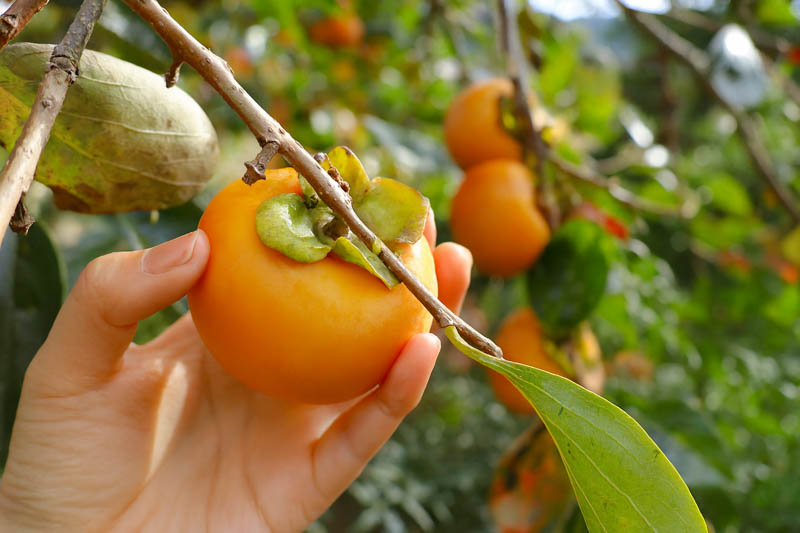


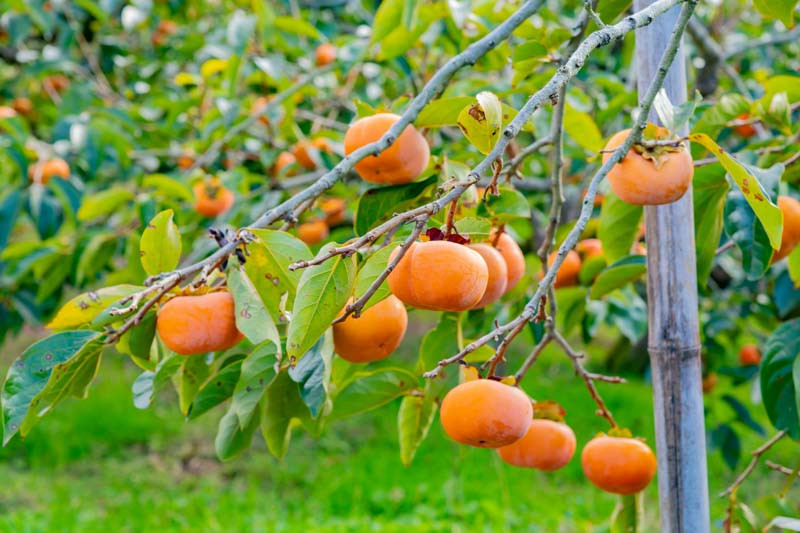
If you love the idea of a fruit that stays delightfully crisp and sweet even after turning bright orange, ‘Jiro’ Japanese persimmon (Diospyros kaki ‘Jiro’) is a classic non-astringent variety you can count on. This persimmon delivers ultra-low-maintenance, heavy crops of squat, four-sided fruit with a subtle, less tangy flavor than ‘Fuyu’—ideal for snacking, salads, and sharing. Let’s discover what makes easy-care, super-firm ‘Jiro’ a favorite in home orchards, urban gardens, and edible landscapes!
| Botanical Name | Diospyros kaki ‘Jiro’ |
| Common Names | Jiro Persimmon, Japanese Persimmon |
| Plant Type | Deciduous fruit tree |
| Hardiness Zones | USDA 7–10 |
| Height & Spread | 12-15 ft. tall and wide |
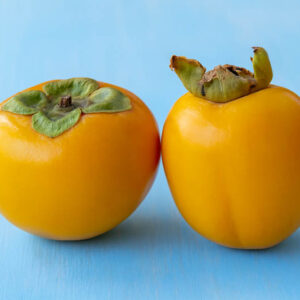
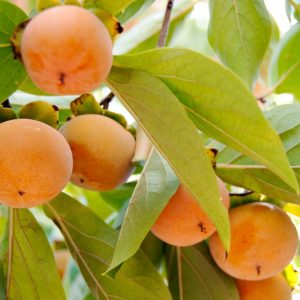
| Fruit Size & Shape | Medium to large (3–4 in.), squat, distinctly four-sided, bright orange |
| Fruit Texture & Flavor | Extra-crisp and firm with mild sweetness (even when fully ripe); never astringent |
| Fruit Season | Late fall to early winter; often holds fruit after leaf drop |
| Sun Requirements | Full sun |
| Soil pH | 6.0–7.5 (well-drained, loamy) |
| Main Uses | Fresh eating, salads, bento lunches, drying, baking, holiday gifts |
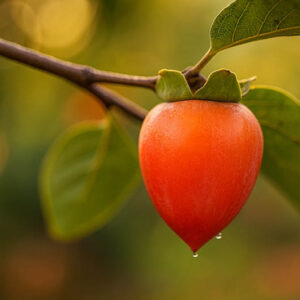
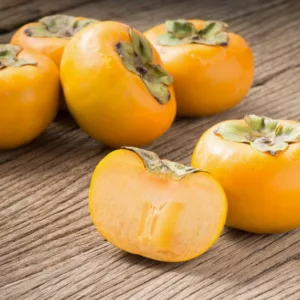
‘Jiro’ produces squat, slightly squared fruit with deep orange, glossy skin and firm, crisp flesh. The flavor is subtle and less tangy than ‘Fuyu’, making it perfect for those who prefer a mild and crunchy eating experience. The fruit is typically seedless or contains only a few small seeds, and the skin is edible and thin. Fruit can be enjoyed while completely firm or left to soften slightly for extra sweetness, but never turns mushy or gritty. Its reliable, non-astringent nature means you never have to worry about unpleasant puckering.
Bred in Japan, ‘Jiro’ has long been prized for early ripening and reliably seedless, crunchy fruit. This Japanese persimmon is grown widely in home gardens and orchards, especially in regions like California where its crisp texture and moderate tree size are highly valued.
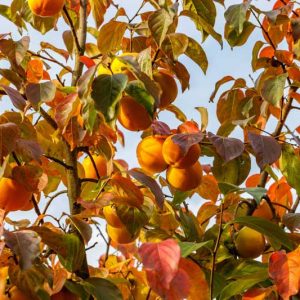
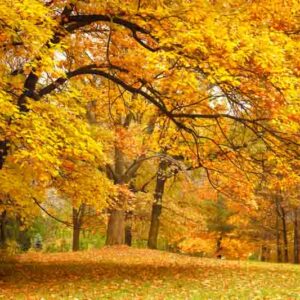
Jiro persimmons form an upright, rounded tree that matures at 12-15 ft. (3.6-4.5m) tall and wide—making it more compact than ‘Fuyu’ and easier to manage in small yards or as part of edible landscaping. Deep green leaves cloak the branches through summer, turning spectacular gold and orange in fall alongside the ripening fruit, which remains showy after leaf drop.
A moderate, steady grower, ‘Jiro’ typically puts on 1–2 ft. per year as a young tree. Grafted trees often fruit in 2–4 years, and healthy specimens produce reliably for 40–50+ years.
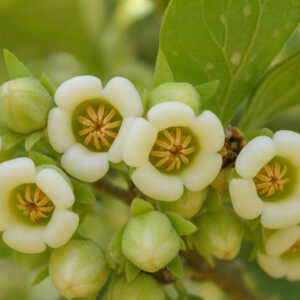
Small, creamy-white flowers decorate the tree in late spring. ‘Jiro’ is self-fertile, requiring no pollinator for a good crop, and fruit is nearly always seedless unless cross-pollinated.
Jiro’s broad, glossy leaves show off brilliant golden and orange hues in the fall. Deeply grooved bark adds winter interest when the branches are bare but often still studded with orange fruit—like festive ornaments for the cold season.
‘Jiro’ attracts pollinators in spring and is a fall favorite of songbirds, squirrels, raccoons, opossums, and deer as the fruit ripen. You may want to net your tree if you wish to keep all of your bounty!
Hardy in USDA zones 7–10. Tolerates summer heat, mild drought after establishment, and brief frost down to 10°F (–12°C). Choose a sunny spot with good air circulation for disease resistance and maximum yield.
Ripe fruit is safe for people and pets in moderation. As with all persimmons, unripe or huge quantities may upset digestion.
Jiro is well-behaved and not invasive—remove root suckers if any appear to maintain a tidy form.
| Nutrient | Amount per 100g |
|---|---|
| Calories | 70 kcal |
| Protein | 0.6 g |
| Carbohydrates | 18.6 g |
| Fiber | 3.6 g |
| Fat | 0.2 g |
| Vitamin A | 81 µg (≈9% DV) |
| Vitamin C | 7.5 mg (≈8% DV) |
| Potassium | 161 mg |
| Manganese | 0.355 mg (≈15% DV) |
| Variety | Type | Flavor & Appearance | Best Uses |
|---|---|---|---|
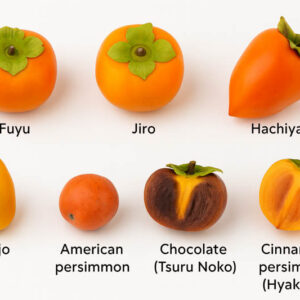
| Fuyu | Non-astringent | Crisp like an apple when firm; sweet and mild when ripened orange. Flat, squat fruit shape. | Fresh eating, salads, dried persimmon, baking |
| Hachiya | Astringent | Astringent when firm, turns jelly-soft and sugary when fully ripe. Acorn-shaped fruit. | Persimmon bread, baking, preserves, pudding |
| Jiro | Non-astringent | Flattened fruit, crisp and mild with less seeds. Stays sweet even when firm. | Fresh eating, slicing, salads, desserts |
| Izu | Non-astringent | Small to medium-sized, round and sweet, early maturing. Few seeds if any. | Snacking, salads, dehydrating for dried persimmon |
| Saijo | Astringent | Long, oval fruit becomes honey-sweet and incredibly soft when ripe. Called “the very best one”. | Eaten fresh when soft, preserves, traditional dried persimmon (hoshigaki) |
| Chocolate (Tsuru Noko) | Pollination-variant | Rich, spicy-sweet orange flesh with brown streaks when pollinated. Small, round fruit. | Eating fresh, unique desserts, culinary novelty |
🌟 Home Grower Story:
“Our ‘Jiro’ rewards us with baskets of crisp, seedless fruit. One tree is enough to treat our family and friends all season—kids love slices in lunchboxes, and holiday guests are always surprised by how crunchy and sweet they are, right from the tree.”
| Hardiness |
7 - 10 |
|---|---|
| Heat Zones |
7 - 10 |
| Climate Zones | 6, 7, 8, 9, 14, 15, 16, 18, 19, 20, 21, 22, 23, 24, H1 |
| Plant Type | Fruits, Trees |
| Plant Family | Ebenaceae |
| Genus | Diospyros |
| Common names | Japanese Persimmon, Kaki, Persimmon |
| Exposure | Full Sun |
| Season of Interest | Spring (Mid, Late), Summer (Early, Mid, Late), Fall, Winter |
| Height | 12' - 15' (3.7m - 4.6m) |
| Spread | 12' - 15' (3.7m - 4.6m) |
| Maintenance | Low |
| Water Needs | Average |
| Soil Type | Loam |
| Soil pH | Acid, Alkaline, Neutral |
| Soil Drainage | Moist but Well-Drained, Well-Drained |
| Characteristics | Showy, Fruit & Berries |
| Tolerances | Heat |
| Attracts | Birds, Bees |
| Garden Uses | Wall-Side Borders |
| Garden Styles | City and Courtyard, Informal and Cottage |
| Toxic to Humans | No known toxicity |
| Toxic to Cats | No known toxicity |
| Toxic to Dogs | No known toxicity |
| Toxic to Horses | No known toxicity |


| Hardiness |
7 - 10 |
|---|---|
| Heat Zones |
7 - 10 |
| Climate Zones | 6, 7, 8, 9, 14, 15, 16, 18, 19, 20, 21, 22, 23, 24, H1 |
| Plant Type | Fruits, Trees |
| Plant Family | Ebenaceae |
| Genus | Diospyros |
| Common names | Japanese Persimmon, Kaki, Persimmon |
| Exposure | Full Sun |
| Season of Interest | Spring (Mid, Late), Summer (Early, Mid, Late), Fall, Winter |
| Height | 12' - 15' (3.7m - 4.6m) |
| Spread | 12' - 15' (3.7m - 4.6m) |
| Maintenance | Low |
| Water Needs | Average |
| Soil Type | Loam |
| Soil pH | Acid, Alkaline, Neutral |
| Soil Drainage | Moist but Well-Drained, Well-Drained |
| Characteristics | Showy, Fruit & Berries |
| Tolerances | Heat |
| Attracts | Birds, Bees |
| Garden Uses | Wall-Side Borders |
| Garden Styles | City and Courtyard, Informal and Cottage |
| Toxic to Humans | No known toxicity |
| Toxic to Cats | No known toxicity |
| Toxic to Dogs | No known toxicity |
| Toxic to Horses | No known toxicity |
How many Diospyros kaki ‘Jiro’ (Japanese Persimmon) do I need for my garden?
| Plant | Quantity | |
|---|---|---|
| Diospyros kaki ‘Jiro’ (Japanese Persimmon) | N/A | Buy Plants |
Create a membership account to save your garden designs and to view them on any device.
Becoming a contributing member of Gardenia is easy and can be done in just a few minutes. If you provide us with your name, email address and the payment of a modest $25 annual membership fee, you will become a full member, enabling you to design and save up to 25 of your garden design ideas.
Join now and start creating your dream garden!
Create a membership account to save your garden designs and to view them on any device.
Becoming a contributing member of Gardenia is easy and can be done in just a few minutes. If you provide us with your name, email address and the payment of a modest $25 annual membership fee, you will become a full member, enabling you to design and save up to 25 of your garden design ideas.
Join now and start creating your dream garden!