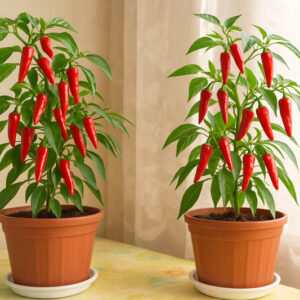
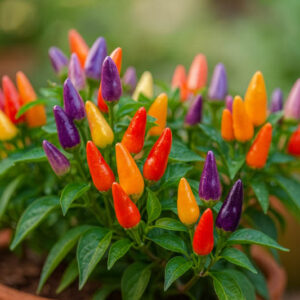
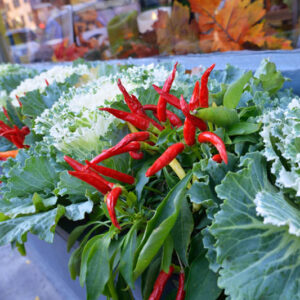
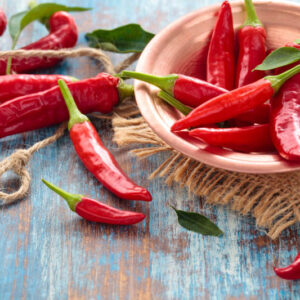
Pepper, Chili Pepper, Chilli Pepper, Sweet Pepper, Bell Pepper, Hot Pepper, Garden Pepper, Banana Pepper, Cayenne Pepper, Paprika Pepper, Pimiento, Pimento, Cherry Pepper, Ornamental Pepper
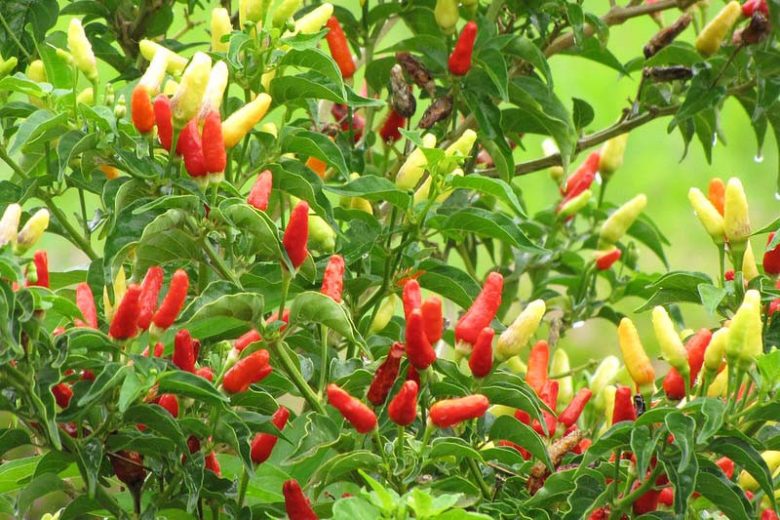


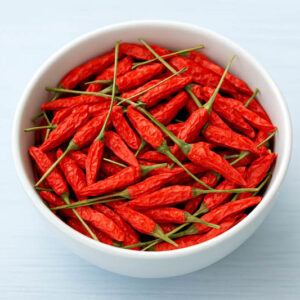
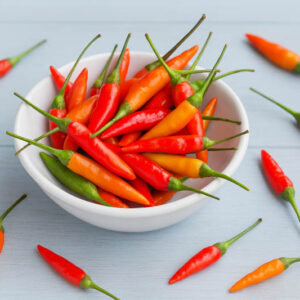
A garden favorite, Capsicum annuum or Pepper, includes a wide range of peppers known for their diverse heat levels, shapes, and flavors. While tender perennials in the tropics, they are typically grown as annuals in temperate regions for their sweet to fiery-hot fruits.
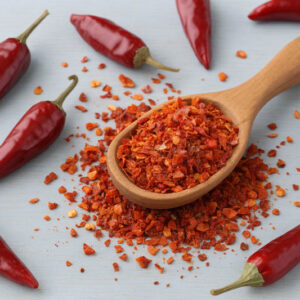
Capsicum annuum is the most widely grown of the five domesticated pepper species, cherished globally for culinary, ornamental, and medicinal uses. It is the source of common sweet peppers and hot chiles, famed spices such as cayenne, chile, paprika powders, and pimiento (pimento).
| Botanical Name | Capsicum annuum |
| Common Names | Pepper, Sweet Pepper, Chili Pepper, Ornamental Pepper |
| Origin | Southern North America, the Caribbean, and northern South America |
| Plant Type | Tender perennial in tropics, grown as annual in temperate zones |
| Height & Spread | 12 in. (30 cm) to 4 ft. (120 cm) tall × 12–24 in. (30–60 cm) spread |
| Foliage | Ovate leaves up to 3 in. (7 cm), light to dark green, occasionally black in cultivars |
| Flower Color & Bloom Time | Small white flowers in summer from leaf axils |
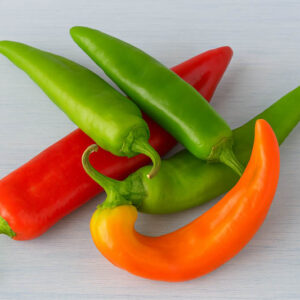
| Fruit Diversity | Green, yellow, orange, red, or purple at maturity; sweet to hot; various shapes & sizes; also ornamental types |
| Sun Requirements | Full sun (6–8+ hours daily) |
| Soil pH | 6.0–6.8, fertile, moist but well-drained |
| Main Culinary Uses | Sweet peppers, hot chiles, pickles, salsas, spice powders (cayenne, paprika, chili powder), pimiento |
| Medicinal Uses | Traditional medicine ingredient; hot chiles used for antimicrobial, circulation-boosting, and anti-inflammatory purposes |
While Capsicum annuum is by far the most cultivated pepper globally, four other Capsicum species are also grown for food, spice, and decoration. Each has unique botanical and culinary characteristics, geographic histories, and popular cultivars.
| Species | Origin & Range | Key Features | Popular Peppers | Typical Heat (SHU) | Culinary/Ornamental Use |
|---|---|---|---|---|---|
| C. annuum | Mexico, Central America; worldwide distribution | Annual or short-lived perennial; upright/bushy; huge varietal diversity | Bell, Jalapeño, Cayenne, Paprika, Serrano |
0 – 50,000+ | Sweet peppers, chiles, spices, edible ornamentals |
| C. chinense | Amazon Basin (NW South America, Caribbean) | Tend to be bushier, aromatic “fruity” flavor, very thin skin | Habanero, Scotch Bonnet, Ghost Pepper (Bhut Jolokia), Carolina Reaper |
100,000 – 2,200,000+ | Super-hot sauces, salsas, Caribbean cuisine, novelty |
| C. baccatum | Bolivia, Peru, South America | Often larger, winged calyxes; citrusy/tropical flavors; needs longer season | Aji Amarillo, Aji Lemon, Bishop’s Crown | 5,000 – 30,000 | Peruvian, Latin American, sauces, drying |
| C. frutescens | Central/South America | Small, upright pods; prolific, often perennial; spicy, slightly bitter | Tabasco, Malagueta, Piri Piri | 30,000 – 100,000 | Hot sauces (Tabasco), pickled, African/Asian cuisine |
| C. pubescens | Andes (Bolivia, Peru, Ecuador, Chile) | Thick-walled, often purple flowers, black seeds, fuzzy leaves; tolerates cool temps | Rocoto, Manzano | 30,000 – 100,000 | Stuffed, Peruvian and Andean cuisine |
| Plant | Type / Category | Benefit for Peppers |
|---|---|---|
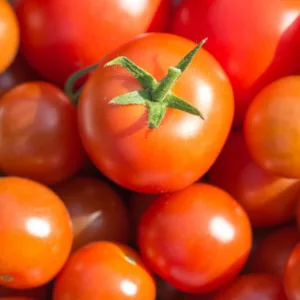
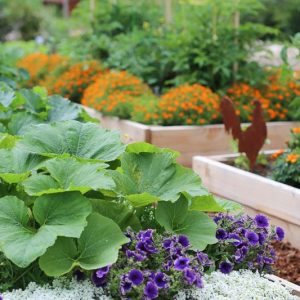
| Tomatoes | Fruit vegetable (Nightshade) | Similar cultural needs; can provide partial shade and serve as a windbreak when planted thoughtfully. Rotate yearly to reduce soil-borne diseases. |
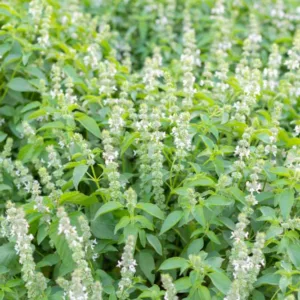
| Basil | Herb | Repels aphids, spider mites, and flies; attracts pollinators; may enhance pepper flavor. |
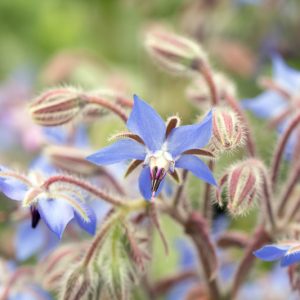
| Borage | Flowering herb | Repels tomato hornworms; attracts bees; edible blue flowers for salads. |
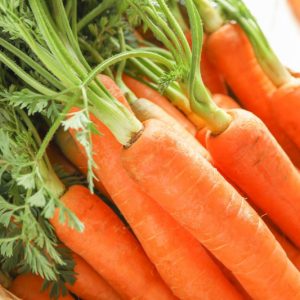
| Carrots | Root vegetable | Deep roots complement peppers’ shallow roots; maximize use of garden space. |
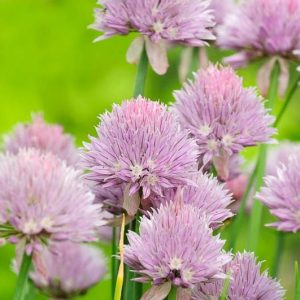
| Chives | Herb (Allium) | Repels aphids and thrips; pollinator-attracting purple flowers add ornamental value. |
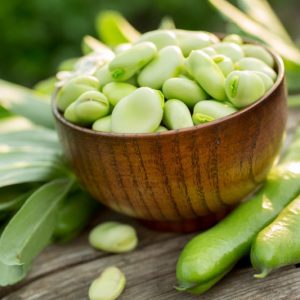
| Fava Beans | Legume | Fixes nitrogen; improves soil structure; can be used as living mulch. |
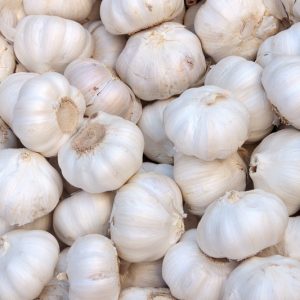
| Garlic | Bulb vegetable (Allium) | Repels aphids, slugs, and beetles; natural insecticidal properties. |
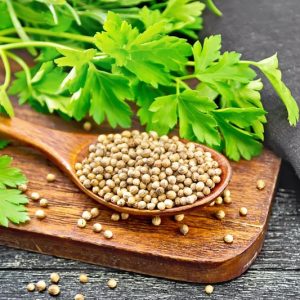
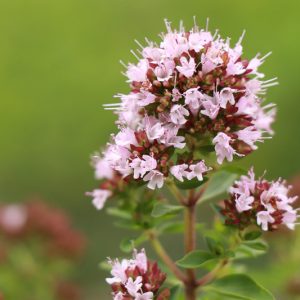
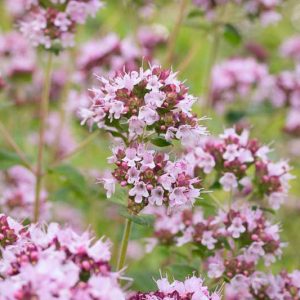
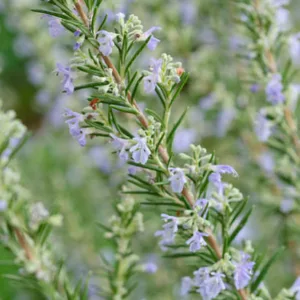
| Oregano, Cilantro, Rosemary, Marjoram | Herbs | Repel harmful insects (spider mites, Japanese beetles); attract ladybugs and parasitic wasps. |
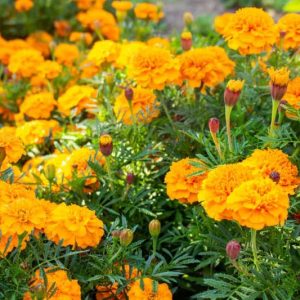
| Marigolds | Annual flower | Repel nematodes, aphids, and whiteflies; attract ladybugs and hoverflies. |
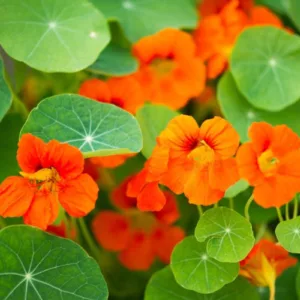
| Nasturtiums | Annual flowering plant | Trap crop for aphids, whiteflies; edible flowers for garnish; attract pollinators. |
| Onions | Bulb vegetable (Allium) | Repels pests (aphids, Colorado potato beetles); improves soil structure at bed edges. |
| Spinach | Leafy green | Serves as living mulch; suppresses weeds without competing heavily for resources. |
Some plants compete for nutrients, attract shared pests, or inhibit pepper growth. Avoid growing peppers near:
| Plant | Type / Category | Reason to Avoid |
|---|---|---|
| Fennel | Herb | Secretes allelopathic chemicals (e.g., anethole) that inhibit pepper growth; attracts aphids. |
| Brassicas (Broccoli, Cauliflower, Cabbage) | Leafy vegetables | Compete for similar soil nutrients; attract flea beetles/cabbage worms. |
| Corn | Grain | Heavy feeder; depletes soil nutrients fast; attracts armyworms/corn earworms. |
| Potatoes | Root/tuber (Nightshade) | Compete for nutrients; share pests/diseases; disturb pepper roots at harvest. |
| Eggplants | Fruit vegetable (Nightshade) | Share pests (Colorado potato beetle, flea beetles); strong competition for soil nutrients. |
| Strawberries | Fruit (perennial) | Compete for root space, attract slugs/snails; can reduce yields of both. |
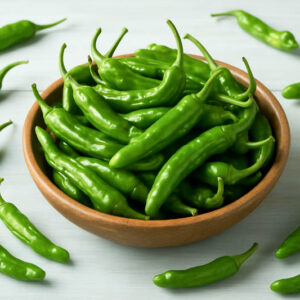
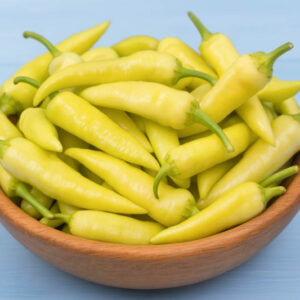
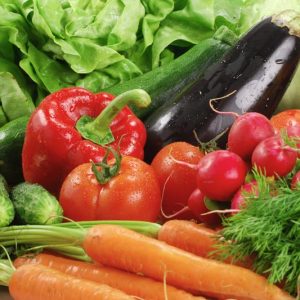
Some of the most popular types include bell pepper, jalapeño, cayenne, paprika, pepperoncini, serrano, poblano, and shishito. These peppers vary greatly in flavor, heat level, color, size, and culinary use.
Yes. Wild Capsicum annuum is native to the southwestern United States—especially Texas, Arizona, and New Mexico—as well as Mexico and nearby regions. Evidence suggests it was domesticated thousands of years ago in this region.
Capsicum annuum includes most sweet peppers and many mild to moderately hot chiles. Other species have distinct traits: Capsicum chinense produces superhot peppers like habanero, ghost pepper, and Carolina Reaper; Capsicum baccatum is known for citrusy Aji peppers; Capsicum frutescens includes Tabasco-type chiles; and Capsicum pubescens produces thick-walled rocoto peppers with black seeds and purple flowers.
Peppers thrive in full sun with well-drained, fertile soil at a pH of 6.0–6.8. They need consistent moisture but not soggy conditions. In cooler climates, seeds should be started indoors and transplanted after the risk of frost passes. Mulching helps retain soil moisture, while staking supports larger plants. Fertilize when flowering begins and harvest when fruits reach the desired size and color.
Sweet pepper varieties typically mature in 60–90 days, while hot peppers can take up to 150 days, depending on variety and growing conditions.
Yes. Most varieties are edible, ranging from sweet bell peppers to hot chiles. Even ornamental types are technically edible, though they may be extremely hot or slightly bitter.
Common pests include aphids, whiteflies, cutworms, pepper maggots, and Colorado potato beetles. Diseases that can affect peppers include verticillium wilt and mosaic virus. Good garden hygiene, crop rotation, and healthy soil management are key preventive measures.
Yes. Use containers with good drainage, ideally 2–5 gallons large. Fill them with a high-quality potting mix and choose compact or dwarf varieties for the best results. Water consistently and feed regularly once the plants begin to flower and fruit.
| Hardiness |
9 - 11 |
|---|---|
| Climate Zones | 1, 1A, 1B, 2, 2A, 2B, 3, 3A, 3B, 4, 5, 6, 7, 8, 9, 10, 11, 12, 13, 14, 15, 16, 17, 18, 19, 20, 21, 22, 23, 24, A1, A2, A3, H1, H2 |
| Plant Type | Annuals, Perennials |
| Plant Family | Solanaceae |
| Genus | Capsicum |
| Common names | Banana Pepper, Bell Pepper, Cayenne Pepper, Chili Pepper, Pepper, Sweet Pepper |
| Exposure | Full Sun |
| Season of Interest | Spring (Late), Summer (Early, Mid, Late), Fall |
| Height | 1' - 4' (30cm - 120cm) |
| Spread | 1' - 2' (30cm - 60cm) |
| Spacing | 24" (60cm) |
| Maintenance | Low |
| Water Needs | Average |
| Soil Type | Loam, Sand |
| Soil pH | Acid, Neutral |
| Soil Drainage | Moist but Well-Drained, Well-Drained |
| Characteristics | Showy |
| Native Plants | United States, Southwest, Texas, Arizona, New Mexico |
| Tolerances | Drought, Deer, Heat |
| Attracts | Birds |
| Garden Uses | Beds And Borders, Patio And Containers |
| Garden Styles | Informal and Cottage, Mediterranean Garden |
| Toxic to Humans | No known toxicity |
| Toxic to Cats | No known toxicity |
| Toxic to Dogs | No known toxicity |
| Toxic to Horses | No known toxicity |


| Hardiness |
9 - 11 |
|---|---|
| Climate Zones | 1, 1A, 1B, 2, 2A, 2B, 3, 3A, 3B, 4, 5, 6, 7, 8, 9, 10, 11, 12, 13, 14, 15, 16, 17, 18, 19, 20, 21, 22, 23, 24, A1, A2, A3, H1, H2 |
| Plant Type | Annuals, Perennials |
| Plant Family | Solanaceae |
| Genus | Capsicum |
| Common names | Banana Pepper, Bell Pepper, Cayenne Pepper, Chili Pepper, Pepper, Sweet Pepper |
| Exposure | Full Sun |
| Season of Interest | Spring (Late), Summer (Early, Mid, Late), Fall |
| Height | 1' - 4' (30cm - 120cm) |
| Spread | 1' - 2' (30cm - 60cm) |
| Spacing | 24" (60cm) |
| Maintenance | Low |
| Water Needs | Average |
| Soil Type | Loam, Sand |
| Soil pH | Acid, Neutral |
| Soil Drainage | Moist but Well-Drained, Well-Drained |
| Characteristics | Showy |
| Native Plants | United States, Southwest, Texas, Arizona, New Mexico |
| Tolerances | Drought, Deer, Heat |
| Attracts | Birds |
| Garden Uses | Beds And Borders, Patio And Containers |
| Garden Styles | Informal and Cottage, Mediterranean Garden |
| Toxic to Humans | No known toxicity |
| Toxic to Cats | No known toxicity |
| Toxic to Dogs | No known toxicity |
| Toxic to Horses | No known toxicity |
How many Capsicum annuum (Peppers) do I need for my garden?
| Plant | Quantity | |
|---|---|---|
| Capsicum annuum (Peppers) | N/A | Buy Plants |
Create a membership account to save your garden designs and to view them on any device.
Becoming a contributing member of Gardenia is easy and can be done in just a few minutes. If you provide us with your name, email address and the payment of a modest $25 annual membership fee, you will become a full member, enabling you to design and save up to 25 of your garden design ideas.
Join now and start creating your dream garden!
Create a membership account to save your garden designs and to view them on any device.
Becoming a contributing member of Gardenia is easy and can be done in just a few minutes. If you provide us with your name, email address and the payment of a modest $25 annual membership fee, you will become a full member, enabling you to design and save up to 25 of your garden design ideas.
Join now and start creating your dream garden!