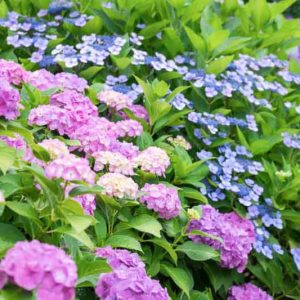
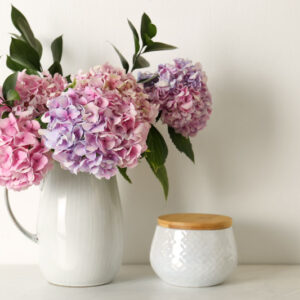
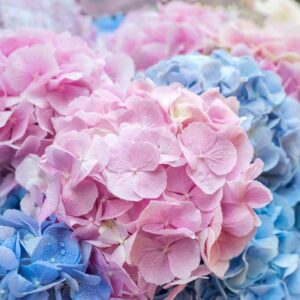
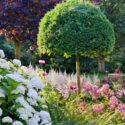
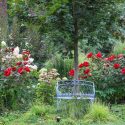
Choosing the right companion plants can enhance the beauty and health of your hydrangeas while creating a vibrant and cohesive garden space.


Summary: Pair hydrangeas with plants that match their light, moisture, and soil needs.
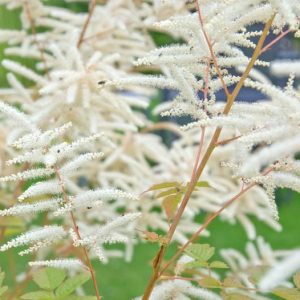
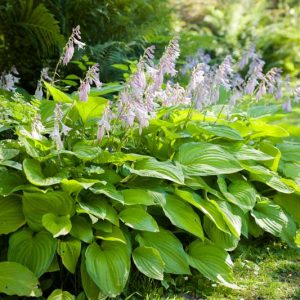
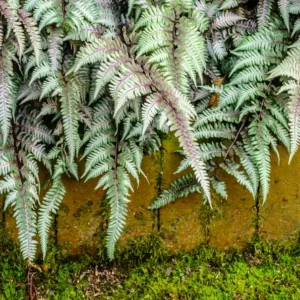
Shade/part-shade allies (great with Bigleaf, Mountain, Oakleaf, Climbing) include Astilbe, ferns, Hosta, Heuchera, Brunnera, and Tiarella.
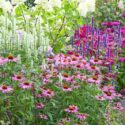
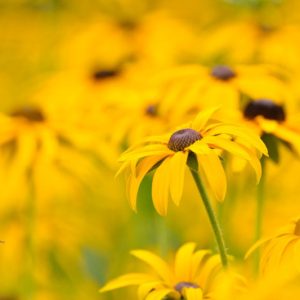
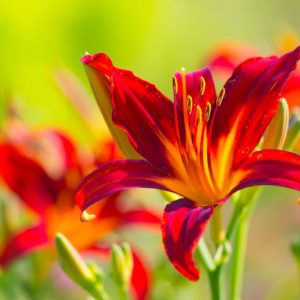
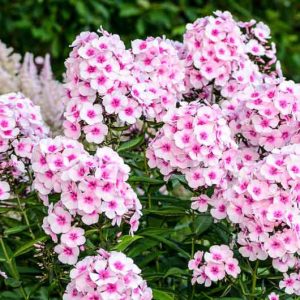
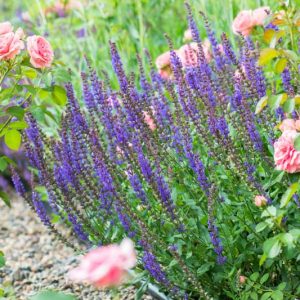
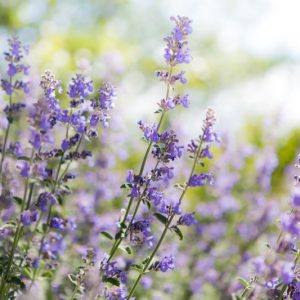
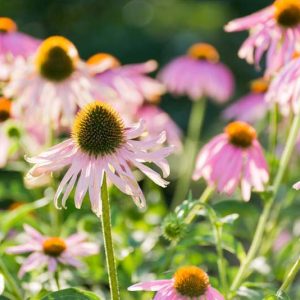
For sunnier spots (Panicle, Smooth), try Daylily, Salvia, Nepeta, Echinacea, and Rudbeckia.
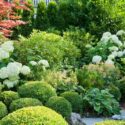
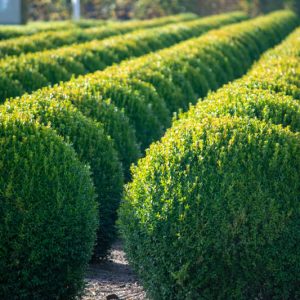
Add year-round framework with small evergreens (e.g., boxwood) and gentle groundcovers.
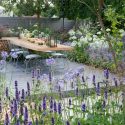
Avoid drought-loving Mediterranean herbs (lavender, sage) right beside thirsty hydrangeas.
Keep consistent moisture, mulch 2–3 in., and prune hydrangeas by wood type to protect next season’s blooms.
| Best for Shade / Part Shade | Astilbe, ferns, Hosta, Heuchera, Brunnera, Tiarella, Pulmonaria (match with Bigleaf, Mountain, Oakleaf, Climbing) |
|---|---|
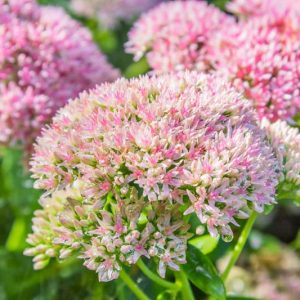
| Best for Sun / Part Sun | Daylily (Hemerocallis), Salvia, Nepeta, Echinacea, Rudbeckia, Amsonia, Sedum (match with Panicle, Smooth) |
| Foliage Backbone | Compact evergreens (e.g., boxwood, inkberry holly), ornamental grasses (cool- or warm-season per exposure) |
| Groundcovers Under Shrubs | Sweet woodruff, lamium, liriope, creeping jenny*; plant a few inches from the crown for airflow. *Check local invasiveness status. |
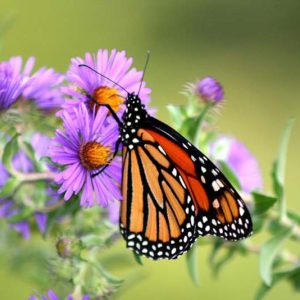
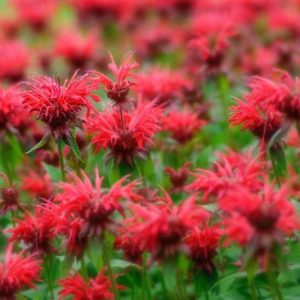
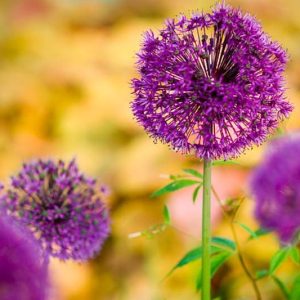
| Pollinator Support | Lacecap hydrangeas + salvias, monarda, agastache, alliums for extended nectar season |
| Avoid Pairing With | Drought-lovers (lavender, Russian sage, many Mediterranean herbs); moisture-hog tree roots; spots with poor drainage or harsh reflected heat |
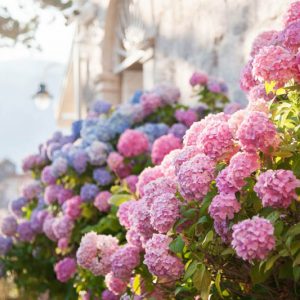
| Soil & pH Tips | Rich, moist, well-drained; 2–3 in. mulch. pH affects bloom color on Bigleaf/Mountain only (acid → bluer, alkaline → pinker) |
| Spacing & Airflow | Don’t crowd shrub bases; keep companions ~12–18 in. away from stems; maintain airflow to limit mildew |
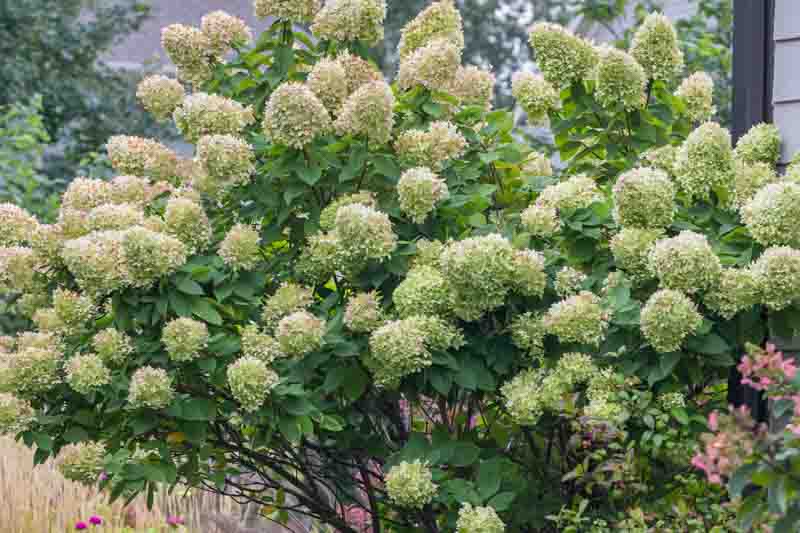
Hydrangeas are beloved garden staples, known for their stunning blooms and ability to thrive in various conditions. When planning your landscape, choosing the right companion plants can enhance the beauty and health of your hydrangeas while creating a vibrant and cohesive garden space.
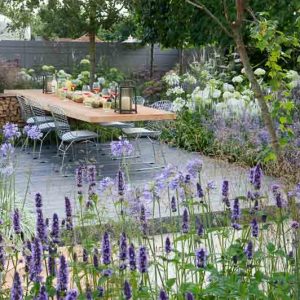
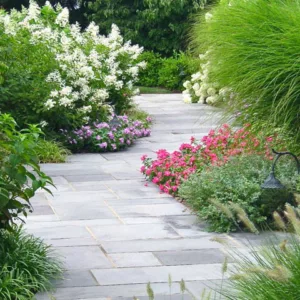
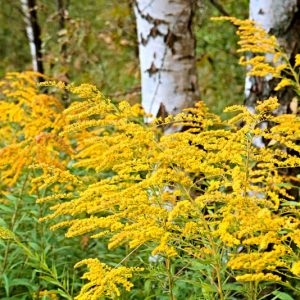
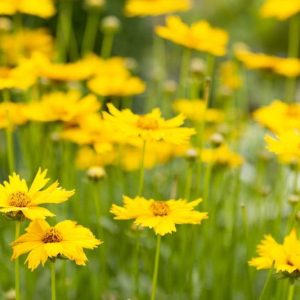
Color Coordination: By selecting companion plants that harmonize with your hydrangea color, you can create a visually striking display. For example, pairing blue hydrangeas with yellow or orange perennials, such as Coreopsis or Rudbeckia, creates a captivating contrast.
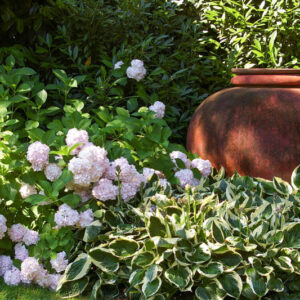
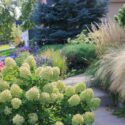
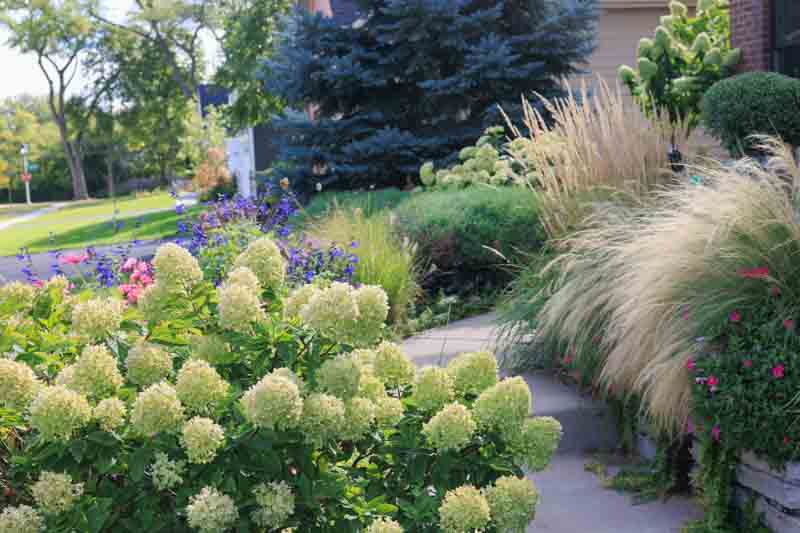
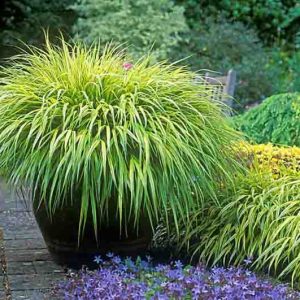
Layered Textures: Combining hydrangeas with plants that have different leaf shapes and sizes adds depth and interest to your garden. The large, lush foliage of hydrangeas can be complemented by the fine textures of ornamental grasses like Calamagrostis or the broad leaves of Hostas.
Extended Bloom Time: By planting perennials with staggered blooming times alongside hydrangeas, you can ensure that your garden remains vibrant throughout the growing season. For instance, pairing hydrangeas with Daylilies or Coneflowers provides continuous color from late spring through early fall.
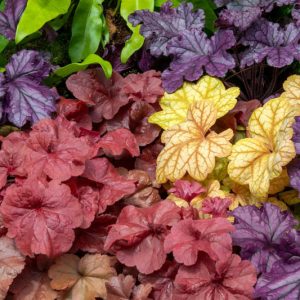
Foliage Variety: Different companion plants offer unique foliage colors and textures, ensuring year-round interest even when hydrangeas are not in bloom. Heuchera (Coral Bells) has colorful leaves that add richness to the landscape and complement the lush green of hydrangeas.
Companion plants that thrive in soil conditions similar to those of hydrangeas can help maintain consistent moisture levels. Astilbe enjoys similar moist, well-drained soil conditions as hydrangea shrubs.
By carefully selecting companion plants that meet these criteria, you can create a thriving and harmonious garden environment that enhances the beauty and health of your hydrangeas.
| Hardiness |
3 - 9 |
|---|---|
| Heat Zones |
1 - 9 |
| Plant Type | Shrubs |
| Plant Family | Hydrangeaceae |
| Genus | Hydrangea |
| Exposure | Full Sun, Partial Sun |
| Season of Interest | Spring (Late), Summer (Early, Mid, Late), Fall |
| Maintenance | Low |
| Water Needs | Average |
| Soil Type | Clay, Loam, Sand |
| Soil pH | Acid, Alkaline, Neutral |
| Soil Drainage | Moist but Well-Drained |
| Characteristics | Dried Arrangements, Cut Flowers, Showy |
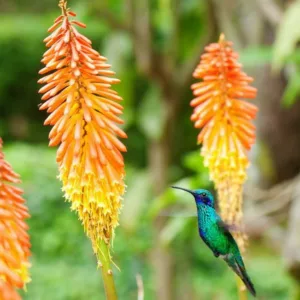
| Attracts | Butterflies, Hummingbirds |
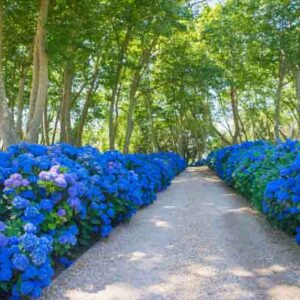
| Landscaping Ideas | Beds And Borders, Hedges And Screens, Patio And Containers |
| Toxic to Humans | No known toxicity |
| Toxic to Cats | No known toxicity |
| Toxic to Dogs | No known toxicity |
| Toxic to Horses | No known toxicity |
What is the best plant to go with hydrangeas?
Astilbe is a top companion—matching the same cool, moist soil and dappled light, and its feathery plumes complement hydrangea mopheads and lacecaps. Other strong pairings include Hostas (foliage contrast) and Daylilies for sunnier hydrangea types.
What not to plant near hydrangeas?
Avoid drought-lovers like lavender and sage that prefer dry, lean soils. Skip aggressive spreaders (e.g., mint, bamboo) that compete for moisture and space. Steer clear of spots with heavy tree root competition and poor drainage.
What is the best landscaping with hydrangeas?
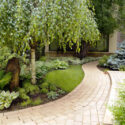
Layer heights: evergreens or ornamental grasses for structure, hydrangeas as the mid-story, and shade-friendly perennials (Astilbe, Hosta, Heuchera) or sunny partners (Daylily, Salvia) depending on hydrangea type. Mulch generously to retain moisture.
Where should you not plant hydrangeas?
Avoid full, harsh afternoon sun for shade-leaning types (Bigleaf, Mountain, Oakleaf), poorly drained sites, wind tunnels, and locations with intense reflected heat. Don’t plant right against thirsty tree roots.
What is the best ground cover for hydrangeas?
Sweet woodruff and liriope are dependable under light shade. Creeping jenny adds a bright carpet but can spread vigorously—check local guidance. Plant groundcovers a few inches away from the hydrangea crown for airflow.
Which hydrangea types pair best with sun-loving perennials?
Panicle (H. paniculata) and Smooth (H. arborescens). Try them with Daylily, Salvia, Nepeta, Echinacea, Rudbeckia, and ornamental grasses for long-season color.
How far from the hydrangea should companions be planted?
Keep companions about 12–18 inches (30–45 cm) from the shrub’s stems to preserve airflow, simplify pruning, and reduce mildew risk.
Can I mix hydrangeas with roses?
Yes—especially with Panicle or Smooth types in sun. Add salvias, catmint, and alliums to feed pollinators and knit the planting together. Keep soil rich, evenly moist, and well drained.
Do bulbs work under hydrangeas?
Spring bulbs (snowdrops, crocus, daffodils) flower before hydrangeas leaf out, giving early color without competing for summer moisture. Plant bulbs between roots and avoid disturbing the hydrangea crown.
How do I keep color harmony with Bigleaf or Mountain hydrangeas?
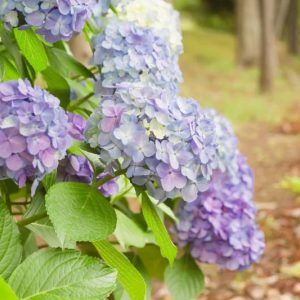
Remember soil pH shifts color (acid → bluer, alkaline → pinker). Choose companion flower/foliage tones that flatter the target hue (e.g., silvery hostas and blue salvias with blue blooms).
Want me to drop this straight into your page with a 1-liner intro above it?
| Hardiness |
3 - 9 |
|---|---|
| Heat Zones |
1 - 9 |
| Plant Type | Shrubs |
| Plant Family | Hydrangeaceae |
| Genus | Hydrangea |
| Exposure | Full Sun, Partial Sun |
| Season of Interest | Spring (Late), Summer (Early, Mid, Late), Fall |
| Maintenance | Low |
| Water Needs | Average |
| Soil Type | Clay, Loam, Sand |
| Soil pH | Acid, Alkaline, Neutral |
| Soil Drainage | Moist but Well-Drained |
| Characteristics | Dried Arrangements, Cut Flowers, Showy |
| Attracts | Butterflies, Hummingbirds |
| Landscaping Ideas | Beds And Borders, Hedges And Screens, Patio And Containers |
| Toxic to Humans | No known toxicity |
| Toxic to Cats | No known toxicity |
| Toxic to Dogs | No known toxicity |
| Toxic to Horses | No known toxicity |
Create a membership account to save your garden designs and to view them on any device.
Becoming a contributing member of Gardenia is easy and can be done in just a few minutes. If you provide us with your name, email address and the payment of a modest $25 annual membership fee, you will become a full member, enabling you to design and save up to 25 of your garden design ideas.
Join now and start creating your dream garden!
Create a membership account to save your garden designs and to view them on any device.
Becoming a contributing member of Gardenia is easy and can be done in just a few minutes. If you provide us with your name, email address and the payment of a modest $25 annual membership fee, you will become a full member, enabling you to design and save up to 25 of your garden design ideas.
Join now and start creating your dream garden!