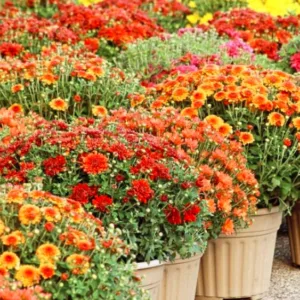
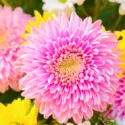
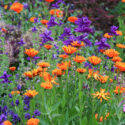
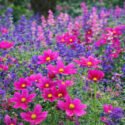
Chrysanthemums, often referred to as mums, are renowned for their captivating beauty and diverse range of colors and forms. They add a splash of color to gardens and floral arrangements alike


| Hardiness |
5 - 9 |
|---|---|
| Heat Zones |
5 - 9 |
| Climate Zones | 2, 2A, 2B, 3, 3A, 3B, 4, 5, 6, 7, 8, 9, 10, 11, 12, 13, 14, 15, 16, 17, 18, 19, 20, 21, 22, 23, 24, H1 |
| Plant Type | Annuals, Perennials |
| Genus | Chrysanthemum |
| Exposure | Full Sun |
| Season of Interest | Summer (Late), Fall |
| Height | 1' - 3' (30cm - 90cm) |
| Spread | 1' - 3' (30cm - 90cm) |
| Maintenance | Average |
| Water Needs | Average |
| Soil Type | Clay, Loam, Sand |
| Soil pH | Acid, Neutral, Alkaline |
| Soil Drainage | Moist but Well-Drained |
| Characteristics | Showy, Cut Flowers |
| Attracts | Butterflies |
| Landscaping Ideas | Beds And Borders, Patio And Containers |
| Garden Styles | City and Courtyard, Cutting Garden, Informal and Cottage, Traditional Garden |
Growing chrysanthemums offers a myriad of benefits and aesthetic pleasures to the gardener. Here’s why you might consider cultivating them:
Brilliant Fall Colors: Chrysanthemums bloom in the fall, when many other plants begin to fade. Their vibrant colors can reinvigorate a garden during this time, providing a late-season burst of beauty.
Diverse Range: With thousands of varieties available, there’s a chrysanthemum for nearly every aesthetic preference, from simple daisy-like blooms to intricate spider and pompon forms, and in colors ranging from whites and yellows to deep purples and reds.
Durable and Hardy: These plants are relatively hardy and can thrive in a variety of conditions, making them suitable for different types of gardens and climates.
Beneficial for Pollinators: Mums attract bees, butterflies, and other pollinators, supporting biodiversity in the garden.
Cut Flower Use: They make beautiful cut flowers, allowing you to bring the beauty of the garden indoors. Their long vase life ensures they remain fresh for an extended period.
Traditional Significance: Chrysanthemums have deep cultural and symbolic meanings in many Asian cultures, representing longevity and rejuvenation.
Medicinal and Culinary Uses: Certain varieties have been used in traditional Asian medicine and cuisine, adding another dimension to their garden value.
Versatility: Whether you have a spacious garden or just a balcony, chrysanthemums can fit in. They grow well in the ground, but many varieties also thrive in pots or containers.
In essence, chrysanthemums are not just beautiful; they are a practical and multifaceted addition to any garden space. Whether you’re a novice gardener or an expert, these flowers can offer something special to your landscape.
Designing a garden with chrysanthemums can provide a striking visual display, especially during the late summer and autumn months when these flowers are in their full glory. Their vibrant blooms, combined with their versatile growth habits, make chrysanthemums a favorite choice among garden enthusiasts. Here’s how you can incorporate chrysanthemums into your garden design:
Seasonal Focus: Chrysanthemums are renowned for their fall blooms. Position them where they can be the focal point during this season, complementing the changing colors of deciduous trees or contrasting evergreens.
Borders and Edges: The compact nature of many chrysanthemum varieties makes them ideal for borders. Their dense growth can help define garden pathways and the edges of flower beds.
Mass Plantings: Planting chrysanthemums in large groups or swathes can create a powerful visual impact, especially with varieties that have bright and bold colors.
Container Gardening: For those with limited space or those looking to decorate patios and balconies, chrysanthemums grow well in pots and planters. This also allows for easy rearrangement as the seasons change.
Layering: Use taller chrysanthemum varieties at the back of beds or borders, with shorter ones in front. This tiered approach maximizes visibility and creates depth in the garden.
Rock Gardens: Some dwarf varieties of chrysanthemums are suited for rock gardens, where their vivid colors can contrast beautifully with the natural stone.
Cutting Gardens: If you enjoy fresh bouquets, designate a part of your garden for chrysanthemum varieties that are great for cutting. This way, you can enjoy their beauty both outdoors and inside your home.
Color Themes: Create color-themed sections in your garden. For instance, a white garden can benefit from the pure white blooms of certain chrysanthemum varieties.
Ground Cover: Some spreading varieties can be used as a colorful ground cover, especially in areas that might benefit from late-season blooms.
Natural Pest Control: Chrysanthemums contain pyrethrin, a natural insect repellent. Planting them in strategic locations can assist in keeping certain pests at bay.
When designing with chrysanthemums, remember to consider their needs. Most mums prefer well-draining soil, full sun to partial shade, and regular watering. With proper care, they can be a standout feature in your garden design, offering annual bursts of color and charm.
Companion planting is a time-tested gardening technique that uses the beneficial qualities of different plants to support and enhance each other’s growth, health, and beauty. When it comes to chrysanthemums, several plants complement their needs and aesthetics. Here are some of their best companion plants:
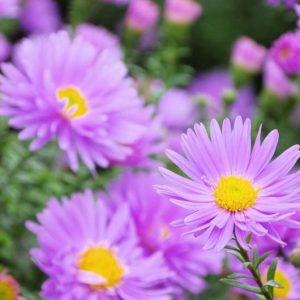
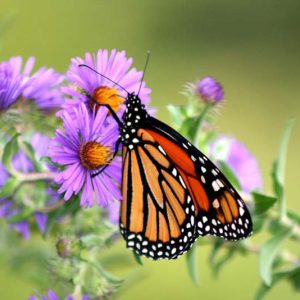
Asters: With similar blooming times and a range of colors, asters and mums can create a vibrant fall display together. They also share similar growing conditions.
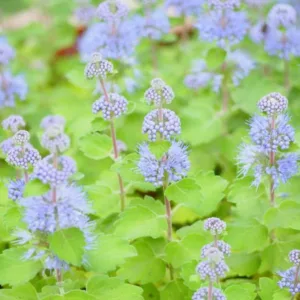
Bluebeard (Caryopteris) is a wonderful companion plant for chrysanthemums. Its vibrant blue flowers and aromatic foliage create a beautiful contrast. Other good companion options include salvia, asters, sedum, and ornamental grasses.
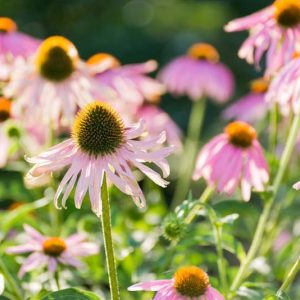
Coneflowers (Echinacea): While they bloom earlier than mums, their seed heads can add interest and texture to the garden during the fall.
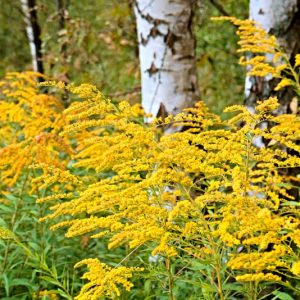
Goldenrod (Solidago): This native plant produces bright yellow flowers that can contrast beautifully with chrysanthemums, especially red, bronze, or white varieties.
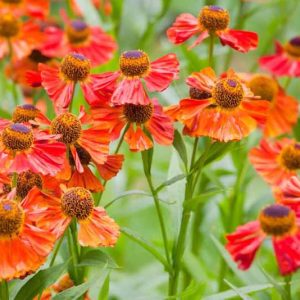
Helenium (Sneezeweed) is a great companion plant for chrysanthemums. Its cheerful daisy-like flowers in shades of yellow, orange, and red complement the colors of chrysanthemums. Both plants thrive in similar growing conditions and can create a vibrant and colorful display in the garden.
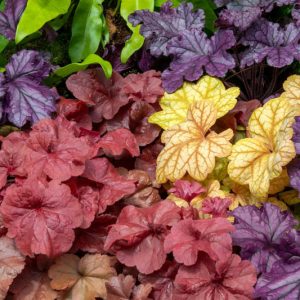
Heuchera (Coral Bells): With its mounded form and colorful foliage, heuchera can complement chrysanthemums nicely, offering color even when not in bloom.
Kale and Ornamental Cabbage: These plants add a touch of unique texture and color, which can enhance the overall appearance of a garden bed with mums.
Ornamental Grasses: The vertical lines and airy structures of ornamental grasses can beautifully contrast with the dense, mounded form of chrysanthemums. Switchgrass (Panicum virgatum) or fountain grass (Pennisetum) are great options.
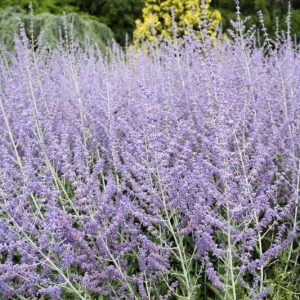
Russian Sage (Perovskia atriplicifolia): With its tall, airy structure and silvery-blue hue, Russian sage provides a complementary backdrop to the bold colors of mums.
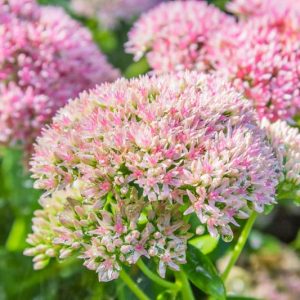
Sedums: Autumn-blooming sedums like ‘Autumn Joy’ have a sturdy, upright habit that pairs well with mums. Their fleshy leaves also add a different texture to the garden.
When planning your garden, remember to consider each plant’s individual needs in terms of sunlight, water, and soil type. Good companions should not only look good together but also support each other’s growth and health.

Growing chrysanthemums can be rewarding as they bring vibrant colors to the garden, especially in the fall when many other plants are winding down. Here’s a comprehensive guide to growing these beautiful blooms:
Choosing Your Chrysanthemum:
Planting Location:
Soil Preparation:
Planting:
Watering:
Fertilizing:
Pinching for Bushier Plants:
Protection:
Disease and Pest Control:
Deadheading:
Overwintering:
Propagation:
By providing proper care and attention, chrysanthemums can be a vibrant and long-lasting addition to your garden, brightening up the landscape during the cooler months of the year.
Chrysanthemums carry a variety of meanings across different cultures. In general, they symbolize longevity, fidelity, joy, and optimism. In Asia, especially in China and Japan, chrysanthemums are highly revered. In Japan, they represent the Emperor and the imperial family, symbolizing rejuvenation and longevity. The “Festival of Happiness” in Japan celebrates this flower. In Western cultures, they can signify positivity and cheerfulness, though they are also often given for sympathy as they symbolize an enduring life and death’s transition.
Yes, chrysanthemums can repel bugs. They contain pyrethrins, a substance that can naturally repel insects. Pyrethrins are extracted from chrysanthemums to create natural insect-repellent products. They’re effective against mosquitoes, ticks, fleas, silverfish, ants, and many other pests. Planting chrysanthemums in your garden can help reduce the number of pests, though for consistent protection, especially indoors, the extracted pyrethrin is often utilized.
In many European countries, chrysanthemums are seen primarily as a symbol of death and are used mainly for funerals or on graves. The reason for this association varies, but the flower’s symbolism of an enduring life and the transition of death is one potential explanation. Their fall blooming period also aligns with All Souls’ Day in many cultures, further solidifying their association with honoring the deceased.
Chrysanthemum has been used in traditional medicine, especially in Asian cultures, for its potential health benefits. Chrysanthemum tea, for instance, is popular in parts of Asia and is believed to have various health benefits such as helping with relaxation, improving cardiovascular health, boosting the immune system, and providing relief from sore throats and respiratory issues. The flower is also believed to have anti-inflammatory and antioxidant properties. As always, it’s important to consult with a healthcare professional before starting any new herbal remedies.
| Hardiness |
5 - 9 |
|---|---|
| Heat Zones |
5 - 9 |
| Climate Zones | 2, 2A, 2B, 3, 3A, 3B, 4, 5, 6, 7, 8, 9, 10, 11, 12, 13, 14, 15, 16, 17, 18, 19, 20, 21, 22, 23, 24, H1 |
| Plant Type | Annuals, Perennials |
| Genus | Chrysanthemum |
| Exposure | Full Sun |
| Season of Interest | Summer (Late), Fall |
| Height | 1' - 3' (30cm - 90cm) |
| Spread | 1' - 3' (30cm - 90cm) |
| Maintenance | Average |
| Water Needs | Average |
| Soil Type | Clay, Loam, Sand |
| Soil pH | Acid, Neutral, Alkaline |
| Soil Drainage | Moist but Well-Drained |
| Characteristics | Showy, Cut Flowers |
| Attracts | Butterflies |
| Landscaping Ideas | Beds And Borders, Patio And Containers |
| Garden Styles | City and Courtyard, Cutting Garden, Informal and Cottage, Traditional Garden |
Create a membership account to save your garden designs and to view them on any device.
Becoming a contributing member of Gardenia is easy and can be done in just a few minutes. If you provide us with your name, email address and the payment of a modest $25 annual membership fee, you will become a full member, enabling you to design and save up to 25 of your garden design ideas.
Join now and start creating your dream garden!