Create Your Garden

South Carolina Sun-Loving Native Shrubs

Ready to trade fussy foundation plants for tough, wildlife-rich color? South Carolina sun-loving native shrubs like beautyberry, wax myrtle, buttonbush, winterberry, viburnum, and yucca thrive in heat, clay, and sand. Plant them once, water to establish, then enjoy years of flowers, berries, birds, and effortless Southern character.
Native Plants, Native Shrubs, South Carolina Native Plant, South Carolina Native Shrubs, Sun Shrubs

South Carolina Sun-Loving Native Shrubs – Blooms, Berries, and Birds for Bright Southern Yards

Want shrubs that actually enjoy blazing South Carolina sun instead of wilting by July? Sun-loving native shrubs are built for Columbia heat, Charleston humidity, and breezy coastal plains. From the Blue Ridge foothills to the Grand Strand, these shrubs offer flowers, fruit, and wildlife habitat while thriving in USDA zones 7 to 9.

South Carolina Sun-Loving Shrub Quick Start

  • Give them real sun – most of these native shrubs want at least six hours of direct light. In coastal and Midlands heat, morning and midday sun with light afternoon shade is ideal for moisture lovers.
  • Match shrubs to moisture – buttonbush, swamp rose, seashore mallow, and winterberry love wet ditches and pond edges; yucca, winged sumac, and wax myrtle prefer dry or sandy banks.
  • Think mature size, not container size – a one gallon wax myrtle or beautyberry can become a six to ten foot shrub in a few seasons. Give them room to reach full, natural shape.
  • Layer the hedge – mix tall backbone shrubs like winged sumac and elderberry with medium anchors like beautyberry, New Jersey tea, and fothergilla, plus low blueberries and shrubby St. John’s wort at the front.
  • Water to establish – even drought tolerant natives need regular deep watering during their first growing season. After that, many can coast on typical South Carolina rainfall.

South Carolina Full-Sun Garden Zones at a Glance

South Carolina stretches from cool, rocky foothills to hot, sandy barrier islands. Knowing your region helps you pick the right sun-loving native shrub for each site.

  • Blue Ridge and upper Piedmont – slightly cooler nights, clay or rocky soils, rolling pastures and old fields. Winged sumac, highbush blueberry, New Jersey tea, and blackhaw viburnum shine here.
  • Midlands and Piedmont – red clay, full-sun slopes, and suburban lots in Columbia, Greenville, Rock Hill, and Aiken. Beautyberry, elderberry, shrubby St. John’s wort, viburnums, and wax myrtle work well.
  • Sandhills – deep, fast-draining sands with pines and wiregrass. Yucca filamentosa, yucca aloifolia in warmer sites, winged sumac, indigo bush, and wax myrtle thrive in hot, dry sun.
  • Coastal plain and Lowcountry – sandy or mucky soils, high humidity, and salty breezes near Charleston, Beaufort, and Myrtle Beach. Buttonbush, seashore mallow, swamp rose, winterberry, and wax myrtle love sunny wet edges.

Walk your property after a rain. Note which sunny areas dry quickly, which stay damp, and which hold water. Then match native shrubs to real-world soil and moisture conditions rather than idealized catalog descriptions.

Best Sun-Loving Native Shrubs for South Carolina Landscapes

Use this list as a menu of South Carolina native shrubs that love full sun and support birds, pollinators, and other wildlife. Mix flowering showpieces with berry producers and tough structural shrubs to build a resilient, low-maintenance landscape.

Guide Information

Plant Type Shrubs
Exposure Full Sun
Native Plants United States, Southeast, South Carolina
Amorpha fruticosa (Indigo Bush)
Aralia spinosa (Devil’s Walking Stick)
Aronia arbutifolia (Red Chokeberry)
Baccharis halimifolia (Eastern Baccharis)
Callicarpa americana (American Beautyberry)
Ceanothus americanus (New Jersey Tea)
Cephalanthus occidentalis (Buttonbush)
Fothergilla gardenii (Dwarf Fothergilla)
Hibiscus moscheutos (Hardy Hibiscus)
Hypericum prolificum (Shrubby St. John’s Wort)
Ilex verticillata (Winterberry)
Kosteletzkya virginica (Seashore Mallow)
Morella cerifera (Wax Myrtle)
Philadelphus inodorus (Scentless Mock Orange)
Rhus copallinum (Winged Sumac)
Robinia hispida (Bristly Locust)
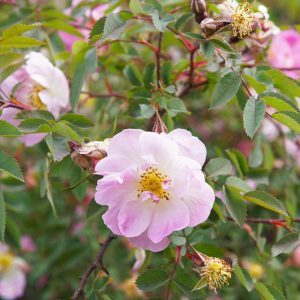
Rosa carolina (Carolina Rose)
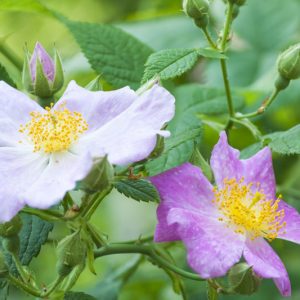
Rosa palustris (Swamp Rose)
Rosa setigera (Prairie Rose)
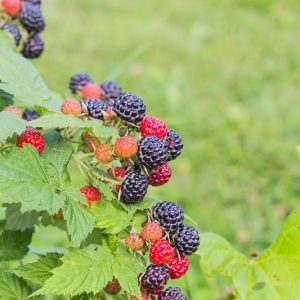
Rubus occidentalis (Black Raspberry)
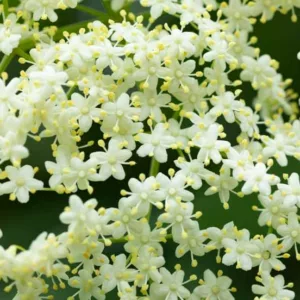
Sambucus canadensis (American Elderberry)
Spiraea tomentosa (Steeplebush)
Vaccinium corymbosum (Highbush Blueberry)
Viburnum nudum (Withe Rod)
Viburnum prunifolium (Blackhaw)
Yucca aloifolia (Spanish Bayonet)
Yucca filamentosa (Adam’s Needle)

Easy Pattern Recipes for Native Shrub Planting

Backyard Bird and Berry Hedge: Combine Callicarpa americana (American Beautyberry), Sambucus canadensis (American Elderberry), Viburnum prunifolium (Blackhaw Viburnum), and Vaccinium corymbosum (Highbush Blueberry). Spring flowers feed pollinators, while summer and fall berries draw mockingbirds, bluebirds, and cardinals.

Sunny Wetland Edge Screen: For pond edges, rain gardens, or swales, mix Cephalanthus occidentalis (Buttonbush), Ilex verticillata (Winterberry), Kosteletzkya virginica (Seashore Mallow), and Rosa palustris (Swamp Rose). These shrubs thrive in wet, sunny soil and create a flowering, fruiting buffer for frogs, dragonflies, and songbirds.

Pollinator-Friendly Meadow Border: Along a driveway or meadow edge, plant drifts of Hypericum prolificum (Shrubby St. John’s Wort), Spiraea tomentosa (Steeplebush), Aronia arbutifolia (Red Chokeberry), and Amorpha fruticosa (Indigo Bush). Their blooms buzz with bees and butterflies from late spring into summer.

Dry Sandhills and Cottage Front Walk: In sandy, well-drained sun, mix Yucca filamentosa (Adam’s Needle), Yucca aloifolia (Spanish Bayonet), Rhus copallinum (Winged Sumac), and Morella cerifera (Wax Myrtle). Add Rosa carolina (Carolina Rose) for fragrant flowers and hips. Together they create a bold, drought-tough, wildlife-friendly composition.

Why Choose Native Shrubs in South Carolina?

Imported shrubs may look good in the nursery but often struggle with South Carolina heat, humidity, and pests. Sun-loving native shrubs evolved in the same coastal plain, Piedmont, and mountain ecosystems that wrap around your home.

  • Climate adapted – native shrubs are used to summer thunderstorms, occasional drought, and winter cold snaps in zones 7 to 9, so they usually need fewer inputs once established.
  • High wildlife value – flowers feed native bees, butterflies, and moths; berries, hips, and seeds feed migratory and resident birds; dense branches offer cover and nesting sites.
  • Lower maintenance – instead of frequent shearing and heavy fertilizing, most native shrubs look best with light annual pruning and an organic mulch layer.
  • Sense of place – using South Carolina native shrubs ties your garden to surrounding forests, wetlands, and prairies, giving it an authentic regional character.

Tip: For a naturalistic look, plant shrubs in loose groups of three or five, vary the spacing slightly, and underplant with native grasses or perennials rather than solid mulch.

Sun-Loving South Carolina Native Shrubs to Know

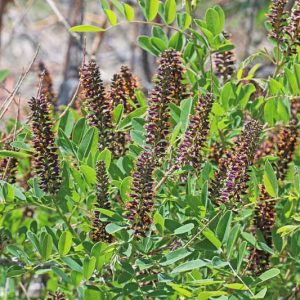
  • Amorpha fruticosa (Indigo Bush) – airy shrub with compound leaves and deep purple flower spikes tipped with orange; thrives in full sun and tolerates moist to average soils along streams, ponds, and roadsides.
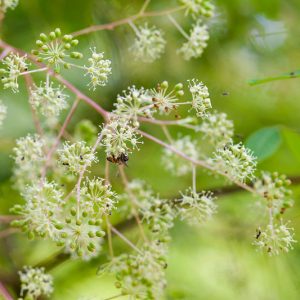
  • Aralia spinosa (Devil’s Walking Stick) – bold, architectural shrub or small tree with huge compound leaves, summer flower clusters, and fall berries loved by birds; best in full sun to part sun and average to moist soil.
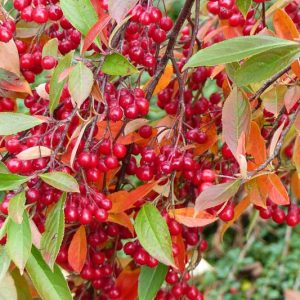
  • Aronia arbutifolia (Red Chokeberry) – multi-season shrub with white spring blooms, glossy green leaves, bright red fall color, and persistent red fruit; handles full sun and moist to average soils.
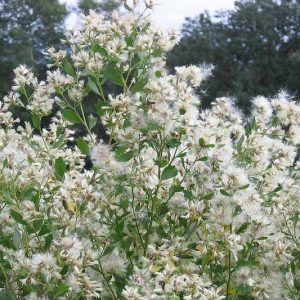
  • Baccharis halimifolia (Eastern Baccharis) – tough, salt tolerant shrub for coastal roadsides and sunny hedgerows; fluffy fall seed heads catch the light and support pollinators and wildlife.
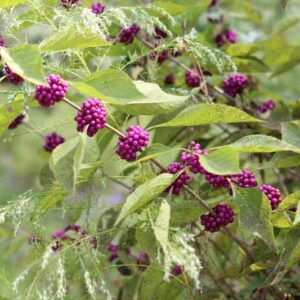
  • Callicarpa americana (American Beautyberry) – open, arching shrub with bright magenta berry clusters on sunlit stems; performs in full sun to light shade and average soils, excellent for birds.
  • Ceanothus americanus (New Jersey Tea) – compact, sun-loving nitrogen fixer with small white flower clusters that attract butterflies; ideal for dry slopes and meadows.
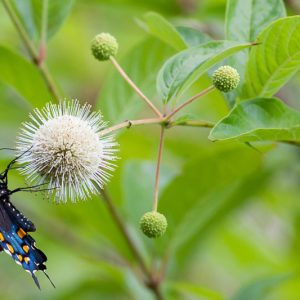
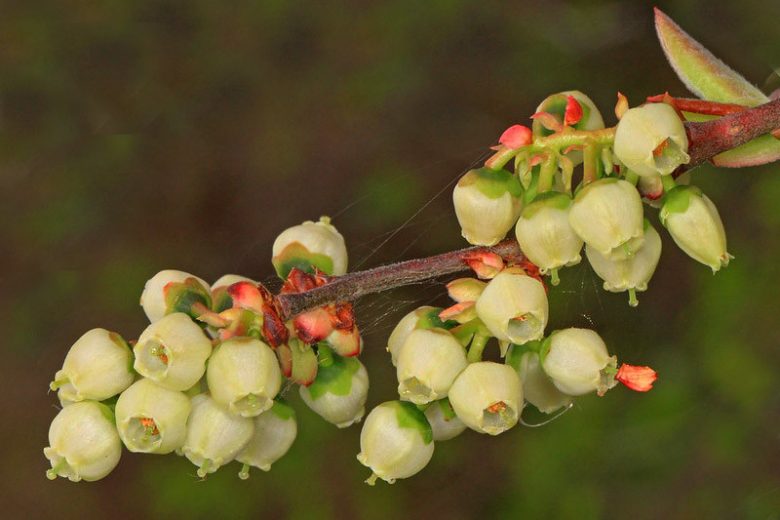
  • Cephalanthus occidentalis (Buttonbush) – wetland shrub with round “button” flower heads that draw butterflies and bees; loves full sun and saturated or shallow-water soils.
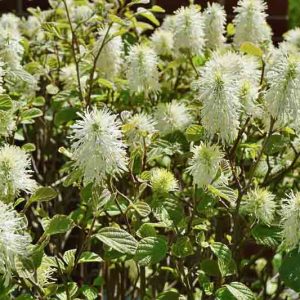
  • Fothergilla gardenii (Dwarf Fothergilla) – low to medium shrub with fragrant bottlebrush flowers in spring and stunning orange, red, and purple fall color; prefers sun to part sun and moist, acidic soil.
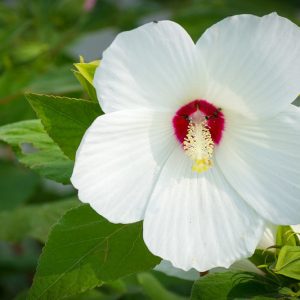
  • Hibiscus moscheutos (Hardy Hibiscus) – shrub-like perennial or subshrub with huge summer flowers in white, pink, or red; thrives in sunny wet spots and rain gardens.
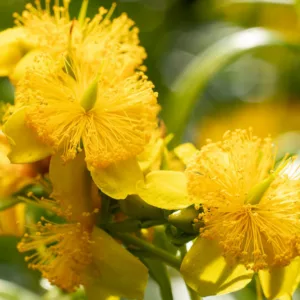
  • Hypericum prolificum (Shrubby St. John’s Wort) – compact, rounded shrub covered in bright yellow flowers for weeks in early summer; thrives in full sun and dry to average soils.
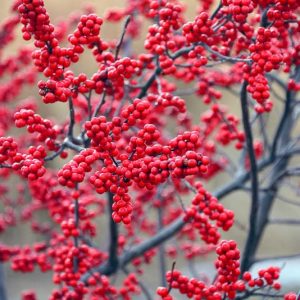
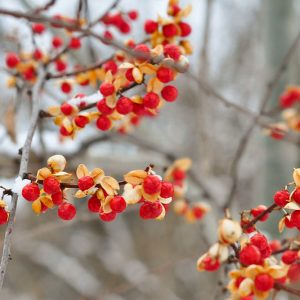
  • Ilex verticillata (Winterberry) – deciduous holly that loads its bare winter branches with bright red berries (female plants, with a male pollinator nearby); ideal for sunny, wet or consistently moist soils.
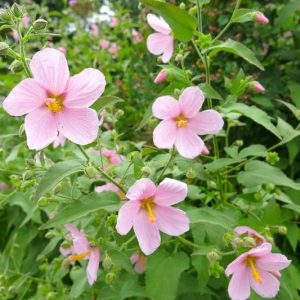
  • Kosteletzkya virginica (Seashore Mallow) – hibiscus relative with pink flowers on upright stems; sun-loving and tolerant of brackish or wet soils along coastal marsh edges and sunny rain gardens.
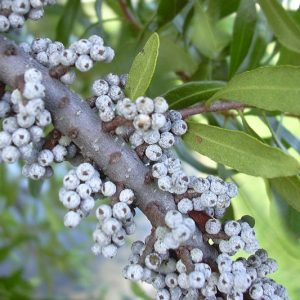
  • Morella cerifera (Wax Myrtle) – evergreen shrub or small tree with fragrant foliage and waxy berries used by birds; excellent for sunny screens, sandy soils, and coastal sites.
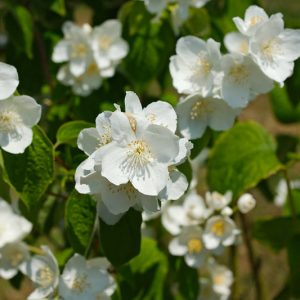
  • Philadelphus inodorus (Scentless Mock Orange) – arching shrub with showy white blooms in late spring; prefers sun to part sun and average soils, good in mixed shrub borders.
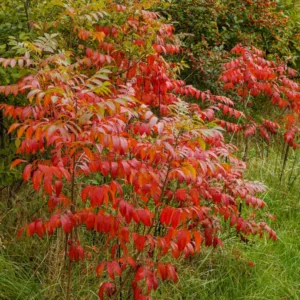
  • Rhus copallinum (Winged Sumac) – sun-loving shrub or small tree with winged leaf stalks, brilliant red fall color, and upright clusters of reddish fruit for wildlife; thrives in dry, poor soils.
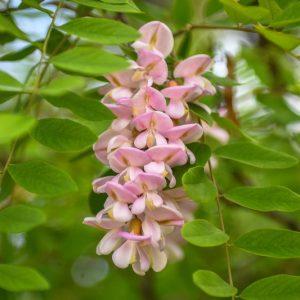
  • Robinia hispida (Bristly Locust) – open shrub with bristly stems and hanging clusters of pink pea flowers; best in sunny, well-drained soils, useful as a quick cover on rough slopes.
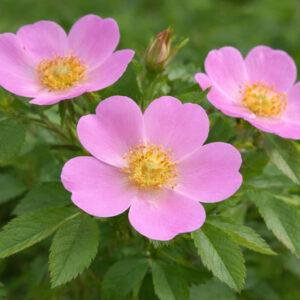
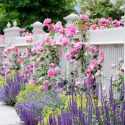
  • Rosa carolina (Carolina Rose) – fragrant pink single roses in early summer followed by bright hips; sun-loving and tolerant of dry to average soils in meadows and edges.
  • Rosa palustris (Swamp Rose) – taller rose suited to sunny wetlands, ditch banks, and pond edges; pink flowers, strong fragrance, and hips for birds.
  • Rosa setigera (Prairie Rose) – climbing or rambling native rose with pink flowers and good disease resistance; thrives in sun and average soils along fences and bank edges.
  • Rubus occidentalis (Black Raspberry) – arching canes, white spring flowers, and delicious dark fruit; full sun and well-drained soils produce best crops and support wildlife.
  • Sambucus canadensis (American Elderberry) – fast-growing shrub with flat white flower clusters and purple-black berries; thrives in full sun and moist soils, excellent for hedgerows and wildlife plantings.
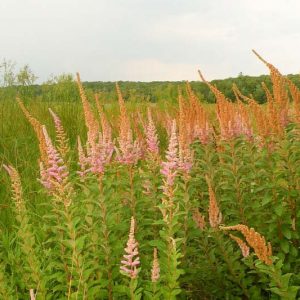
  • Spiraea tomentosa (Steeplebush) – upright stems topped with pink spires of flowers in mid to late summer; best in sunny, moist acidic soils and naturalized areas.
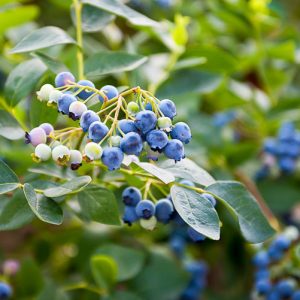
  • Vaccinium corymbosum (Highbush Blueberry) – edible blueberry shrub for full sun and acidic soil; spring flowers, summer berries, and fiery fall foliage make it a multi-season star.
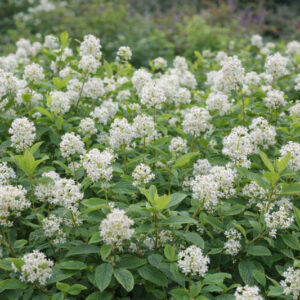
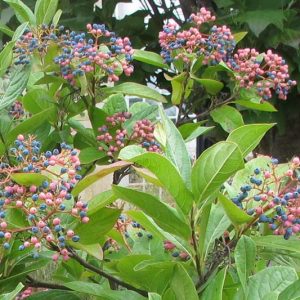
  • Viburnum nudum (Withe Rod) – glossy leaves, clusters of white flowers, and berries that shift from pink to blue; prefers sun to part sun and moist, acidic soils.
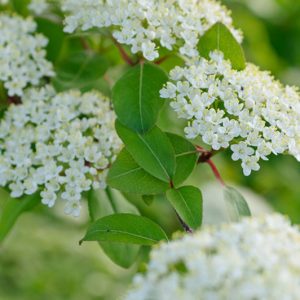
  • Viburnum prunifolium (Blackhaw Viburnum) – upright shrub or small tree with creamy spring flowers, blue-black fruit, and red fall foliage; versatile in full sun and average soils.
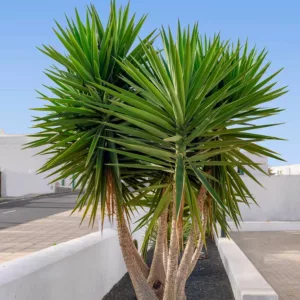
  • Yucca aloifolia (Spanish Bayonet) – dramatic, spiky evergreen with tall stalks of white bells; extremely drought tolerant, perfect for hot, sandy sites and coastal gardens in sun.
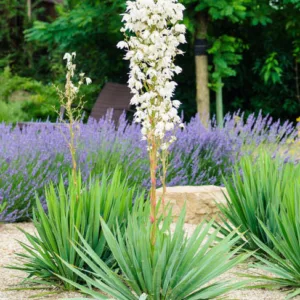
  • Yucca filamentosa (Adam’s Needle) – clumping yucca with threadlike leaf edges and tall flower spikes; thrives in full sun, dry sandy or rocky soils, and tough roadside conditions.

Bringing South Carolina Sun-Loving Native Shrubs Into Your Design

Start by sketching your yard: mark hot sunny slopes, soggy ditches, flat lawn, and existing trees or fences. Then plug in South Carolina native shrubs that fit each zone. Use wax myrtle, winged sumac, and elderberry for height, beautyberry and viburnums for berries, and shrubs like shrubby St. John’s wort, seashore mallow, and prairie rose for flower power.

Within a few seasons, your full-sun beds will shift from thirsty, high-maintenance shrubs to a living tapestry of South Carolina native shrubs that buzz with pollinators, glow with fall color, and feed birds all winter long.

Discover more beautiful South Carolina native plants

Plant Finder

Frequently Asked Questions

What are the best sun-loving native shrubs for South Carolina?

Top full-sun South Carolina natives include American beautyberry, wax myrtle, winged sumac, New Jersey tea, shrubby St. John’s wort, American elderberry, highbush blueberry, blackhaw viburnum, red chokeberry, Carolina rose, swamp rose, buttonbush, seashore mallow, and yucca. These shrubs tolerate heat, humidity, and varied soils statewide.

Which native shrubs tolerate dry, hot, sandy soils in South Carolina?

Wax myrtle, winged sumac, indigo bush, New Jersey tea, Adam’s needle (Yucca filamentosa), Spanish bayonet (Yucca aloifolia), Carolina rose, and bristly locust thrive in well-drained, sunbaked sites such as Sandhills and coastal uplands. These shrubs evolved in fire-prone, nutrient-poor ecosystems and handle drought well once established.

What native shrubs grow well in full sun and wet or seasonally flooded soil?

Buttonbush, winterberry holly, swamp rose, seashore mallow, Eastern baccharis, and American elderberry perform in sunny wet edges, wet meadows, ditches, and pond margins. These species naturally occur in South Carolina wetlands and tolerate periodic flooding, standing water, and saturated soils.

Which South Carolina native shrubs produce berries for birds?

Beautyberry, American elderberry, blackhaw viburnum, withe-rod viburnum, highbush blueberry, red chokeberry, winterberry, wax myrtle, and Carolina rose provide high-value fruit for songbirds. Many produce berries from summer through winter, supporting migratory species and resident birds.

Are there native shrubs that tolerate salt or coastal exposure?

Wax myrtle, Eastern baccharis, yucca, seashore mallow, and winged sumac handle heat, sun, sandy soils, and salt-laden breezes in the Coastal Plain. These shrubs grow naturally near dunes, marsh edges, and coastal hammocks and are reliable choices for beach-adjacent landscapes.

Which South Carolina native shrubs attract pollinators?

Shrubby St. John’s wort, buttonbush, elderberry, red chokeberry, swamp rose, seashore mallow, beautyberry, and New Jersey tea all produce nectar-rich flowers that support native bees, butterflies, wasps, and beneficial insects. Buttonbush in particular is a keystone nectar plant in wet, sunny areas.

Do South Carolina native shrubs require much maintenance?

Once established, most sun-loving natives require minimal care—often just seasonal pruning and mulch. They typically need less water, fertilizer, and pest control than non-native shrubs, because they evolved in the state’s heat, humidity, drought cycles, and coastal weather patterns.

Can native shrubs replace traditional foundation plants?

Yes. Beautyberry, viburnums, wax myrtle, shrubby St. John’s wort, fothergilla, and chokeberries make excellent foundation or mixed-border shrubs. They provide multi-season interest with flowers, fruit, and fall color and support wildlife while thriving in sunny South Carolina soils.

References

Recommended Guides

Monarch Nectar Plants for South Carolina
Great Pollinator Plants for South Carolina
South Carolina Native Grasses
Invasive Plant Species in South Carolina
South Carolina Native Deciduous Trees
South Carolina Native Evergreen Trees
South Carolina Sun-Loving Native Shrubs
South Carolina Shade-Loving Native Shrubs
South Carolina Native Ferns
South Carolina Native Vines
South Carolina Shade-Loving Native Annuals and Perennials
South Carolina Sun-Loving Native Annuals and Perennials
Explore Great Plant Combination Ideas
Lower South Coastal South
While every effort has been made to describe these plants accurately, please keep in mind that height, bloom time, and color may differ in various climates. The description of these plants has been written based on numerous outside resources.

Guide Information

Plant Type Shrubs
Exposure Full Sun
Native Plants United States, Southeast, South Carolina
Explore Great Plant Combination Ideas
Lower South Coastal South

Related Items

Please Login to Proceed

You Have Reached The Free Limit, Please Subscribe to Proceed

Subscribe to Gardenia

To create additional collections, you must be a paid member of Gardenia
  • Add as many plants as you wish
  • Create and save up to 25 garden collections
Become a Member

Plant Added Successfully

Your garden is taking shape. Unlock full planning.

You’ve reached the free limit. Upgrade for $25/year to add as many plants as you wish and save up to 25 garden collections. Unlock Annual Membership

Update Your Credit
Card Information

Cancel

Create a New Collection

Sign Up to Our Newsletter

    You have been subscribed successfully

    Join Gardenia.net

    Create a membership account to save your garden designs and to view them on any device.

    Becoming a contributing member of Gardenia is easy and can be done in just a few minutes. If you provide us with your name, email address and the payment of a modest $25 annual membership fee, you will become a full member, enabling you to design and save up to 25 of your garden design ideas.

    Join now and start creating your dream garden!

    Join Gardenia.net

    Create a membership account to save your garden designs and to view them on any device.

    Becoming a contributing member of Gardenia is easy and can be done in just a few minutes. If you provide us with your name, email address and the payment of a modest $25 annual membership fee, you will become a full member, enabling you to design and save up to 25 of your garden design ideas.

    Join now and start creating your dream garden!
    Find your Hardiness Zone

    Find your Heat Zone

    Find your Climate Zone