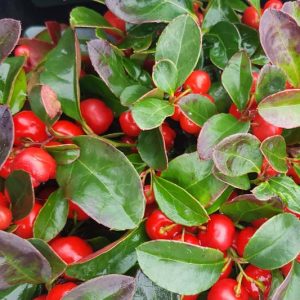
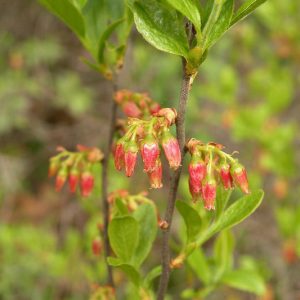
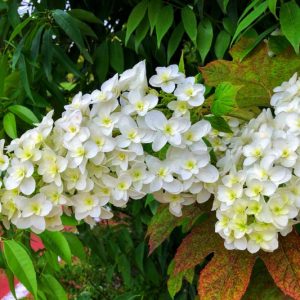
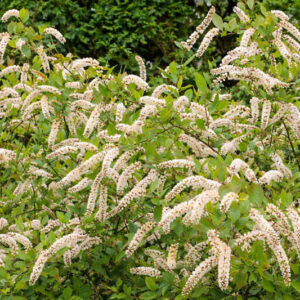
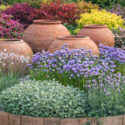
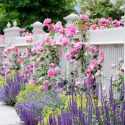
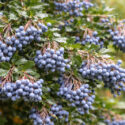
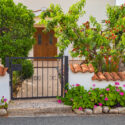
Shady yard in South Carolina? Let native shrubs shine. Sweetspire, spicebush, oakleaf hydrangea, doghobble, and yaupon holly brighten dappled shade with blooms, fragrance, and berries while shrugging off heat, humidity, and clay. Perfect for porches, side yards, and beneath tall pines.
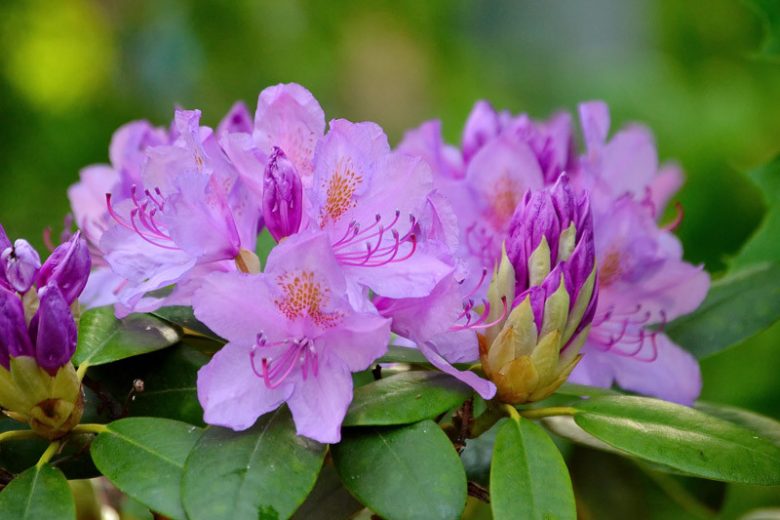


Have a side yard, north wall, or tree canopy where regular shrubs sulk and refuse to bloom? Shade-loving South Carolina native shrubs are made for dappled woods, creek banks, and humid Lowcountry mornings. These woodland workhorses brighten shade with flowers, fragrance, berries, and fall color while thriving in USDA zones 7 to 9.
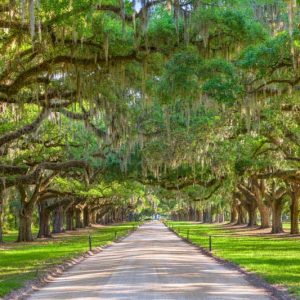
Shade in South Carolina can mean misty mountain coves, Piedmont stream banks, or Lowcountry live oak alleys. Matching native shrubs to your specific shade pattern is the secret to an easy, low maintenance shade garden.
Spend a sunny day checking your yard every few hours. Note where you get morning sun and afternoon shade, high bright shade under tall pines, and dark pockets near dense buildings. Then choose South Carolina shade-loving native shrubs that match those real world light levels.
Use this list as a menu of South Carolina woodland shrubs that handle part shade to shade while feeding birds, butterflies, and moths. Mix spring bloomers, fragrant summer stars, fall foliage, and winter berries for a four season shade garden.
Note: Not every species is native to every county; many are regionally native within the state
| Plant Type | Shrubs |
|---|---|
| Exposure | Partial Sun, Shade |
| Native Plants | United States, Southeast, South Carolina |
| Toxic to Humans | No known toxicity |
| Toxic to Cats | No known toxicity |
| Toxic to Dogs | No known toxicity |
| Toxic to Horses | No known toxicity |
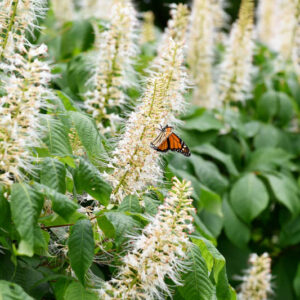
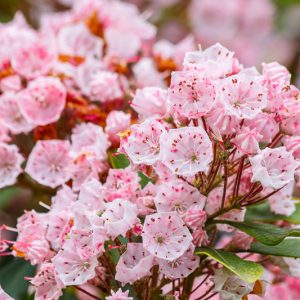
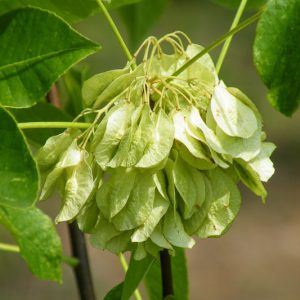
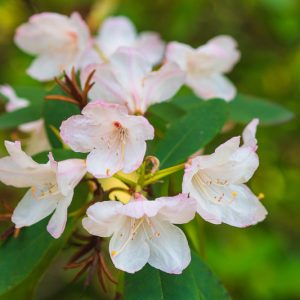
Cool Woodland Edge Screen: Combine Aesculus parviflora (Bottlebrush Buckeye), Rhododendron maximum (Great Laurel), Kalmia latifolia (Mountain Laurel), and Hydrangea quercifolia (Oakleaf Hydrangea). Together they create a tall, layered shade hedge with summer flowers and strong winter structure.
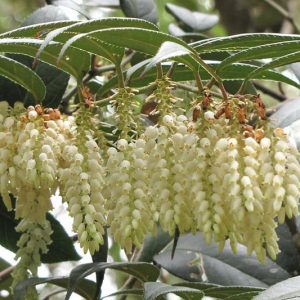
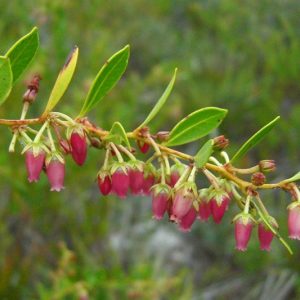
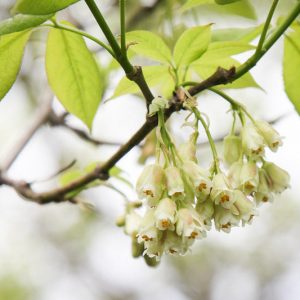
Moist Creekbank And Swale Planting: In shady low spots with moist soil, plant drifts of Itea virginica (Virginia Sweetspire), Clethra alnifolia (Summersweet), Lindera benzoin (Spicebush), and Leucothoe fontanesiana (Doghobble). These shrubs thrive in part shade and provide fragrant flowers, fall color, and fruit for birds.
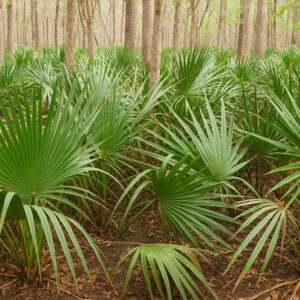
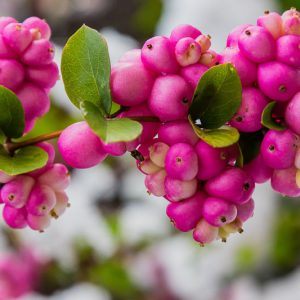
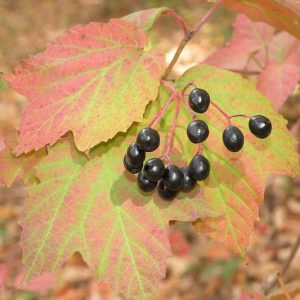
Dry High Shade Under Mature Trees: Beneath tall oaks or pines with dappled light, mix Symphoricarpos orbiculatus (Coralberry), Viburnum acerifolium (Mapleleaf Viburnum), Gaylussacia baccata (Black Huckleberry), Gaultheria procumbens (Wintergreen), and Sabal minor (Dwarf Palmetto). This combo handles root competition and brings berries and evergreen foliage.
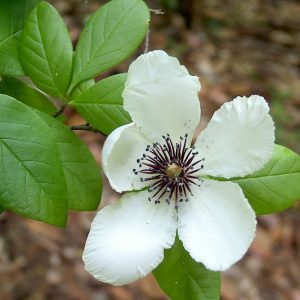
Coastal Evergreen Shade Corner: For shady coastal gardens, pair Agarista populifolia (Florida Hobblebush), Lyonia lucida (Fetterbush), Sabal minor (Dwarf Palmetto), and Clethra acuminata or Clethra alnifolia (Cinnamon Clethra / Summersweet). Add Stewartia malacodendron or Stewartia ovata (American or Mountain Camellia) as a small flowering tree for spring and fall interest.
Imported shade shrubs like boxwood, bigleaf hydrangea, or exotic camellias can struggle with heat, disease, and poor soils. Shade-loving native shrubs evolved in South Carolina woodlands, so they handle humidity, clay, and drought cycles with far less pampering.
Tip: In deep shade, focus on foliage textures and layered planting. Mix broad leaves, glossy evergreens, and fine stems, then let flowers and berries be a bonus.
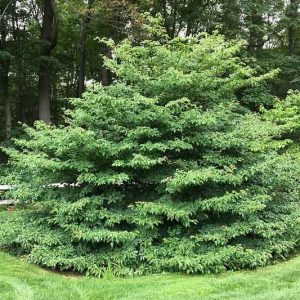
Start by sketching your shady spaces: under tall trees, along the north side of your house, beside driveways, and near woodland edges. Group bottlebrush buckeye, rhododendron, and mountain laurel where you need height. Use oakleaf hydrangea, summersweet, sweetspire, and spicebush at mid level. Finish with huckleberry, wintergreen, coralberry, and mapleleaf viburnum along paths and borders.
Within a few seasons your dark corners will shift from bare soil and struggling lawn to layered South Carolina woodland plantings that stay cool, green, and full of birdsong all year long.
Excellent shade natives include bottlebrush buckeye, oakleaf hydrangea, Virginia sweetspire, summersweet, spicebush, mapleleaf viburnum, arrowwood viburnum, doghobble, mountain laurel, great laurel, fetterbush, Florida hobblebush, coralberry, dwarf palmetto, wintergreen, and black huckleberry. These species occur naturally in South Carolina woodlands and thrive in USDA zones 7–9.
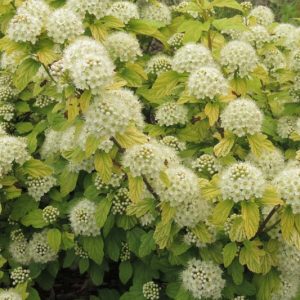
For dry, rooty shade, choose coralberry (Symphoricarpos orbiculatus), mapleleaf viburnum (Viburnum acerifolium), black huckleberry (Gaylussacia baccata), dwarf palmetto (Sabal minor), bottlebrush buckeye (Aesculus parviflora), common ninebark (Physocarpus opulifolius), and pagoda dogwood (Cornus alternifolia). Once established, these species handle competition from tree roots and limited summer moisture.
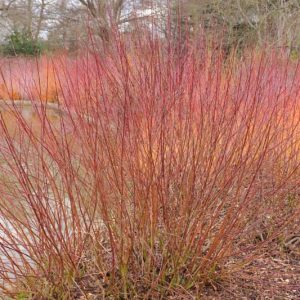
Virginia sweetspire (Itea virginica), summersweet (Clethra alnifolia), cinnamon clethra (Clethra acuminata in cooler Upstate sites), doghobble (Leucothoe fontanesiana), silky dogwood (Cornus amomum), gray dogwood (Cornus racemosa), spicebush (Lindera benzoin), fetterbush (Lyonia lucida), and great laurel or Catawba rhododendron all thrive in moist, acidic woodland soils, swales, and shaded creek banks.
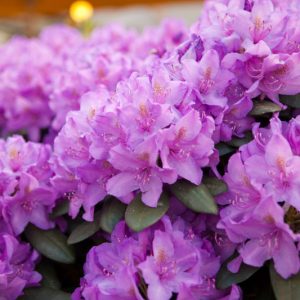
Evergreen options include Florida hobblebush (Agarista populifolia), fetterbush (Lyonia lucida), doghobble (Leucothoe fontanesiana), mountain laurel (Kalmia latifolia), great laurel and Catawba rhododendron (Rhododendron maximum and R. catawbiense), dwarf palmetto (Sabal minor), and wintergreen (Gaultheria procumbens). These keep structure and cover in shady South Carolina gardens year-round.
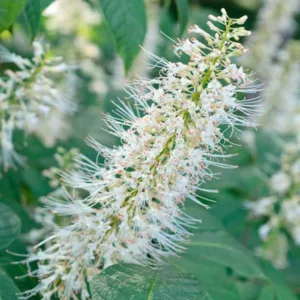
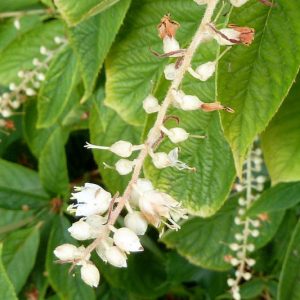
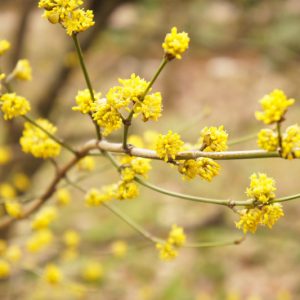
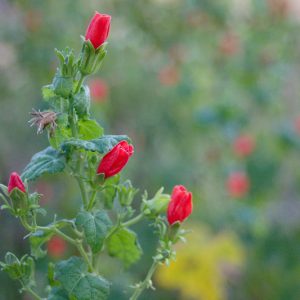
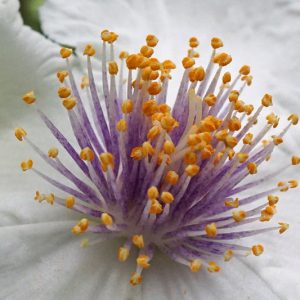
Oakleaf hydrangea offers large white panicles and strong fall color. Bottlebrush buckeye has dramatic summer “bottlebrush” blooms. Virginia sweetspire and summersweet provide fragrant white spikes. Spicebush has early yellow flowers with aromatic foliage. Stewartia malacodendron and Stewartia ovata (American and mountain camellias) bear camellia-like blossoms in bright shade. Turks cap (Malvaviscus arboreus var. drummondii) flowers for months in high shade.
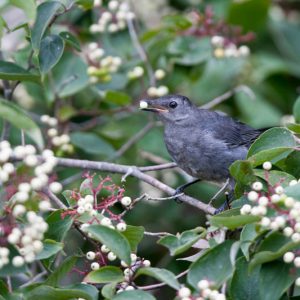
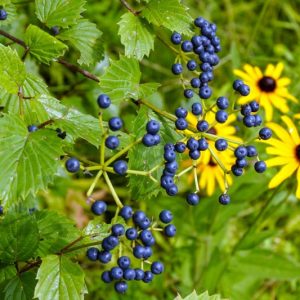
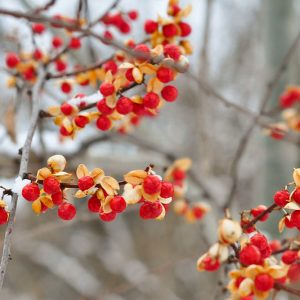
Spicebush supports spicebush swallowtail caterpillars and produces berries for birds. Viburnums (mapleleaf and arrowwood) provide nectar, cover, and high-value fruit. Dogwoods (pagoda, silky, gray) feed many bird species. Coralberry, wintergreen, black huckleberry, and dwarf palmetto supply berries and shelter. Broadleaf evergreens such as mountain laurel, rhododendron, and Florida hobblebush create nesting cover in shady thickets.
Many species, such as oakleaf hydrangea, Virginia sweetspire, and summersweet, bloom best in part shade—morning sun and afternoon shade or dappled woodland light. Deep, continuous shade suits coralberry, mapleleaf viburnum, wintergreen, huckleberry, doghobble, and some rhododendrons, though flowering may be lighter. Sites with reflected heat or midday sun may require extra watering and mulch.
Native shrubs such as oakleaf hydrangea, arrowwood viburnum, mapleleaf viburnum, sweetspire, summersweet, ninebark, coralberry, and dwarf palmetto make excellent foundation and understory choices. They provide multi-season interest—flowers, foliage, berries, bark, and fall color—while supporting wildlife and typically needing less water, fertilizer, and chemical treatment than many traditional ornamental shrubs.
Updated: November 2025 • Reviewed by Gardenia Editors
SariMe, Shutterstock
| Plant Type | Shrubs |
|---|---|
| Exposure | Partial Sun, Shade |
| Native Plants | United States, Southeast, South Carolina |
| Toxic to Humans | No known toxicity |
| Toxic to Cats | No known toxicity |
| Toxic to Dogs | No known toxicity |
| Toxic to Horses | No known toxicity |
Create a membership account to save your garden designs and to view them on any device.
Becoming a contributing member of Gardenia is easy and can be done in just a few minutes. If you provide us with your name, email address and the payment of a modest $25 annual membership fee, you will become a full member, enabling you to design and save up to 25 of your garden design ideas.
Join now and start creating your dream garden!
Create a membership account to save your garden designs and to view them on any device.
Becoming a contributing member of Gardenia is easy and can be done in just a few minutes. If you provide us with your name, email address and the payment of a modest $25 annual membership fee, you will become a full member, enabling you to design and save up to 25 of your garden design ideas.
Join now and start creating your dream garden!