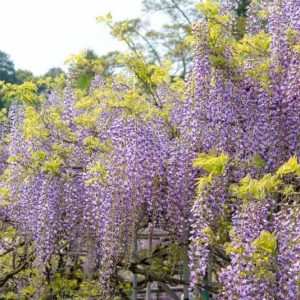
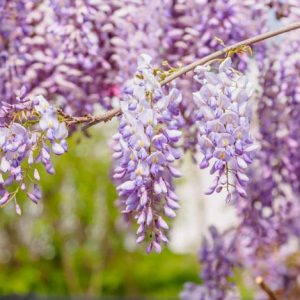
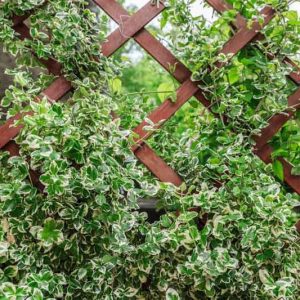
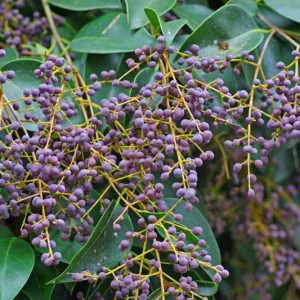
Invasive plants may look innocent in the garden, but in South Carolina they spread fast, choke out native species, and reshape forests, wetlands, and roadsides. Species like privet, wisteria, English ivy, cogon grass, and Nandina escape cultivation, outcompete natives, and reduce wildlife habitat—making early removal and smarter plant choices essential.
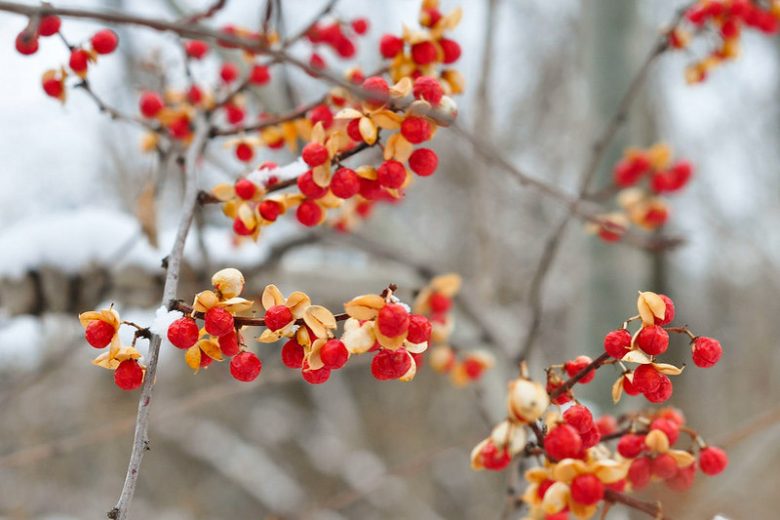


Walk through a South Carolina woodland or old home site and you will see it: vines swallowing trees, shrubs filling every gap, glossy groundcovers creeping right out of flowerbeds. Many of our prettiest landscape plants have jumped the fence and become invasive plant species in South Carolina. They spread into forests, wetlands, and roadsides, outcompeting native plants that wildlife depends on.
This guide gives you a friendly, straight-talking tour of some of the worst offenders and what to plant instead. If you recognize any of these in your yard, you are not alone – and you absolutely can start turning the tide.
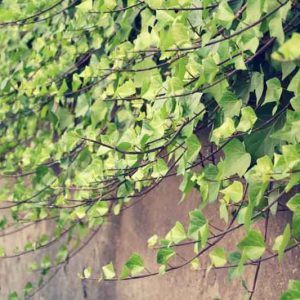
Vines feel “Southern,” so many invasive species were planted to soften porches and fences. Unfortunately, several now blanket trees and woodland edges across the state.
| Native Plants | Southeast, South Carolina |
|---|---|
| Toxic to Humans | No known toxicity |
| Toxic to Cats | No known toxicity |
| Toxic to Dogs | No known toxicity |
| Toxic to Horses | No known toxicity |
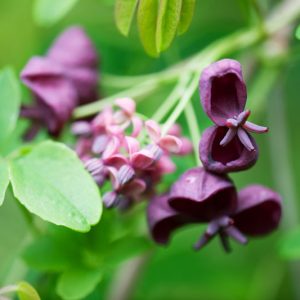
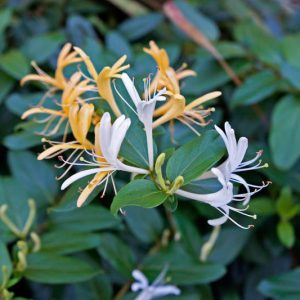
What to do: Cut and carefully peel vines from tree trunks, then dig or repeatedly cut sprouts. For large infestations, many landowners combine cutting with targeted herbicide on fresh stumps. Replant with native climbers such as crossvine, Carolina jessamine, trumpet honeysuckle, and American wisteria (a better behaved native cousin).
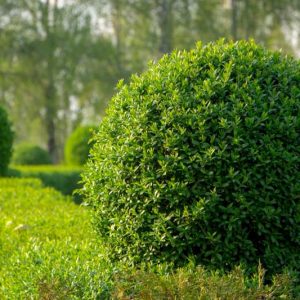
Fast growing hedges and “bulletproof” shrubs are often exactly the ones that invade natural areas. Birds perch in them, eat the fruit, and plant new thickets everywhere they go.
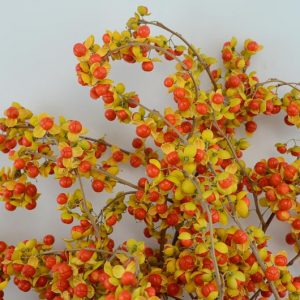
What to do: Where possible, remove seed producing shrubs and trees, especially near natural areas. Cut large plants and treat stumps, then dig or mow sprouts. Replace with native alternatives like inkberry holly, Virginia sweetspire, oakleaf hydrangea, serviceberry, eastern redbud, and yaupon holly.
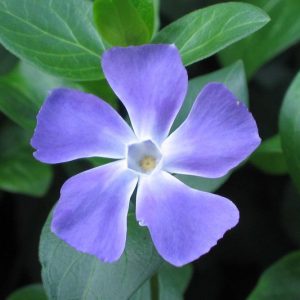
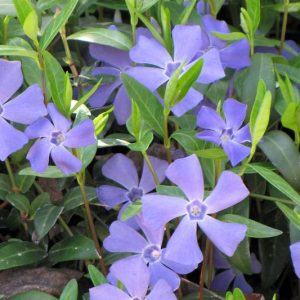
“Low maintenance” groundcovers are often marketed as cure all plants for shady corners. Some, however, refuse to stay put.
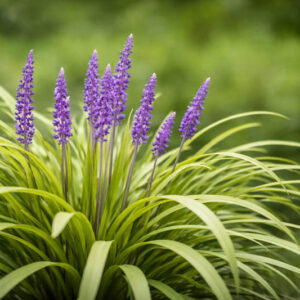
What to do: Dig or slice out expanding mats, being sure to remove stolons and pieces of stem. Never dump yard waste with these species into woods or vacant lots. For durable, wildlife friendly groundcovers, try Green and Gold, foamflower, Pennsylvania sedge, or river oats.
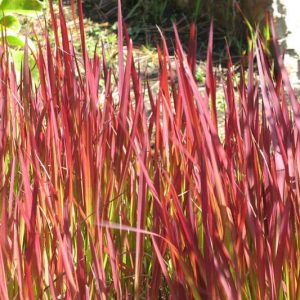
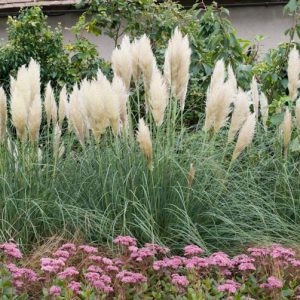
Some invasive plants are grasses or rush like perennials that transform entire wetlands and fields.
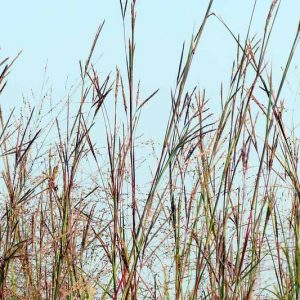
What to do: Avoid planting any ornamental that is known to escape into wetlands or shorelines. For existing stands, removal usually requires a combination of digging, repeated mowing or cutting, and, on large infestations, professional herbicide treatment. Replant with native grasses and wetland plants such as switchgrass, muhly grass, soft rush, and native sedges.
It is tempting to think, “It is just one vine in my backyard; how much harm can it do?” In reality, each landscape planting can become a seed source for miles of forest and wetland when birds, wind, and water spread seeds downstream and downwind.
You do not have to clear your entire property in a weekend. Start small and make steady progress.
A plant is considered invasive when it is non-native, able to establish and spread on its own in natural or semi-natural habitats, and causes ecological, economic, or environmental harm. In South Carolina, invasive plants typically outcompete native vegetation, reduce wildlife habitat quality, alter soil or water conditions, and create dense monocultures that displace diverse plant communities.
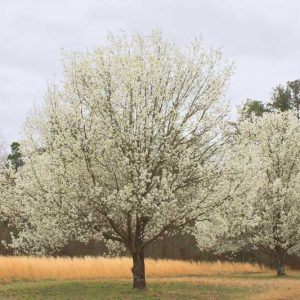
No. Most non-native plants used in landscaping do not spread beyond cultivation and pose no ecological threat. A plant becomes invasive only when it escapes gardens or agricultural sites, reproduces without human help, spreads into forests, wetlands, or roadsides, and disrupts the natural ecosystem. Species such as Japanese honeysuckle, English ivy, privet, wisteria, and Bradford pear are documented examples in South Carolina.
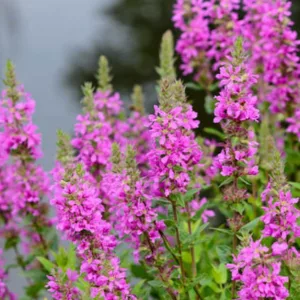
Invasive plants often grow faster or reproduce more aggressively than native species. They can block sunlight, alter soil chemistry, reduce water availability, or change fire behavior. As they replace native plants, they reduce food and shelter for insects, birds, and other wildlife. In floodplains and wetlands, species like privet and purple loosestrife form dense thickets that exclude native wildflowers and young trees, reducing biodiversity and ecosystem resilience.
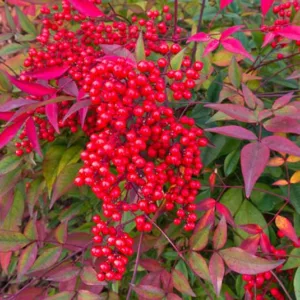
Many invasive species spread through berries eaten by birds, seeds carried by wind or water, discarded yard waste, or vegetative runners and rhizomes. Popular landscaping plants such as Nandina domestica, Ligustrum species, Lonicera japonica, and wisteria produce fruits or shoots that move far beyond the original planting. Road construction, soil movement, and stormwater also help invasive plants travel across the state.
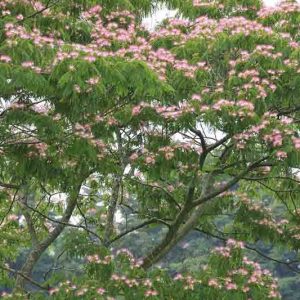
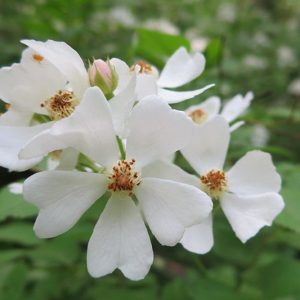
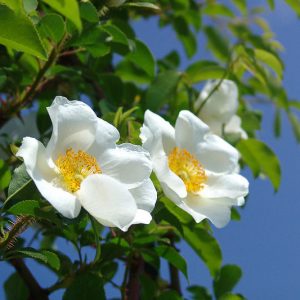
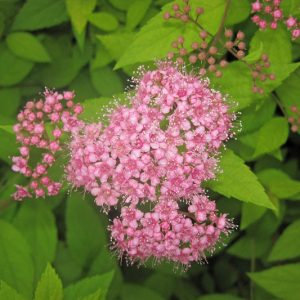
Some of the most consistently documented invasive plants include Japanese honeysuckle (Lonicera japonica), English ivy (Hedera helix), Chinese and Japanese wisteria (Wisteria sinensis, Wisteria floribunda), Japanese privet (Ligustrum japonicum), common privet (Ligustrum vulgare), Bradford/Callery pear (Pyrus calleryana), Nandina domestica, multiflora rose (Rosa multiflora), Japanese spirea (Spiraea japonica), cogon grass (Imperata cylindrica), kudzu (in certain regions), and purple loosestrife (Lythrum salicaria). Regional severity varies by habitat and county.
Removal methods depend on the species and the size of the infestation. Common approaches include hand pulling seedlings, cutting or mowing repeatedly to exhaust root reserves, digging out root systems, applying targeted herbicide to cut stems or foliage, and following up regularly to prevent regrowth. Large or persistent infestations often require a combination of manual, mechanical, and chemical methods and multiple years of monitoring.
No. Prioritizing is more effective. Start with species that produce berries or seeds that spread easily—such as privet, Nandina, multiflora rose, and wisteria—or plants climbing into tree canopies like English ivy and Japanese honeysuckle. Removing fruiting invasives first prevents further spread while you systematically work through tougher root-based species.
Numerous South Carolina native species offer similar beauty without ecological harm. For hedges and screens, consider yaupon holly, inkberry, wax myrtle, Virginia sweetspire, or American holly. For vines, use trumpet honeysuckle, Carolina jessamine, crossvine, or American wisteria. For groundcovers, try Chrysogonum virginianum (Green and Gold), Tiarella cordifolia (foamflower), native ferns, or shade tolerant sedges. Native shrubs and vines provide superior wildlife value and stay contained.
Never dump invasive plant material in woods, vacant lots, or near waterways. Bag and dispose of fruiting branches, berries, and seeds in the trash. Woody stems can be chipped and composted onsite if they are free of fruit. Rhizomes, roots, and pieces of vine from species that reroot easily (such as wisteria, English ivy, and wintercreeper) should be dried completely or disposed of securely.
After clearing invasive species, replant the area with natives or well-behaved ornamentals to create competition and stabilize the soil. Maintain a layer of mulch, monitor for new seedlings, and remove young invaders before they mature. Regular monitoring for two to three years is essential, because many invasive plants resprout repeatedly or have long-lasting seed banks.
Invasive plant species in South Carolina did not arrive overnight, and they will not disappear overnight either. But every time a gardener chooses a native oak instead of sawtooth oak, a Carolina jessamine instead of Chinese wisteria, or Green and Gold instead of English ivy, the landscape shifts a little closer to healthy, resilient, and uniquely Southern. Start with your own yard, and let your choices ripple outward into the forests, wetlands, and neighborhoods you love.
Updated: November 2025 • Reviewed by Gardenia Editors
Esteve Conaway, Flickr
| Native Plants | Southeast, South Carolina |
|---|---|
| Toxic to Humans | No known toxicity |
| Toxic to Cats | No known toxicity |
| Toxic to Dogs | No known toxicity |
| Toxic to Horses | No known toxicity |
Create a membership account to save your garden designs and to view them on any device.
Becoming a contributing member of Gardenia is easy and can be done in just a few minutes. If you provide us with your name, email address and the payment of a modest $25 annual membership fee, you will become a full member, enabling you to design and save up to 25 of your garden design ideas.
Join now and start creating your dream garden!
Create a membership account to save your garden designs and to view them on any device.
Becoming a contributing member of Gardenia is easy and can be done in just a few minutes. If you provide us with your name, email address and the payment of a modest $25 annual membership fee, you will become a full member, enabling you to design and save up to 25 of your garden design ideas.
Join now and start creating your dream garden!