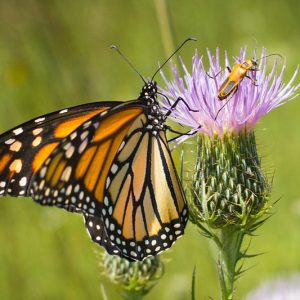
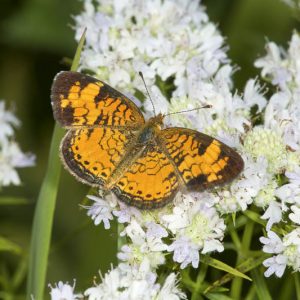
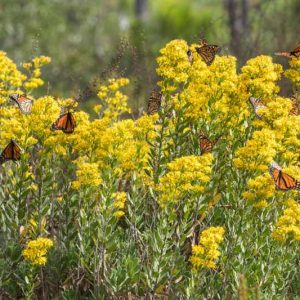
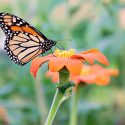
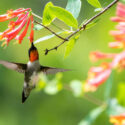
Monarch butterflies are in trouble. To help, plant milkweed and nectar plants that are native to your area and help reverse the fortune of these beautiful insects!


Georgia sits right along the Southeast monarch flyway, where coastal plains, fall line sandhills, piedmont ridges, and Appalachian foothills stitch together a long, nectar rich runway for butterflies on the move. If you want to boost monarch traffic in your yard, the formula is friendly and fun: pair native milkweeds for caterpillars with a steady parade of nectar flowers from spring through frost.
Below you will find every monarch friendly nectar plant featured in the Xerces Society’s Southeast guide, translated into a practical, Georgia centered plan. Coastal specialists and wet feet lovers are flagged so you can match plants to your site with confidence. All species from the guide are included here.
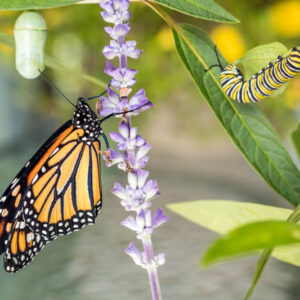
Milkweed is the nursery for monarch caterpillars. In Georgia conditions, these three are standouts that also offer nectar to adults:
Monarchs move through Georgia from spring to hard frost. Think in waves. Give them early fuel, summer abundance, and fall power foods for migration. Use this Georgia friendly menu to keep nectar flowing without gaps.
Spring kick off – Wake up the garden with nectar that opens early and bridges to summer:
Summer fuel – Layer heights and textures so monarchs have options in the heat:
Fall top ups – Prime the migration with high octane nectar:
Wet feet winners – If you have low spots, ditches, or rain garden basins, lean into moisture lovers. They are monarch fuel stations right when migration peaks:
| Genus | Asclepias |
|---|---|
| Native Plants | Georgia, Southeast, United States |
| Attracts | Birds, Butterflies, Hummingbirds |
Use these mix and match recipes to keep nectar flowing across the growing season in Georgia. Tweak for your county and site, but the patterns below work statewide.
Spring starter set
Summer surge
Fall migration buffet
Moist or seasonally soggy spots – lean into swamp milkweed, Joe Pye weed, buttonbush, smooth beggartick, blue mistflower, and narrowleaf sunflower. These deliver nectar right when monarchs are thickest in late summer and fall.
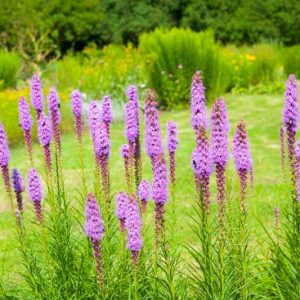
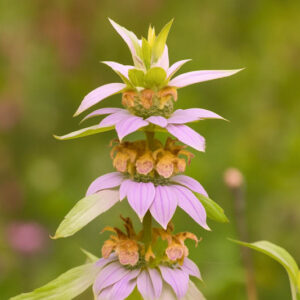
Sunny, well drained beds – choose butterfly milkweed, slender mountainmint, dense blazing star, purple coneflower, showy goldenrod, spotted beebalm, and wingstem for a drought wise, pollinator heavy border.
Edges and meadows – mix field thistle (biennial, let it reseed), giant ironweed, frostweed, and calico aster to create layered bloom and great wildlife structure.
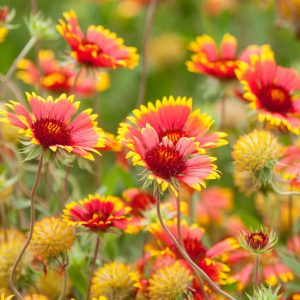
Coastal specialists – if you garden on barrier island sands or have extra sandy beds, try beach blanketflower, seaside goldenrod, eastern baccharis, and clustered bushmint. Give them full sun and lean, well drained soil.
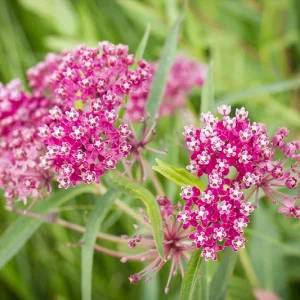
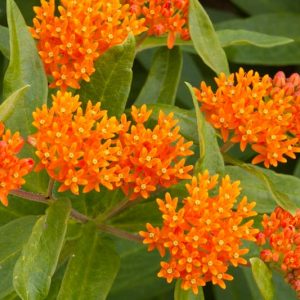
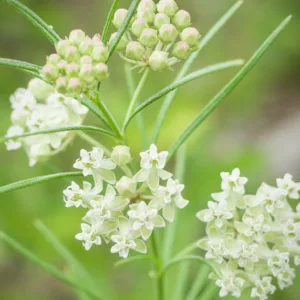
Butterfly milkweed Asclepias tuberosa for dry to average soil and full sun. Swamp milkweed A. incarnata for rain gardens and pond edges. Whorled milkweed A. verticillata for lean soils and sunny meadows with a fine texture that tucks between other perennials.
Both. Caterpillars eat only milkweed leaves. Adult monarchs sip nectar from milkweed flowers and from many other natives in your garden.
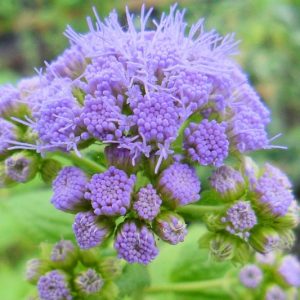
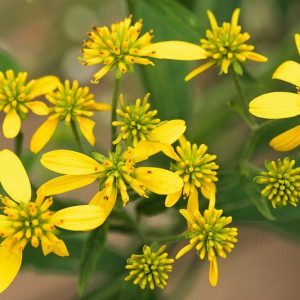
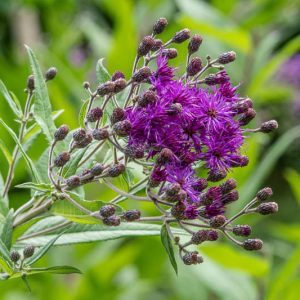
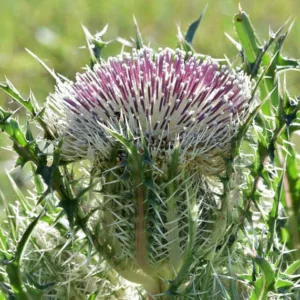
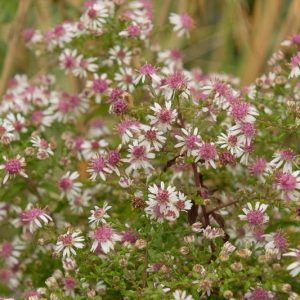
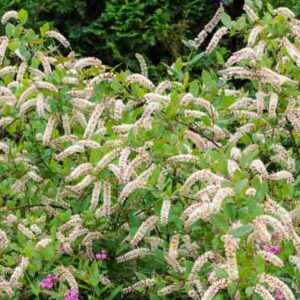
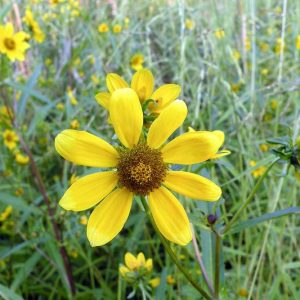
Spring to early summer try frostweed Verbesina virginica, Virginia sweetspire Itea virginica, and clustered bushmint Hyptis alata in the coastal plain. Mid to late season lean on dense blazing star Liatris spicata, blue mistflower Conoclinium coelestinum, slender mountainmint Pycnanthemum tenuifolium, purple coneflower Echinacea purpurea, Joe Pye weed Eutrochium fistulosum, giant ironweed Vernonia gigantea, wingstem Verbesina alternifolia, and thistles Cirsium discolor and C. horridulum. Fall power plants include narrowleaf sunflower Helianthus angustifolius, showy goldenrod Solidago speciosa, seaside goldenrod S. sempervirens on the coast, calico aster Symphyotrichum lateriflorum, smooth beggartick Bidens laevis in wet spots, eastern baccharis Baccharis halimifolia, and yes frostweed again.
2 clumps butterfly milkweed, 3 clumps dense blazing star, 1 clump purple coneflower, a front ribbon of blue mistflower, and 1 clump slender mountainmint for bee diversity.
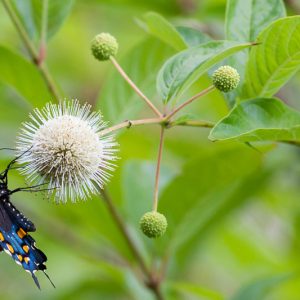
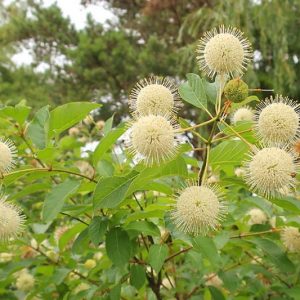
Swamp milkweed, buttonbush Cephalanthus occidentalis, Joe Pye weed, blue mistflower, smooth beggartick, and narrowleaf sunflower.
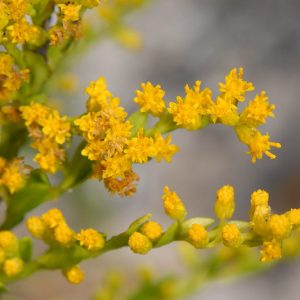
Goldenrods showy and seaside, asters like calico aster, blue mistflower, flat topped clusters on goldentop Euthamia where available, wingstem, frostweed, smooth beggartick in wet spots, and swamp sunflower.
Primary source: Xerces Society. Monarch Nectar Plants – Southeast.
Updated: November 2025 • Reviewed by Gardenia Editors
Shenandoah National Park, Flickr
| Genus | Asclepias |
|---|---|
| Native Plants | Georgia, Southeast, United States |
| Attracts | Birds, Butterflies, Hummingbirds |
Create a membership account to save your garden designs and to view them on any device.
Becoming a contributing member of Gardenia is easy and can be done in just a few minutes. If you provide us with your name, email address and the payment of a modest $25 annual membership fee, you will become a full member, enabling you to design and save up to 25 of your garden design ideas.
Join now and start creating your dream garden!