Create Your Garden

Monarch Nectar Plants for Alabama

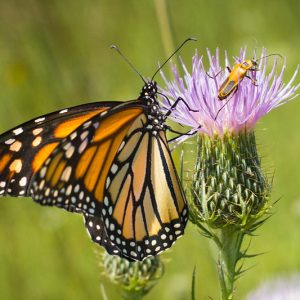
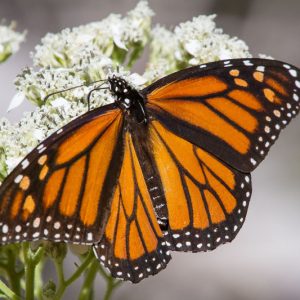
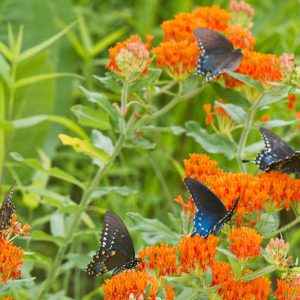
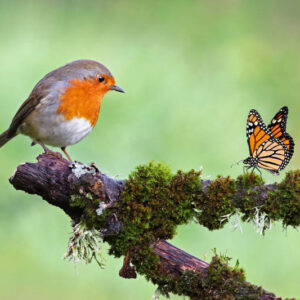
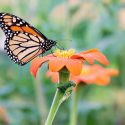
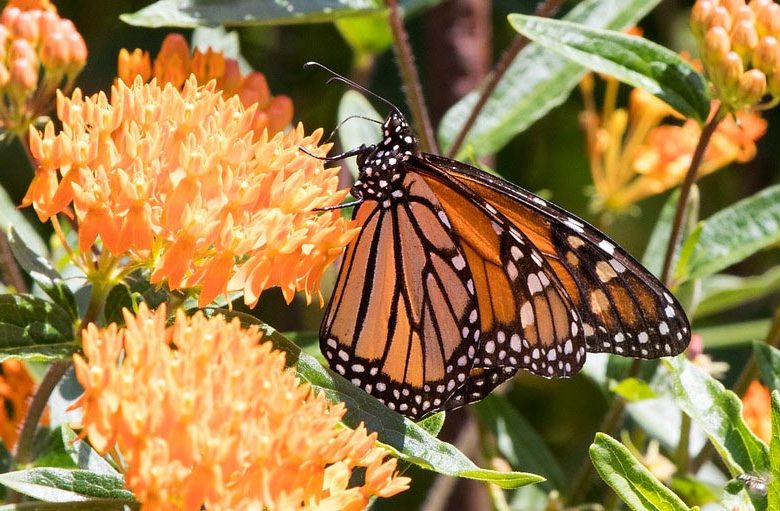
Monarch butterflies are in trouble. To help, plant milkweed and nectar plants that are native to your area and help reverse the fortune of these beautiful insects!
Monarch Butterflies, Monarch Plants, Pollinator Plants, Butterfly Plants, Hummingbird Plants, Bee Plants, Southeast Plants, Alabama Native Plants, Native Plants

Monarch Nectar Plants for Alabama: Gulf to Foothills Flight Path

Alabama is monarch country in a big way. From the Gulf Coast dunes and longleaf pine savannas to Black Belt prairies and Appalachian ridges, your state sits right in the Southeast flyway where monarchs breed, refuel, and stage for fall migration. If you want more orange wings drifting through your yard, pasture, or roadside, the recipe is simple: pair native milkweeds for caterpillars with a nonstop lineup of nectar plants chosen specifically for the Southeast.

Every nectar plant from the Xerces Society Southeast guide is included below and translated into practical, Alabama focused guidance, with coastal specialists flagged so you can match plants to your soils and zip code.

Alabama Monarch Garden at a Glance

  • Right state, right list – every plant below comes from the Xerces Southeast monarch nectar guide and is suitable somewhere in Alabama.
  • Think migration – monarchs pass through from spring into late fall, so you want overlapping bloom, not a one month wonder.
  • Lean native milkweeds – use Asclepias tuberosa, A. incarnata, and A. verticillata as your caterpillar base camp.
  • Plant in patches – groups of 3 to 9 of one species make bright nectar stations that monarchs and other pollinators can spot from the air.
  • Pesticide free is non negotiable – especially avoid systemic insecticides that contaminate nectar and foliage.

Milkweed First for Alabama Monarchs

Milkweed is home base for monarch caterpillars. In Alabama conditions, these are your go to hosts that also act as nectar hubs:

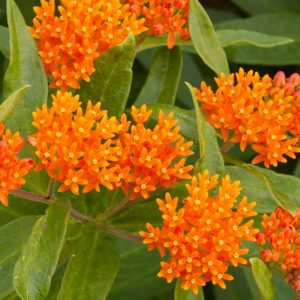
  • Butterfly milkweed (Asclepias tuberosa) – thrives in full sun and dry to medium soils across much of Alabama. Perfect for sandy uplands, roadsides, and hot slopes. Bright orange blooms double as a nectar beacon.
  • Swamp milkweed (Asclepias incarnata) – ideal for ditches, pond edges, rain gardens, and the edges of catfish ponds where soils stay moist.
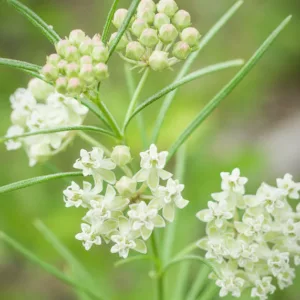
  • Whorled milkweed (Asclepias verticillata) – slender, tough, and tolerant of lean, sunny sites. Great tucked into meadows, utility easements, or dry borders.
A quick caution about tropical milkweed (Asclepias curassavica) – this non native can linger year round in mild Alabama winters and is linked to higher parasite loads and disrupted migration. Choose natives for healthier monarchs.

Nectar All Season: Alabama Bloom Waves

The goal is simple: no hungry monarchs. Use this Alabama friendly menu to keep nectar flowing from early spring through the big fall migration push. Every Xerces listed species appears here so you can mix confidently.

Spring kick off – Wake up your garden and roadsides with early nectar:

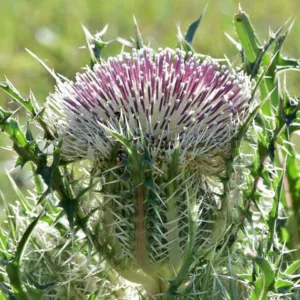
  • Bristle or yellow thistle (Cirsium horridulum) – a spiny native biennial with rich nectar for early monarchs and bumble bees. Best in coastal plain and open sandy spots.
  • Frostweed (Verbesina virginica) – tall, white flowered and tough. Early to mid season nectar and those famous frost curls in winter.
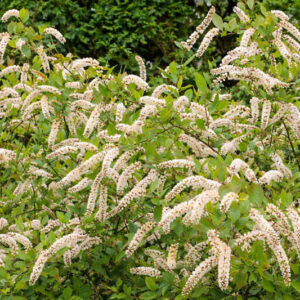
  • Virginia sweetspire (Itea virginica) – a graceful shrub for moist soils, streambanks, and rain gardens. Showy white racemes feed spring pollinators and foliage glows red in fall.
  • Butterfly milkweed (Asclepias tuberosa) – starts the season with nectar and host leaves in one vivid package.

Spring to fall workhorses – These keep color and nectar going across months:

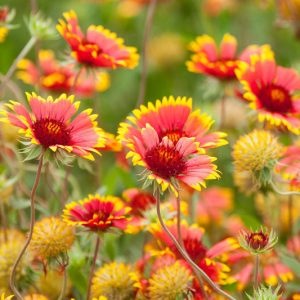
  • Beach blanketflower (Gaillardia pulchella) – a long blooming nectar bar for sandy, droughty, or coastal sites in south Alabama.
  • Whorled milkweed (Asclepias verticillata) – carries nectar and host value well into summer in sunny, dry locations.

Summer fuel – Layer heights and colors so monarchs and friends can graze all day:

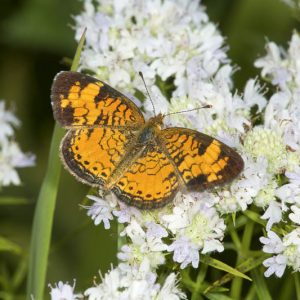
  • Slender mountainmint (Pycnanthemum tenuifolium) – maybe the busiest plant in the garden. Cool white flowers, endless pollinators, thrives in full sun, dry to medium soil.
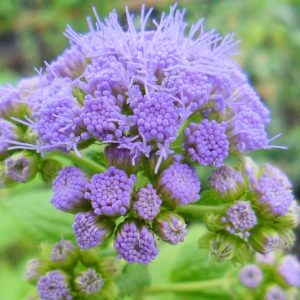
  • Blue mistflower (Conoclinium coelestinum) – fluffy lavender blue blooms from late summer, great for low spots, fences, and rain garden edges. Spreads, so let it have a patch.
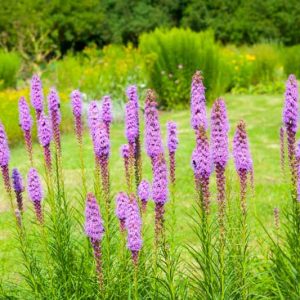
  • Dense blazing star (Liatris spicata) – upright purple spikes that monarchs and swallowtails cannot resist. Strong vertical accent for Alabama prairies and borders.
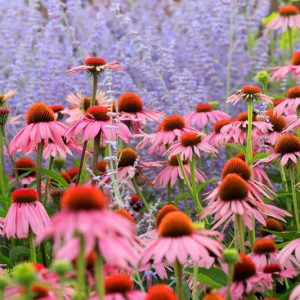
  • Purple coneflower (Echinacea purpurea) – dependable nectar plus seed for goldfinches. Happy in most sunny garden soils.
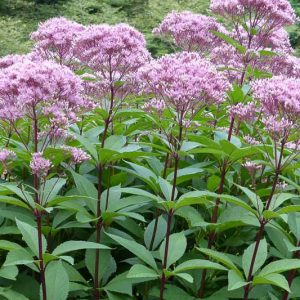
  • Joe Pye weed (Eutrochium fistulosum) – tall, moisture loving, and covered in butterflies in late summer. Perfect for see it from the porch back corners.
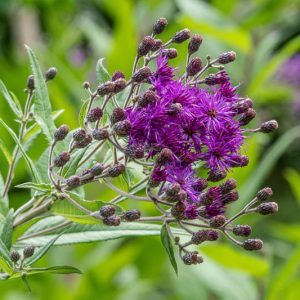
  • Giant ironweed (Vernonia gigantea) – rich purple towers monarchs spot from afar. Excellent in meadows and along fences.
  • Field thistle (Cirsium discolor) – a native biennial thistle, wildly attractive to monarchs and bees. Let a few seedlings stay each year.
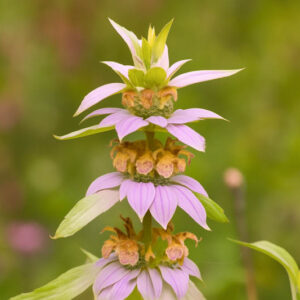
  • Spotted beebalm (Monarda punctata) – thrives in hot, sandy, or disturbed sites. Layered whorls of color, adored by beneficial wasps and butterflies.
  • Swamp milkweed (Asclepias incarnata) – moisture loving milkweed that joins the summer nectar chorus.
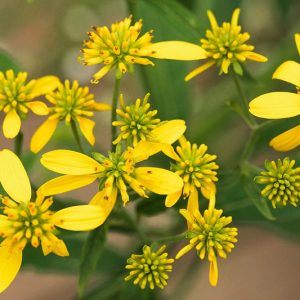
  • Wingstem (Verbesina alternifolia) – tall, branching yellow daisies filling late summer hedgerows and damp edges with insect life.

Fall top ups for migration – This is where Alabama can really shine for southbound monarchs:

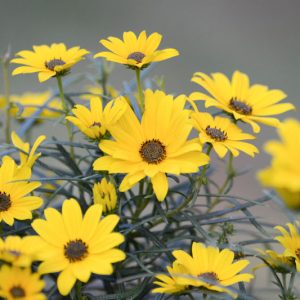
  • Narrowleaf sunflower (Helianthus angustifolius) – a star of Gulf Coast and moist sites. Bursts into gold right when monarchs need fuel most.
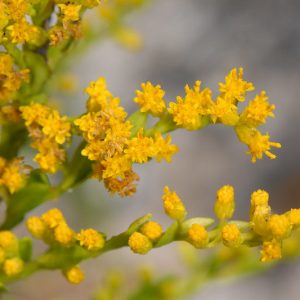
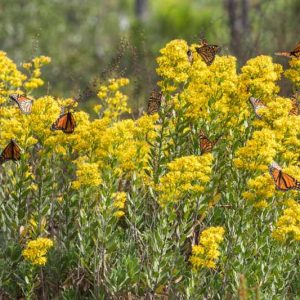
  • Showy goldenrod (Solidago speciosa) – upright, tidy, perfect with ironweed or asters. Key fall nectar in upland gardens and rights of way.
  • Seaside goldenrod (Solidago sempervirens) – essential along the Gulf Coast, dunes, and salty roadsides. A major monarch pit stop plant.
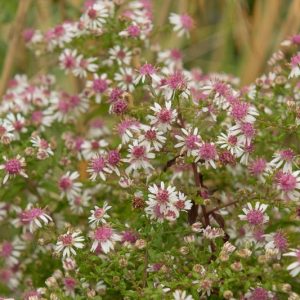
  • Calico aster (Symphyotrichum lateriflorum) – clouds of tiny flowers in late season, great for woodland edges and half shade.
  • Frostweed (Verbesina virginica) – returns as an important late nectar source before cold snaps.
  • Smooth beggartick (Bidens laevis) – wetland annual that flowers until frost. Perfect for edges of ponds, ditches, and marshy spots.
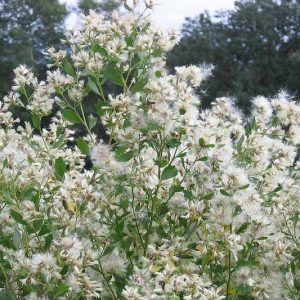
  • Eastern baccharis (Baccharis halimifolia) – a salt tolerant shrub, fantastic for coastal and roadside plantings, loaded with late nectar.

Woody anchors – Shrubs and small trees that frame your planting and feed butterflies:

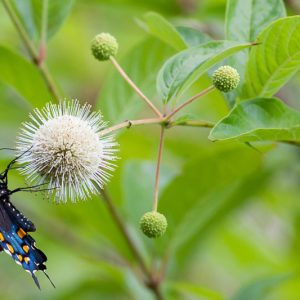
  • Common buttonbush (Cephalanthus occidentalis) – thrives in wet soils and pond margins. Spherical blooms are monarch magnets.
  • Eastern baccharis (Baccharis halimifolia) – also pulling duty here as structure plus late season nectar in sandy, open, or coastal sites.

Guide Information

Genus Asclepias
Native Plants Alabama, Southeast, United States
Attracts Birds, Butterflies, Hummingbirds

Best Monarch Nectar Plants for Alabama

Asclepias incarnata (Swamp Milkweed)
Asclepias tuberosa (Butterfly Milkweed)
Asclepias verticillata (Whorled Milkweed)
Baccharis halimifolia (Eastern Baccharis)
Cephalanthus occidentalis (Buttonbush)
Cirsium discolor (Field Thistle)
Conoclinium coelestinum (Blue Mistflower)
Eutrochium fistulosum (Joe-Pye Weed)
Gaillardia pulchella (Firewheel)
Helianthus angustifolius (Swamp Sunflower)
Liatris spicata (Blazing Star)
Monarda punctata (Spotted Bee Balm)
Pycnanthemum tenuifolium (Narrowleaf Mountain Mint)
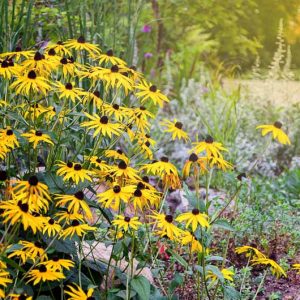
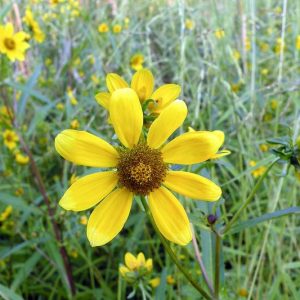
Rudbeckia hirta (Black-Eyed Susan)
Solidago sempervirens (Seaside Goldenrod)
Solidago speciosa (Showy Goldenrod)
Verbesina alternifolia (Wingstem)
Vernonia gigantea (Giant Ironweed)
Cirsium horridulum (Bull Thistle)
Symphyotrichum lateriflorum var. horizontale (Horizontal Calico Aster)
Itea virginica (Virginia Sweetspire)
Echinacea purpurea (Purple Coneflower)
Bidens laevis (Smooth Beggartick)
Verbesina virginica (Frostweed)

Planting by Place in Alabama

Coastal plain and Gulf fringe – Hot, sandy, sometimes salty:

Black Belt prairies and sunny pastures:

Moist ditches, creeks, catfish ponds, and low spots:

Edges, hedgerows, and light shade:

Design Tips that Help Monarchs (and Please Neighbors)

  • Group by species – clumps of 3 to 7 of the same flower give monarchs efficient fueling stations.
  • Stagger heights – tall species like giant ironweed, Joe Pye weed, wingstem, and narrowleaf sunflower in back, mid height coneflower, blazing star, and showy goldenrod in the middle, low growers like mountainmint, blue mistflower, and beach blanketflower up front.
  • Match plant to moisture – keep moisture lovers in swales and pond edges; park drought tolerant species on banks, berms, and sandy soils.
  • Leave some wild – skip full scale fall cleanup. Standing stems, seed heads, and leaf litter shelter next years pollinators.
  • Source clean plants – ask nurseries whether plants are free of systemic insecticides like neonicotinoids.

Small Space Alabama Recipes

  • Sunny front bed – 3 butterfly milkweed, 5 dense blazing star, a drift of purple coneflower, and an edge of slender mountainmint.
  • Rain garden corner – 1 buttonbush, 3 swamp milkweed, 3 Joe Pye weed, plus a bright patch of smooth beggartick for late nectar.
  • Coastal balcony tub – mix beach blanketflower, spotted beebalm, and a compact clump of seaside goldenrod for a pocket sized monarch bar.

Quick Plant Picker for Alabama

  • Full sun, dry to mediumbutterfly milkweed, whorled milkweed, slender mountainmint, dense blazing star, purple coneflower, showy goldenrod, spotted beebalm, giant ironweed, field thistle.
  • Sun to part sun, moistswamp milkweed, Joe Pye weed, buttonbush, smooth beggartick, narrowleaf sunflower, Virginia sweetspire, wingstem, blue mistflower.
  • Edges and light shadefrostweed, calico aster, wingstem, scattered native thistles where appropriate.
  • Coastal or very sandy sitesseaside goldenrod, eastern baccharis, beach blanketflower, clustered bushmint, spotted beebalm, bristle thistle.

Frequently Asked Questions

What are the top native plants for monarchs in Alabama?

Butterfly milkweed, swamp milkweed, whorled milkweed, dense blazing star, purple coneflower, slender mountainmint, blue mistflower, showy goldenrod, narrowleaf sunflower, Joe Pye weed, giant ironweed, wingstem, calico aster, smooth beggartick, buttonbush, eastern baccharis, seaside goldenrod, beach blanketflower, spotted beebalm, clustered bushmint, native thistles, frostweed.

Which native milkweeds should I plant?

Use three: butterfly milkweed for dry/average soils, swamp milkweed for moist spots, whorled milkweed for lean sunny areas. Plant in clusters so monarchs easily find them.

What is the simplest starter mix?

Butterfly milkweed, swamp milkweed, dense blazing star, purple coneflower, slender mountainmint, blue mistflower, showy goldenrod, and buttonbush. Easy, showy, and high value.

How do I support fall migration?

Prioritize narrowleaf sunflower, showy goldenrod, seaside goldenrod (coastal), smooth beggartick, eastern baccharis, wingstem, calico aster, frostweed, blue mistflower, and buttonbush.

Are native thistles safe to use?

Yes, when correctly identified. Field thistle and bristle thistle are excellent natives. Avoid invasive, non native thistles and manage spiny plants away from livestock and walkways.

Primary source: Xerces Society. Monarch Nectar Plants – Southeast.

Updated: November 2025 • Reviewed for Alabama conditions using the Xerces Southeast plant list

Discover more beautiful Alabama native plants

Alabama native plants

Plant Finder

Recommended Guides

Great Pollinator Plants for Alabama
Alabama Sun-Loving Native Annuals and Perennials
Alabama Native Shrubs
Alabama Native Evergreen Trees
Alabama Native Deciduous Trees
Alabama Native Grasses
Alabama Native Vines
Alabama Native Ferns
Invasive Plant Species in Alabama
Alabama Shade-Loving Native Annuals and Perennials
The Ultimate Guide to Native Plants for a Beautiful Garden
The Ultimate Guide to Wildlife-Friendly Plants for a Beautiful Garden
Compare All Asclepias (Milkweed)
Compare Now
Explore Great Plant Combination Ideas
Asclepias (Milkweed)
Explore Great Plant Combination Ideas
Middle South Lower South
While every effort has been made to describe these plants accurately, please keep in mind that height, bloom time, and color may differ in various climates. The description of these plants has been written based on numerous outside resources.

Guide Information

Genus Asclepias
Native Plants Alabama, Southeast, United States
Attracts Birds, Butterflies, Hummingbirds
Compare All Asclepias (Milkweed)
Compare Now
Explore Great Plant Combination Ideas
Asclepias (Milkweed)
Explore Great Plant Combination Ideas
Middle South Lower South

Related Items

Please Login to Proceed

You Have Reached The Free Limit, Please Subscribe to Proceed

Subscribe to Gardenia

To create additional collections, you must be a paid member of Gardenia
  • Add as many plants as you wish
  • Create and save up to 25 garden collections
Become a Member

Plant Added Successfully

Your garden is taking shape. Unlock full planning.

You’ve reached the free limit. Upgrade for $25/year to add as many plants as you wish and save up to 25 garden collections. Unlock Annual Membership

Update Your Credit
Card Information

Cancel

Create a New Collection

Sign Up to Our Newsletter

    You have been subscribed successfully

    Join Gardenia.net

    Create a membership account to save your garden designs and to view them on any device.

    Becoming a contributing member of Gardenia is easy and can be done in just a few minutes. If you provide us with your name, email address and the payment of a modest $25 annual membership fee, you will become a full member, enabling you to design and save up to 25 of your garden design ideas.

    Join now and start creating your dream garden!

    Join Gardenia.net

    Create a membership account to save your garden designs and to view them on any device.

    Becoming a contributing member of Gardenia is easy and can be done in just a few minutes. If you provide us with your name, email address and the payment of a modest $25 annual membership fee, you will become a full member, enabling you to design and save up to 25 of your garden design ideas.

    Join now and start creating your dream garden!
    Find your Hardiness Zone

    Find your Heat Zone

    Find your Climate Zone