Singleleaf Pinyon, Singleleaf Pinyon Pine, Pinyon Pine, One-Leaf Pinyon, One-Leaf Pine
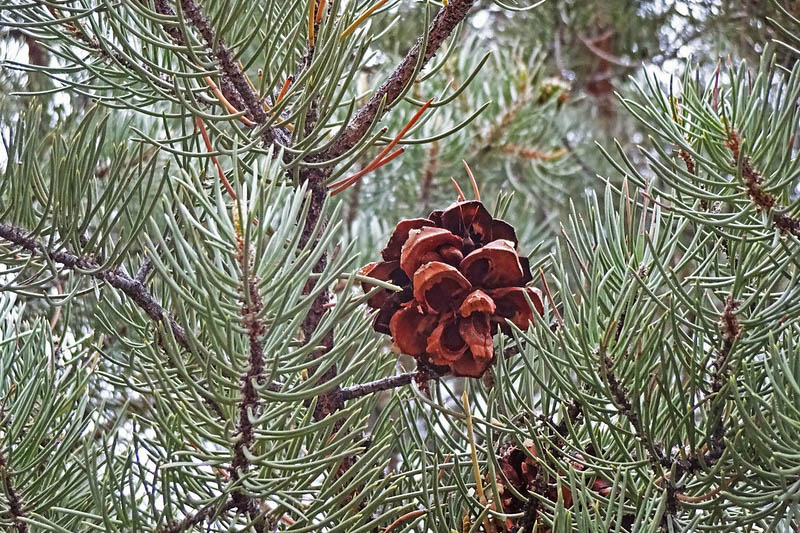


Pinus monophylla, the Singleleaf Pinyon, is a compact, drought-hardy pine native to the high deserts of the western U.S. It’s the only pine with single needles, giving it a distinct, delicate look—and despite its rugged roots, it produces buttery, edible pine nuts that are a treasured wild food.
Beloved by foragers, wildlife, and permaculture gardeners, this little desert tree packs a lot of personality into a small, resilient package. The Pinus genus belongs to the pine family, Pinaceae.
Found across the Great Basin—from California and Nevada to Utah and northern Arizona—Pinus monophylla thrives in dry, rocky mountain slopes and high desert plateaus.
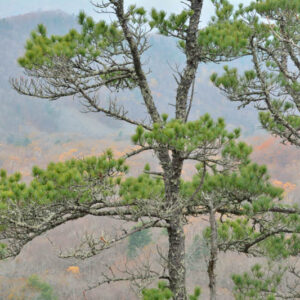
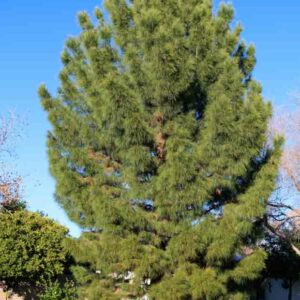
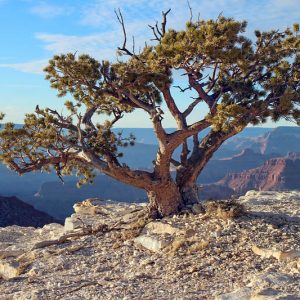
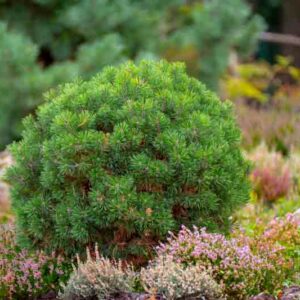
This slow-growing evergreen tree has a dense, rounded habit. Its short stature and open branching give it a sculptural look—perfect for native gardens and water-wise yards.
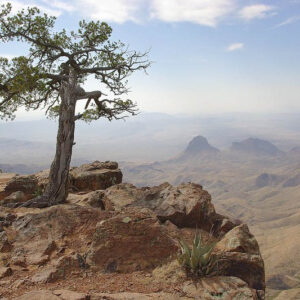
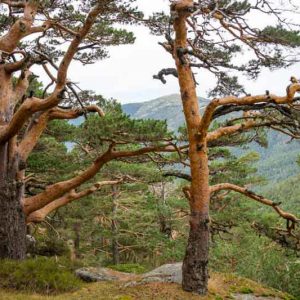
Typically grows 10–25 feet (3–8 m) tall and 10–20 feet (3–6 m) wide. In the wild, older trees may develop gnarled, picturesque forms that are pure desert art.
Extremely long-lived—many trees survive for centuries, even in harsh conditions. They take their time but reward with lasting beauty and resilience.
No showy blooms here—like all pines, reproduction happens through male and female cones, which appear in spring and rely on wind for pollination.
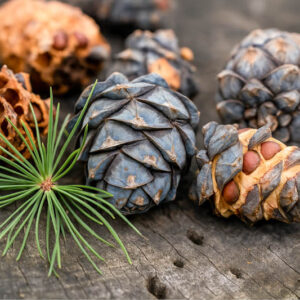
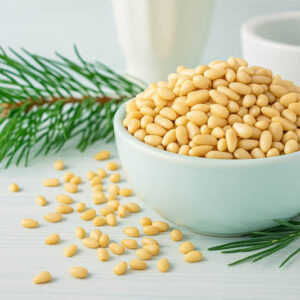
Large cones mature over two seasons and release tasty pine nuts. The seeds are bigger and easier to shell than many other pinyons, making them a top choice for wild harvesters.
Eat them raw, roasted, or added to salads and sauces. These native nuts are a rich source of calories and were a vital food for Indigenous communities across the Southwest. Learn more: Pine Nuts: Nutrition, Uses, and Trees That Produce Them.
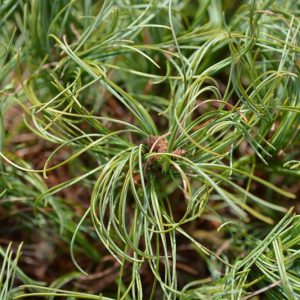
True to its name, each needle stands alone—no bundles here! Needles are bluish-green, curved, and about 1–2 inches (2.5–5 cm) long. Their soft color and texture offer a soothing presence in xeriscapes.
Smooth and gray when young, turning scaly and dark with age. Older trees can develop deep furrows and twisted character, especially at higher elevations.
Hardy in USDA zones 5–9. Prefers full sun and well-drained, rocky, or sandy soils. Highly tolerant of drought, heat, and poor soils—just don’t overwater.
Singleleaf Pinyon, is the backbone of pinyon-juniper woodlands, feeding and sheltering a diverse array of wildlife. Its protein-rich seeds are a lifeline for Pinyon Jays, Clark’s Nutcrackers, squirrels, chipmunks, and more. Larger mammals like deer, elk, and bighorn sheep use these woodlands for forage and cover. Even predators and reptiles rely on the habitat. This rugged pine not only shapes ecosystems but helps sustain life year-round in some of the West’s toughest landscapes.
Not a preferred snack—needles and resin make it generally unappealing to deer and rabbits. Still, young trees may need protection in areas with heavy browsing.
Non-toxic and safe for humans and pets. Pine nuts are nutrient-dense, but moderation is best—too many can be rich on the stomach.
Not invasive. Seeds fall close to the parent tree and rely on wildlife for limited spread. It’s a quiet contributor to desert ecosystems, not a garden escapee.
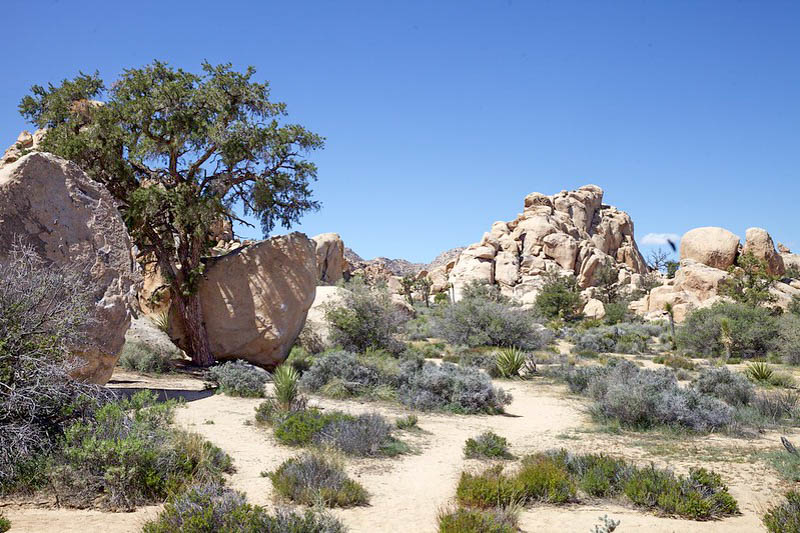
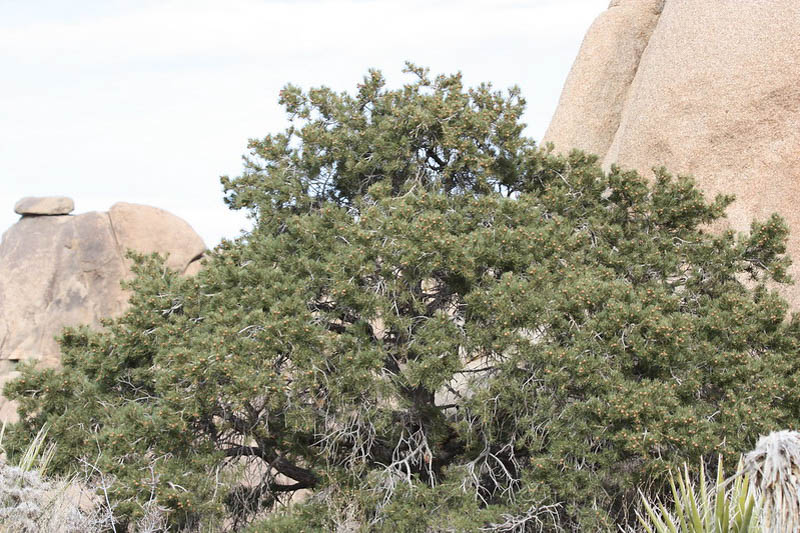
Growing a Singleleaf Pinyon is a rewarding choice for gardeners in dry, high-desert regions. Known for its tasty pine nuts and resilience, this drought-tolerant native thrives with minimal fuss—just a little patience.
Tip: The Singleleaf Pinyon is a true slow-grower, but it’s well worth the wait—tough, beautiful, and packed with history, flavor, and ecological value.
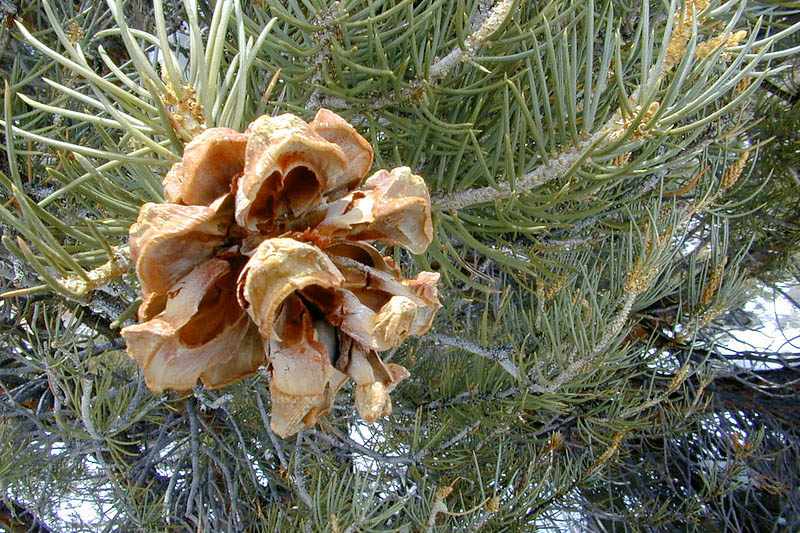
Harvesting pine nuts from Pinus monophylla is a time-honored tradition in the American Southwest. These creamy, flavorful nuts are worth the patience—and the sticky fingers!
Fresh pinyon pine nuts are high in oil and can go rancid quickly without proper storage. Here’s how to keep them delicious.
Pro tip: Lightly toast before freezing to preserve their rich flavor—and make midwinter snacking even better!
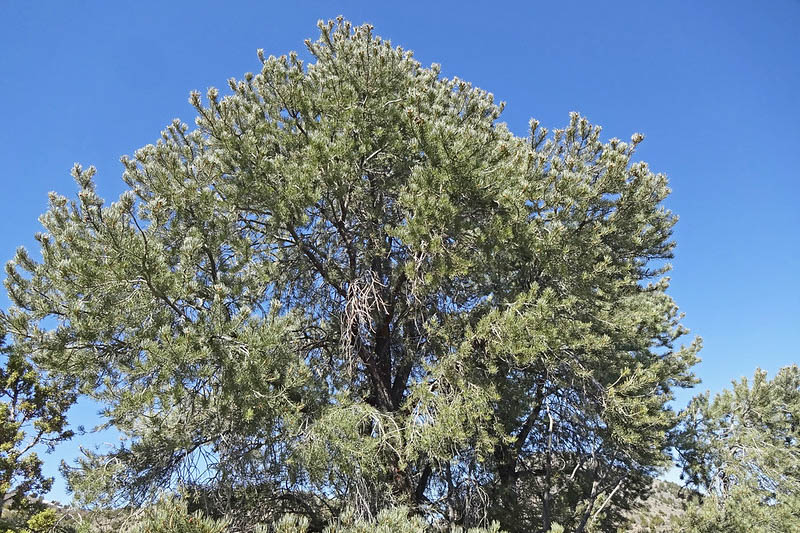
Bringing more pinyons into the world? Here’s how to grow your own Pinus monophylla—slowly, surely, and sustainably.
Bonus tip: Pinyons don’t mind solitude, but planting a few together improves pollination and increases nut yields—plus, they’re beautiful in clusters.
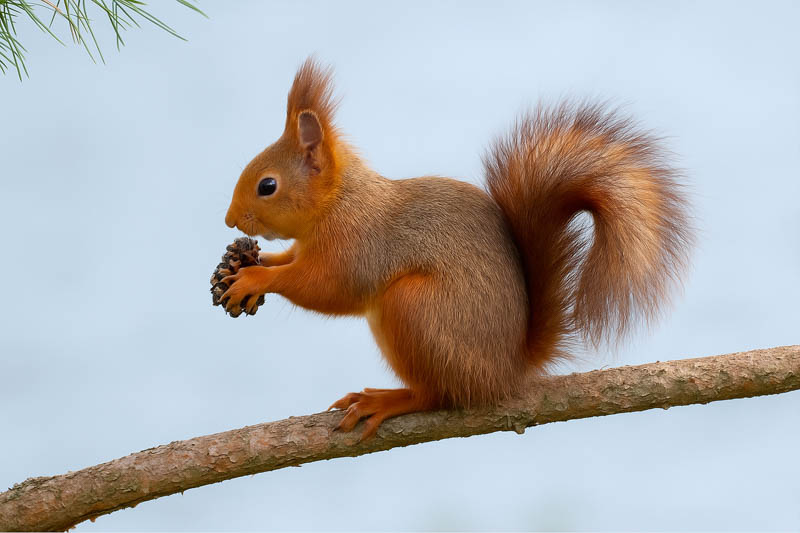
Singleleaf pinyons (Pinus monophylla) are hardy desert dwellers, but they still face pest and disease threats—especially during drought or stress. Here’s how to keep yours healthy.
Tip: Singleleaf pinyons are low-maintenance and drought-tough—just keep an eye on them during droughts or cone-heavy years, when pests are most active.
The Singleleaf Pinyon (Pinus monophylla) is a slow-growing, drought-tolerant pine native to the southwestern U.S. It’s unique for having just one needle per fascicle.
This pine thrives in dry, rocky soils across the Great Basin, California, Nevada, Utah, and Arizona, often forming open woodlands with juniper and sagebrush.
Absolutely! Singleleaf pinyon produces some of the tastiest wild pine nuts—sweet, buttery, and highly nutritious. They’re a traditional staple of Native American diets.
Patience required—trees often take 35–75 years to reliably produce cones in the wild. In cultivation, nut production can begin in 25–40 years with good care.
Yes! This tree evolved in arid climates and prefers dry, well-drained soils. Once established, it needs little supplemental water—even in long dry spells.
Usually 10–25 feet tall (3–7.5 m), though older trees can reach 30+ feet. Its rounded crown and gnarled form make it an excellent character tree for xeriscaping.
You can, especially if you live in USDA zones 5–9. Choose a sunny, well-drained spot and be ready for slow, rewarding growth.
Minimal pruning is needed. Just remove any dead or damaged branches and let its natural shape shine.
Very much so—its nuts feed birds, rodents, and people alike. Plus, its dense branches provide shelter for desert creatures.
Generally pest-resistant, but young or stressed trees may be vulnerable to bark beetles or tip moths. Avoid overwatering and protect from deer browse early on.
| Hardiness |
5 - 9 |
|---|---|
| Plant Type | Trees |
| Plant Family | Pinaceae |
| Genus | Pinus |
| Exposure | Full Sun |
| Season of Interest | Spring (Early, Mid, Late), Summer (Early, Mid, Late), Fall, Winter |
| Height | 10' - 50' (3m - 15.2m) |
| Spread | 10' - 30' (3m - 9.1m) |
| Maintenance | Low |
| Water Needs | Low |
| Soil Type | Loam, Sand |
| Soil pH | Acid, Neutral, Alkaline |
| Soil Drainage | Well-Drained |
| Characteristics | Showy, Evergreen, Fruit & Berries |
| Native Plants | California, United States, Idaho, Pacific Northwest, Southwest, Arizona, Nevada, New Mexico, Rocky Mountains, Utah |
| Tolerances | Drought, Dry Soil, Rocky Soil |
| Attracts | Birds |
| Toxic to Humans | No known toxicity |
| Toxic to Cats | No known toxicity |
| Toxic to Dogs | No known toxicity |
| Toxic to Horses | No known toxicity |


| Hardiness |
5 - 9 |
|---|---|
| Plant Type | Trees |
| Plant Family | Pinaceae |
| Genus | Pinus |
| Exposure | Full Sun |
| Season of Interest | Spring (Early, Mid, Late), Summer (Early, Mid, Late), Fall, Winter |
| Height | 10' - 50' (3m - 15.2m) |
| Spread | 10' - 30' (3m - 9.1m) |
| Maintenance | Low |
| Water Needs | Low |
| Soil Type | Loam, Sand |
| Soil pH | Acid, Neutral, Alkaline |
| Soil Drainage | Well-Drained |
| Characteristics | Showy, Evergreen, Fruit & Berries |
| Native Plants | California, United States, Idaho, Pacific Northwest, Southwest, Arizona, Nevada, New Mexico, Rocky Mountains, Utah |
| Tolerances | Drought, Dry Soil, Rocky Soil |
| Attracts | Birds |
| Toxic to Humans | No known toxicity |
| Toxic to Cats | No known toxicity |
| Toxic to Dogs | No known toxicity |
| Toxic to Horses | No known toxicity |
How many Pinus monophylla (Singleleaf Pinyon) do I need for my garden?
| Plant | Quantity | |
|---|---|---|
| Pinus monophylla (Singleleaf Pinyon) | N/A | Buy Plants |
Create a membership account to save your garden designs and to view them on any device.
Becoming a contributing member of Gardenia is easy and can be done in just a few minutes. If you provide us with your name, email address and the payment of a modest $25 annual membership fee, you will become a full member, enabling you to design and save up to 25 of your garden design ideas.
Join now and start creating your dream garden!
Create a membership account to save your garden designs and to view them on any device.
Becoming a contributing member of Gardenia is easy and can be done in just a few minutes. If you provide us with your name, email address and the payment of a modest $25 annual membership fee, you will become a full member, enabling you to design and save up to 25 of your garden design ideas.
Join now and start creating your dream garden!