Strawberry Tree, Cane Apple, Dalmatian Strawberry, Killarney Strawberry Tree
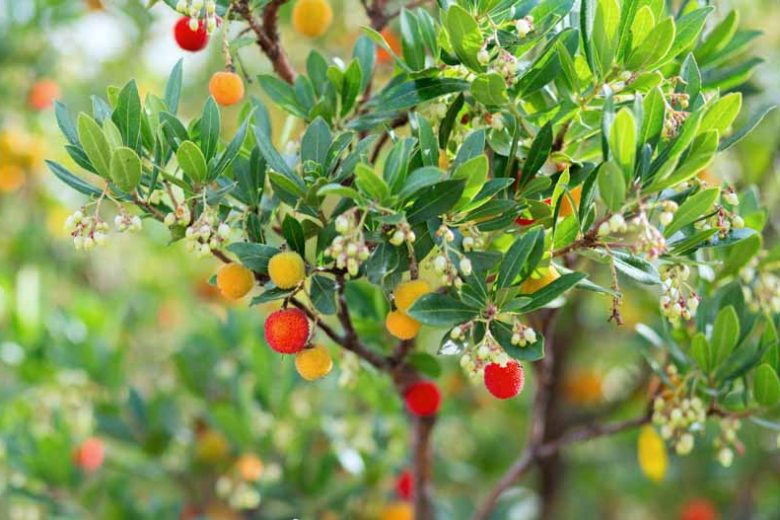
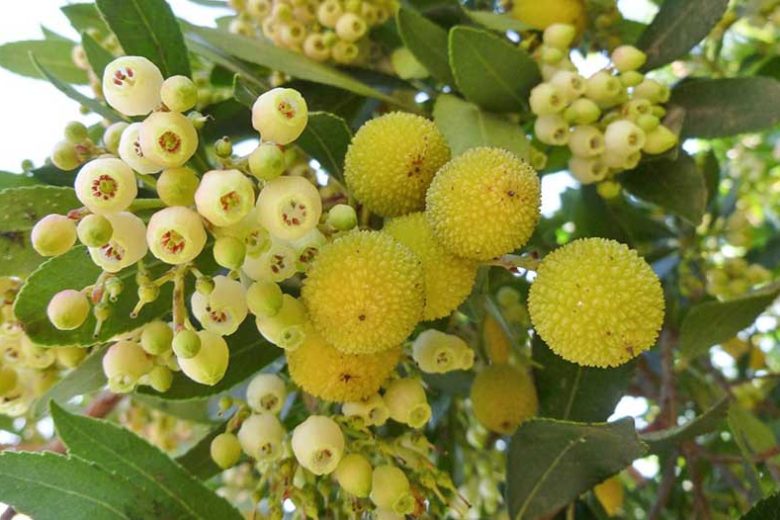
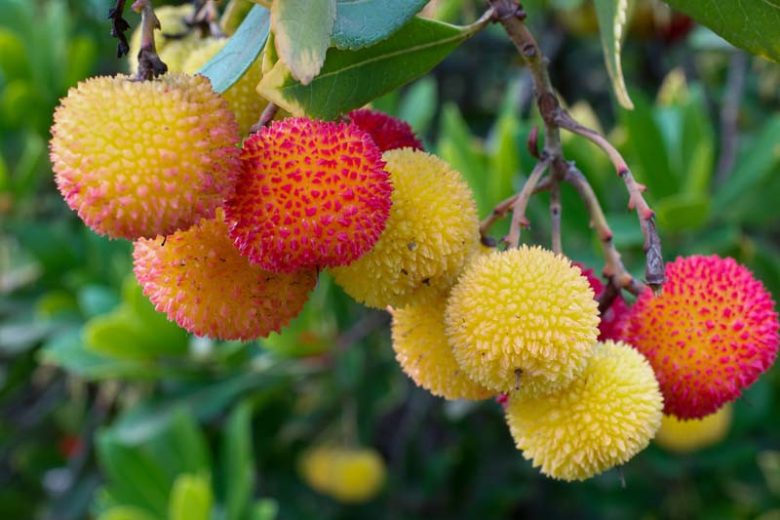


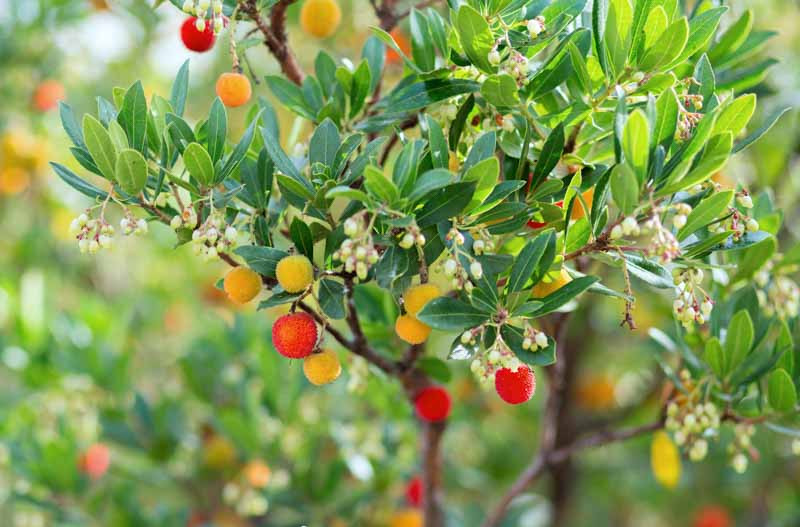
Summary: An easygoing Mediterranean evergreen with cinnamon-flaking bark, glossy leaves, bell-shaped flowers in fall, and cheerful, bumpy red fruits that ripen in winter. Handsome year-round, tolerant of wind and salt, and friendly to pollinators and birds. Taste: Mildly sweet, soft, and grainy (think pear-meets-fig). Best for jellies, jams, fruit leather, syrups, and liqueurs rather than out-of-hand eating. Use: Ornamental specimen, flowering hedge, coastal screen, container tree, edible landscaping, and small-batch preserves. Growing Note: Requires good drainage; thrives in sun once established and shrugs off drought.
| Botanical Name | Arbutus unedo |
|---|---|
| Family | Ericaceae (Heath family) |
| Common Names | Strawberry tree, Irish strawberry tree, Killarney strawberry tree, Arbutus |
| Plant Type & Habit | Broadleaf evergreen shrub or small tree; naturally rounded, can be trained multi- or single-stem |
| Hardiness (USDA) | Zones 7–10 (sheltered 6b with protection) |
| Size | 8–25 ft tall × 8–20 ft wide (2.5–7.5 × 2.5–6 m), depending on climate and pruning |
| Sun & Exposure | Full sun to light shade; best flowering and fruiting in sun |
| Soil | Well-drained; tolerates sandy, loamy, or rocky soils; pH slightly acid to neutral; dislikes waterlogging |
| Bloom & Fruit | Urn-shaped white to blush-pink flowers in fall; fruits ripen the following fall/winter (flowers and fruit together!) |
| Water & Drought | Moderate water to establish; very drought-tolerant thereafter |
| Primary Uses | Ornamental specimen, coastal or urban plantings, wildlife gardens, edible landscaping, preserves and liqueurs |
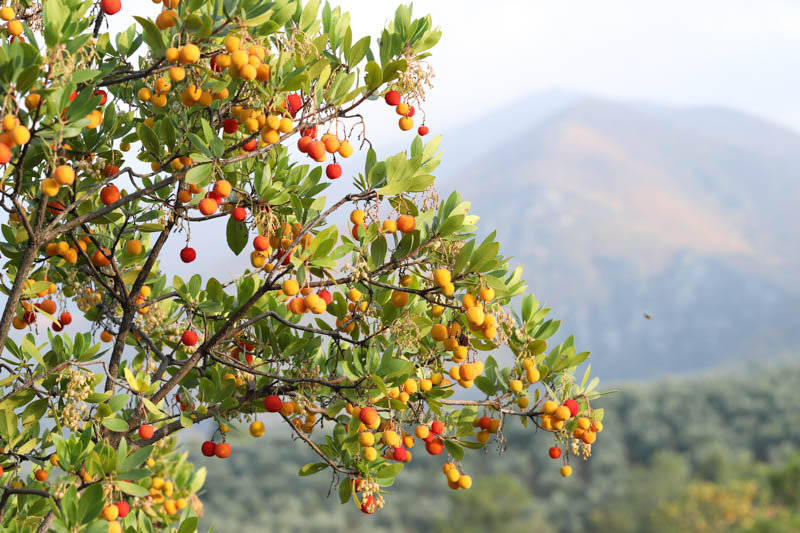
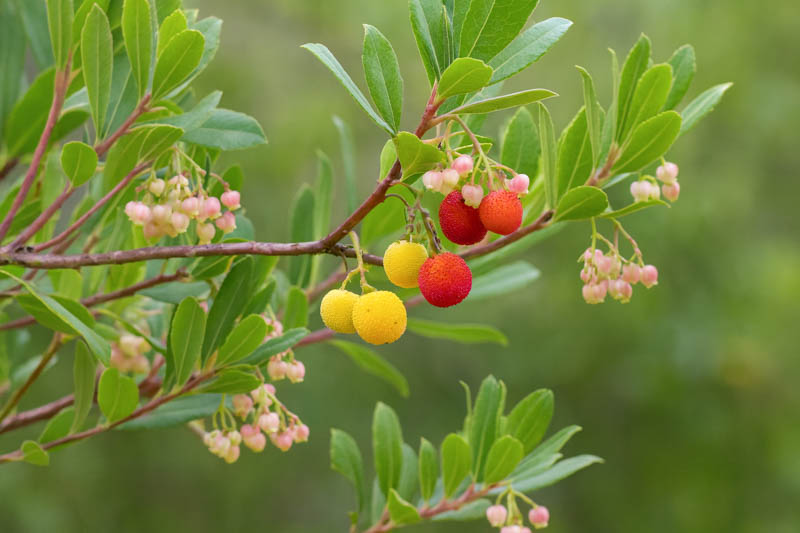
If you’ve ever walked past a strawberry tree in late autumn, you know the moment: clusters of creamy bell-flowers dangling like tiny lanterns right beside knobbly fruits ripening from green to sunflower yellow to lipstick red. It’s festive, a little eccentric, and absolutely charming—like the tree dressed itself for the holidays. This is a plant that works as hard as it looks: tough in wind and salt, gentle on water, and generous to pollinators and birds. And yes, you can eat the fruit (with the right expectations and a good recipe).
Arbutus unedo is a broadleaf evergreen from the Mediterranean and western Europe with handsome, leathery, dark-green leaves and smooth bark that exfoliates in cinnamon and copper patches over time. In autumn, it hangs clusters of urn-shaped white to faintly pink blossoms—classic heath family bells—while simultaneously showing off last year’s fruit. Those fruits start pale, then turn golden, then rouge to a cheerful, bumpy red about the size of a large marble. The flavor is mild and a bit grainy (imagine a pear crossed with a fig), which makes it lovely for jam, jelly, fruit leather, syrups, and country liqueurs rather than daily snacking.
Arbutus is a genus in the heath family Ericaceae, best known for A. unedo (strawberry tree), A. andrachne (Greek strawberry tree), A. menziesii (Pacific madrone), A. arizonica (Arizona madrone), A. xalapensis (Texas madrone), and A. canariensis (Canary strawberry tree).
Wild strawberry trees dot the coasts and hillsides of the Mediterranean Basin and western Europe, stretching into parts of Ireland where “Killarney strawberry tree” nods to its pockets of naturalized stands. In gardens, it adapts across mild, dry-summer climates and coastal regions, and it’s reliable in many temperate places that avoid severe winter cold.
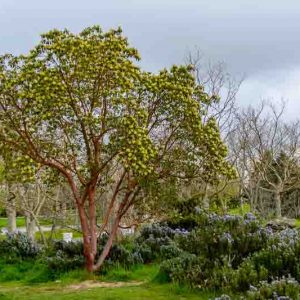
Left to its own devices, strawberry tree forms a rounded, many-branched large shrub or small tree. In mild zones it can reach 20–25 feet (6-7.5 m); in cooler or windier areas, 8–15 feet (2.4-4.5 m) is more typical. Gardeners often select a few main trunks and limn them into a sculptural, multi-stem specimen to showcase the bark. As a hedge or screen, it clips neatly, though heavy shearing will reduce flowers and fruit.
Moderate. Expect a steady pace once established—often 12–24 inches (30-60 cm) of annual growth in favorable conditions. First-year plants focus on roots; by year two they usually lean into new wood and fuller flowering.
This is a long-lived, woody evergreen. Well-sited specimens commonly persist for decades, maturing into characterful focal points with flaking, warm-toned bark that becomes prettier every year.
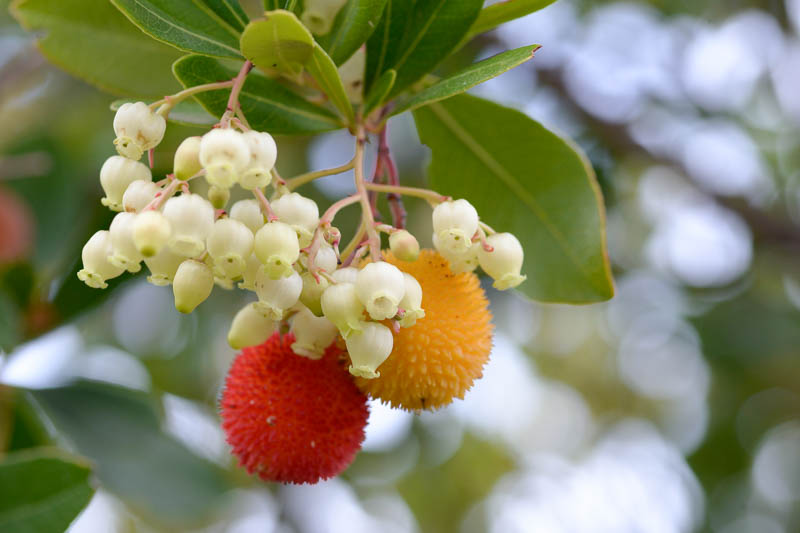
The bloom is a delightful seasonal surprise: when so many shrubs are bedding down, strawberry tree wakes up. In mid to late autumn (sometimes into early winter), it dangles clusters of waxy bells that feed late pollinators. Cool nights and bright days really sharpen the display.
Each flower cluster can set small, spherical fruits that take roughly a year to color fully—so a mature plant often flowers and fruits at the same time. The surface is gently nubbly; the pulp is soft and mildly sweet at full red. They’re fragile when ripe, so pick with care. Best Evergreen Shrubs and Trees with Red Berries
In the kitchen, they shine in small-batch preserves, sieved sauces, and cordials. In Portugal and parts of Spain, the fruit is famously distilled into medronho, a rustic spirit with a warm, fruity finish. Elsewhere, it’s turned into jams, chutneys, syrups, and even a pinkish “strawberry tree cider.”
| Typical fruit size | ~1–1.5 in (2.5–4 cm) diameter; weight varies with crop load and moisture. |
| When fruits ripen | Late fall into winter in most climates, often following autumn bloom by ~10–12 months. |
| Average yield | A full, established shrub can be surprisingly productive; dozens to hundreds of fruits depending on size, rainfall, and pollination. |
Elliptic, glossy, and deep green with fine serrations, the leaves are tidy year-round and make an elegant, evergreen backdrop for mixed borders. New growth often flushes lighter green before maturing. In mild winters, foliage remains lush; in very cold snaps, leaves can bronze slightly then rebound in spring.
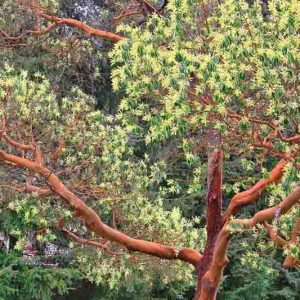
A major reason people fall in love with this plant: older trunks and branches shed thin plates of bark to reveal smooth underlayers in tan, copper, and warm chestnut. It’s subtle, natural drama—and glorious in low winter sun.
Generally hardy in USDA Zones 7–10. Young plants appreciate a windbreak and mulch in their first winters; mature plants handle cold snaps better if soils drain freely.
Autumn bells feed late-flying bees and other pollinators; winter fruit is a welcome snack for thrushes and other birds. The dense evergreen canopy offers year-round cover for small wildlife. Small Trees and Shrubs Birds Can’t Resist.
The ripe fruit is edible in modest amounts. Leaves and unripe fruit are astringent and not normally consumed. As with many edibles, pets should not gorge on fallen fruit (upset stomachs are possible). If you’re making home ferments or spirits, use reputable, up-to-date recipes and common-sense moderation.
Strawberry tree is not considered invasive in most gardens. It can self-seed lightly near mature plants, especially in gravel or leaf litter. Seedlings pull easily; mulch beds to discourage volunteers.
Grower Story We planted a trio along a windy drive where other shrubs sulked. Year two, the bark began to flake, the bees found the autumn flowers, and the fruit—oh, the fruit—glowed like holiday ornaments. A quick batch of “strawberry tree jam” (sieved, lemoned, lightly sugared) turned skeptics into fans. Tip If your site is breezy or coastal, this is your kind of evergreen—just give it drainage and a little patience.
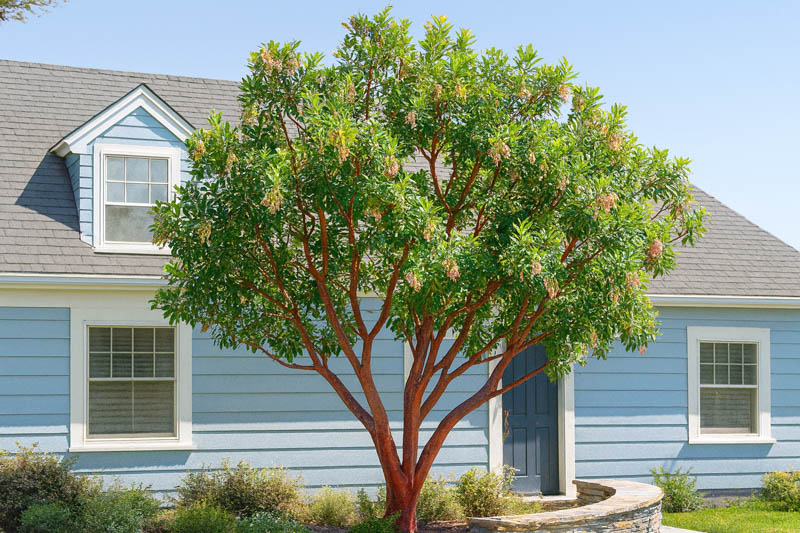
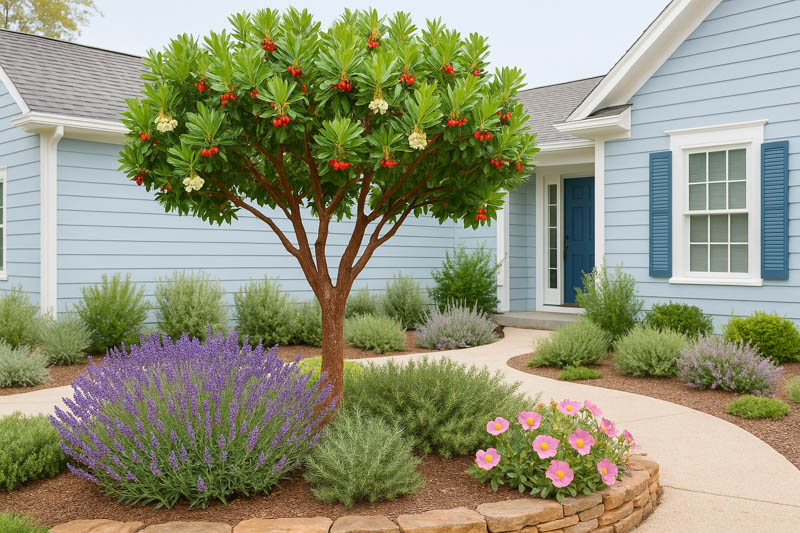
Arbutus unedo is more than just a fruiting curiosity—it’s a versatile design plant that earns its place in many styles of gardens. Its evergreen foliage, peeling bark, white-to-pink urn-shaped flowers, and bright red fruits offer four-season interest. Here are some of the best ways to showcase it outdoors:
Design tip: Pair strawberry tree with silvery-leaved plants like lavender, sage, or olive to emphasize its warm bark and glossy foliage. The contrast creates a classic Mediterranean palette that shines in every season.
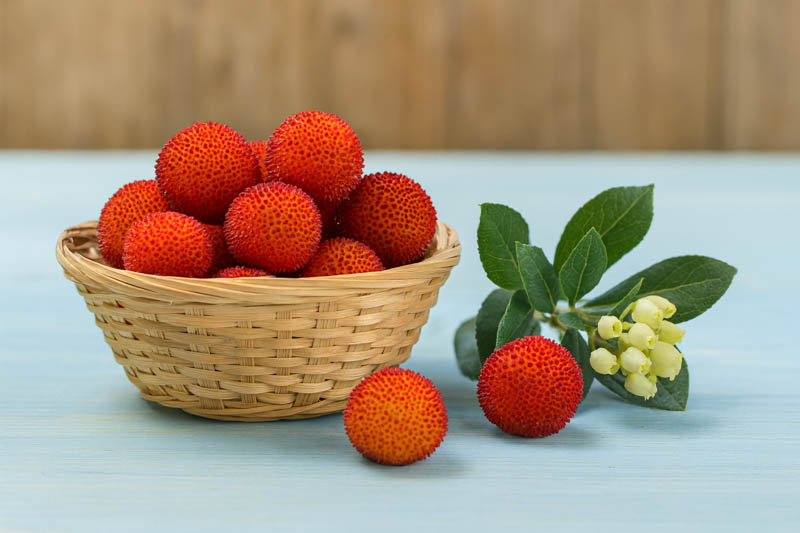
Strawberry tree fruit won’t replace your daily berries, but it shines in cooked or sieved preparations that celebrate its color and gentle sweetness.
While exact values vary with ripeness, strawberry tree fruits are generally:
Note: Because fruits ripen over many weeks and cultivars vary, treat “nutrition” here as a general portrait rather than a label panel. If you track macros, weigh, taste, and adjust recipes to your goals.
You’ll mostly see straight species Arbutus unedo, but a few named selections are worth seeking.
You’ll mostly see the straight species Arbutus unedo, but a few named selections are worth seeking. Each offers a slightly different habit, flower, or fruit feature to match garden style and space.
| Variety | Size (H × W) | Key Features |
|---|---|---|
| ‘Compacta’ | 6–10 ft × 5–8 ft | Dense, smaller leaves; tidy habit for hedges and containers. |
| ‘Rubra’ | 10–20 ft × 8–15 ft | Deeper pink flowers than the species; fruit and foliage similar. |
| ‘Elfin King’ | 4–8 ft × 3–6 ft | Dwarf, slow-growing; ideal for small courtyards or large pots. |
| ‘Atlantic’ | 12–20 ft × 10–15 ft | Vigorous, reliable fruiting; popular in coastal gardens. |
| Arbutus ‘Marina’ | 25–40 ft × 15–30 ft | Hybrid (not unedo); dramatic bark, larger stature; striking specimen. |
Sizes vary with climate, soil, and pruning; containers and coastal exposure can reduce ultimate height and spread.
Arbutus ‘Marina’ (a hybrid) is often sold alongside A. unedo. ‘Marina’ typically grows faster and larger, with showier, more coral-toned bark and generous clusters of deeper pink flowers; it’s superb as a street tree in mild climates. A. unedo stays more compact and rounded, fruits reliably, and is better for hedges, smaller gardens, and edible landscapes. If you want the most fruit for preserves, choose A. unedo; if you want a dramatic specimen with big bark presence, consider ‘Marina’.
This is a “plant-and-enjoy” species once you get the site right.
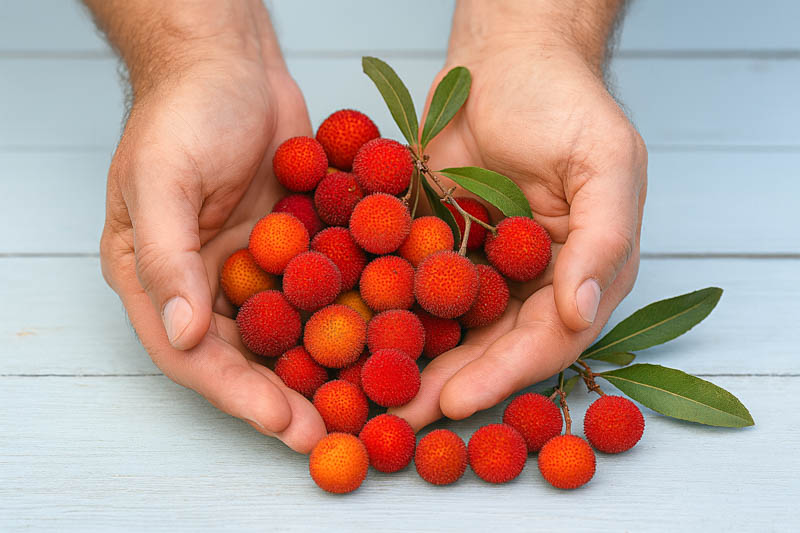
Yes—when fully red and soft. Expect a mild, grainy texture. Most people prefer it cooked, sieved, or blended into preserves and drinks.
Fruits take about a year to ripen. New flowers open in autumn while last year’s fruit finishes coloring, so you get both displays together.
It’s largely self-fertile. A second plant can boost fruit set, but a single, healthy specimen usually crops.
Regular water the first year. After establishment, deep but infrequent watering in prolonged dry spells is plenty. Avoid wet feet.
Yes, if you correct drainage. Plant on a mound or slope and don’t over-amend with fine materials that hold water. Poor drainage is the #1 issue to avoid.
Ripe fruits can drop and squish, especially after rain. Place away from high-traffic paving or harvest regularly. In lawns or groundcovers, it’s usually a non-issue.
Absolutely. Choose a compact cultivar or container-grow, and prune lightly after fruiting to maintain size and shape.
Yes. It tolerates wind and salt spray and looks right at home with lavenders, rosemary, and other Mediterranean companions.
A. unedo is the classic strawberry tree—compact, fruit-forward, great for hedges and small gardens. ‘Marina’ is a larger, faster hybrid with showier pink flowers and striking bark—excellent as a specimen or street tree in mild climates.
Small, incidental nibbles of ripe fruit are typically harmless, but avoid overconsumption (possible GI upset). Keep ferments and spirits well out of pet reach.
Updated: September 16, 2025 • Reviewed by Gardenia Editors
| Hardiness |
7 - 10 |
|---|---|
| Heat Zones |
6 - 9 |
| Climate Zones | 4, 5, 6, 7, 8, 9, 10, 11, 12, 13, 14, 15, 16, 17, 18, 19, 20, 21, 22, 23, 24 |
| Plant Type | Shrubs, Trees |
| Plant Family | Ericaceae |
| Genus | Arbutus |
| Common names | Strawberry Tree |
| Exposure | Full Sun, Partial Sun |
| Season of Interest | Spring (Early, Mid, Late), Summer (Early, Mid, Late), Fall, Winter |
| Height | 8' - 25' (240cm - 7.6m) |
| Spread | 8' - 20' (240cm - 6.1m) |
| Maintenance | Low |
| Water Needs | Low, Average |
| Soil Type | Clay, Loam, Sand |
| Soil pH | Acid, Neutral |
| Soil Drainage | Moist but Well-Drained, Well-Drained |
| Characteristics | Fragrant, Showy, Evergreen, Fruit & Berries |
| Tolerances | Drought, Heat, Poor Soil, Fire |
| Attracts | Bees, Birds |
| Garden Uses | Beds And Borders, Hedges And Screens, Patio And Containers |
| Garden Styles | Coastal Garden, Informal and Cottage, Mediterranean Garden |
| Toxic to Humans | No known toxicity |
| Toxic to Cats | No known toxicity |
| Toxic to Dogs | No known toxicity |
| Toxic to Horses | No known toxicity |


| Hardiness |
7 - 10 |
|---|---|
| Heat Zones |
6 - 9 |
| Climate Zones | 4, 5, 6, 7, 8, 9, 10, 11, 12, 13, 14, 15, 16, 17, 18, 19, 20, 21, 22, 23, 24 |
| Plant Type | Shrubs, Trees |
| Plant Family | Ericaceae |
| Genus | Arbutus |
| Common names | Strawberry Tree |
| Exposure | Full Sun, Partial Sun |
| Season of Interest | Spring (Early, Mid, Late), Summer (Early, Mid, Late), Fall, Winter |
| Height | 8' - 25' (240cm - 7.6m) |
| Spread | 8' - 20' (240cm - 6.1m) |
| Maintenance | Low |
| Water Needs | Low, Average |
| Soil Type | Clay, Loam, Sand |
| Soil pH | Acid, Neutral |
| Soil Drainage | Moist but Well-Drained, Well-Drained |
| Characteristics | Fragrant, Showy, Evergreen, Fruit & Berries |
| Tolerances | Drought, Heat, Poor Soil, Fire |
| Attracts | Bees, Birds |
| Garden Uses | Beds And Borders, Hedges And Screens, Patio And Containers |
| Garden Styles | Coastal Garden, Informal and Cottage, Mediterranean Garden |
| Toxic to Humans | No known toxicity |
| Toxic to Cats | No known toxicity |
| Toxic to Dogs | No known toxicity |
| Toxic to Horses | No known toxicity |
How many Arbutus unedo (Strawberry Tree) do I need for my garden?
| Plant | Quantity | |
|---|---|---|
| Arbutus unedo (Strawberry Tree) | N/A | Buy Plants |
Create a membership account to save your garden designs and to view them on any device.
Becoming a contributing member of Gardenia is easy and can be done in just a few minutes. If you provide us with your name, email address and the payment of a modest $25 annual membership fee, you will become a full member, enabling you to design and save up to 25 of your garden design ideas.
Join now and start creating your dream garden!
Create a membership account to save your garden designs and to view them on any device.
Becoming a contributing member of Gardenia is easy and can be done in just a few minutes. If you provide us with your name, email address and the payment of a modest $25 annual membership fee, you will become a full member, enabling you to design and save up to 25 of your garden design ideas.
Join now and start creating your dream garden!