Pomegranate, Carthaginian Apple, Granada
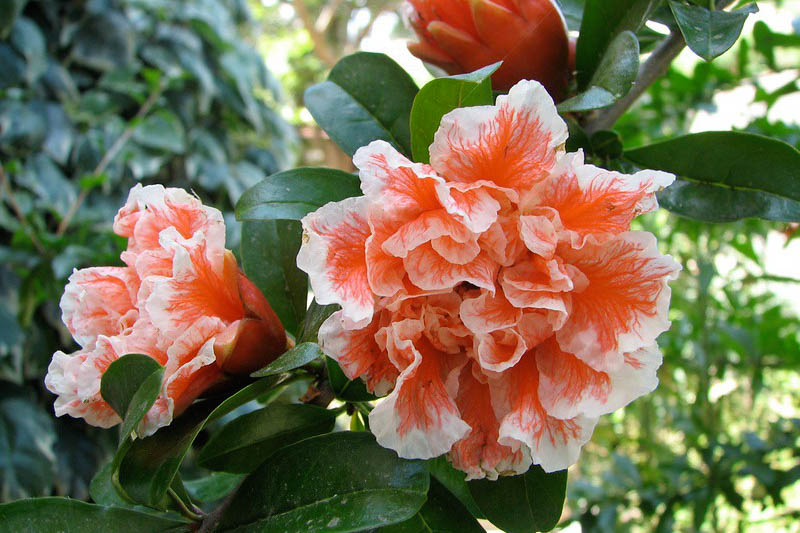
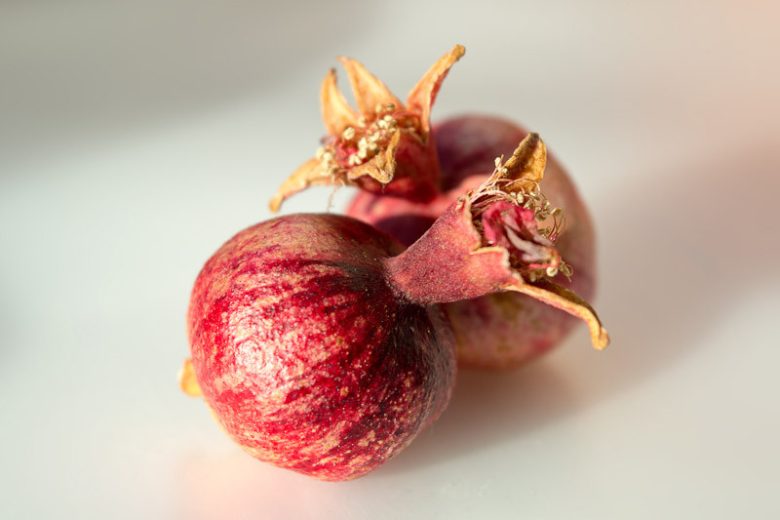


The pomegranate tree (Punica granatum) is an ancient symbol of life and vitality, prized for its brilliant flowers, ruby-red pomegranate arils, and nutrient-rich pomegranate seeds. Native to the Middle East and Central Asia, the pomegranate has been cultivated for thousands of years and remains one of the most beloved fruits worldwide.
Pomegranate belongs to the Lythraceae family, which also includes popular flowering plants such as crape myrtle (Lagerstroemia), cigar flower (Cuphea ignea), bat-faced cuphea (Cuphea llavea), and purple loosestrife (Lythrum salicaria).
Originally native to the sun-drenched regions of the Middle East and Central Asia, the pomegranate tree has been treasured for thousands of years. Today, it thrives across the Mediterranean, the Americas, and many other parts of the world, enchanting gardeners and fruit lovers alike.
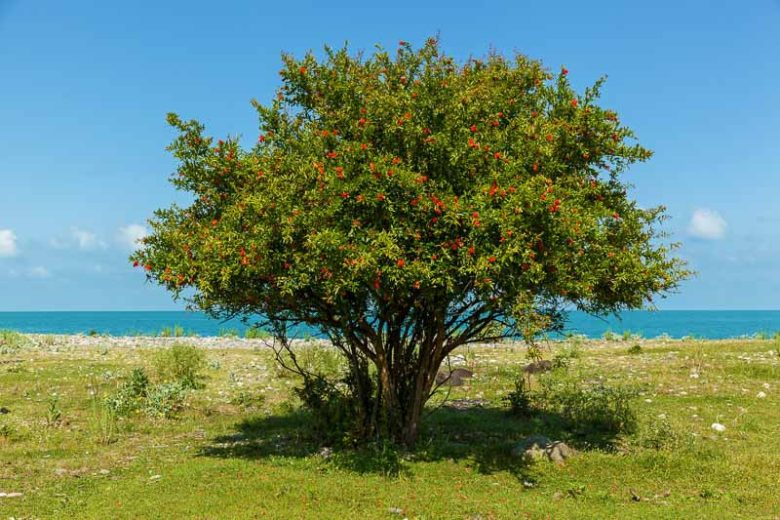
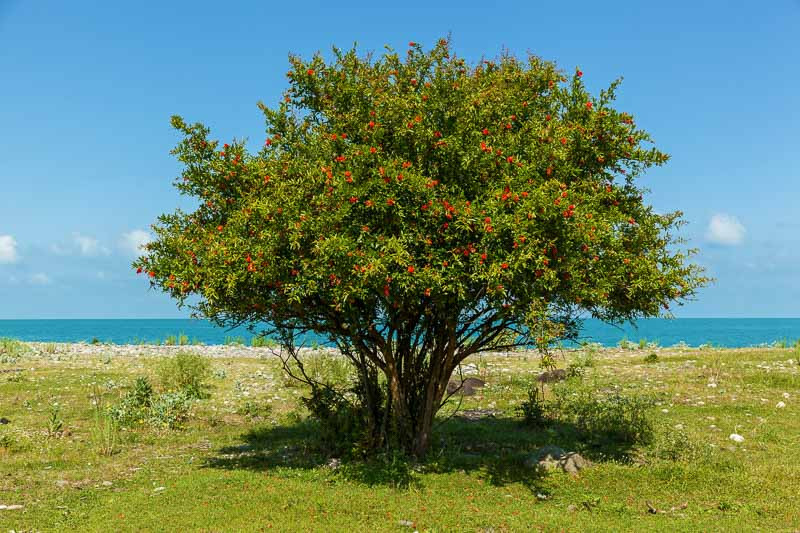
Punica granatum is a versatile small tree or large shrub, deciduous or semi-evergreen depending on the climate. Its upright, spreading, multi-stemmed habit gives it a bold presence in gardens. Whether pruned into a single trunk or allowed to grow freely, it always brings dramatic beauty to any landscape.
Pomegranate trees typically grow 6 to 20 feet tall (1.8 to 6 meters) and spread 4 to 15 feet wide (1.2 to 4.5 meters). For compact gardens, dwarf varieties such as ‘Nana‘ stay around 4 feet (1.2 meters), making them perfect for pots, patios, and small urban spaces.
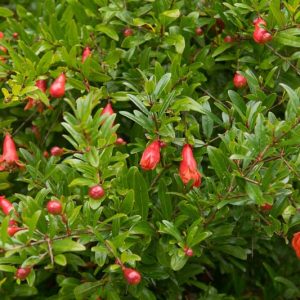
The vibrant, crepe-paper-textured, scarlet-red flowers are a showstopper. Each funnel-shaped bloom, about 2 inches (5 cm) across, appears singly or in bright clusters at the branch tips, dazzling both gardeners and pollinators alike.
Pomegranate trees burst into bloom from late spring to early summer, with some varieties continuing to surprise you with occasional flowers throughout the season—an extra pop of color just when you need it most!
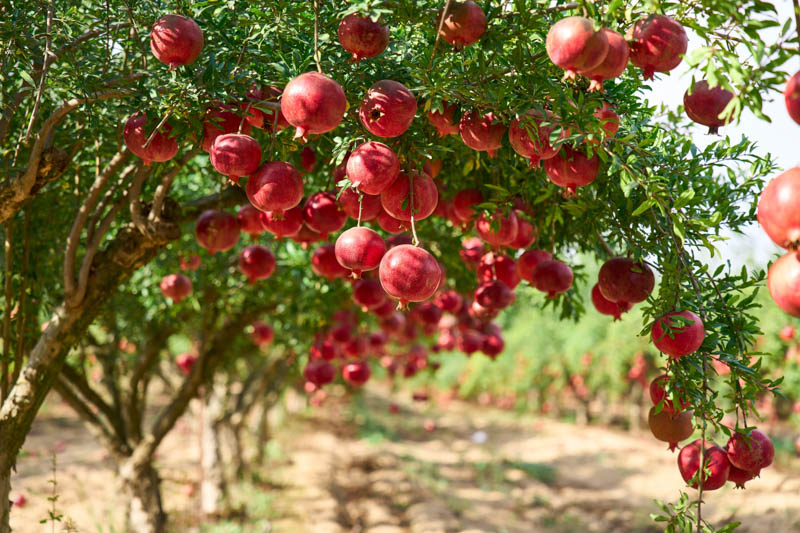
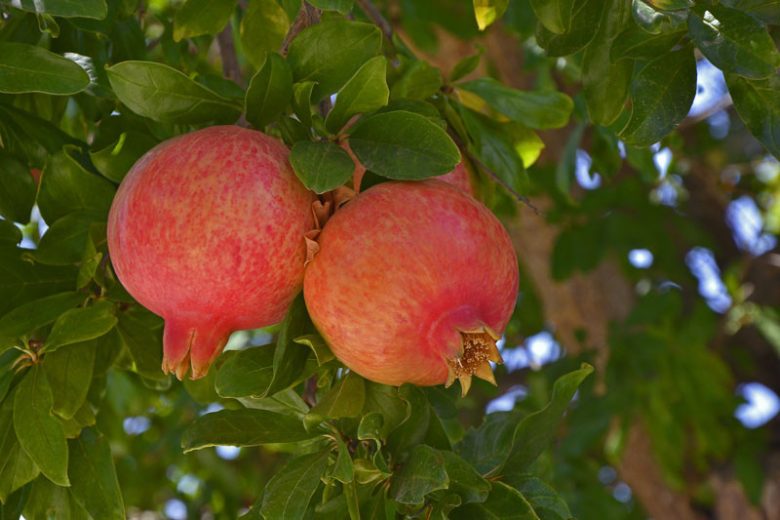
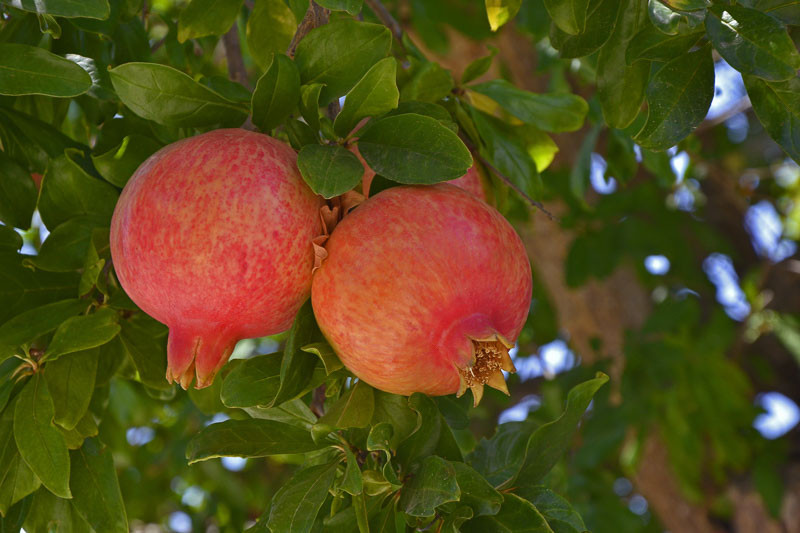
After flowering, the tree rewards you with striking, round fruits with leathery red skins, growing up to 4 inches (10 cm) across. Inside, the juicy arils offer a delicious sweet-tart flavor, perfect for eating fresh, juicing, or making jams. For bigger harvests, planting two or more varieties is recommended.
The foliage is just as charming: long, slender, glossy green leaves that emerge bronze in spring. In warm climates, pomegranates remain evergreen, while in cooler zones, the leaves turn a beautiful soft yellow in fall, offering year-round interest.
Pomegranate trees are hardy in USDA zones 7–10. While they thrive in heat and tolerate drought, they do appreciate a little protection from harsh winter winds, especially in the cooler parts of their range.
Bees and hummingbirds love the bright flowers, while birds are attracted to the juicy fruits. Meanwhile, the thorny branches provide natural protection, discouraging larger browsing animals.
Though not fully immune, the spiny branches and tough foliage of pomegranate trees make them much less appealing to deer and rabbits than many other garden plants.
Pomegranates are generally safe for humans and pets. However, consuming excessive amounts of seeds may lead to digestive discomfort due to their high fiber and caloric content, so moderation is key!
Thanks to their deep roots, mature pomegranate trees are drought-tolerant once established. They’ll still produce best with consistent watering during the growing and fruiting seasons, but once established, they are tough survivors in dry climates. Drought-Tolerant Trees: Top Picks for Low-Water Landscapes
Pomegranates are not considered invasive. While they can self-seed if conditions are right, simple garden maintenance and occasional pruning easily keep them in check.
Few plants offer so much: stunning beauty, delicious fruits, and powerful health benefits! Pomegranate arils are packed with antioxidants and vitamins, promoting heart health, reducing inflammation, and supporting digestion. The bark and flowers also hold traditional medicinal uses, cherished across centuries and cultures.
Here’s the nutrient powerhouse found in just 100g of fresh pomegranate arils:
| Nutrient | Amount | % Daily Value (DV) | Benefit |
|---|---|---|---|
| Calories | 83 kcal | 4% | Provides energy with a nutrient-rich profile. |
| Protein | 1.7 g | 3% | Helps repair tissues and support muscle function. |
| Carbohydrates | 18.7 g | 7% | Main energy source, packed with natural sugars. |
| Fiber | 4 g | 16% | Supports healthy digestion and gut health. |
| Fat | 1.2 g | 2% | Low in fat, fitting for heart-healthy diets. |
| Vitamin C | 10.2 mg | 12% | Strengthens immunity and boosts skin health. |
| Vitamin K | 16.4 mcg | 14% | Essential for blood clotting and bone strength. |
| Folate (B9) | 38 mcg | 10% | Supports cell function and healthy pregnancy. |
| Potassium | 236 mg | 7% | Maintains heart rhythm and fluid balance. |
| Magnesium | 12 mg | 3% | Supports muscle relaxation and energy production. |
DV stands for Daily Value — based on a 2,000-calorie diet.
100g of pomegranate arils is about half to three-quarters of the seeds from a medium fruit.
Adding juicy pomegranate arils or refreshing pomegranate juice to your diet offers impressive health rewards.
| Benefit | How It Helps |
|---|---|
| Heart Health | Rich in polyphenols and antioxidants, pomegranates may lower blood pressure, reduce plaque buildup, and support overall cardiovascular health. |
| Cancer Protection | Compounds like punicalagins may inhibit cancer cell growth and reduce inflammation associated with certain cancers. |
| Anti-Inflammatory Effects | Pomegranate juice may help combat chronic inflammation, potentially reducing risks for diabetes and other diseases. |
| Digestive Health | High fiber content supports a healthy gut microbiome and regular digestion. |
| Urinary Health | May reduce the risk of kidney stones by regulating mineral concentrations in the urine. |
| Brain Health | Ellagitannins may protect against neurodegenerative diseases like Alzheimer’s by reducing oxidative damage. |
| Endurance Boost | Polyphenols in pomegranate may increase stamina and improve recovery after exercise. |
| Skin Health | Antioxidants may help reduce wrinkles, improve skin hydration, and enhance overall skin texture. |
While both are delicious and healthy, pomegranate seeds provide fiber along with antioxidants, while pomegranate juice offers concentrated antioxidants without much fiber. Fresh arils are ideal for gut health, while juice is great for heart health and hydration.
Pomegranates are rewarding fruit trees known for their vibrant blooms, delicious fruit, and resilience. Whether you grow them in the ground or containers, they offer beauty and bounty for years to come.
Pomegranate trees thrive in full sun. Provide at least 6–8 hours of direct sunlight daily to ensure healthy growth, abundant flowers, and high-quality fruit.
Plant pomegranates in well-draining soil with a loamy or sandy texture. They tolerate a wide pH range but prefer slightly acidic to neutral soils (pH 5.5–7.0). Good drainage is essential to prevent root rot.
In warm climates, plant pomegranate trees in early spring after the last frost. In cooler regions, planting in late spring gives the tree a chance to establish before winter. Container-grown plants can be started anytime.
Dig a hole twice as wide and just as deep as the root ball. Space trees about 12–15 feet (3.5–4.5 meters) apart. Water thoroughly after planting, and mulch around the base to retain moisture and suppress weeds.
Water deeply but infrequently. Allow the top few inches of soil to dry out between waterings. Pomegranates are drought-tolerant once established but need regular moisture while young and during fruiting.
Feed your tree in early spring with a balanced fertilizer (such as 10-10-10). Avoid over-fertilizing, as excessive nitrogen can lead to fewer flowers and fruits. Mulching with compost annually helps maintain soil fertility.
Prune in late winter to early spring to remove dead or crossing branches and shape the tree. Remove suckers at the base regularly. Proper pruning improves air circulation, reduces disease risk, and encourages better fruit production.
Pomegranates grow well in large containers. Choose a pot at least 18–24 inches wide with excellent drainage. Use a high-quality potting mix, and place the container in the sunniest spot available. Water more frequently than in-ground trees.
Harvest pomegranates in late summer to early fall, depending on your climate. Fruit is ripe when it feels heavy, has a rich, deep color, and makes a metallic sound when tapped. Pomegranates do not continue to ripen once picked.
Use pruning shears or a sharp knife to cut the fruit from the branch, leaving a short piece of stem attached. Handle fruit carefully to avoid bruising or cracking the skin, which shortens shelf life.
Whole pomegranates can be stored at room temperature for up to a week or refrigerated for up to two months. Keep them in a cool, dry place or in the refrigerator crisper drawer to extend freshness.
Once removed, pomegranate seeds (arils) can be stored in an airtight container in the refrigerator for up to 5–7 days. They also freeze well — spread them on a baking sheet to freeze individually before transferring them to a sealed container.
Pomegranate juice can be frozen for later use. Pour juice into ice cube trays or freezer-safe containers. Thaw and use in smoothies, cocktails, or recipes whenever needed.
Mastering how to eat a pomegranate can transform this jewel-toned fruit from a kitchen challenge into your new favorite healthy snack. Follow these simple steps to enjoy those vibrant, antioxidant-packed pomegranate arils without the mess!
Propagating pomegranate trees is a rewarding way to grow your own lush, fruit-bearing plants. Whether you start from seeds or cuttings, here’s how to successfully multiply your pomegranate collection.
Even though pomegranate trees are relatively hardy, they can still encounter a few pest and disease challenges. Here’s what to watch out for to keep your pomegranate trees thriving.
Aphids: These tiny sap-sucking insects cause curled, yellowing leaves and leave sticky honeydew behind, attracting sooty mold.
Whiteflies: Small flying pests that feed on leaf undersides, leading to yellow spots, stunted growth, and plant stress.
Mealybugs: Soft-bodied insects covered with white waxy material that cluster in leaf joints, weakening plants and promoting mold growth.
Scale Insects: These tiny, hard-shelled insects stick to branches and leaves, sucking sap and causing yellowing and dieback.
Caterpillars: Leaf- and fruit-chewing pests that can cause significant defoliation if populations are large.
Borers: Larvae that tunnel into branches and trunks, weakening the tree and sometimes causing branch dieback.
Thrips: Tiny, slender insects that feed on leaves and fruit, causing silvering, scarring, and distorted growth. They can also spread plant viruses.
Leaf Spot: Fungal or bacterial infections that cause brown, black, or yellow spots on leaves, potentially leading to premature defoliation.
Root Rot: Caused by poor drainage and overly wet soil, root rot can stunt growth, yellow leaves, and eventually kill the plant.
Botrytis (Gray Mold): A fuzzy gray mold that infects flowers, leaves, and fruits under cool, damp conditions, leading to decay and loss of yield.
Anthracnose: A fungal disease that causes dark, sunken lesions on fruits, stems, and leaves, severely impacting fruit quality.
Aster Yellows: A phytoplasma disease spread by leafhoppers, causing yellowing, stunted growth, and deformed fruits.
Alternaria: This fungal disease leads to dark, sunken lesions on the fruit and can cause black rot inside the arils, spoiling the harvest.
Aspergillus Fruit Rot: Caused by fungal spores, this rot produces moldy, decaying areas on the fruit, often during hot, humid conditions or if fruits are damaged.
Cercospora Fruit Spot: Small, dark circular spots on leaves and fruits caused by a fungal infection. Severe cases can lead to fruit drop and reduce marketable yield.
While pomegranate seeds are not toxic to dogs, they can cause digestive upset like vomiting or diarrhea if eaten in large quantities. It’s best to offer only very small amounts or avoid feeding pomegranate to your dog altogether. Consult your veterinarian for personalized advice.
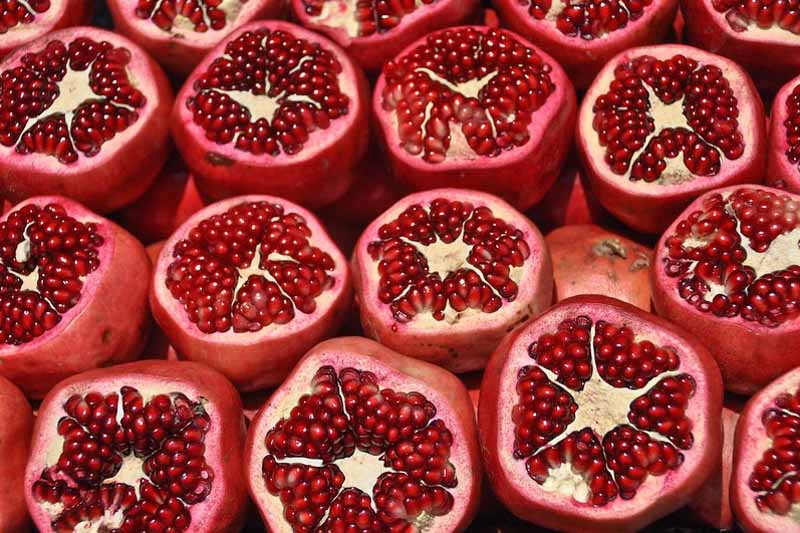
Yes, pomegranate seeds, also called arils, are completely edible. You can enjoy the juicy outer layer along with the crunchy inner seed. They are packed with antioxidants, fiber, and vitamins, making them a nutritious and delicious snack or ingredient.
Absolutely! Pomegranate juice is rich in antioxidants, particularly punicalagins and anthocyanins, which help protect cells from damage. Drinking pomegranate juice may support heart health, reduce inflammation, and boost immunity. Choose 100% pure juice without added sugars for the best benefits.
To peel a pomegranate, start by cutting off the crown and scoring the skin from top to bottom into sections. Gently pull apart the sections and remove the arils. Doing this underwater can help minimize juice splatter and make it easier to separate the seeds from the pith.
In the Northern Hemisphere, pomegranate season runs from September through January, with peak availability in October and November. Thanks to their long shelf life, you can often find fresh pomegranates well into the winter months.
A ripe pomegranate feels heavy for its size, has firm, taut skin, and may show slight natural cracking around the crown. The color should be rich and deep, ranging from vibrant red to reddish-brown depending on the variety.
| Hardiness |
7 - 10 |
|---|---|
| Heat Zones |
1 - 12 |
| Climate Zones | 5, 6, 7, 8, 9, 10, 11, 12, 13, 14, 15, 16, 17, 18, 19, 20, 21, 22, 23, 24, H1, H2 |
| Plant Type | Fruits, Shrubs, Trees |
| Plant Family | Lythraceae |
| Genus | Punica |
| Common names | Pomegranate |
| Exposure | Full Sun |
| Season of Interest | Spring (Late), Summer (Early), Fall |
| Height | 6' - 20' (180cm - 6.1m) |
| Spread | 4' - 15' (120cm - 4.6m) |
| Maintenance | Average |
| Water Needs | Low, Average |
| Soil Type | Chalk, Loam, Sand |
| Soil pH | Acid, Alkaline, Neutral |
| Soil Drainage | Well-Drained |
| Characteristics | Showy, Fruit & Berries |
| Tolerances | Drought, Heat |
| Attracts | Birds, Bees, Hummingbirds |
| Garden Uses | Beds And Borders, Hedges And Screens, Patio And Containers, Wall-Side Borders |
| Garden Styles | City and Courtyard, Mediterranean Garden |
| Toxic to Humans | No known toxicity |
| Toxic to Cats | No known toxicity |
| Toxic to Dogs | No known toxicity |
| Toxic to Horses | No known toxicity |


| Hardiness |
7 - 10 |
|---|---|
| Heat Zones |
1 - 12 |
| Climate Zones | 5, 6, 7, 8, 9, 10, 11, 12, 13, 14, 15, 16, 17, 18, 19, 20, 21, 22, 23, 24, H1, H2 |
| Plant Type | Fruits, Shrubs, Trees |
| Plant Family | Lythraceae |
| Genus | Punica |
| Common names | Pomegranate |
| Exposure | Full Sun |
| Season of Interest | Spring (Late), Summer (Early), Fall |
| Height | 6' - 20' (180cm - 6.1m) |
| Spread | 4' - 15' (120cm - 4.6m) |
| Maintenance | Average |
| Water Needs | Low, Average |
| Soil Type | Chalk, Loam, Sand |
| Soil pH | Acid, Alkaline, Neutral |
| Soil Drainage | Well-Drained |
| Characteristics | Showy, Fruit & Berries |
| Tolerances | Drought, Heat |
| Attracts | Birds, Bees, Hummingbirds |
| Garden Uses | Beds And Borders, Hedges And Screens, Patio And Containers, Wall-Side Borders |
| Garden Styles | City and Courtyard, Mediterranean Garden |
| Toxic to Humans | No known toxicity |
| Toxic to Cats | No known toxicity |
| Toxic to Dogs | No known toxicity |
| Toxic to Horses | No known toxicity |
How many Punica granatum (Pomegranate) do I need for my garden?
| Plant | Quantity | |
|---|---|---|
| Punica granatum (Pomegranate) | N/A | Buy Plants |
Create a membership account to save your garden designs and to view them on any device.
Becoming a contributing member of Gardenia is easy and can be done in just a few minutes. If you provide us with your name, email address and the payment of a modest $25 annual membership fee, you will become a full member, enabling you to design and save up to 25 of your garden design ideas.
Join now and start creating your dream garden!
Create a membership account to save your garden designs and to view them on any device.
Becoming a contributing member of Gardenia is easy and can be done in just a few minutes. If you provide us with your name, email address and the payment of a modest $25 annual membership fee, you will become a full member, enabling you to design and save up to 25 of your garden design ideas.
Join now and start creating your dream garden!