Mexican Orange Blossom, Mexican Orange Flower, Mexican Orange, Choisya grandiflora

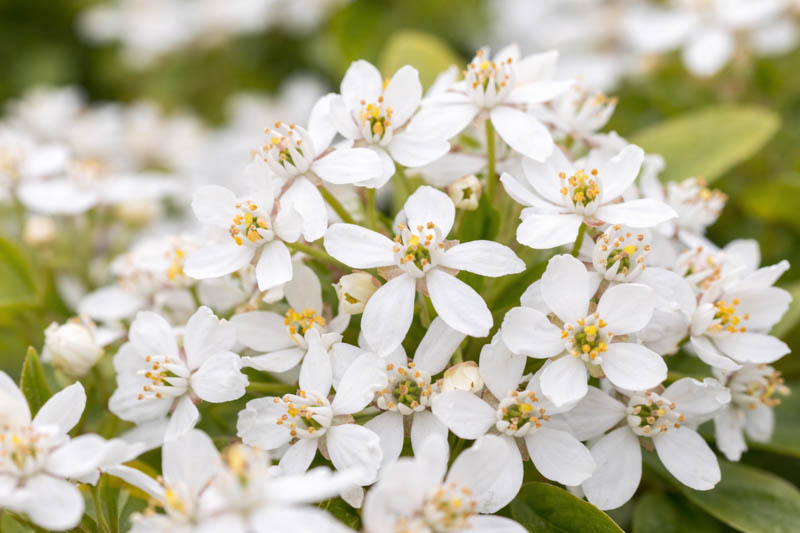
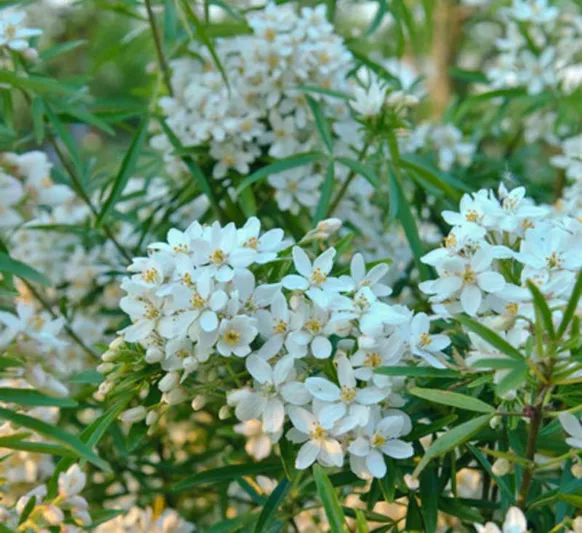
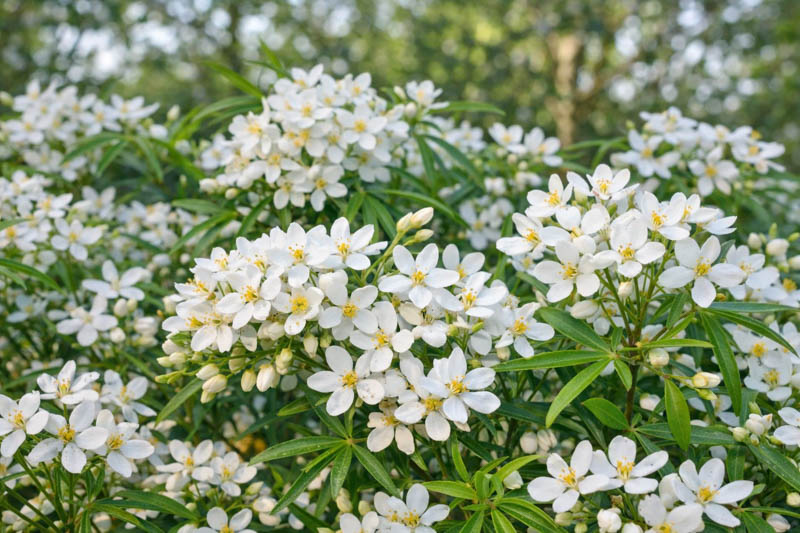
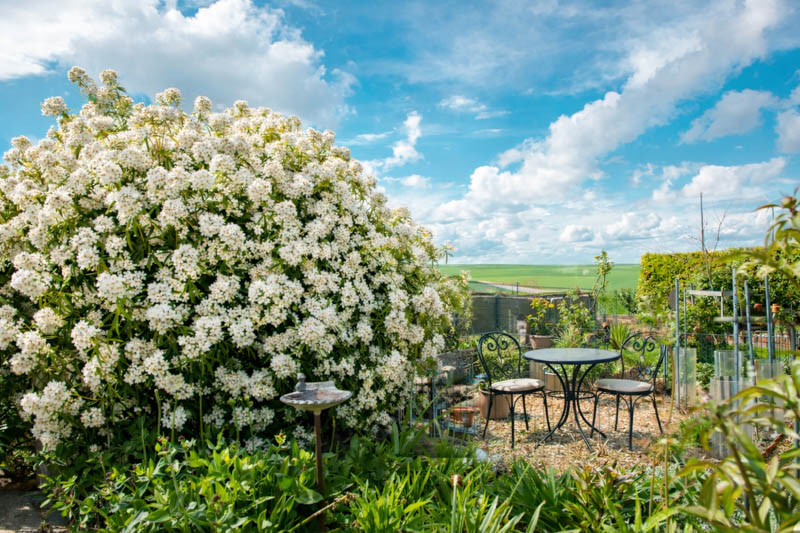
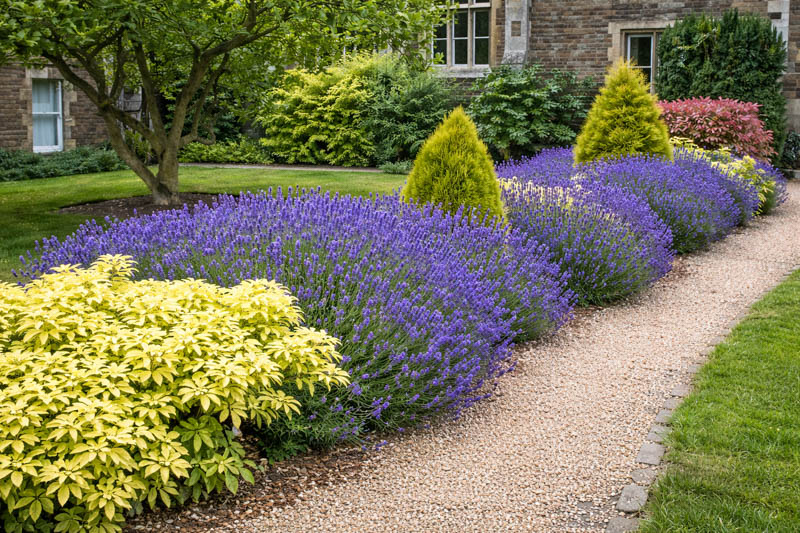


Choisya ternata, widely known as Mexican Orange Blossom, is a handsome, rounded, evergreen shrub loved for its glossy aromatic foliage and clouds of sweetly scented white flowers. Native to the southwestern U.S. and Mexico, this shrub brings the look and scent of citrus blossoms into the garden without the fuss of growing actual citrus trees.
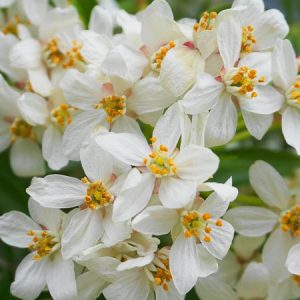
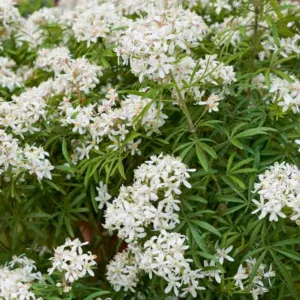
From late spring to early summer, and often again in late summer or fall, clusters of star-shaped, pure white flowers smother the shrub. Each bloom is rich in nectar, attracting bees and butterflies while filling the air with a divine orange blossom fragrance. Its dense, medium green foliage, composed of three glossy leaflets, stays attractive all year and releases a pleasant citrusy scent when brushed or crushed. Tough, drought tolerant, and rabbit resistant, Choisya ternata is a go-to choice for low-maintenance, fragrant, evergreen structure in modern and classic gardens alike.
Summary: An evergreen, rounded shrub with aromatic, glossy trifoliate leaves and profuse, fragrant, star-shaped white flowers from late spring, with repeat blooming in summer and fall.
Use: Hedges, shrub borders, wall-side borders, city gardens, coastal gardens, containers (in colder zones, overwinter containers indoors).
Highlight: Combines year-round structure with citrus-like fragrance and excellent drought tolerance once established.
Note: Prefers full sun in cooler climates and sun to light shade in hotter regions, in fertile, well-drained soil, with shelter from cold winter winds.
| Botanical Name | Choisya ternata |
|---|---|
| Family | Rutaceae (Citrus family) |
| Common Names | Mexican Orange Blossom, Mexican Orange, Mexican Orange Flower |
| Native Range | Southwestern United States and Mexico – rocky slopes, well-drained hillsides, and sunny, sheltered sites. |
| Plant Type and Habit | Broadleaf evergreen shrub; dense, rounded, bushy habit with aromatic, trifoliate foliage. |
| Hardiness (approx. USDA) | Typically hardy in USDA Zones 7 to 10 (often listed as 8 to 10 in colder regions where extra shelter is needed). |
| Size | Grows into a medium-sized shrub 4-8 ft. tall and 4-8 ft. wide (120-240 cm), forming a full, rounded dome. |
| Sun and Exposure | Best in full sun with shelter from cold winds; tolerates light or dappled shade in hotter climates. |
| Soil | Fertile, humus-rich, well-drained soils; dislikes waterlogged conditions but tolerates slightly chalky or sandy substrates once established. |
| Seasonal Interest | Late spring to early summer bloom with possible summer and fall rebloom; evergreen foliage adds year-round structure and fragrance. |
| Primary Uses | Fragrant hedges, mixed shrub borders, wall-side borders, city gardens, courtyard plantings, containers, drought-tolerant designs. |
Choisya ternata is a dense, rounded, broadleaf evergreen shrub with glossy, aromatic leaves divided into three leaflets, which explains the epithet “ternata”. When crushed, the leaves release a citrusy fragrance that hints at its membership in the citrus family. The shrub forms a full, domed shape that is naturally tidy and rarely needs heavy pruning.
The genus name Choisya honors Swiss Protestant clergyman and botanist Jacques Denis Choisy, while the species name ternata refers to the leaves bearing leaflets in threes. Its common name, Mexican Orange Blossom, comes from the intense orange-like fragrance released by both the flowers and the crushed foliage.
In late spring, clusters of star-shaped, pure white flowers appear at the ends of the shoots. These blossoms look remarkably like orange tree flowers and share the same sweet, heady perfume. In favorable climates, a second flush of flowers may appear in late summer or early fall, extending the season of fragrance and pollinator interest.
Choisya ternata has received the prestigious Award of Garden Merit from the Royal Horticultural Society, highlighting its ornamental value, reliability, and ease of cultivation.
Mexican Orange Blossom is native to the southwestern United States and Mexico. It is naturally found in areas such as:
This origin explains its excellent performance in warm, dry-summer climates and its need for good drainage and protection from extreme cold.
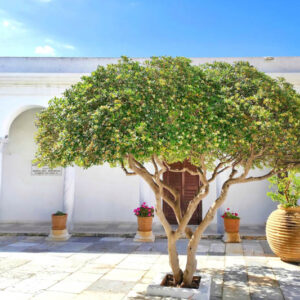
The shrub typically grows 4-8 ft. tall and wide, forming a dense, rounded outline that works beautifully as a freestanding specimen, foundation shrub, or clipped hedge. Young plants often grow at a rapid pace and fill out within a few seasons, then as the plant ages, it settles into a more moderate growth rate that is easy to manage in the landscape.
Late spring to early summer is the main flowering season for Choisya ternata, with clusters of starry white blossoms carried at the tips of the branches. In mild climates and with light pruning after flowering, it often responds with a second, lighter flush of blooms in late summer or fall. The flowers are rich in nectar and strongly fragrant, making them magnets for bees and butterflies and a delight around seating areas.
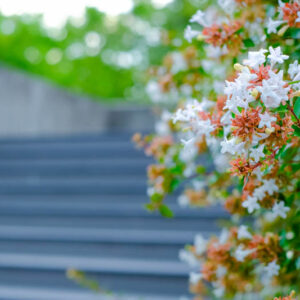
After flowering, small brown to copper-colored capsules may develop. These fruits are typically divided into several sections, but they are modest in appearance and are not considered a major ornamental feature compared to the showy white blooms and evergreen foliage.
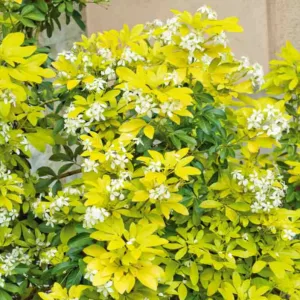
The evergreen foliage is one of the plant’s biggest assets. The leaves are glossy, medium green, and trifoliate, providing a fine yet substantial texture that pairs well with bolder or larger-leaved shrubs. Because it holds leaves year-round, Mexican Orange Blossom provides permanent structure, screening, and background greenery even when the rest of the garden is dormant.
In winter, the dense foliage helps anchor planting schemes and soften hard surfaces such as walls, fences, and driveways. In spring and summer, that same foliage becomes a lush backdrop for the dazzling white flowers.
Choisya ternata is generally hardy in USDA Zones 7 to 10, though in colder Zone 7 gardens it performs best in a very sheltered, south-facing position. Prolonged or severe freezes can damage the foliage and stems, so a protected microclimate is ideal in cooler regions. In regions colder than Zone 7, it is best grown in containers and moved indoors or under cover when temperatures drop below about 14°F (-10°C). Exposure to prolonged cold near 5°F (-15°C) can cause significant defoliation, although healthy plants may resprout from undamaged wood once conditions improve. Best Drought-Tolerant Plants for Zone 8 Gardens
The flowers of Mexican Orange Blossom are rich in nectar and pleasantly scented, attracting a variety of pollinators, especially bees and butterflies. While it is not a native plant in many regions where it is grown, it still offers seasonal wildlife support through its blooms and dense shelter within the foliage.
Choisya ternata is often listed as rabbit-resistant , making it especially useful in gardens where rabbits are a persistent problem. For more rabbit-resistant options, explore plants that repel rabbits. Deer may occasionally sample new growth, but the aromatic foliage is usually not a preferred food source.
Once established in well-drained soil, Mexican Orange Blossom is impressively drought-tolerant. It appreciates occasional deep watering in extremely dry weather, but it is far from a thirsty shrub. It is an excellent choice if you are building a low-water planting scheme or looking for shrubs that bloom big with little water.
Choisya ternata belongs to the citrus family, and like many ornamental shrubs, it can cause mild stomach upset if ingested and may irritate sensitive skin. It is generally grown as an ornamental shrub rather than a culinary plant. Encourage children and pets not to chew on the foliage, and wear gloves if your skin is easily irritated.
Mexican Orange Blossom is not considered invasive. It forms a contained, rounded shrub and does not spread aggressively by suckers or seed in most garden settings.
Apply a slow-release shrub fertilizer or a generous layer of compost in early spring. This light annual feeding is usually enough to keep foliage glossy and flowering generous without forcing overly soft growth.
Mexican Orange Blossom is generally virtually disease and pest free. Occasional issues may include:
Choisya ternata is also noted for its good resistance to honey fungus, making it a reliable evergreen choice in established gardens where this disease can trouble other shrubs.
Yes. Choisya ternata, or Mexican Orange Blossom, is a broadleaf evergreen shrub. It keeps its glossy, aromatic leaves year-round, providing permanent structure, screening, and background foliage even when herbaceous perennials and deciduous shrubs are dormant.
A mature Choisya ternata typically reaches 4-8 feet tall and 4-8 feet wide, forming a dense, rounded mound. In good conditions and with minimal pruning, it quickly fills into a full shrub that is ideal for hedging, screening, or acting as an evergreen anchor in mixed borders.
Mexican Orange Blossom prefers full sun in cooler climates and sun with some light shade in hotter regions. It thrives in fertile, humus-rich, well-drained soils and benefits from a sheltered position protected from cold winter winds. Good drainage is essential to prevent root and crown rot.
Choisya ternata is typically hardy in USDA Zones 7 to 10. In the colder parts of Zone 7 it needs a very sheltered, south-facing spot. In colder climates, it is best treated as a container plant that can be moved into a frost-free location for winter protection.
Once established, Mexican Orange Blossom is moderately to highly drought tolerant. It performs well in low-water gardens when planted in well-drained soil and given occasional deep watering during extended dry periods. It is often recommended in lists of drought-tolerant shrubs for Mediterranean and dry-summer climates.
Choisya ternata is widely regarded as rabbit resistant, likely due to its aromatic foliage. Deer may sample new growth where browsing pressure is heavy, but it is generally not a top-choice food for deer. For tough, rabbit-resistant options, resources on plants that repel rabbits often include Choisya.
The best time to prune Mexican Orange Blossom is immediately after the main flush of flowers in late spring or early summer. Lightly trim back the flowering stems to maintain shape and encourage new growth, which may rebloom later in the season. Avoid hard pruning in late summer or fall, which can reduce flowering and expose new growth to winter damage.
Yes. The star-shaped white flowers of Choisya ternata are rich in nectar and strongly fragrant, attracting bees and butterflies. When planted near patios or paths, it offers both wildlife value and sensory enjoyment, making it a good choice for pollinator-friendly, low-maintenance landscapes.
Mexican Orange Blossom grows well in large containers filled with high-quality, well-drained potting mix. Container culture is especially useful in colder climates, where the plant can be moved to a sheltered or frost-free location in winter. Regular watering and occasional feeding keep container-grown plants compact, bushy, and floriferous.
No. Choisya ternata is not considered invasive. It forms a contained, rounded shrub and does not spread aggressively by suckers or seed under normal garden conditions. Its tidy habit and moderate growth rate make it easy to integrate into designed landscapes without fear of it taking over.
Oregon State University Landscape Plants Database – Choisya ternata
Wikipedia – Choisya and Choisya ternata background and general information
Updated: December 2025 • Reviewed by Gardenia Editors
| Hardiness |
7 - 10 |
|---|---|
| Heat Zones |
8 - 10 |
| Climate Zones | 6, 7, 8, 9, 14, 15, 16, 17, 18, 19, 20, 21, 22, 23, 24 |
| Plant Type | Shrubs |
| Plant Family | Rutaceae |
| Genus | Choisya |
| Exposure | Full Sun |
| Season of Interest | Spring (Late), Summer (Early, Mid, Late), Fall |
| Height | 4' - 8' (120cm - 240cm) |
| Spread | 4' - 8' (120cm - 240cm) |
| Maintenance | Low |
| Water Needs | Average |
| Soil Type | Chalk, Clay, Loam, Sand |
| Soil pH | Acid, Alkaline, Neutral |
| Soil Drainage | Well-Drained |
| Characteristics | Fragrant, Plant of Merit, Showy, Evergreen |
| Native Plants | United States, Southwest, Texas, Arizona, New Mexico |
| Tolerances | Drought, Rabbit, Heat |
| Attracts | Bees, Butterflies |
| Garden Uses | Hedges And Screens, Patio And Containers, Wall-Side Borders |
| Garden Styles | City and Courtyard, Coastal Garden, Mediterranean Garden |
| Toxic to Humans | No known toxicity |
| Toxic to Cats | No known toxicity |
| Toxic to Dogs | No known toxicity |
| Toxic to Horses | No known toxicity |


| Hardiness |
7 - 10 |
|---|---|
| Heat Zones |
8 - 10 |
| Climate Zones | 6, 7, 8, 9, 14, 15, 16, 17, 18, 19, 20, 21, 22, 23, 24 |
| Plant Type | Shrubs |
| Plant Family | Rutaceae |
| Genus | Choisya |
| Exposure | Full Sun |
| Season of Interest | Spring (Late), Summer (Early, Mid, Late), Fall |
| Height | 4' - 8' (120cm - 240cm) |
| Spread | 4' - 8' (120cm - 240cm) |
| Maintenance | Low |
| Water Needs | Average |
| Soil Type | Chalk, Clay, Loam, Sand |
| Soil pH | Acid, Alkaline, Neutral |
| Soil Drainage | Well-Drained |
| Characteristics | Fragrant, Plant of Merit, Showy, Evergreen |
| Native Plants | United States, Southwest, Texas, Arizona, New Mexico |
| Tolerances | Drought, Rabbit, Heat |
| Attracts | Bees, Butterflies |
| Garden Uses | Hedges And Screens, Patio And Containers, Wall-Side Borders |
| Garden Styles | City and Courtyard, Coastal Garden, Mediterranean Garden |
| Toxic to Humans | No known toxicity |
| Toxic to Cats | No known toxicity |
| Toxic to Dogs | No known toxicity |
| Toxic to Horses | No known toxicity |
How many Choisya ternata (Mexican Orange Blossom) do I need for my garden?
| Plant | Quantity | |
|---|---|---|
| Choisya ternata (Mexican Orange Blossom) | N/A | Buy Plants |
Create a membership account to save your garden designs and to view them on any device.
Becoming a contributing member of Gardenia is easy and can be done in just a few minutes. If you provide us with your name, email address and the payment of a modest $25 annual membership fee, you will become a full member, enabling you to design and save up to 25 of your garden design ideas.
Join now and start creating your dream garden!
Create a membership account to save your garden designs and to view them on any device.
Becoming a contributing member of Gardenia is easy and can be done in just a few minutes. If you provide us with your name, email address and the payment of a modest $25 annual membership fee, you will become a full member, enabling you to design and save up to 25 of your garden design ideas.
Join now and start creating your dream garden!