Lavender Cotton, Cotton Lavender, Gray Santolina, Grey Santolina, Ground Cypress, French Lavender, Santolina Grey, Santolina incana, Chamaecyparissus africanus
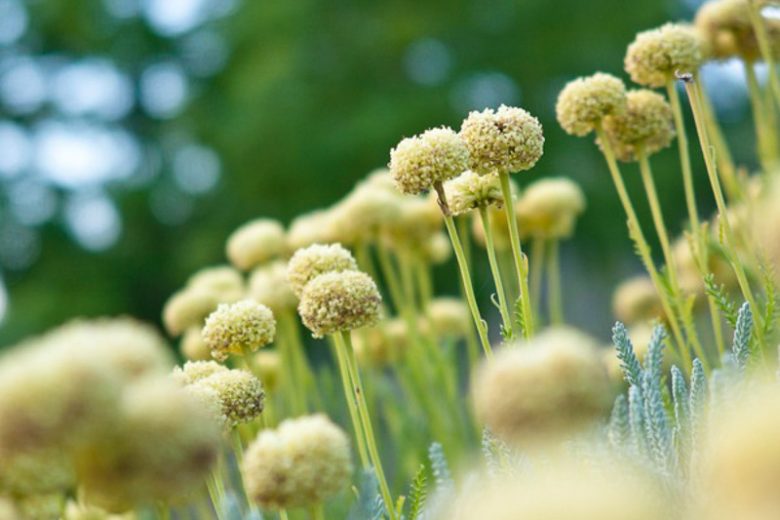
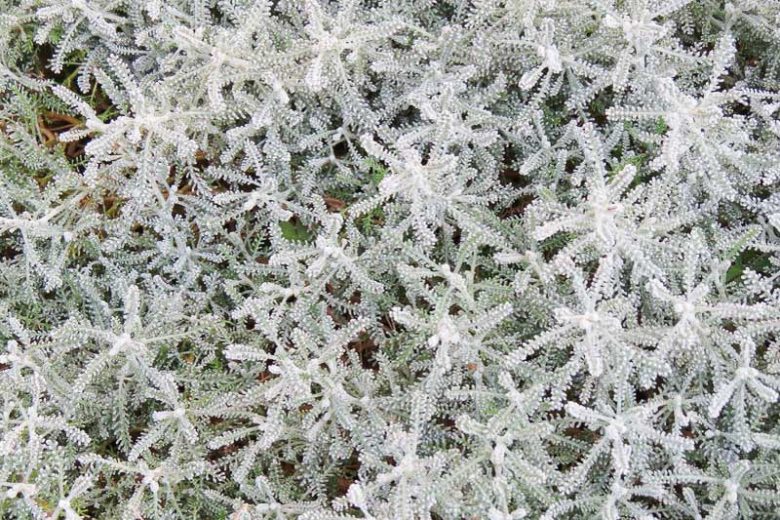
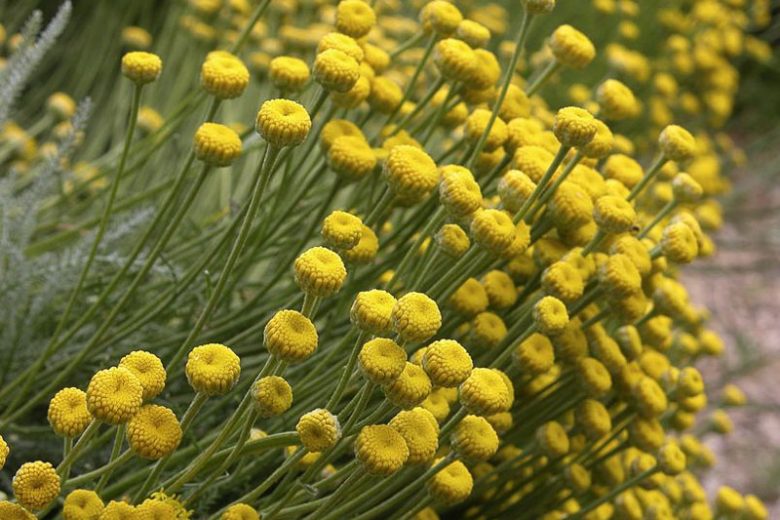
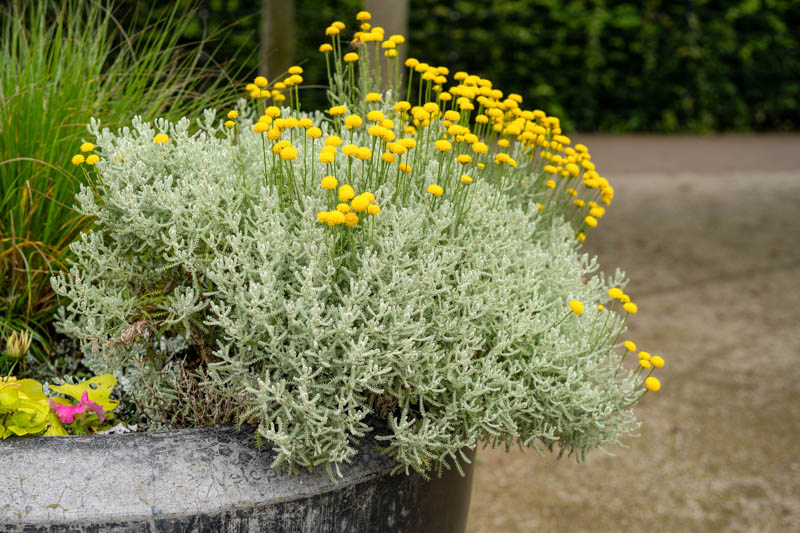
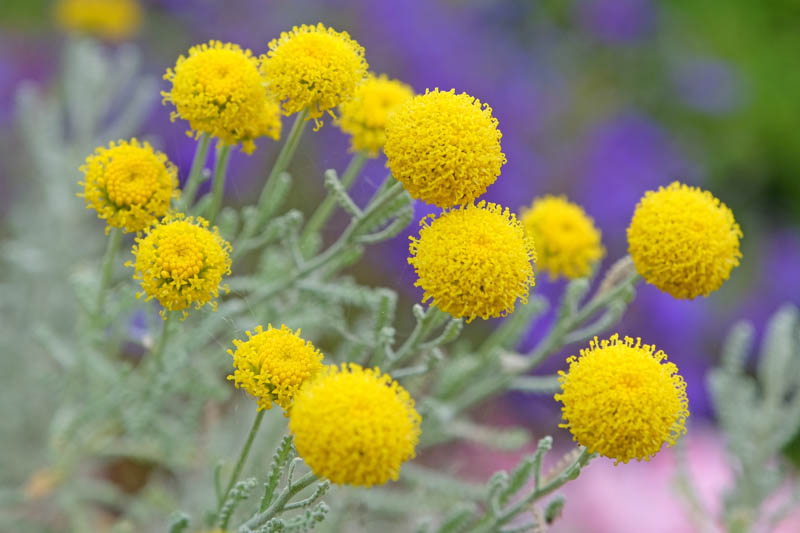
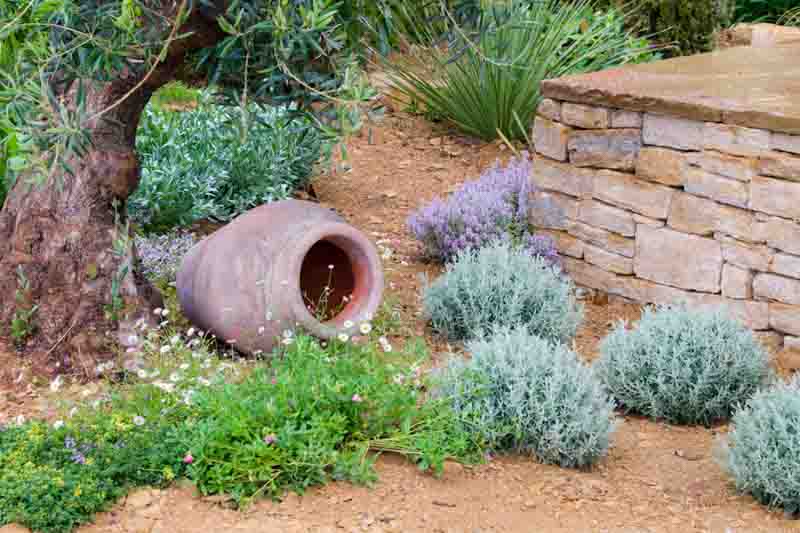


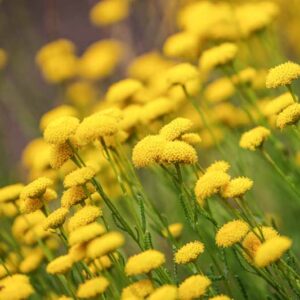
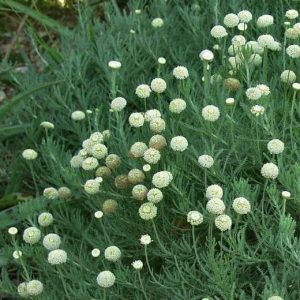
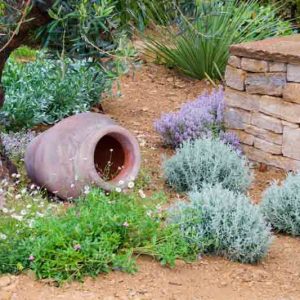
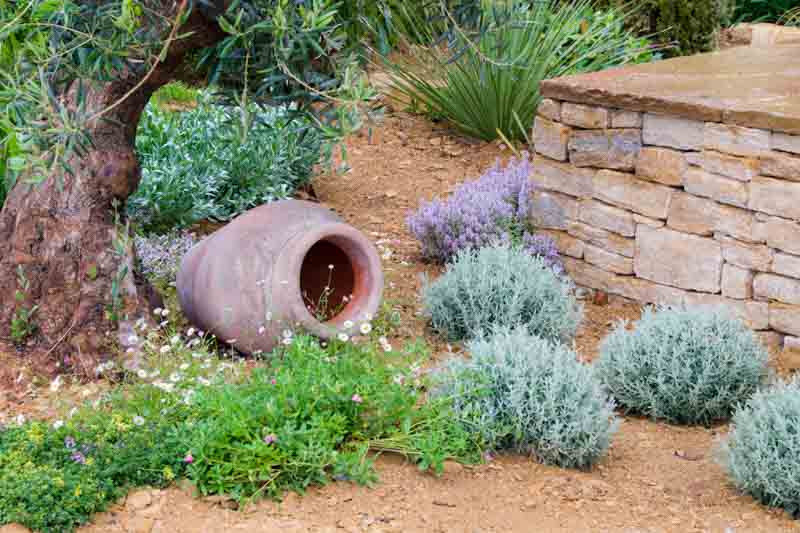
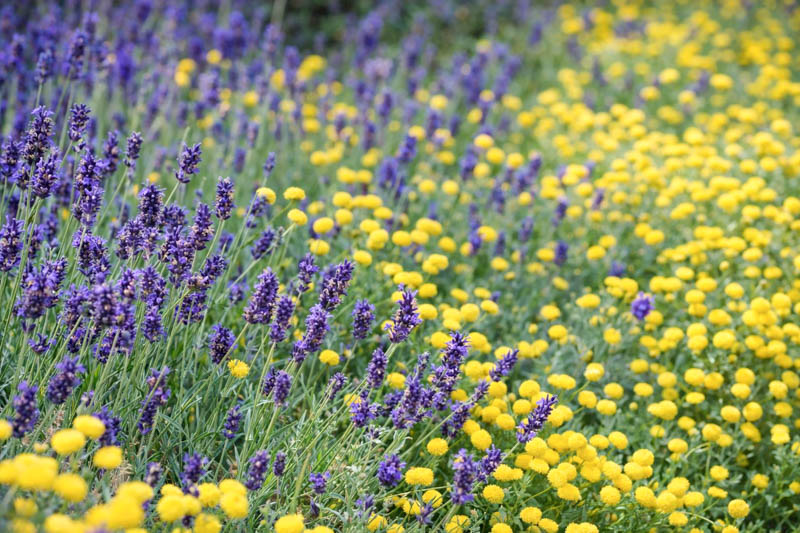
If you’ve ever walked through a Mediterranean garden and spotted a compact, silvery shrub that looks like a soft, rounded cushion, shimmering in sunlight and releasing a subtle herbal fragrance, you were probably admiring Santolina chamaecyparissus, often known as Lavender Cotton. This charming evergreen shrub is adored for its finely divided, silver-gray foliage, spicy fragrance, and exceptional drought tolerance. Its foliage remains beautiful year-round, and in midsummer, the plant erupts into cheery yellow, button-like flowers that rise above the silvery mounds, creating a delightful contrast.
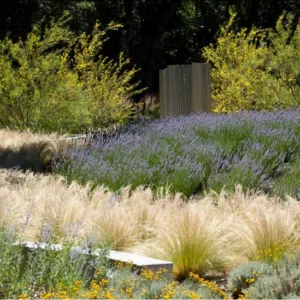
Santolina chamaecyparissus thrives in full sun and sharply drained, poor, dry to medium soils, making it a standout performer for hot, exposed locations. Once established, it is drought tolerant, deer resistant, rabbit resistant, and remarkably easygoing. Whether used in gravel gardens, edging, knot gardens, borders, rockeries, coastal landscapes, or Mediterranean designs, this shrub brings brightness, structure, and silvery elegance to any planting scheme.
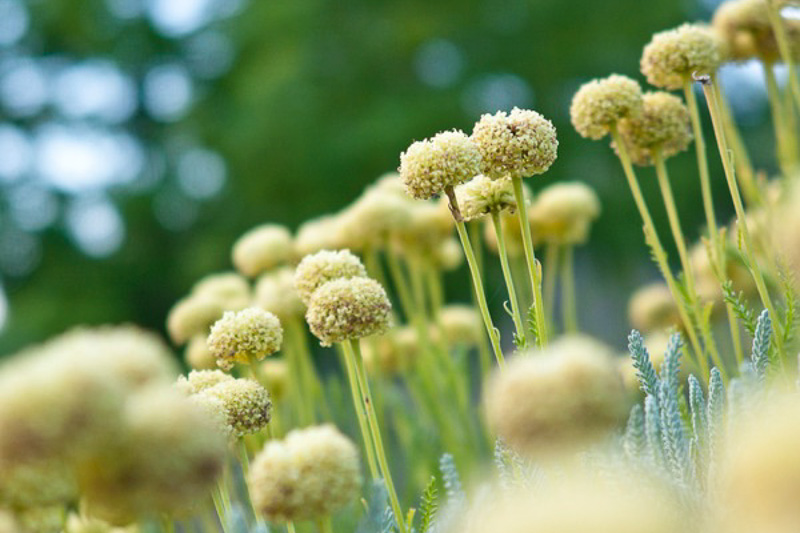
Summary: A compact, evergreen Mediterranean shrub with silvery, aromatic foliage and bright yellow summer button flowers.
Use: Borders, edgings, gravel gardens, knot gardens, xeriscapes, containers, coastal landscapes.
Highlight: Drought tolerant, evergreen, deer and rabbit resistant, and thrives in poor soils.
Note: Requires excellent drainage and periodic trimming to maintain density.
| Botanical Name | Santolina chamaecyparissus |
|---|---|
| Family | Asteraceae |
| Common Names | Lavender Cotton, Gray Santolina, Cotton Lavender |
| Native Range | Western and central Mediterranean region |
| Plant Type and Habit | Evergreen subshrub forming dense, rounded mounds of aromatic foliage. |
| Hardiness (approx. USDA) | Zones 6 to 9 |
| Size | Up to 24 in. tall (60 cm) and 36 in. wide (90 cm) |
| Sun and Exposure | Full sun for best density and color |
| Soil | Dry to medium, lean, well-drained soil; avoid wet or rich soils. |
| Seasonal Interest | Evergreen foliage, summer yellow flowers |
| Primary Uses | Borders, edging, knot gardens, rock gardens, xeriscapes, containers. |
Santolina chamaecyparissus is a compact, evergreen, aromatic shrub treasured for its silver-gray foliage, dense mounding habit, and cheerful yellow summer blooms. Its finely cut leaves give it a soft, cloud-like texture, and when brushed, they release a pleasant herbal scent. In summer, the plant sends up round, golden, button-like flowerheads that hover above the cushion-like foliage.
This species is beloved in traditional Mediterranean landscapes, knot gardens, and low-water designs thanks to its ability to thrive in heat, sun, drought, and poor soil.
Native to the western and central Mediterranean basin, including regions of Spain, France, Italy, and North Africa, this species evolved in rocky, dry, nutrient-poor terrain, traits reflected in its modern garden performance.
Lavender Cotton forms broad, dense, rounded mounds up to 24 inches tall and 36 inches wide. Without pruning, the center may become woody, so trimming after flowering keeps the plant attractive and full. Growth is moderate, and plants often live many years with proper drainage and annual shaping.
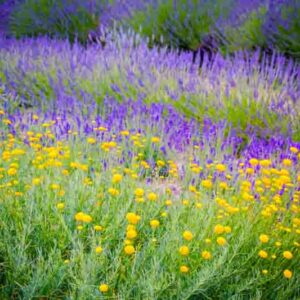
Summer brings a display of small, bright yellow, button-like flowers held on slender stems above the foliage. Though charming, the flowers are not the main attraction. Most gardeners grow Santolina primarily for its gorgeous silvery foliage.
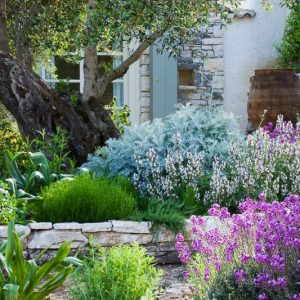
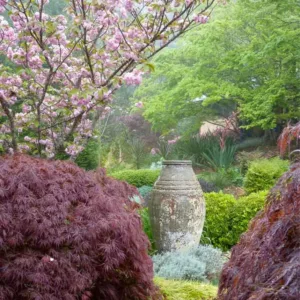
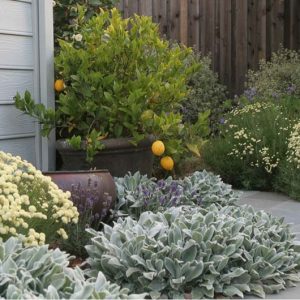
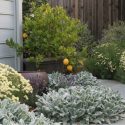
The silvery, aromatic foliage is evergreen and remains beautiful year-round, offering consistent color contrast and structure. It pairs exceptionally well with bold greens, purples, and blues in the garden.
Hardy in USDA Zones 6–9, Santolina handles heat, drought, wind, poor soils, and coastal exposure. In colder climates or wet winters, it may suffer dieback, but usually regenerates in spring.
The aromatic foliage helps repel pests, while offering structure and cover for beneficial insects in dry gardens.
Thanks to its strongly aromatic foliage, Santolina is highly deer-resistant and naturally deters rabbits, making it an excellent choice in wildlife-prone areas. See the Ultimate Guide to Deer-Resistant Plants for more ideas.
Santolina chamaecyparissus is extremely drought tolerant once established. It thrives in harsh, dry conditions and suffers more from excess moisture than from lack of water.
Not considered edible; foliage may be irritating if ingested in large quantities.
Not considered invasive. It stays tidily within its mound unless trimmed to encourage outward growth.
Gardeners value Santolina for its year-round structure, evergreen silver color, aromatic leaves, drought resistance, low maintenance, and wildlife resistance.
Generally pest free; aromatic foliage naturally deters insects.
Yes. Santolina chamaecyparissus is an evergreen shrub that keeps its silvery foliage year-round, even in hot, dry climates.
Lavender Cotton typically grows about 18–24 inches tall and up to 36 inches wide, forming a dense, rounded mound of silver foliage.
Yes. Santolina needs full sun to maintain its compact form and bright silvery color. Too much shade causes it to become loose or woody.
Very. Santolina chamaecyparissus is highly drought tolerant once established and thrives in hot, dry, poor soils with minimal supplemental water.
Santolina requires well-drained, lean soil. Rich or wet soil leads to floppiness, reduced fragrance, and a high risk of root rot.
Prune once a year, usually after flowering, to maintain a dense, rounded shape and prevent the plant from becoming woody at the center.
It repels pests. The aromatic foliage is naturally unappealing to insects, deer, and rabbits, making it an excellent low-maintenance choice.
Yes. It produces small, bright yellow button-like flowers in summer, though it is primarily grown for its beautiful silver foliage.
Updated: December 2025 • Reviewed by Gardenia Editors
| Hardiness |
6 - 9 |
|---|---|
| Heat Zones |
4 - 9 |
| Climate Zones | 2, 3, 4, 5, 6, 7, 8, 9, 10, 11, 12, 13, 14, 15, 16, 17, 18, 19, 20, 21, 22, 23, 24 |
| Plant Type | Shrubs |
| Plant Family | Compositae |
| Genus | Santolina |
| Common names | Lavender Cotton, Santolina |
| Exposure | Full Sun |
| Season of Interest | Spring (Early, Mid, Late), Summer (Early, Mid, Late), Fall |
| Height | 1' - 2' (30cm - 60cm) |
| Spread | 2' - 3' (60cm - 90cm) |
| Spacing | 24" - 36" (60cm - 90cm) |
| Maintenance | Low |
| Water Needs | Low |
| Soil Type | Chalk, Loam, Sand |
| Soil pH | Acid, Alkaline, Neutral |
| Soil Drainage | Moist but Well-Drained, Well-Drained |
| Characteristics | Fragrant, Showy, Evergreen |
| Tolerances | Drought, Deer, Rabbit, Salt, Heat |
| Garden Uses | Beds And Borders, Edging, Hedges And Screens, Patio And Containers |
| Garden Styles | Gravel and Rock Garden, Informal and Cottage, Mediterranean Garden |
| Toxic to Humans | No known toxicity |
| Toxic to Cats | No known toxicity |
| Toxic to Dogs | No known toxicity |
| Toxic to Horses | No known toxicity |


| Hardiness |
6 - 9 |
|---|---|
| Heat Zones |
4 - 9 |
| Climate Zones | 2, 3, 4, 5, 6, 7, 8, 9, 10, 11, 12, 13, 14, 15, 16, 17, 18, 19, 20, 21, 22, 23, 24 |
| Plant Type | Shrubs |
| Plant Family | Compositae |
| Genus | Santolina |
| Common names | Lavender Cotton, Santolina |
| Exposure | Full Sun |
| Season of Interest | Spring (Early, Mid, Late), Summer (Early, Mid, Late), Fall |
| Height | 1' - 2' (30cm - 60cm) |
| Spread | 2' - 3' (60cm - 90cm) |
| Spacing | 24" - 36" (60cm - 90cm) |
| Maintenance | Low |
| Water Needs | Low |
| Soil Type | Chalk, Loam, Sand |
| Soil pH | Acid, Alkaline, Neutral |
| Soil Drainage | Moist but Well-Drained, Well-Drained |
| Characteristics | Fragrant, Showy, Evergreen |
| Tolerances | Drought, Deer, Rabbit, Salt, Heat |
| Garden Uses | Beds And Borders, Edging, Hedges And Screens, Patio And Containers |
| Garden Styles | Gravel and Rock Garden, Informal and Cottage, Mediterranean Garden |
| Toxic to Humans | No known toxicity |
| Toxic to Cats | No known toxicity |
| Toxic to Dogs | No known toxicity |
| Toxic to Horses | No known toxicity |
How many Santolina chamaecyparissus (Lavender Cotton) do I need for my garden?
| Plant | Quantity | |
|---|---|---|
| Santolina chamaecyparissus (Lavender Cotton) | N/A | Buy Plants |
Create a membership account to save your garden designs and to view them on any device.
Becoming a contributing member of Gardenia is easy and can be done in just a few minutes. If you provide us with your name, email address and the payment of a modest $25 annual membership fee, you will become a full member, enabling you to design and save up to 25 of your garden design ideas.
Join now and start creating your dream garden!
Create a membership account to save your garden designs and to view them on any device.
Becoming a contributing member of Gardenia is easy and can be done in just a few minutes. If you provide us with your name, email address and the payment of a modest $25 annual membership fee, you will become a full member, enabling you to design and save up to 25 of your garden design ideas.
Join now and start creating your dream garden!