European Smoketree, Eurasian Smoketree, Smoke Tree, Smoketree, Smoke Bush, Smokebush, Venetian Sumach, Dyer’s Sumach, Young Fustic, Wig Tree.
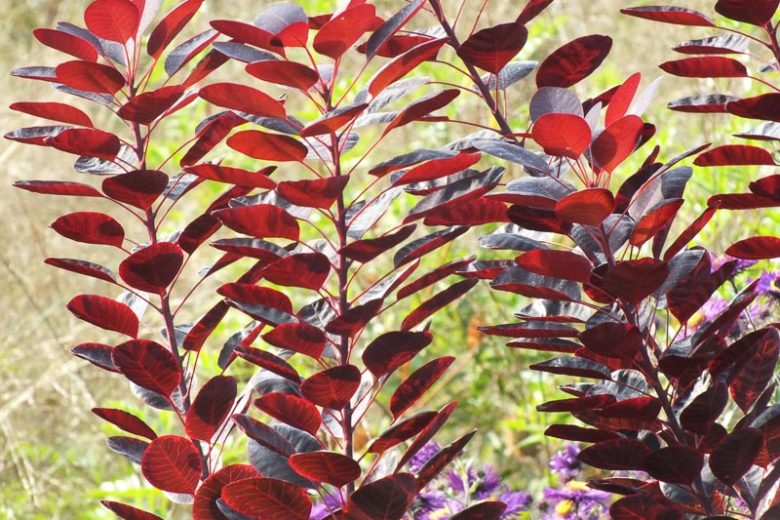
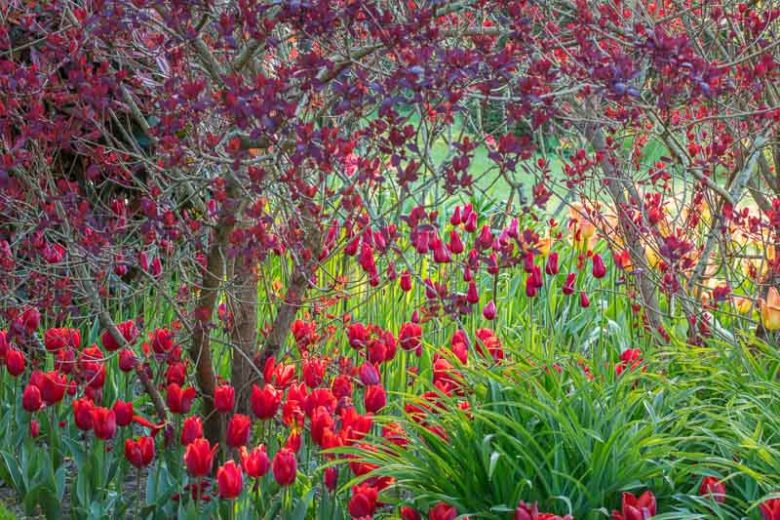
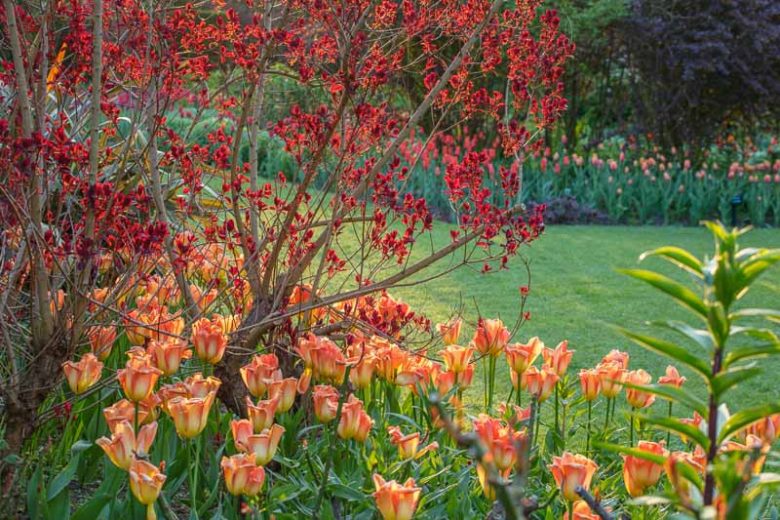
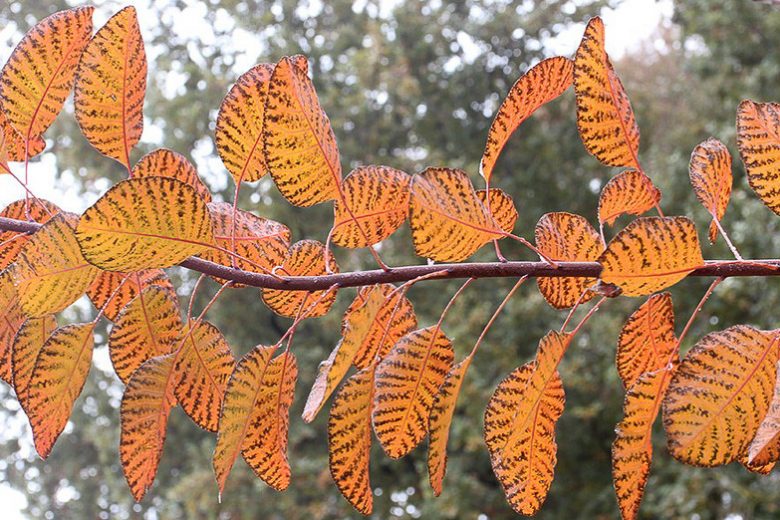
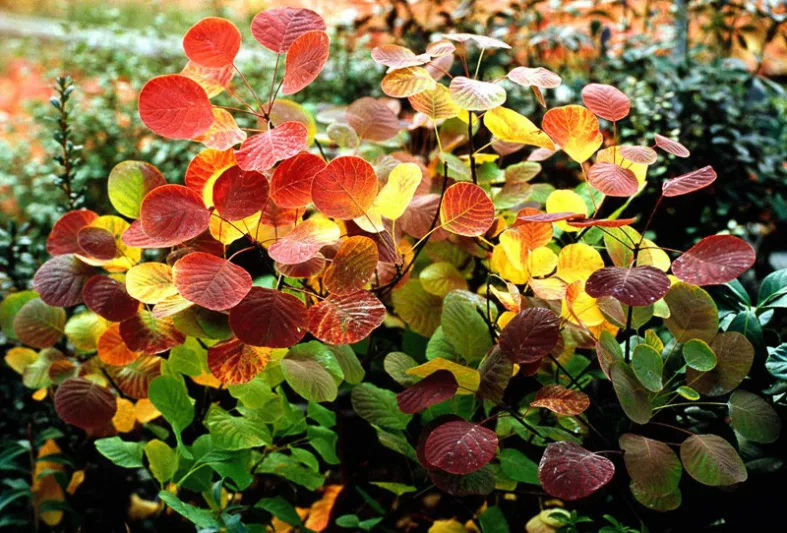
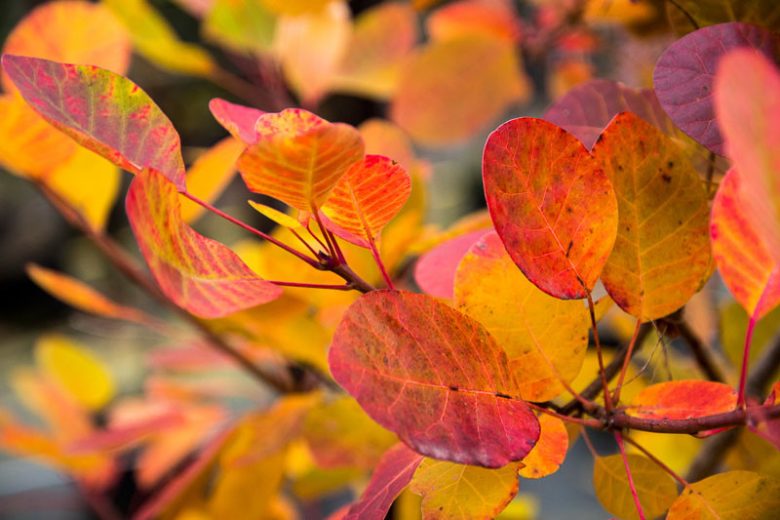
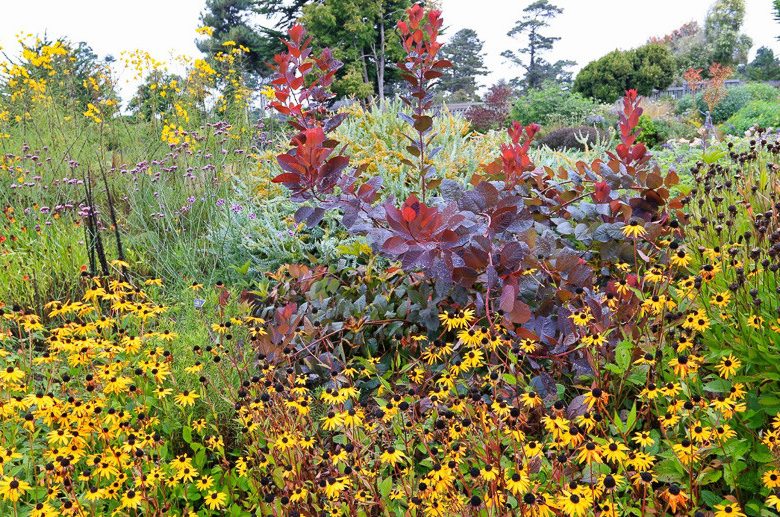


If you’re looking for a shrub that delivers big color, bold texture, and unforgettable summer interest, few plants rival Cotinus coggygria, widely known as Smokebush or Smoke Tree. This dramatic deciduous shrub is famous for its airy, hazy flower plumes that turn into fluffy, smoke-like clouds in late spring and summer, along with foliage that ranges from lime green to deep purple and fiery autumn tones. Whether used as a specimen, hedge, or mass planting, Smoke Tree brings movement, softness, and striking color to almost any sunny landscape.
Smoke Tree produces large, airy clusters of tiny flowers whose hairs elongate into pinkish-purple or yellowish-pink plumes, creating its signature smoky effect. Round, beautifully textured leaves provide contrast—from rich green to dramatic burgundy to glowing gold, depending on the cultivar. Native to portions of southern Europe and central China, Cotinus coggygria is an adaptable, low-maintenance shrub that shines in mixed borders, privacy screens, foundation plantings, modern gardens, and naturalistic landscapes.
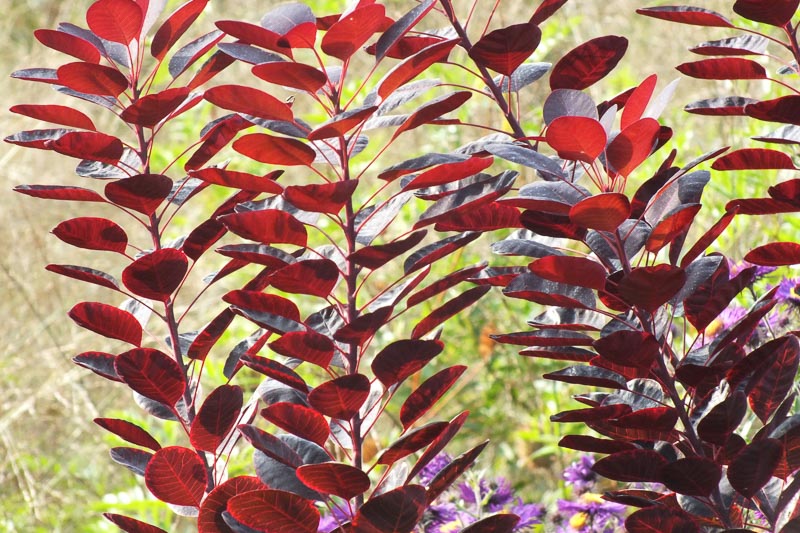
Summary: Upright, open, multi-stemmed deciduous shrub with round, colorful foliage and airy, plume-like flower clusters that create a smoky appearance in summer.
Use: Specimen plant, shrub borders, hedges, privacy screens, foundation plantings, and large mixed borders.
Highlight: Exceptional summer “smoke” effect and spectacular foliage colors, especially purple and golden cultivars.
Note: Thrives in full sun and well-drained soil. Very drought-tolerant once established.
| Botanical Name | Cotinus coggygria |
|---|---|
| Family | Anacardiaceae, the same family as sumac and pistachio. |
| Common Names | Smokebush, Smoke tree, Eurasian Smokebush, Smoke Tree, Smoke Bush |
| Native Range | Native to southern Europe, central China, and the Himalayas. |
| Plant Type and Habit | Deciduous shrub, upright, open, multiple-branched, forming rounded crowns. |
| Hardiness (approx. USDA) | Generally hardy in USDA Zones 4 to 8. |
| Size | Typically 10–15 ft. tall and wide (3–4.5 m). |
| Sun and Exposure | Full sun is essential for best foliage color and smoke production. Purple foliage may turn green in shade. |
| Soil | Tolerates poor, rocky, or average soils as long as they are well-drained. Avoid soggy or wet conditions. |
| Seasonal Interest | Spectacular smoky plumes in summer, colorful foliage from spring through fall, and rich autumn tones. |
| Primary Uses | Specimens, hedges, shrub borders, privacy screens, and mixed borders. Excellent backdrop for perennials. |
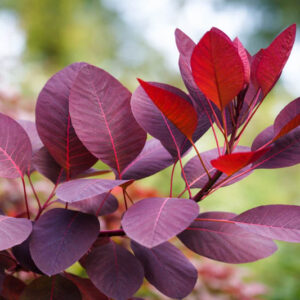
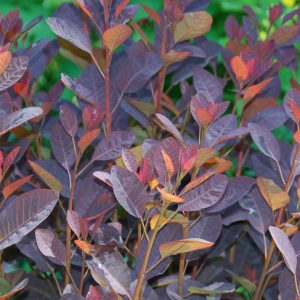
Cotinus coggygria is a multi-stemmed, deciduous shrub known for its round, smooth-textured leaves and dramatically airy flower plumes. The foliage varies by cultivar, ranging from light green to deep purple and vibrant gold. In late spring, the shrub produces panicles of tiny flowers, which soon develop long, feather-like hairs, creating the iconic smoky, cloudlike effect that gives the plant its name.
This plant is treasured in modern and traditional landscapes because it provides both structure and movement. The foliage reads as bold and architectural, while the smoke-like plumes add softness and whimsy. Even when not in bloom, Smoke Tree remains visually compelling.
Cotinus coggygria originates from southern Europe, parts of central China, northern India, and the Himalayas. In its native areas, it often grows on dry, rocky slopes—explaining its tolerance for poor soils and drought once established.
Smoke Tree typically grows 10–15 ft. tall and wide, though some cultivars remain smaller. Its open, airy branching structure allows sunlight to highlight the leaves, and the plant’s growth is moderate to vigorous depending on climate and pruning habits. Hard pruning encourages lush foliage but reduces flowers; minimal pruning results in more smoke-like plumes.
Though the true flowers are tiny and fairly inconspicuous, the elongated hairs on the spent blooms expand dramatically. These plumes appear in late spring and linger into mid-to-late summer, creating the signature “smoke” effect. Depending on cultivar, the plumes range from pinkish-purple to golden-blush.
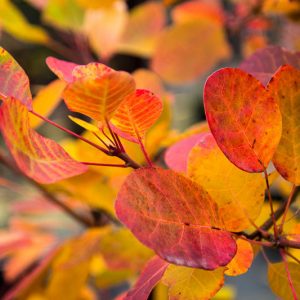
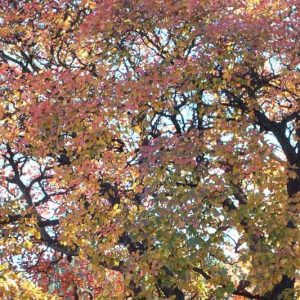
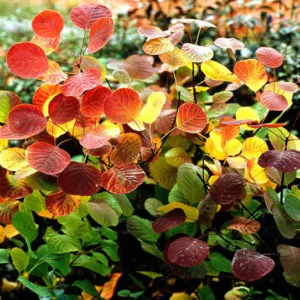
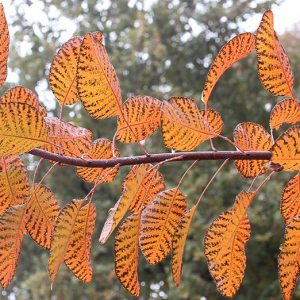
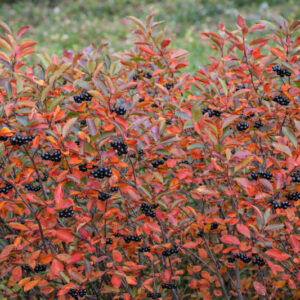
The foliage is one of the Smoke Tree’s strongest features. Varieties span lush green, bronze-purple, burgundy, and chartreuse. In autumn, leaves often turn brilliant peach, orange, red, or gold. Smoke Tree is a powerful four-season shrub: buds in spring, foliage and smoke in summer, fall color, and graceful branching in winter.
Smoke Tree thrives in USDA Zones 4–8. It prefers climates with warm summers and tolerates both humid and dry conditions. In colder climates, some dieback may occur after very harsh winters, but established plants usually rebound vigorously.
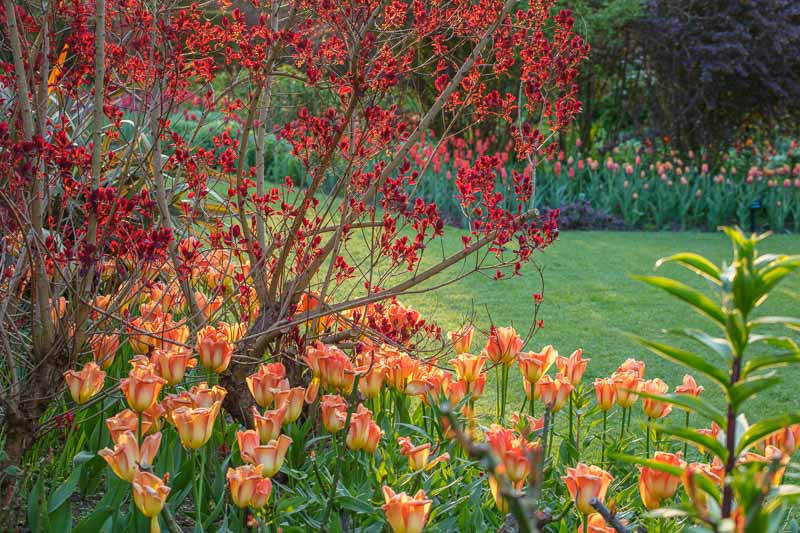
You can use Cotinus coggygria in many ways:
Though not a top wildlife plant, Smoke Tree offers moderate ecological value. Its flowers attract occasional bees, and its structure provides shelter for small birds.
Smoke Tree is widely considered deer resistant. While no plant is completely deer-proof, the foliage is typically unappealing to browsing animals. Rabbits also tend to leave Smoke Tree alone, making it useful in landscapes with heavy browsing pressure.
Once established, Smoke Tree is highly drought tolerant. It thrives in dry, rocky, or low-nutrient soils and struggles only in waterlogged conditions. Poor drainage is the primary threat to long-term health. Need tough, low-water shrubs? Check our guide.
Cotinus coggygria is generally considered non-toxic to humans and pets. However, as with many ornamental shrubs, ingestion should be discouraged, and the sap may irritate sensitive skin. Routine handling is safe for most gardeners.
Smoke Tree is not considered invasive in the United States. It does not aggressively spread by rhizomes or excessive seeding. Cultivars remain well-behaved and easy to maintain within designated planting spaces.
Key reasons to grow Smoke Tree include its:
Smoke Tree prefers:
Smoke Tree is largely pest-free, though occasional issues with aphids or scale may appear. These are typically minor and easily managed with water sprays or horticultural oil.
Potential issues include:
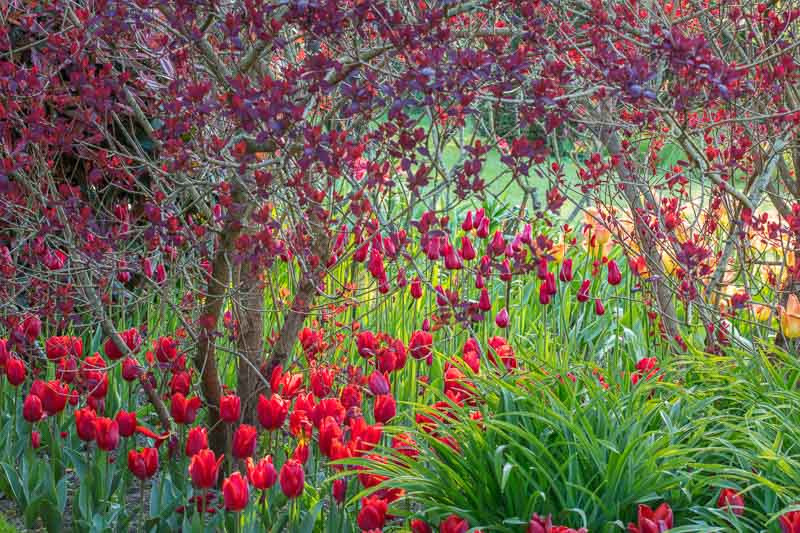
If you love Smoke Tree but want specific sizes or foliage colors, these exceptional cultivars offer reliable performance and stunning style.
Yes. Smokebush is easy to grow as long as it receives full sun and well-drained soil. It tolerates poor, rocky ground and becomes drought-tolerant once established.
The smoky plumes appear only if the shrub flowers. Heavy pruning in late winter or early spring removes flowering wood. Shade can also reduce bloom production.
No. After the first year, Smokebush is highly drought-tolerant. Overwatering or poor drainage can cause root problems.
Most varieties reach 10–15 feet tall and wide. Compact cultivars like ‘Young Lady’ remain much smaller.
Yes. Deer generally avoid Smokebush due to its unpalatable foliage, making it a good choice in deer-prone areas.
Yes. Cutting the shrub back severely promotes lush new foliage but sacrifices flowering. Light pruning preserves the smoke effect.
No. Smokebush is not considered invasive in the United States and typically remains confined to where it is planted.
Depending on cultivar, foliage may be green, gold, burgundy, or deep purple. Plumes range from soft pink to purple.
Botanical sources on Anacardiaceae
Horticultural research on pruning, soil tolerance, and cultivation behavior
Updated: December 2025 • Reviewed by Gardenia Editors
| Hardiness |
4 - 8 |
|---|---|
| Heat Zones |
3 - 9 |
| Climate Zones | 2, 2A, 2B, 3, 3A, 3B, 4, 5, 6, 7, 8, 9, 10, 11, 12, 13, 14, 15, 16, 17, 18, 19, 20, 21, 22, 23, 24 |
| Plant Type | Shrubs, Trees |
| Plant Family | Anacardiaceae |
| Genus | Cotinus |
| Common names | Smoke Tree |
| Exposure | Full Sun, Partial Sun |
| Season of Interest | Spring (Early, Mid, Late), Summer (Early, Mid, Late), Fall |
| Height | 10' - 15' (3m - 4.6m) |
| Spread | 10' - 15' (3m - 4.6m) |
| Spacing | 144" (3.7m) |
| Maintenance | Low |
| Water Needs | Average |
| Soil Type | Chalk, Clay, Loam, Sand |
| Soil pH | Acid, Alkaline, Neutral |
| Soil Drainage | Moist but Well-Drained, Well-Drained |
| Characteristics | Dried Arrangements, Showy |
| Tolerances | Drought, Deer, Clay Soil, Heat, Fire |
| Attracts | Butterflies |
| Garden Uses | Beds And Borders, Hedges And Screens |
| Garden Styles | Informal and Cottage, Prairie and Meadow |
| Toxic to Humans | No known toxicity |
| Toxic to Cats | No known toxicity |
| Toxic to Dogs | No known toxicity |
| Toxic to Horses | No known toxicity |


| Hardiness |
4 - 8 |
|---|---|
| Heat Zones |
3 - 9 |
| Climate Zones | 2, 2A, 2B, 3, 3A, 3B, 4, 5, 6, 7, 8, 9, 10, 11, 12, 13, 14, 15, 16, 17, 18, 19, 20, 21, 22, 23, 24 |
| Plant Type | Shrubs, Trees |
| Plant Family | Anacardiaceae |
| Genus | Cotinus |
| Common names | Smoke Tree |
| Exposure | Full Sun, Partial Sun |
| Season of Interest | Spring (Early, Mid, Late), Summer (Early, Mid, Late), Fall |
| Height | 10' - 15' (3m - 4.6m) |
| Spread | 10' - 15' (3m - 4.6m) |
| Spacing | 144" (3.7m) |
| Maintenance | Low |
| Water Needs | Average |
| Soil Type | Chalk, Clay, Loam, Sand |
| Soil pH | Acid, Alkaline, Neutral |
| Soil Drainage | Moist but Well-Drained, Well-Drained |
| Characteristics | Dried Arrangements, Showy |
| Tolerances | Drought, Deer, Clay Soil, Heat, Fire |
| Attracts | Butterflies |
| Garden Uses | Beds And Borders, Hedges And Screens |
| Garden Styles | Informal and Cottage, Prairie and Meadow |
| Toxic to Humans | No known toxicity |
| Toxic to Cats | No known toxicity |
| Toxic to Dogs | No known toxicity |
| Toxic to Horses | No known toxicity |
How many Cotinus coggygria (Smoke Tree) do I need for my garden?
| Plant | Quantity | |
|---|---|---|
| Cotinus coggygria (Smoke Tree) | N/A | Buy Plants |
Create a membership account to save your garden designs and to view them on any device.
Becoming a contributing member of Gardenia is easy and can be done in just a few minutes. If you provide us with your name, email address and the payment of a modest $25 annual membership fee, you will become a full member, enabling you to design and save up to 25 of your garden design ideas.
Join now and start creating your dream garden!
Create a membership account to save your garden designs and to view them on any device.
Becoming a contributing member of Gardenia is easy and can be done in just a few minutes. If you provide us with your name, email address and the payment of a modest $25 annual membership fee, you will become a full member, enabling you to design and save up to 25 of your garden design ideas.
Join now and start creating your dream garden!