Gardening in Arizona is a thrilling mix of desert heat, monsoon rains, and cool mountain nights. Whether you grow in Phoenix, Tucson, Flagstaff, or high-elevation basins, understanding your USDA zone and frost dates is key. Learn how to choose the best plants, extend your season, and thrive in every Arizona microclimate.
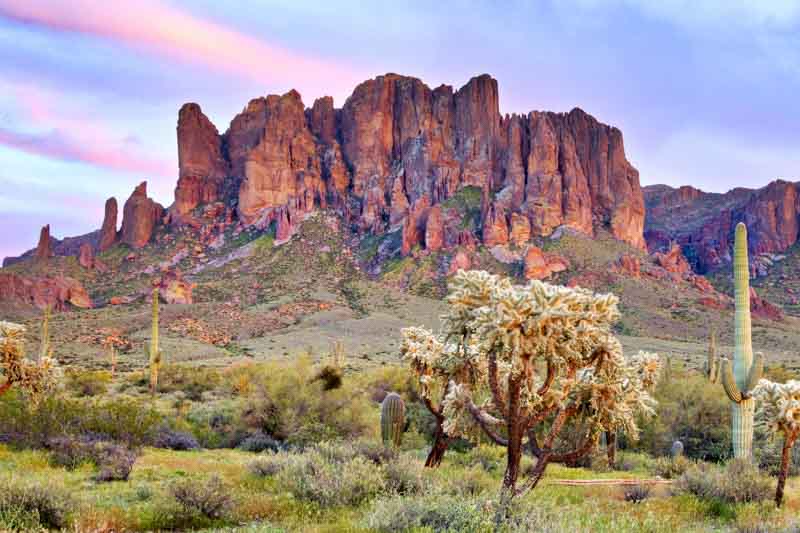


Gardening in Arizona might mean a citrus-filled backyard in Phoenix, a cactus-and-wildflower haven in Tucson, a shaded courtyard in Yuma, a piney veggie patch near Prescott, or a cool, high-country bed outside Flagstaff. Arizona planting zones stretch from chilly, high-elevation plateaus that still flirt with frost in June to ultra-mild low-desert landscapes along the Colorado River where frost is rare.
This guide will help you understand your Arizona growing zone, read the USDA map, plan around frost dates, and choose the best plants for your corner of the Grand Canyon State.
Arizona spans an impressive range of climates—from high plateau forests to sizzling Sonoran Desert basins. On the latest USDA Plant Hardiness Zone Map, Arizona runs roughly from zone 5b to zone 10a, , with most home gardens falling between zones 6a and 10a.. The coldest areas are high-elevation plateaus and mountain towns; the warmest pockets hug the lower Colorado River and low deserts around Yuma and parts of metro Phoenix.
The updated 2023 USDA Plant Hardiness Zone Map is based on 30-year averages of the coldest winter temperatures (1991–2020). In Arizona, it highlights the stark contrast between cool, forested plateaus and mountains in the north and east and the incredibly mild low-desert basins in the south and west.
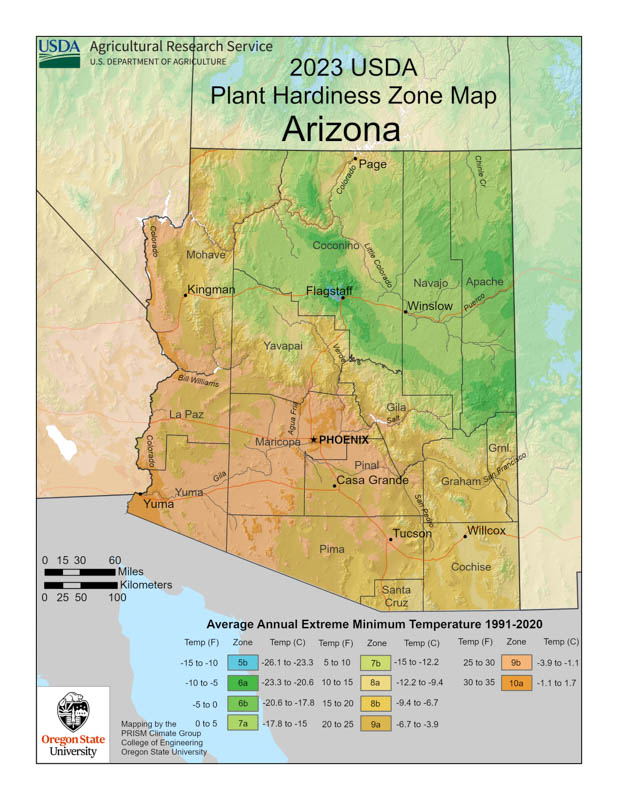
A simplified Arizona planting zone map based on the USDA 2023 Hardiness Zone Map, using 1991–2020 climate data.
Use the zone map together with your ZIP code to pinpoint your exact Arizona garden zone. Look up your Arizona planting zone by ZIP code using the USDA tool, then come back here or visit our Plant Finder for plants tailored to your zone, elevation, and site conditions.
On a map, Arizona might look like a big wedge, but its growing zones and microclimates are wildly varied. Elevation, canyon orientation, reflected heat from rock and stucco, irrigation, and urban “heat islands” can shift conditions by a full zone or more from one neighborhood—or even one yard—to the next.
This region includes Phoenix and much of the Salt River Valley—places like Glendale, Mesa, Chandler, Scottsdale, Goodyear, and surrounding communities. Winters are mild, summers are extremely hot, and the growing season is nearly year-round with smart scheduling.
From Tucson and Oro Valley to Green Valley, Rio Rico, Douglas, and Sierra Vista, southern Arizona combines mild winters with monsoon-cooled summers and dramatic mountain backdrops.
Prescott, Prescott Valley, Payson, Camp Verde, and much of the Verde Valley—including parts of Sedona—enjoy four distinct seasons, cool nights, and reliable summer rains.
Flagstaff, Williams, parts of the White Mountains, and higher elevations of the Colorado Plateau are cool, breezy, and often snowy. Summers are beautiful but short.
Yuma, San Luis, and river communities enjoy some of the mildest winters in the continental U.S. This region is famous for winter vegetables and is a paradise for heat-loving plants—if you can keep them watered.
In Arizona, frost behaves very differently from place to place. In the low desert, you might go years without a hard freeze, while in high-country towns frost can arrive in September and linger into June. Your average last and first frosts determine when you can plant tomatoes, protect citrus, and tuck cool-season crops into fall beds.
Across Arizona, last spring frosts range from January or earlier in the warmest low deserts to early–mid June on high plateaus. First fall frosts may hit northern gardens in late September but may not show up until December (or not at all) in milder southern and western locations.
| Region / City | Average Last Spring Frost | Average First Fall Frost | Approx. Frost-Free Days |
|---|---|---|---|
| Phoenix (Low Desert) | Rare / light frost; if it occurs, typically by early January (around Jan 1–10) | Rare; occasional light frosts can show up in early–mid December (around Dec 11–20) | ~300+ days (effectively year-round, with brief cold snaps) |
| Tucson (Southern Desert) | Late January–Early February (around Feb 7) | Late November–Mid December (around Nov 21–Dec 11) | ~220–260 days |
| Prescott (Central Highlands) | Late April–Mid May (often around May 10-20) | Mid October (around Oct 11–20) | ~150–165 days |
| Sedona / Verde Valley | Early–Late April (around Apr 10–25) | Late October–Early November (around Oct 25–Nov 10) | ~180–210 days |
| Flagstaff (High Plateau) | Late May–Early June (around May 28–Jun 10) | Late September (around Sep 21–30) | ~100–110 days |
| Yuma (Colorado River Valley) | Rare / light frost; if it occurs, usually in early January (around Jan 1–15) | Rare; some years see no measurable frost, others see a brief cool spell in late December | ~320–340 days |
Dates summarized from regional climate data and frost-date tools; always check a local forecast and ZIP-code–based lookup for the most precise information for your garden.
Use these frost dates as flexible guidelines—your own yard may run warmer or cooler depending on elevation, canyon orientation, nearby pavement or rock, irrigation, and urban heat. They’re averages, not guarantees, so keep an eye on the forecast during spring and fall cold snaps, and protect tender plants when temperatures dip toward freezing.
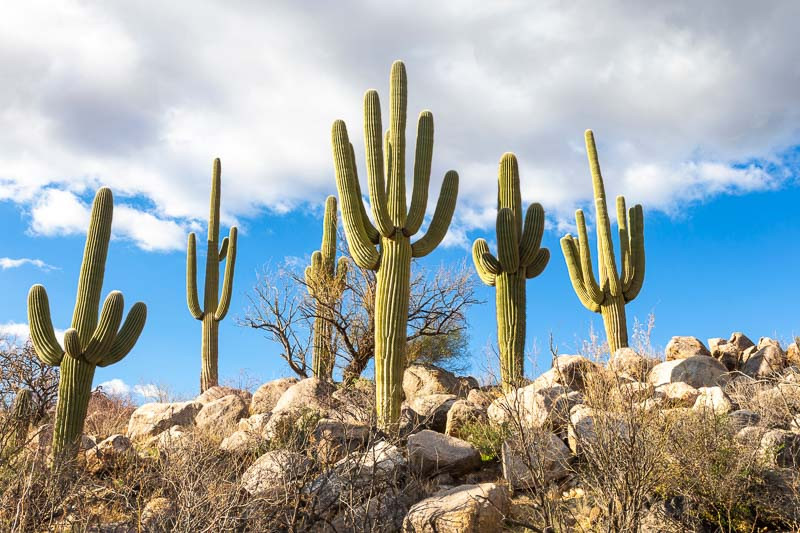
Once you know your Arizona planting zone—and whether you garden under low-desert sun or mountain pines—you can work with your climate instead of fighting it. Focus on plants that tolerate heat, intense UV, low humidity, and often-alkaline soils. Choose perennials rated for your specific hardiness zone (5–10), and schedule annual plantings around your frost dates and summer heat.
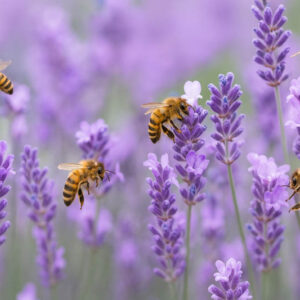
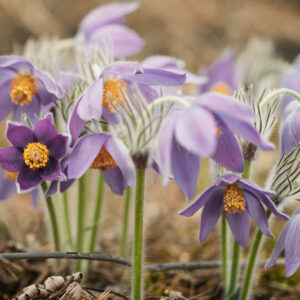
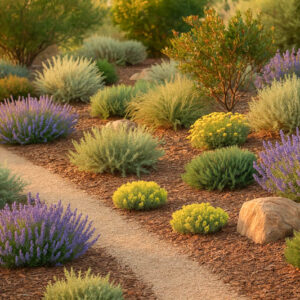
Arizona native plants are adapted to local soils, sun, and seasonal rainfall—and they’re essential for pollinators, birds, and beneficial insects. Mix native wildflowers, shrubs, trees, cacti, and grasses for a resilient, wildlife-friendly landscape that feels authentically desert.
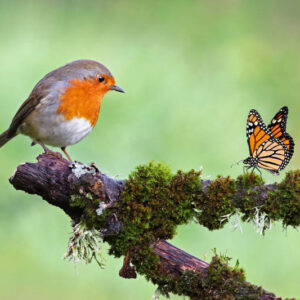
Look for regional guides such as great pollinator plants for Arizona and monarch nectar plant collections to build an Arizona garden that hums with bees, butterflies, hummingbirds, and songbirds from season to season.
Tap a month to see what to plant in Arizona by zone. Use this as a starting point, then adjust for your exact frost dates, elevation, and whether you garden in a hot low-desert yard, a breezy highland town, or a cool mountain community.
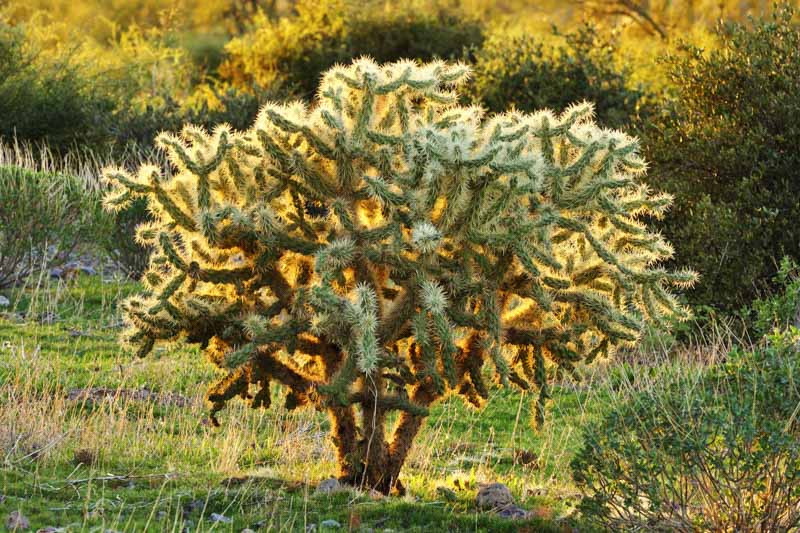
Arizona gardeners juggle intense sun, long dry spells, alkaline and caliche soils, monsoon winds, wildlife, and shifting hardiness zones. These tips will help your plants thrive from zone 5b to 10a:
While USDA hardiness zones (5b–10a in Arizona on the 2023 map) tell you how cold it gets in winter, they don’t capture summer heat, monsoon rains, or length of growing season. For Western gardeners, the Sunset Western Garden climate zones are often more precise. Arizona spans Sunset Zones 1–2 in its highest mountains and plateaus and Zones 10, 12, and 13 in its high and low deserts, covering everything from snowy peaks to subtropical desert basins. University of Arizona Cooperative Extension even calls Sunset zones the most comprehensive tool for choosing plants in the Southwest.
Now that you understand your Arizona planting zone, frost dates, and regional climate, you’re ready to choose plants that match your conditions and build a thriving desert (or mountain) garden. Blend edible crops, flowering perennials, and native plants for a landscape that feeds both your household and local wildlife. Curious how Arizona compares to other regions? Visit our national USDA planting zone guide to explore growing zones across the United States.
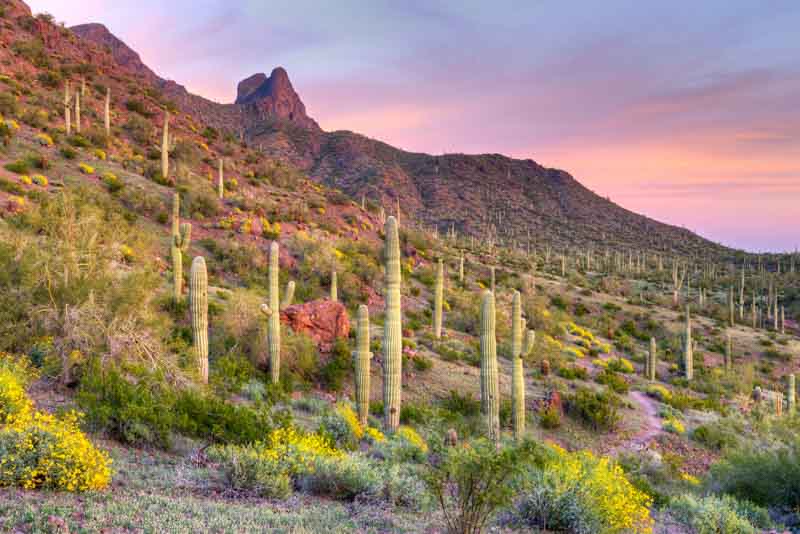
On the 2023 USDA Plant Hardiness Zone Map, most of Arizona falls between zones 5b and 10a. The coldest spots are high-elevation plateau and mountain locations in northern and eastern Arizona, while the warmest areas are the low deserts and Colorado River Valley, where winter lows are typically in zone 9b–10a.
Yes. The 2023 USDA map uses newer climate data (1991–2020) and shows much of the U.S., including Arizona, trending slightly warmer than in earlier maps. Some locations shifted by about a half-zone warmer compared with previous USDA maps, reflecting milder winter lows, especially in urban and low-desert areas.
On the 2023 USDA map, Phoenix is classified around zone 9b/10a, meaning average annual extreme minimum temperatures are roughly 25–35°F (-3.9 to 1.7°C). Most neighborhoods are firmly low-desert, with short, mild winters and very hot summers, so plant selection is more limited by heat and drought than by cold.
Tucson generally sits in zones 9a–9b on the 2023 USDA map. Winters are slightly cooler than Phoenix but still mild, with typical winter lows in the 20–30°F (-6.7 to -1.1°C) range. That supports citrus, many desert natives, and a long cool-season veggie window from fall through spring.
Flagstaff and much of the surrounding high plateau and mountain region are roughly zones 5b–7a, depending on elevation and exposure. Winters are long and cold with regular snow, and the frost-free season can be as short as 90–110 days, so gardeners focus on cold-tolerant, quick-maturing crops and use season-extension tools.
Older publications and some extension references were based on the 2012 USDA map and earlier analyses, which placed portions of Arizona in zones 4b–10b. The 2023 USDA update uses newer climate normals and a different period of record, so many locations have shifted slightly warmer. For practical home gardening, most current references now focus on the 5b–10a range that covers the vast majority of the state.
Timing varies dramatically with elevation. In low-desert areas (Phoenix, Yuma), hard frost may not occur at all in many winters, and if it does, it usually ends by early January. Southern desert cities like Tucson often see the last light frost from late February into mid-March. Central highlands (Prescott, Verde Valley) typically have last frosts from late April into early May, while high-country towns (Flagstaff and nearby plateaus) can see frosts into late May or even early June. These are averages—local microclimates can run warmer or cooler.
In high-elevation regions, the first fall frost often arrives in late September. Central highlands tend to see first frosts in October, while southern deserts may not frost until late November or December. In the warmest low deserts and the lower Colorado River Valley, some winters pass with little or no frost at all, especially in urban and riverside microclimates.
Arizona is excellent for cool-season vegetables (lettuce, spinach, peas, carrots, brassicas) statewide during the right season, plus heat-loving crops (tomatoes, peppers, squash, melons, okra, cowpeas) in warmer zones. Low deserts support citrus, figs, pomegranates, dates, and olives, while central highlands and cooler valleys grow apples, pears, stone fruits, grapes, and berries. Desert-adapted shrubs, native wildflowers, cacti, ornamental grasses, and drought-tolerant perennials perform well across most zones when matched to local conditions and water availability.
USDA zones are a useful starting point, but in Arizona they don’t tell the whole story. The map is based only on average annual minimum winter temperature, so it doesn’t account for extreme summer heat, intense sun, low humidity, wind, soil issues like caliche, or monsoon patterns—all critical factors in Arizona gardens. For best results, gardeners should use USDA zones together with local extension guidance, Sunset or regional climate zones, and on-the-ground knowledge of their microclimate, such as urban heat, cold air pockets, shade, and irrigation patterns.
Use the official USDA interactive Plant Hardiness Zone Map and enter your ZIP code or pinpoint your location on the map. The current tool is based on 1991–2020 data and reflects the 2023 zone update. Many third-party sites and local extension pages also embed or mirror USDA zone information, but the USDA map is the authoritative source
Updated: December 2025 • Reviewed by Gardenia Editors
| Hardiness |
5 - 10 |
|---|---|
| Climate Zones | 1, 1A, 1B, 2, 2A, 2B, 10, 12, 13 |
| Native Plants | United States, Southwest, Arizona |
| Toxic to Humans | No known toxicity |
| Toxic to Cats | No known toxicity |
| Toxic to Dogs | No known toxicity |
| Toxic to Horses | No known toxicity |
| Hardiness |
5 - 10 |
|---|---|
| Climate Zones | 1, 1A, 1B, 2, 2A, 2B, 10, 12, 13 |
| Native Plants | United States, Southwest, Arizona |
| Toxic to Humans | No known toxicity |
| Toxic to Cats | No known toxicity |
| Toxic to Dogs | No known toxicity |
| Toxic to Horses | No known toxicity |
Create a membership account to save your garden designs and to view them on any device.
Becoming a contributing member of Gardenia is easy and can be done in just a few minutes. If you provide us with your name, email address and the payment of a modest $25 annual membership fee, you will become a full member, enabling you to design and save up to 25 of your garden design ideas.
Join now and start creating your dream garden!
Create a membership account to save your garden designs and to view them on any device.
Becoming a contributing member of Gardenia is easy and can be done in just a few minutes. If you provide us with your name, email address and the payment of a modest $25 annual membership fee, you will become a full member, enabling you to design and save up to 25 of your garden design ideas.
Join now and start creating your dream garden!