Create Your Garden

Monarch Nectar Plants for Arizona

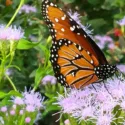
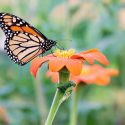
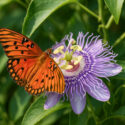
Monarch butterflies are in trouble. To help, plant milkweed and nectar plants that are native to your area and help reverse the fortune of these beautiful insects!
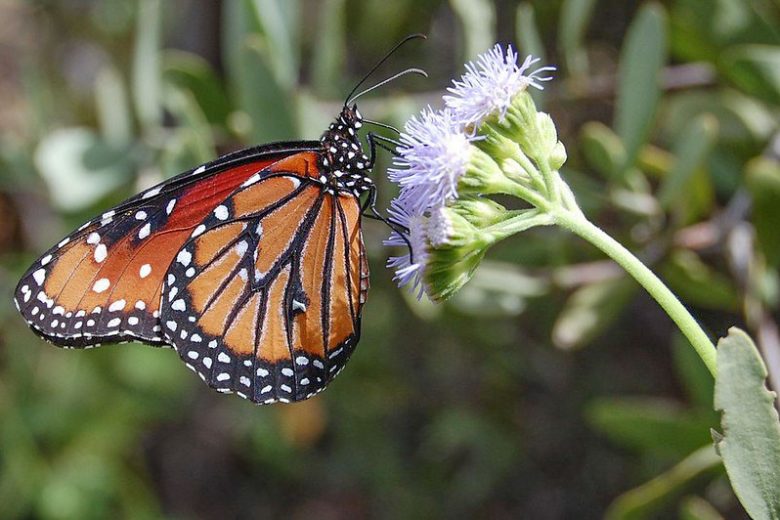
Monarch Butterflies, Monarch Plants, Pollinator Plants, Butterfly Plants, Hummingbird Plants, Bee Plants, Southwest Plants, Arizona Native Plants, Native Plants

Monarch Nectar Plants for Arizona: A Bloom-by-Bloom Guide

Arizona is a crossroads for Western monarchs, with butterflies moving through deserts, riparian corridors, and sky island foothills. If you plant the right flowers, you turn your yard or community space into a seasonal refueling stop. Below is a friendly, practical guide to choosing native milkweeds and nectar plants that love Arizona’s sun and heat, plus tips to keep your patch buzzing all season. For an even bigger plant palette, see Great Pollinator Plants for Arizona.

Arizona Monarch Garden at a Glance

  • Plant native milkweed for eggs and caterpillars, then pack in nectar flowers for adult fuel. Many natives beat tropical milkweed for monarch health in the Southwest.
  • Stagger bloom spring to fall. Pick at least three plants for spring, three for summer, and three for late season color.
  • Go water-wise with sun loving desert species and a layer of mulch. Deep, occasional watering builds resilience.
  • Skip pesticides, especially systemic products that move into nectar and pollen.

Start with Native Milkweed

Milkweed is the nursery for monarch caterpillars. In Arizona, choose species suited to your elevation and soil rather than tropical milkweed. Smart picks include Asclepias subulata (rush milkweed) for hot low deserts, A. linaria (pineleaf milkweed) for uplands, and A. speciosa (showy milkweed) where nights run cooler. Native milkweeds support natural migration and reduce disease risks associated with tropical milkweed.

Good to know: Tropical milkweed (Asclepias curassavica) can stick around all winter in mild areas and may foster higher parasite loads in monarchs. Plant natives instead and focus on seasonal bloom.

Arizona All-Star Nectar Plants

Adult monarchs need sugary fuel to migrate, mate, and explore. The following native nectar plants are proven performers in Arizona gardens and wild spaces. Use several from each season so something tasty is always open.

Spring kick-off

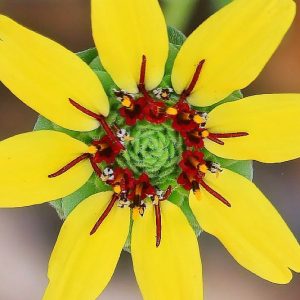
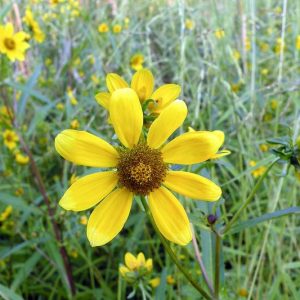
  • Berlandiera lyrata (Chocolate Flower) – low, fragrant daisies that open at dawn and charm early pollinators.
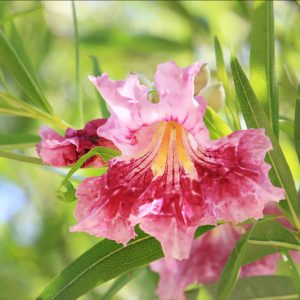
  • Chilopsis linearis (Desert Willow) – trumpet flowers on a drought smart tree that draws bees and butterflies along washes and yards.
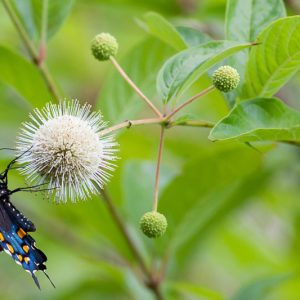
  • Cephalanthus occidentalis (Buttonbush) – ping-pong ball blooms that thrive near irrigation or natural moisture, great for riparian gardens.

Summer fuel

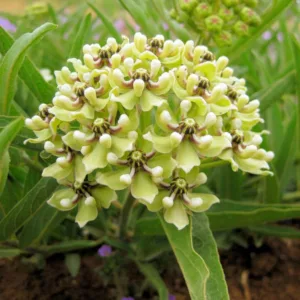
  • Asclepias asperula (Antelope Horns) – a true two-for-one, larval host and nectar hub in grassland and open sites.
  • Bidens laevis (Smooth Beggarticks) – golden daisies that light up wetter pockets, ponds, and swales.
  • Baccharis salicifolia (Seep-willow) – a riparian shrub that hums with insects when in bloom.

Late-season top-ups

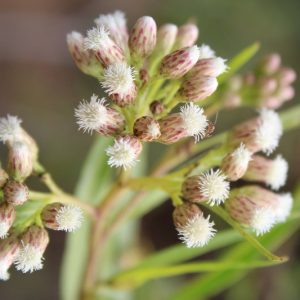
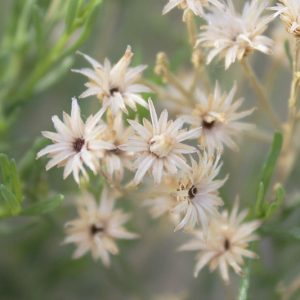
  • Baccharis sarothroides (Desert Broom) – fluffy fall bloom that feeds clouds of insects in the low desert. Give it space or prune to shape.
  • Sunflower kin – many native composites shine late in the year, offering rich nectar when monarchs are on the move. Pair with milkweed in sunny borders.
  • Riparian mixes – along washes and irrigated edges, combine buttonbush with seep-willow so nectar keeps flowing into fall.

Guide Information

Genus Asclepias
Native Plants United States, Southwest, Arizona
Attracts Birds, Butterflies, Hummingbirds

Monarch Nectar Plants for Arizona

Asclepias asperula (Antelope-Horns Milkweed)
Baccharis salicifolia (Mule Fat)
Baccharis sarothroides (Desert Broom)
Berlandiera lyrata (Chocolate Daisy)
Bidens laevis (Smooth Beggartick)
Cephalanthus occidentalis (Buttonbush)
Chilopsis linearis (Desert Willow)
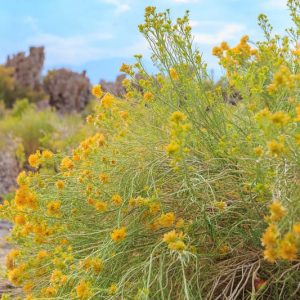
Ericameria nauseosa (Rubber Rabbitbrush)
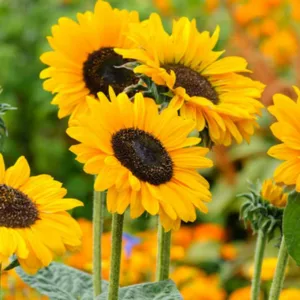
Helianthus annuus (Common Sunflower)
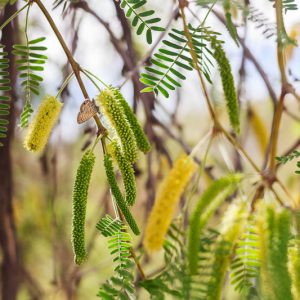
Prosopis velutina (Velvet Mesquite)
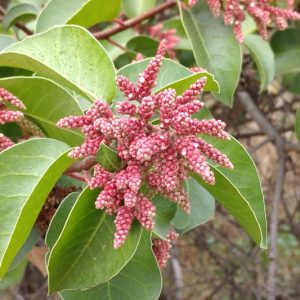
Rhus ovata (Sugar Sumac)
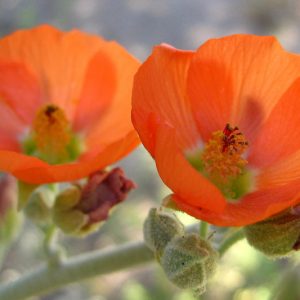
Sphaeralcea ambigua (Desert Mallow)
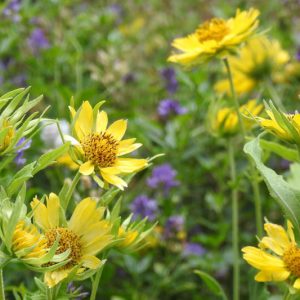
Verbesina encelioides (Golden Crownbeard)

Design for Arizona’s Diverse Landscapes

Low desert yards love heat-tough shrubs and perennials. Use rush milkweed, desert milkweed, chocolate flower, and desert willow for a low water framework, then tuck seasonal annuals around the edges. Deep but infrequent watering builds strong roots.

Upland and sky island edges can host pineleaf milkweed, showy milkweed, and a wider palette of summer bloomers. Cool nights extend the flowering window, which helps late migrants top up before crossings.

Riparian or irrigated strips are nectar magnets. Buttonbush and seep-willow become monarch pit stops when planted where water gathers naturally or near controlled irrigation.

Small-Space Planting Recipes

  • Sunny parkway: rush milkweed, chocolate flower, and a compact native daisy. Add gravel mulch for tidy heat management.
  • Patio containers: pineleaf milkweed in the largest pot, plus a nectar bowl of low mounding seasonals. Water consistently and rotate pots so blooms always meet the sun.
  • Riparian corner: a young buttonbush under a drip emitter, ringed with beggarticks for mid to late season nectar.

Water-Wise Care That Still Delivers Flowers

  • Plant in groups so monarchs can sip quickly without wasting flight energy. Clumped color beats single scattered flowers.
  • Mulch the root zone two to three inches deep with gravel or shredded wood to conserve moisture and cool soil.
  • Deep soak, then rest to encourage roots to chase water downward. Shallow daily sprinkles make plants thirsty and weak.
  • Refresh by season: trim spent bloom spikes, add a splash of compost in spring, and adjust irrigation during heat waves so nectar does not stall.

Smart Practices for Healthy Monarchs

  • Choose natives first. They fit local soils and rhythms, and they are easier to maintain once established.
  • Avoid tropical milkweed. If you already have it, replace it with natives when you can. Native milkweeds support migration and lower parasite pressure.
  • Say no to pesticides. Systemic insecticides can move into nectar and pollen, which harms visiting insects. Ask nurseries for plants grown without neonics.

Arizona Favorites You Can Start With

Here is a quick starter list you will see again and again in Arizona monarch gardens. Mix at least one milkweed with several nectar partners:

  • Milkweeds: antelope horns (Asclepias asperula), rush milkweed (A. subulata), desert milkweed (A. erosa), pineleaf milkweed (A. linaria), showy milkweed (A. speciosa).
  • Nectar anchors: seep-willow (Baccharis salicifolia), desert broom (B. sarothroides), chocolate flower (Berlandiera lyrata), smooth beggarticks (Bidens laevis), desert willow (Chilopsis linearis), buttonbush (Cephalanthus occidentalis).

Keep Planting, Keep Learning

Ready to broaden your habitat beyond monarchs, while still feeding them well? Explore the full, desert-savvy plant list here: Great Pollinator Plants for Arizona. You will find additional shrubs, perennials, and wildflowers that turn one season of color into three or more.

Sources and further reading for plant choices, seasonal bloom, and monarch health in the Southwest. Gardenia’s Arizona plant picks informed the species examples above, and Xerces provides region specific monarch guidance

Recommended Guides

Great Pollinator Plants for Arizona
The Ultimate Guide to Native Plants for a Beautiful Garden
The Ultimate Guide to Wildlife-Friendly Plants for a Beautiful Garden
Barrel Cactus: An Iconic Desert Plant for Water-Wise Gardens
Cholla Cactus: Iconic Desert Plants
Desert Trees: Stunning and Resilient Trees for Your Garden
Desert Shrubs: Essential Plants for Dry Gardens
Desert Flowers: Bringing Color to Dry Gardens
50 California Wildflowers: From Desert Blooms to Coastal Gems
Desert Plants: Discover 50 Stunning Varieties to Grow
Hedgehog Cactus: A Desert Survivor with Spectacular Blooms
How to Grow and Care for Desert Rose for Beautiful Flowers
Compare All Asclepias (Milkweed)
Compare Now
Explore Great Plant Combination Ideas
Asclepias (Milkweed)
Explore Great Plant Combination Ideas
Arizona
Guides with
Arizona Arizona
While every effort has been made to describe these plants accurately, please keep in mind that height, bloom time, and color may differ in various climates. The description of these plants has been written based on numerous outside resources.

Guide Information

Genus Asclepias
Native Plants United States, Southwest, Arizona
Attracts Birds, Butterflies, Hummingbirds
Compare All Asclepias (Milkweed)
Compare Now
Explore Great Plant Combination Ideas
Asclepias (Milkweed)
Explore Great Plant Combination Ideas
Arizona
Guides with
Arizona Arizona

Related Items

Please Login to Proceed

You Have Reached The Free Limit, Please Subscribe to Proceed

Subscribe to Gardenia

To create additional collections, you must be a paid member of Gardenia
  • Add as many plants as you wish
  • Create and save up to 25 garden collections
Become a Member

Plant Added Successfully

Your garden is taking shape. Unlock full planning.

You’ve reached the free limit. Upgrade for $25/year to add as many plants as you wish and save up to 25 garden collections. Unlock Annual Membership

Update Your Credit
Card Information

Cancel

Create a New Collection

Sign Up to Our Newsletter

    You have been subscribed successfully

    Join Gardenia.net

    Create a membership account to save your garden designs and to view them on any device.

    Becoming a contributing member of Gardenia is easy and can be done in just a few minutes. If you provide us with your name, email address and the payment of a modest $25 annual membership fee, you will become a full member, enabling you to design and save up to 25 of your garden design ideas.

    Join now and start creating your dream garden!

    Join Gardenia.net

    Create a membership account to save your garden designs and to view them on any device.

    Becoming a contributing member of Gardenia is easy and can be done in just a few minutes. If you provide us with your name, email address and the payment of a modest $25 annual membership fee, you will become a full member, enabling you to design and save up to 25 of your garden design ideas.

    Join now and start creating your dream garden!
    Find your Hardiness Zone

    Find your Heat Zone

    Find your Climate Zone