Learn how Nevada’s USDA zones 4a–10a shape what you can grow from Reno to Las Vegas. Get 2023 hardiness maps, real-world frost dates, and region-by-region planting tips, plus vegetable, fruit, flower, and native plant ideas tailored to Great Basin and Mojave Desert gardens.
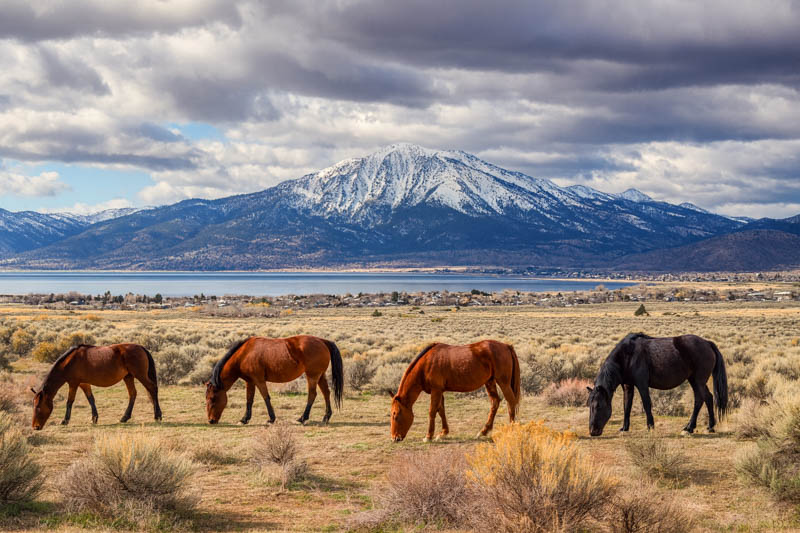


Gardening in Nevada might mean a shady backyard in Reno, a xeriscaped front yard in Las Vegas, an irrigated hay field near Fallon, a high-desert veggie patch around Elko, or a little orchard tucked into a Carson Valley hollow. Nevada planting zones run from cold Great Basin ranges to sizzling Mojave Desert canyons – each with its own gardening personality.
This guide will help you understand your Nevada growing zone using the updated 2023 USDA Plant Hardiness Zone Map, plan around frost dates, and choose the best plants for your corner of the Silver State.
On the 2023 USDA Plant Hardiness Zone Map, Nevada stretches roughly from zone 4a to zone 10a, based on 30-year averages of the coldest winter temperatures (1991–2020). Colder zones hug the high northeastern ranges and remote basins, while the warmest zones cluster around Las Vegas, the lower Colorado River, and parts of the Mojave Desert. Most home gardens fall between zones 5b and 8a.
The updated 2023 USDA Plant Hardiness Zone Map uses 30-year climate normals (1991–2020) and higher-resolution elevation and terrain data than earlier versions. In Nevada, the map clearly shows colder blues and purples in the mountainous northeast and higher ranges, with warmer greens and yellows wrapping around the Las Vegas Valley and the Colorado River corridor.
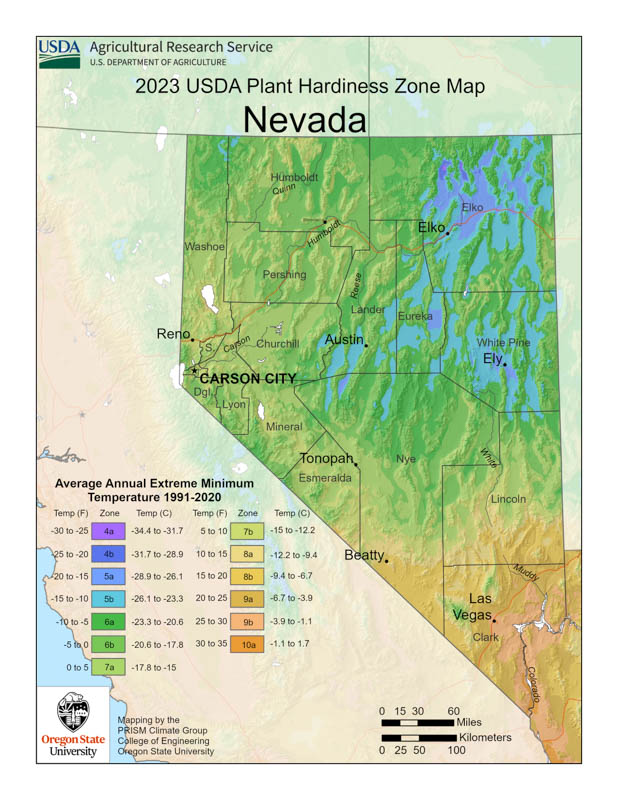
A simplified Nevada planting zone map based on the 2023 USDA Plant Hardiness Zone Map (1991–2020 climate data).
Use the map together with your ZIP code to pinpoint your Nevada garden zone. Look up your Nevada planting zone by ZIP code using the USDA tool, then come back here or visit our Plant Finder for plants tailored to your zone, elevation, and site conditions.
Nevada may look like a simple tilted rectangle on the map, but on the ground it’s a quilt of basins, ranges, canyons, and urban heat islands. Elevation, cold-air drainage, valley inversions, reflected heat from rock and stucco, wind, and irrigation can nudge your yard a half-zone – or more – warmer or colder than the official map.
This region includes Reno, Sparks, Carson City, Dayton, Minden, Gardnerville, Fernley, and nearby valleys along the eastern Sierra.
Elko, Ely, Winnemucca, Wells, Battle Mountain, and other northeastern towns share crisp, dry air, long winters, and cool summer nights.
Tonopah, Austin, Eureka, and scattered ranching communities across central Nevada mix high elevation, big sky, and wide temperature swings.
Las Vegas, Henderson, North Las Vegas, Boulder City, and nearby communities sit in one of the warmest interior-climate zones in the country.
Laughlin, Mesquite, and communities along the Colorado River and around Lake Mead combine desert heat, mild winters, and long seasons.
In Nevada, frost is all about elevation and local microclimates. A stucco-walled backyard in Las Vegas may garden nearly year-round, while high valleys near Elko or Ely can see frost every month of the year. Your average last and first frosts determine when to plant tomatoes, protect peppers, and tuck cool-season crops into fall beds.
Across Nevada, last spring frosts range from January–February in the warmest southern valleys to mid–late June in colder high-desert towns. First fall frosts may hit northeastern gardens in late August or September but often hold off until late October or November in milder western valleys and the Las Vegas area.
| Region / City | Average Last Spring Frost | Average First Fall Frost | Approx. Frost-Free Days |
|---|---|---|---|
| Reno (Sierra Front) | Early–Mid May (around May 9–14) | Mid–Late October (around Oct 15) | ~150–165 days |
| Carson City (Western Valleys) | Late May (around May 25–28) | Late September (around Sep 26–30) | ~115–125 days |
| Elko (Northern Great Basin) | Early–Mid June (around Jun 5–15) | Late August–Early September | ~80–95 days |
| Ely (High Cold Valley) | Mid–Late June (around Jun 18) | Early September (around Sep 8) | ~75–85 days |
| Las Vegas (Southern Mojave) | Mid–Late February (around Feb 10–20) | Late November–Early December | ~250–285 days |
| Mesquite / Colorado River Corridor | Late February–Early March | Late November | ~240–270 days |
Dates summarized from regional climate data and frost-date tools; always check a local forecast and ZIP-code–based lookup for the most precise information for your garden.
Use these frost dates as flexible guidelines – your own yard may be warmer or cooler depending on elevation, cold-air drainage, wind exposure, reflected heat from walls and rock, irrigation, and urban heat effects. They’re averages, not guarantees, so watch the forecast during spring and fall cold snaps and protect tender plants when temperatures dip toward freezing.
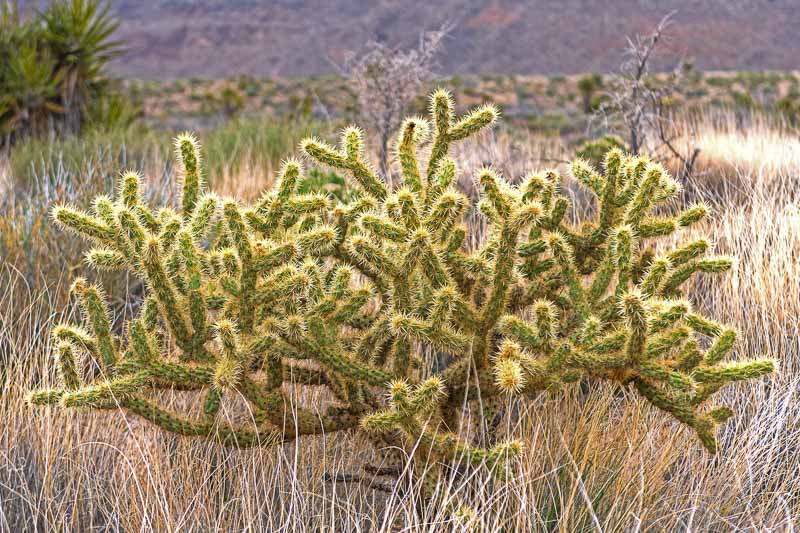
Once you know your Nevada planting zone – and whether you garden in the Sierra-front valleys, high Great Basin country, or under bright Las Vegas sun – you can work with your climate instead of fighting it. Focus on plants that tolerate intense UV, alkaline soils, dry air, and wide day–night temperature swings. Choose perennials rated for zones 4–10, and time annual plantings around your frost dates and summer heat.
Nevada native plants are adapted to local soils, wind, and rainfall – and they feed pollinators, birds, and beneficial insects. Mix native wildflowers, shrubs, trees, cacti, and grasses for a resilient, wildlife-friendly landscape that feels authentically Nevada.
Tap a month to see what to plant in Nevada by zone. Use this as a starting point, then adjust for your exact frost dates, elevation, and whether you garden in the Sierra-front valleys, the cool Great Basin, or the warm southern Mojave.
Nevada gardeners juggle intense sun, drying desert winds, alkaline soils, monsoon downpours, and a wide spread of hardiness zones. These tips help plants thrive from zones 4a to 10a:
While USDA hardiness zones (4a–10a in Nevada on the 2023 map) tell you how cold it gets in winter, they don’t capture summer heat, monsoon timing, or length of growing season. For Western gardeners, the Sunset Western Garden climate zones are often more precise, factoring in elevation, humidity, and seasonal rainfall. Nevada spans several Sunset zones – mainly zones 1a, 2a, 2b, 10, and 11 – ranging from cold mountain and intermountain climates to hot, medium- and high-desert regions. Using both USDA and Sunset maps gives the clearest picture of what will thrive in your yard.
Now that you understand your Nevada planting zone, frost dates, and regional climate, you’re ready to choose plants that match your conditions and build a thriving high-desert – or low-desert – garden. Blend edible crops, flowering perennials, and native plants for a landscape that feeds both your household and local wildlife. Curious how Nevada compares to other regions? Visit our national USDA planting zone guide to explore growing zones across the United States.
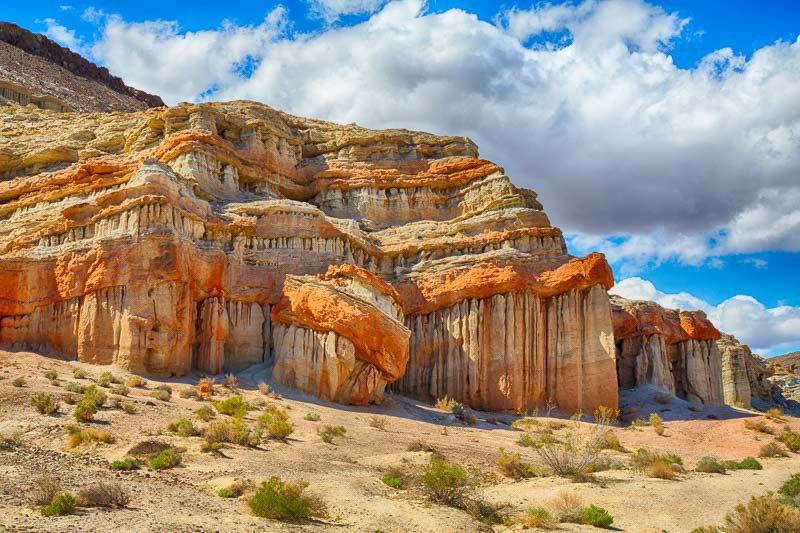
Nevada spans USDA hardiness zones 4a to 10a on the 2023 map. Coldest zones (4a–5b) are found in high northeastern basins and ranges, mid-range zones (6a–7b) dominate western valleys and central basins, and the warmest zones (8b–10a) cluster around Las Vegas and the lower Colorado River.
Most of the Las Vegas Valley is USDA zone 9a or 9b, with some nearby pockets edging toward 8b or 10a depending on elevation and urban heat. Winters are mild with rare hard freezes, which allows a very long frost-free season for warm-weather crops and many desert ornamentals.
Reno and nearby Sparks are typically USDA zones 7a–7b on recent maps. Winters are cold with regular freezes and occasional snow, while summers are hot and dry with cool nights. The growing season is moderate in length, so gardeners focus on cold-hardy perennials and short- to mid-season vegetables.
Use your ZIP code in the USDA Plant Hardiness Zone Map tool, then zoom in on the Nevada state map to verify your zone against local elevation and terrain. Combining the USDA map with local extension advice and your own frost dates gives the most accurate picture of your microclimate.
Last frost dates vary widely. In southern Nevada (Las Vegas and nearby areas), the last frost typically falls in February. Western valleys around Reno and Carson City usually see their last frost in May. High Great Basin towns like Elko and Ely may not be reliably frost-free until early to mid–June.
In hot southern valleys, the first fall frost often doesn’t arrive until late November or early December. Around Reno and Carson City, first frosts usually occur in late September through mid–October. In colder northeastern towns, frost can return as early as late August or early September.
In cooler zones (4–7), cool-season crops like peas, lettuce, spinach, brassicas, carrots, and beets perform very well, with warm-season crops planted after the last frost. In warmer southern zones (8–10), tomatoes, peppers, squash, melons, okra, cowpeas, and herbs thrive from late winter through fall with consistent irrigation.
Yes. Western valleys and many central basins support apples, pears, cherries, and hardy plums when varieties are matched to local chill hours and late frost risk. Warmer southern areas can grow low-chill peaches, apricots, figs, pomegranates, and table grapes, especially with good soil preparation and drip irrigation.
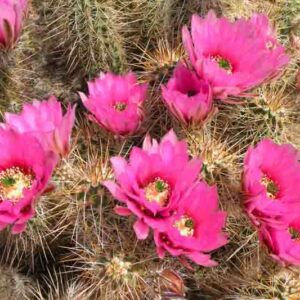
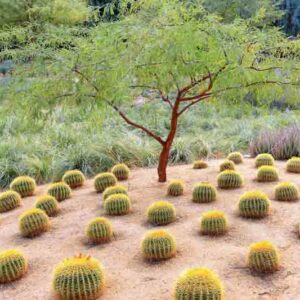
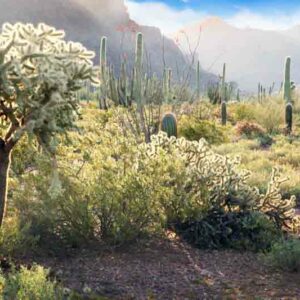
Many plants are adapted to Nevada’s arid climate, including native shrubs like rabbitbrush and mountain mahogany, grasses such as blue grama and alkali sacaton, and ornamentals like desert willow, red yucca, agaves, and salvias. Once established, these species can handle high heat and low rainfall with minimal supplemental water.
Nevada falls into several Sunset climate zones, mainly 1, 2, 10, and 11. These zones factor in not only winter lows but also summer heat, elevation, and seasonal rainfall. For Nevada gardeners, using both Sunset zones and USDA hardiness zones gives a more complete picture of which plants will thrive year-round.
Data sources: 2023 USDA Plant Hardiness Zone Map (1991–2020 normals), NOAA frost-date climatology.
Updated: December 2025 • Reviewed by Gardenia Editors
| Hardiness |
4 - 10 |
|---|---|
| Climate Zones | 1A, 2A, 2B, 10, 11 |
| Native Plants | United States, Southwest, Nevada |
| Toxic to Humans | No known toxicity |
| Toxic to Cats | No known toxicity |
| Toxic to Dogs | No known toxicity |
| Toxic to Horses | No known toxicity |
| Hardiness |
4 - 10 |
|---|---|
| Climate Zones | 1A, 2A, 2B, 10, 11 |
| Native Plants | United States, Southwest, Nevada |
| Toxic to Humans | No known toxicity |
| Toxic to Cats | No known toxicity |
| Toxic to Dogs | No known toxicity |
| Toxic to Horses | No known toxicity |
Create a membership account to save your garden designs and to view them on any device.
Becoming a contributing member of Gardenia is easy and can be done in just a few minutes. If you provide us with your name, email address and the payment of a modest $25 annual membership fee, you will become a full member, enabling you to design and save up to 25 of your garden design ideas.
Join now and start creating your dream garden!
Create a membership account to save your garden designs and to view them on any device.
Becoming a contributing member of Gardenia is easy and can be done in just a few minutes. If you provide us with your name, email address and the payment of a modest $25 annual membership fee, you will become a full member, enabling you to design and save up to 25 of your garden design ideas.
Join now and start creating your dream garden!