Create Your Garden

Great Pollinator Plants for Arizona

Turn your Arizona yard into a wildlife magnet with native, low-water bloomers.
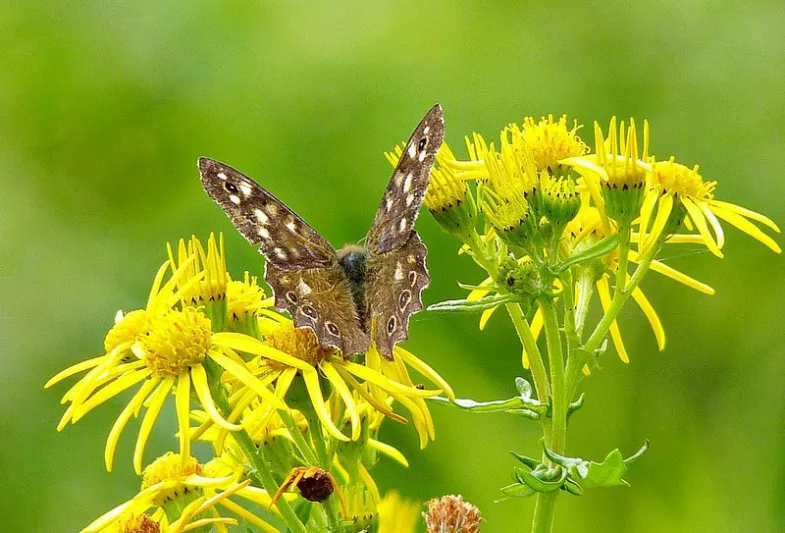
Pollinator Plants, Butterfly Plants, Hummingbird Plants, Bee Plants, Western US Plants, Arizona Native Plants, Native Plants

Great Pollinator Plants for Arizona: Bloom Bold, Save Water, Help Wildlife

Arizona is a pollinator paradise waiting to happen. From desert marigold and globe mallow in the low Sonoran Desert to penstemons and native sages in the sky islands, you can turn any yard or balcony into a busy refueling station for bees, butterflies, hummingbirds, moths, and even nectar loving bats. The secret is simple: plant natives, stagger bloom times, skip pesticides, and water smart.

Quick Start – Pollinator Success in Arizona

  • Go native: Local plants match local pollinators. Start with 3 to 5 species per season for spring, summer, and fall.
  • Plant in drifts: Clumps of the same flower act like neon signs for busy flyers.
  • Bloom calendar: Keep something flowering from March to November.
  • Water wise: Deep, infrequent watering builds strong roots and saves your bill.
  • Zero pesticides: Even organic sprays can harm helpful insects.
  • Nesting habitat: Leave patches of bare soil, a few hollow stems, and a small brush pile.

Arizona Regions and What Thrives

Arizona’s life zones change fast with elevation, so the best pollinator gardens are the ones that match place to plants. Use the quick picks below to spark ideas you can plant with confidence. All selections are drawn from the Xerces regional lists for Arizona’s Sonoran Desert, Colorado Plateau, and Sky Island–Mountain regions.

Sonoran Desert (low deserts)

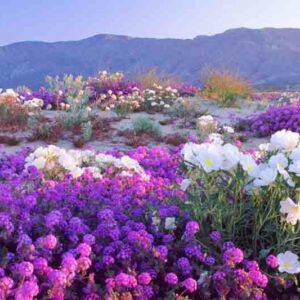
Hot summers, mild winters, intense sun, big diurnal swings. Think drought tough natives that bloom in waves and feed bees, butterflies, and hummingbirds all season.

Guide Information

Native Plants Arizona, Southwest, United States
Attracts Birds, Butterflies, Hummingbirds, Bees
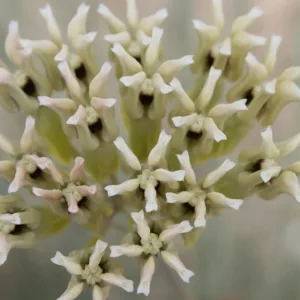
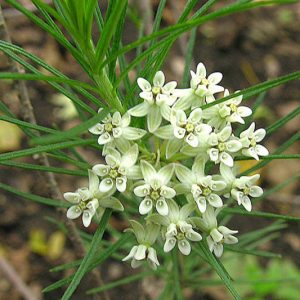
Asclepias linaria (Pine-Needle Milkweed)
Asclepias subulata (Rush Milkweed)
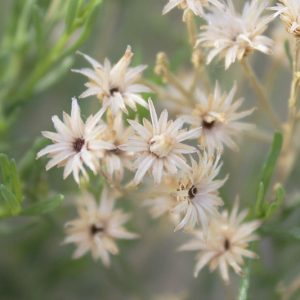
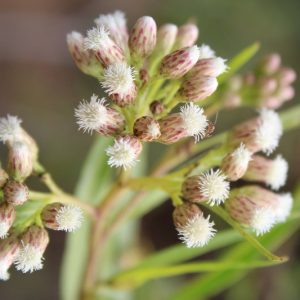
Baccharis sarothroides (Desert Broom)
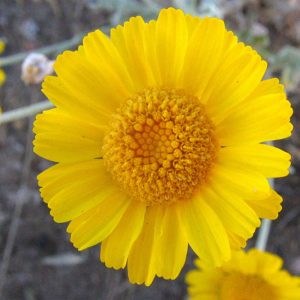
Baileya multiradiata (Desert Marigold)
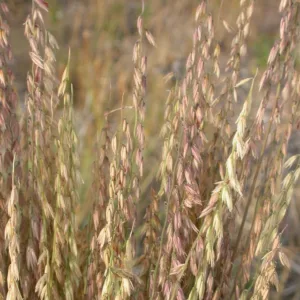
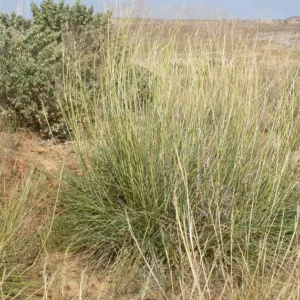
Bouteloua curtipendula (Side-Oats Grama)
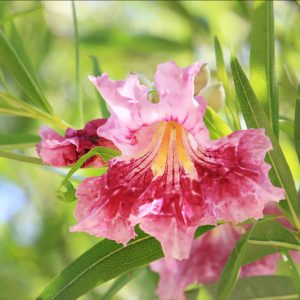
Chilopsis linearis (Desert Willow)
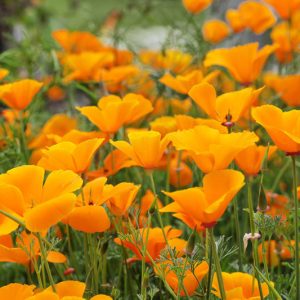
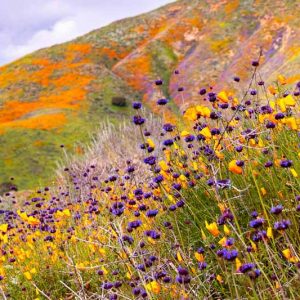
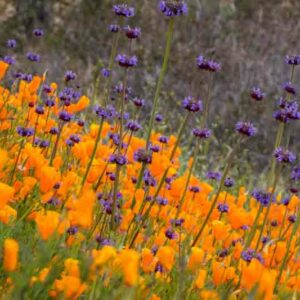
Eschscholzia californica (California Poppy)
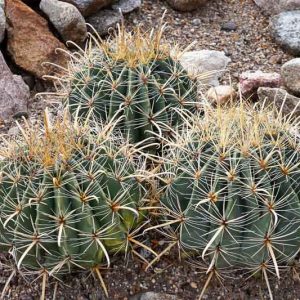
Ferocactus wislizenii (Fishhook Barrel Cactus)
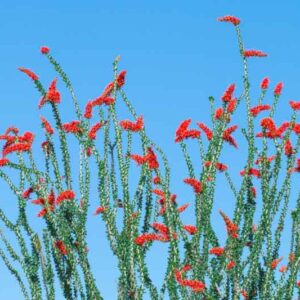
Fouquieria splendens (Ocotillo)
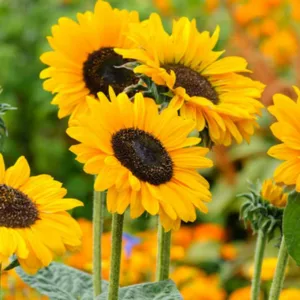
Helianthus annuus (Common Sunflower)
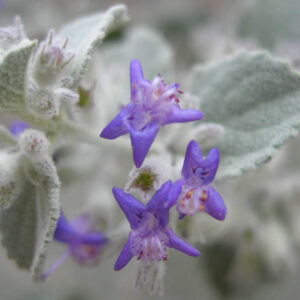
Condea emoryi (Desert Lavender)
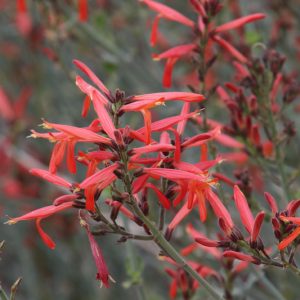
Justicia californica (Chuparosa)
Larrea tridentata (Creosote Bush)
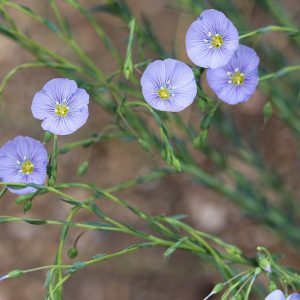
Linum lewisii (Prairie Flax)
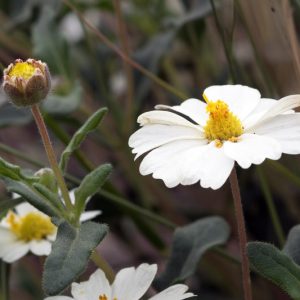
Melampodium leucanthum (Blackfoot Daisy)
Muhlenbergia rigens (Deer Grass)
Oenothera caespitosa (Tufted Evening Primrose)
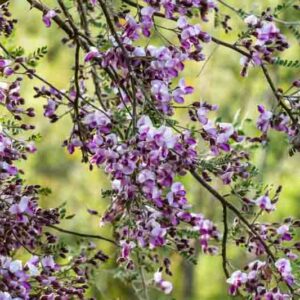
Olneya tesota (Desert Ironwood)
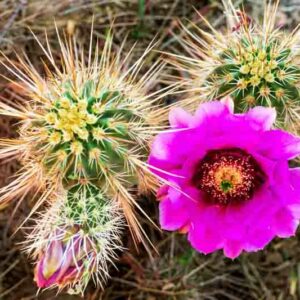
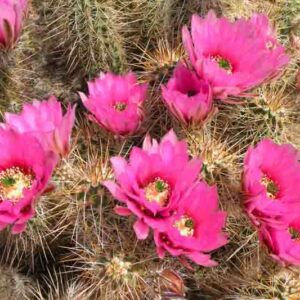
Echinocereus engelmannii (Engelmann’s Hedgehog Cactus)
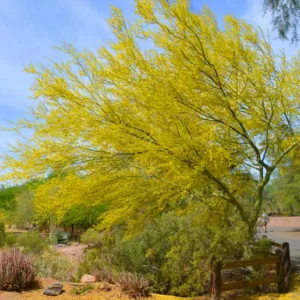
Parkinsonia florida (Blue Paloverde)
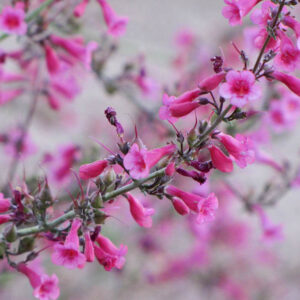
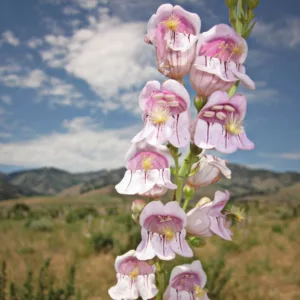
Penstemon parryi (Parry’s Beardtongue)
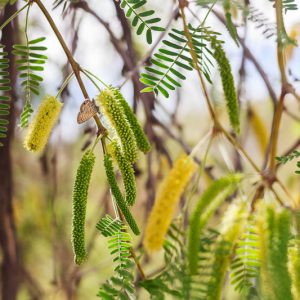
Prosopis velutina (Velvet Mesquite)
Salvia columbariae (Chia Sage)
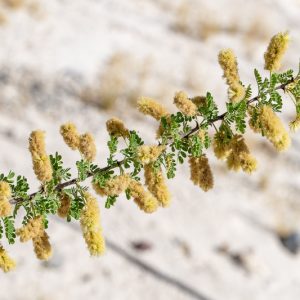
Senegalia greggii (Catclaw Acacia)
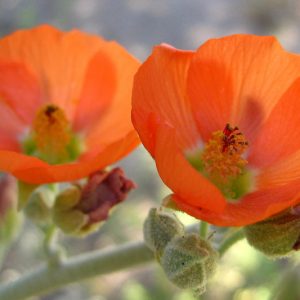
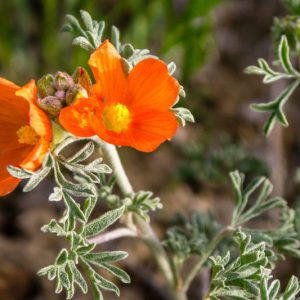
Sphaeralcea ambigua (Desert Mallow)
Sporobolus airoides (Alkali Sacaton)
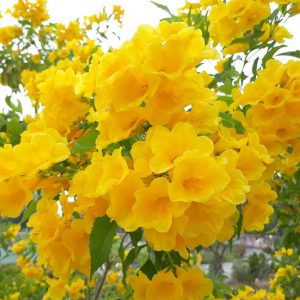
Tecoma stans (Yellow Bells)
Verbesina encelioides (Golden Crownbeard)

Mountains & Sky Islands (3,500–7,000 ft)

Cooler nights, summer monsoon pulses, and diverse plant communities. Mix spring nectar with strong summer bloomers for season long support.

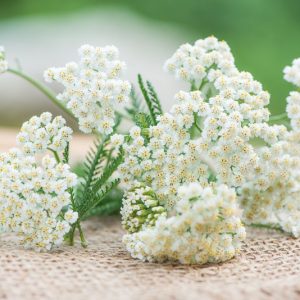
Achillea millefolium (White Yarrow)
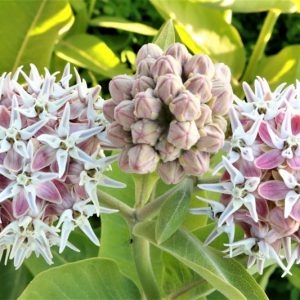
Asclepias speciosa (Showy Milkweed)
Baccharis salicifolia (Mule Fat)
Bouteloua curtipendula (Side-Oats Grama)
Dalea candida (White Prairie Clover)
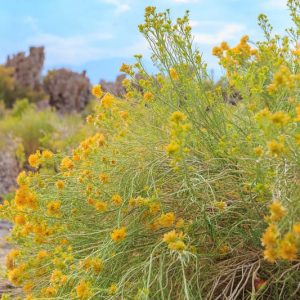
Ericameria nauseosa (Rubber Rabbitbrush)
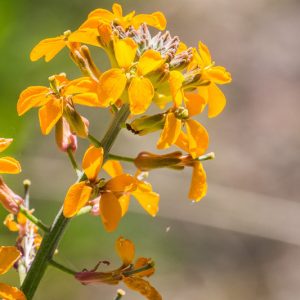
Erysimum capitatum (Coastal Wallflower)
Eschscholzia californica (California Poppy)
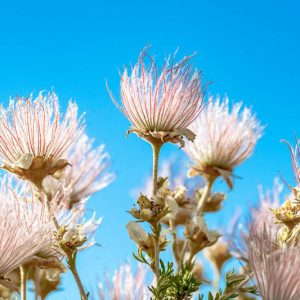
Fallugia paradoxa (Apache Plume)
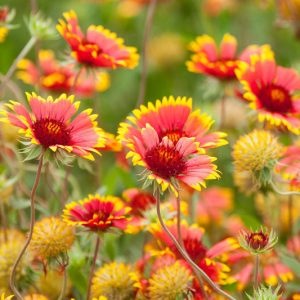
Gaillardia pulchella (Firewheel)
Helianthus annuus (Common Sunflower)
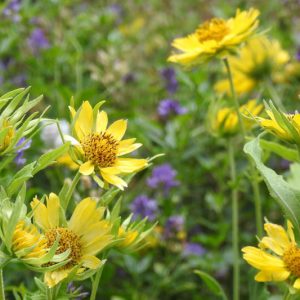
Heliomeris multiflora (Showy Goldeneye)
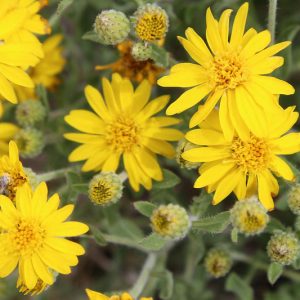
Heterotheca villosa (Hairy Golden Aster)
Linum lewisii (Prairie Flax)
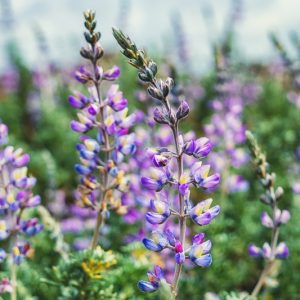
Lupinus argenteus (Silvery Lupine)
Muhlenbergia rigens (Deer Grass)
Oenothera caespitosa (Tufted Evening Primrose)
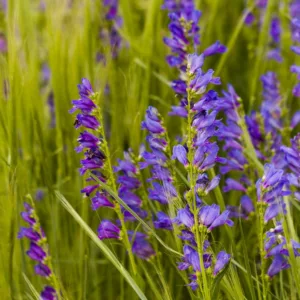
Penstemon strictus (Rocky Mountain Beardtongue)
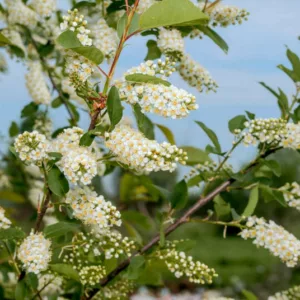
Prunus virginiana (Chokecherry)
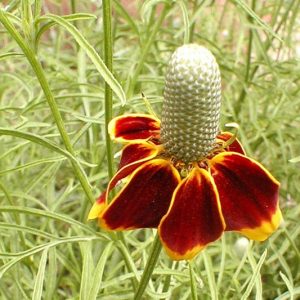
Ratibida columnifera (Mexican Hat Plant)
Rhus aromatica (Fragrant Sumac)
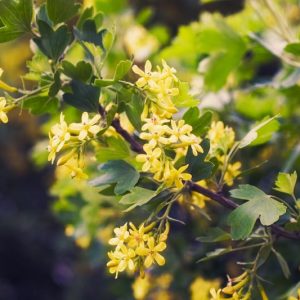
Ribes aureum (Clove Currant)
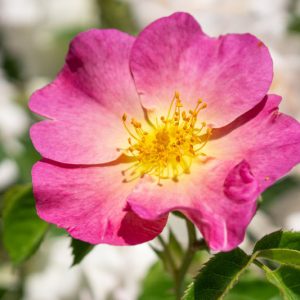
Rosa woodsii (Western Wild Rose)
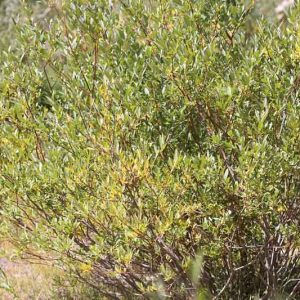
Salix exigua (Coyote Willow)
Sphaeralcea coccinea (Scarlet Globemallow)
Verbesina encelioides (Golden Crownbeard)

Colorado Plateau & High Desert

Colder winters, big skies, alkaline soils. Look for resilient shrubs and perennials that ride out wind, frost, and sun.

Asclepias speciosa (Showy Milkweed)
Bouteloua curtipendula (Side-Oats Grama)
Dalea candida (White Prairie Clover)
Ericameria nauseosa (Rubber Rabbitbrush)
Erysimum capitatum (Coastal Wallflower)
Fallugia paradoxa (Apache Plume)
Gaillardia pulchella (Firewheel)
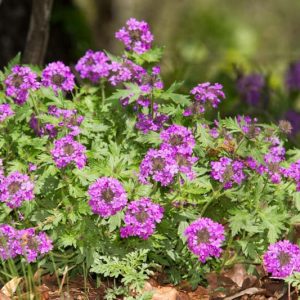
Glandularia bipinnatifida (Prairie Verbena)
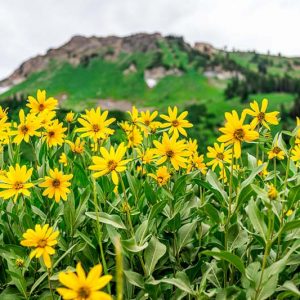
Helianthus annuus (Common Sunflower)
Heliomeris multiflora (Showy Goldeneye)
Heterotheca villosa (Hairy Golden Aster)
Linum lewisii (Prairie Flax)
Lupinus argenteus (Silvery Lupine)
Oenothera caespitosa (Tufted Evening Primrose)
Penstemon palmeri (Scented Penstemon)
Penstemon strictus (Rocky Mountain Beardtongue)
Ratibida columnifera (Mexican Hat Plant)
Rhus aromatica (Fragrant Sumac)
Ribes aureum (Clove Currant)
Rosa woodsii (Western Wild Rose)
Salix exigua (Coyote Willow)
Sphaeralcea coccinea (Scarlet Globemallow)
Sporobolus airoides (Alkali Sacaton)
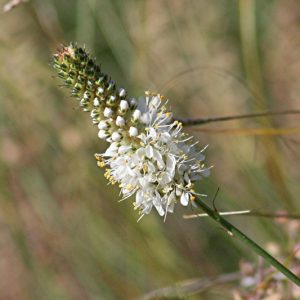
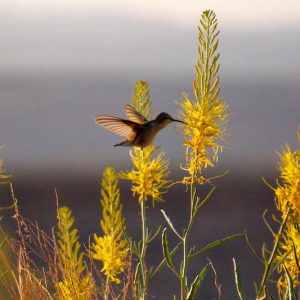
Stanleya pinnata (Prince’s Plume)
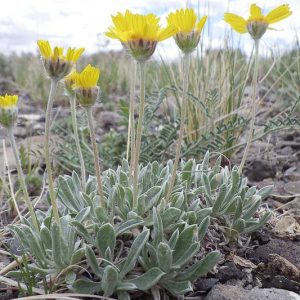
Tetraneuris acaulis (Angelita Daisy)
Verbesina encelioides (Golden Crownbeard)

Design like a pollinator pro

  • Stretch bloom from late winter to fall. Pair early nectar (brittlebush, chuparosa) with summer stalwarts (globe mallow, verbena) and fall anchors (rabbitbrush, goldenrod).
  • Plant in drifts. Clumps of five or more plants help pollinators find, learn, and revisit your flowers efficiently. (Best practice echoed across Xerces guides.)
  • Layer structure. Mix trees and shrubs (palo verde, mesquite, desert willow) with perennials and annuals to create shade, windbreaks, and continuous resources.
  • Go easy on irrigation. Deep, infrequent watering builds resilient roots; riparian picks can take more moisture at the edges.
  • Leave a little wild. A small brush pile, bare patches for ground nesters, and seed heads for birds turn a pretty garden into real habitat.

Design Tips That Pollinators Love

  • Sun first: Most nectar plants shine in full sun. Tuck shade lovers on east or north sides of trees and walls.
  • Color signals: Hummingbirds track red and orange tubes. Bees love yellow, blue, and purple. Butterflies land best on flat or clustered flowers.
  • Layer heights: Mounds in front, spires in the middle, shrubs or small trees for structure. This creates flight lanes and shelter.
  • Add water: A shallow saucer with pebbles is a safe sip stop. Refresh often.
  • Leave a little wild: Bare ground patches help ground nesting native bees. Save hollow stems until late spring for cavity nesters.
  • Night shift: White and pale flowers guide moths. If you have room for agaves, they support nectar loving bats at bloom time.

Soil, Water, and Care – Easy and Efficient

Arizona natives are adapted to lean soils and big sky weather. Set them up well and watch them perform.

  • Soil prep: In the low desert, do not over amend. Loosen the planting zone and blend in a small amount of compost where needed.
  • Mulch matters: Two inches of gravel or shredded bark around the root zone reduces heat stress and saves water.
  • Water schedule: Deep soak after planting. Then switch to fewer but deeper irrigations. Extend time between waterings as roots explore.
  • Pruning: Light shape after bloom. Leave some seed heads for finches and winter interest.
  • No fertilizer needed: Most natives prefer low nutrient soils. Too much nitrogen pushes leaves at the expense of flowers.

Milkweed and Monarchs in Arizona

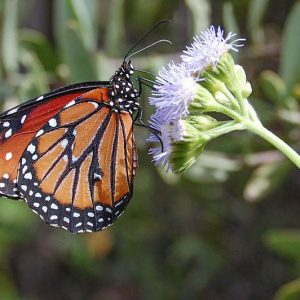
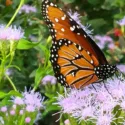
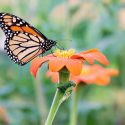
Monarchs and queen butterflies need milkweed for larvae and a rich nectar bar for adults. Mix regional milkweeds with long blooming nectar plants to support both life stages. For a deeper dive and state specific choices, explore Monarch Nectar Plants for Arizona.


References

Updated: November 2025 • Reviewed by Gardenia Editors

Recommended Guides

Monarch Nectar Plants for Arizona
The Ultimate Guide to Native Plants for a Beautiful Garden
The Ultimate Guide to Wildlife-Friendly Plants for a Beautiful Garden
Desert Trees: Stunning and Resilient Trees for Your Garden
Desert Shrubs: Essential Plants for Dry Gardens
Desert Flowers: Bringing Color to Dry Gardens
50 California Wildflowers: From Desert Blooms to Coastal Gems
Desert Plants: Discover 50 Stunning Varieties to Grow
Hedgehog Cactus: A Desert Survivor with Spectacular Blooms
How to Grow and Care for Desert Rose for Beautiful Flowers
Barrel Cactus: An Iconic Desert Plant for Water-Wise Gardens
Cholla Cactus: Iconic Desert Plants
Explore Great Plant Combination Ideas
Western States
Guides with
Western States Arizona
While every effort has been made to describe these plants accurately, please keep in mind that height, bloom time, and color may differ in various climates. The description of these plants has been written based on numerous outside resources.

Guide Information

Native Plants Arizona, Southwest, United States
Attracts Birds, Butterflies, Hummingbirds, Bees
Explore Great Plant Combination Ideas
Western States
Guides with
Western States Arizona

Related Items

Please Login to Proceed

You Have Reached The Free Limit, Please Subscribe to Proceed

Subscribe to Gardenia

To create additional collections, you must be a paid member of Gardenia
  • Add as many plants as you wish
  • Create and save up to 25 garden collections
Become a Member

Plant Added Successfully

Your garden is taking shape. Unlock full planning.

You’ve reached the free limit. Upgrade for $25/year to add as many plants as you wish and save up to 25 garden collections. Unlock Annual Membership

Update Your Credit
Card Information

Cancel

Create a New Collection

Sign Up to Our Newsletter

    You have been subscribed successfully

    Join Gardenia.net

    Create a membership account to save your garden designs and to view them on any device.

    Becoming a contributing member of Gardenia is easy and can be done in just a few minutes. If you provide us with your name, email address and the payment of a modest $25 annual membership fee, you will become a full member, enabling you to design and save up to 25 of your garden design ideas.

    Join now and start creating your dream garden!

    Join Gardenia.net

    Create a membership account to save your garden designs and to view them on any device.

    Becoming a contributing member of Gardenia is easy and can be done in just a few minutes. If you provide us with your name, email address and the payment of a modest $25 annual membership fee, you will become a full member, enabling you to design and save up to 25 of your garden design ideas.

    Join now and start creating your dream garden!
    Find your Hardiness Zone

    Find your Heat Zone

    Find your Climate Zone