Discover New Mexico’s 2023 USDA growing zones, frost dates, and best plants for Albuquerque, Santa Fe, Las Cruces, and the high country. Learn how elevation, desert heat, and monsoon rains affect your garden, and get month-by-month planting tips plus native, drought-tolerant choices for a resilient landscape.
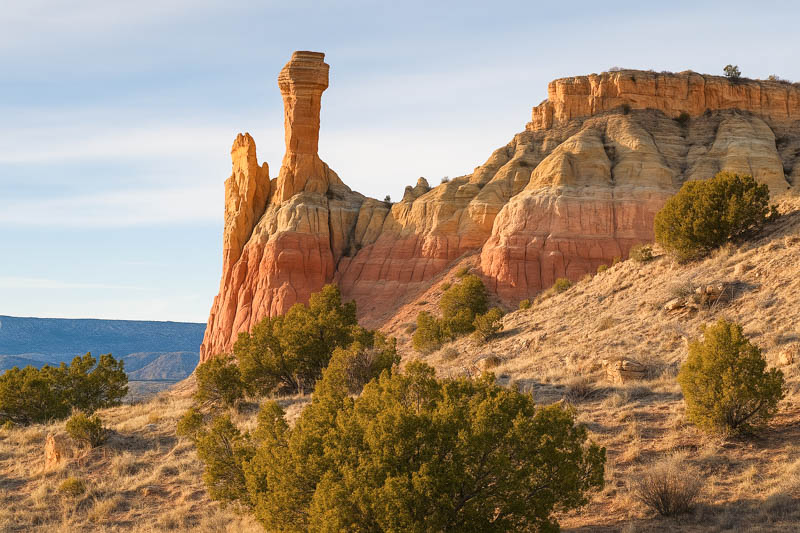


Gardening in New Mexico might mean a fruit-filled backyard in Albuquerque, a high-desert xeriscape in Santa Fe, chile beds in Las Cruces, an irrigated vegetable patch along the Rio Grande, or a short-season plot tucked into a cool mountain valley near Taos. New Mexico planting zones span snowy northern mountains, windy eastern plains, high mesas, and warm southern deserts—each with its own personality.
This guide will help you understand your New Mexico growing zone using the updated 2023 USDA Plant Hardiness Zone Map, plan around frost dates, and choose the best plants for your corner of the Land of Enchantment.
On the 2023 USDA Plant Hardiness Zone Map, New Mexico runs roughly from zone 5a to zone 8b, based on 30-year averages of the coldest winter temperatures (1991–2020). Northern mountain communities and high mesas sit in the colder zones, while southern valleys and lower-elevation deserts fall into the warmer 7–8 zones. Most home gardens land between zones 5b and 8a.
The updated 2023 USDA Plant Hardiness Zone Map uses 30-year climate normals (1991–2020) and more detailed elevation and terrain data than earlier versions. In New Mexico, the map clearly shows colder zones clustered in the northern mountains and higher mesas, with warmer zones tracking the Rio Grande corridor and southern deserts.
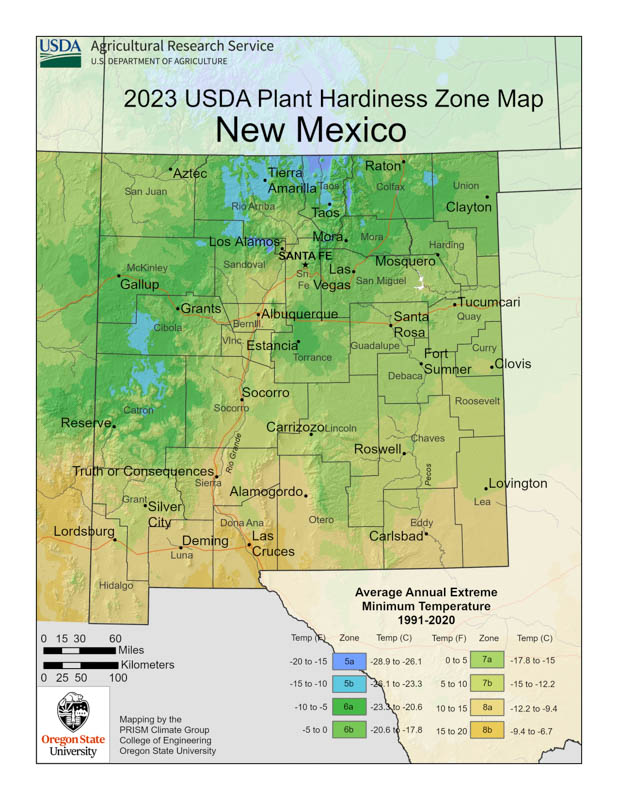
A simplified New Mexico planting zone map based on the 2023 USDA Plant Hardiness Zone Map (1991–2020 climate data).
Use the map together with your ZIP code to pinpoint your New Mexico garden zone. Look up your New Mexico planting zone by ZIP code using the USDA tool, then come back here or visit our Plant Finder for plants tailored to your zone, elevation, and site conditions.
New Mexico’s outline looks simple on a map, but its growing zones and microclimates are anything but. Elevation, canyon orientation, wind, irrigation, urban heat islands, and even nearby adobe walls can shift conditions by a full zone—or more—from one neighborhood to the next.
This includes Albuquerque, Rio Rancho, Corrales, Los Lunas, Belen, parts of Santa Fe’s lower neighborhoods, and many valley communities along the Rio Grande.
Taos, Los Alamos, Chama, Angel Fire, the Jemez, and high country near the Colorado border share crisp mountain air, snowy winters, and very strong sun.
Las Cruces, Deming, Truth or Consequences, parts of Silver City, and the Mesilla Valley enjoy long frost-free seasons and relatively mild winters.
Clovis, Portales, Tucumcari, Roswell, Artesia, Hobbs, Carlsbad, and surrounding ranch country combine prairie winds with hot summers and chilly, sometimes icy winters.
In New Mexico, frost depends heavily on elevation and local microclimate. A sheltered patio in Las Cruces may garden almost year-round, while a high-country bed near Taos can see frost from September into May. Your average last and first frosts determine when to plant tomatoes, protect peppers, and tuck cool-season crops into fall beds.
Across New Mexico, last spring frosts range from mid-March in the warmest southern valleys to late May at higher elevations. First fall frosts may hit northern and high-elevation gardens in late September but often hold off until late October or early November in milder central and southern locations.
| Region / City | Average Last Spring Frost | Average First Fall Frost | Approx. Frost-Free Days |
|---|---|---|---|
| Albuquerque (Central Rio Grande) | Mid April (around Apr 15–20) | Late October (around Oct 28–31) | ~190–210 days |
| Santa Fe (High Desert, ~7,000 ft) | Mid–Late May (around May 20–31) | Early–Mid October (around Oct 1–10) | ~130–150 days |
| Las Cruces (Southern Valleys) | Late March–Late April (around Mar 20–Apr 21) | Late October–Early November (around Oct 26–Nov 4) | ~200–220 days |
| Farmington (Northwest High Desert) | Mid–Late May (around May 11–21) | Late September (around Sep 30) | ~130–140 days |
| Roswell (Eastern Plains) | Mid–Late April (around Apr 22) | Mid October (around Oct 18) | ~170–180 days |
| Taos (Northern Mountains) | Late April (around Apr 21–30) | Early October (around Oct 1–10) | ~150 days |
Dates summarized from regional climate data and frost-date tools; always check a local forecast and ZIP-code–based lookup for the most precise information for your garden.
Use these frost dates as flexible guidelines—your own yard may be warmer or cooler depending on elevation, wind exposure, reflected heat from walls and rock, irrigation, and urban heat. They’re averages, not guarantees, so keep an eye on the forecast during spring and fall cold snaps, and protect tender plants when temperatures dip toward freezing.
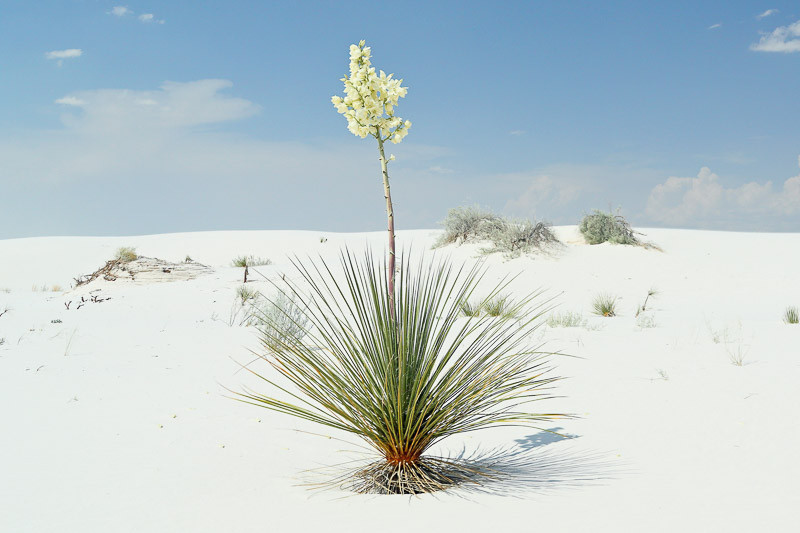
Once you know your New Mexico planting zone—and whether you garden under hot southern sun, along the Rio Grande, or under cool mountain skies—you can work with your climate instead of fighting it. Focus on plants that tolerate intense UV, alkaline soils, low humidity, and big day–night temperature swings. Choose perennials rated for zones 5–8, and time annual plantings around your frost dates and summer heat.
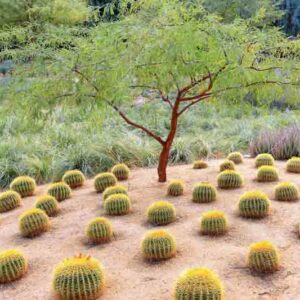
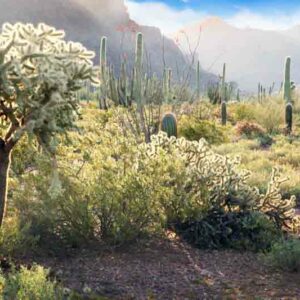
New Mexico native plants are adapted to local soils, wind, and rainfall—and they feed pollinators, birds, and beneficial insects. Mix native wildflowers, shrubs, trees, cacti, and grasses for a resilient, wildlife-friendly landscape that feels authentically New Mexican.
Tap a month to see what to plant in New Mexico by zone. Use this as a starting point, then adjust for your exact frost dates, elevation, and whether you garden in a warm valley, breezy high-desert town, or cool mountain community.
New Mexico gardeners juggle intense sun, drying winds, alkaline soils, monsoon storms, and shifting hardiness zones. These tips help plants thrive from zones 5a to 8b:
While USDA hardiness zones (5a–8b in New Mexico on the 2023 map) tell you how cold it gets in winter, they don’t capture summer heat, monsoon timing, or length of growing season. For Western gardeners, the Sunset Western Garden climate zones are often more precise, factoring in elevation, humidity, and seasonal rainfall in NM (Zones 1A, 2A, 2B, 3A, 10, 12, 13)). New Mexico spans everything from snowy high-mountain Sunset Zones to hot, dry low-desert zones, so consulting both USDA and Sunset maps gives the best picture of what will thrive in your yard.
Now that you understand your New Mexico planting zone, frost dates, and regional climate, you’re ready to choose plants that match your conditions and build a thriving desert—or mountain—garden. Blend edible crops, flowering perennials, and native plants for a landscape that feeds both your household and local wildlife. Curious how New Mexico compares to other regions? Visit our national USDA planting zone guide to explore growing zones across the United States.
New Mexico spans roughly USDA zones 5a–8b on the 2023 Plant Hardiness Zone Map, with most gardens between 5b and 8a. Northern mountains and high mesas are coldest (zones 5–6), while southern valleys and lower deserts fall into zones 7–8 with much longer frost-free seasons.
Use the interactive USDA Plant Hardiness Zone Map. Enter your ZIP code at the USDA website and zoom in to see your zone, based on 1991–2020 average extreme winter lows. This gives a more precise result than guessing from a state map or using older zone charts.
Average last spring frosts are mid-April in Albuquerque, mid- to late May in Santa Fe, and late March to late April in Las Cruces, depending on station and elevation. These dates are statistical averages—use them for planning, but always confirm with current local forecasts each year.
New Mexico averages about 150 frost-free days statewide, but the range is wide. Some southern valley locations enjoy 200+ frost-free days, while high mountain towns may have barely 100–130 days between last and first frosts. Check city-specific frost tables for more accurate local numbers.
Yes. The 2023 USDA map reflects a general warming trend; many areas across the U.S. shifted about a quarter-zone warmer compared to 2012, including parts of New Mexico. That can open the door to slightly less cold-hardy plants, but gardeners should still prioritize drought-tolerant, heat-adapted species.
Cool-season standouts include lettuce, spinach, kale, peas, carrots, beets, and cabbage. Warm-season favorites are chiles, tomatoes, squash, cucumbers, beans, melons, and okra in the warmest zones. Match planting dates to your frost calendar, and use mulch plus drip irrigation to handle heat and low humidity.
In cooler zones 5–7, apples, pears, cherries, and hardy plums respond well to winter chill. In warmer valleys (zones 7–8), low-chill peaches, apricots, figs, pomegranates, and grapes perform beautifully with irrigation and frost protection. Always choose varieties with chill requirements and hardiness ratings that fit your specific zone.
Generally yes. New Mexico natives evolved with local soils, wind, and rainfall patterns, so they usually need less water, fertilizer, and fuss once established. They also support local pollinators and wildlife. Combining natives with a few carefully chosen non-natives is a practical way to build a resilient, water-wise landscape.
Most New Mexico soils are alkaline and low in organic matter. Gardeners usually skip lime and instead add compost, aged manure, and sometimes elemental sulfur to gently lower pH. Raised beds with imported topsoil can be helpful for vegetables where native soil is very compacted or caliche-rich.
Deep, infrequent watering is better than frequent, shallow watering. Drip irrigation, soaker hoses, and basins around trees deliver water to roots with minimal evaporation. Mulch 2–4 inches deep, water early in the day, and group plants by water needs. Local water-agency xeriscape guides offer region-specific tips and plant lists.
Data sources: 2023 USDA Plant Hardiness Zone Map (1991–2020 normals), NOAA frost-date climatology, New Mexico State University Cooperative Extension guidelines.
Updated: December 2025 • Reviewed by Gardenia Editors
| Hardiness |
5 - 8 |
|---|---|
| Climate Zones | 1, 1A, 1B, 2, 2A, 2B, 3, 3A, 3B, 10 |
| Native Plants | United States, Southwest, New Mexico |
| Toxic to Humans | No known toxicity |
| Toxic to Cats | No known toxicity |
| Toxic to Dogs | No known toxicity |
| Toxic to Horses | No known toxicity |
| Hardiness |
5 - 8 |
|---|---|
| Climate Zones | 1, 1A, 1B, 2, 2A, 2B, 3, 3A, 3B, 10 |
| Native Plants | United States, Southwest, New Mexico |
| Toxic to Humans | No known toxicity |
| Toxic to Cats | No known toxicity |
| Toxic to Dogs | No known toxicity |
| Toxic to Horses | No known toxicity |
Create a membership account to save your garden designs and to view them on any device.
Becoming a contributing member of Gardenia is easy and can be done in just a few minutes. If you provide us with your name, email address and the payment of a modest $25 annual membership fee, you will become a full member, enabling you to design and save up to 25 of your garden design ideas.
Join now and start creating your dream garden!
Create a membership account to save your garden designs and to view them on any device.
Becoming a contributing member of Gardenia is easy and can be done in just a few minutes. If you provide us with your name, email address and the payment of a modest $25 annual membership fee, you will become a full member, enabling you to design and save up to 25 of your garden design ideas.
Join now and start creating your dream garden!