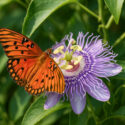
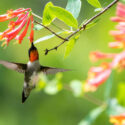
Attract bees, butterflies, and other pollinators to your garden
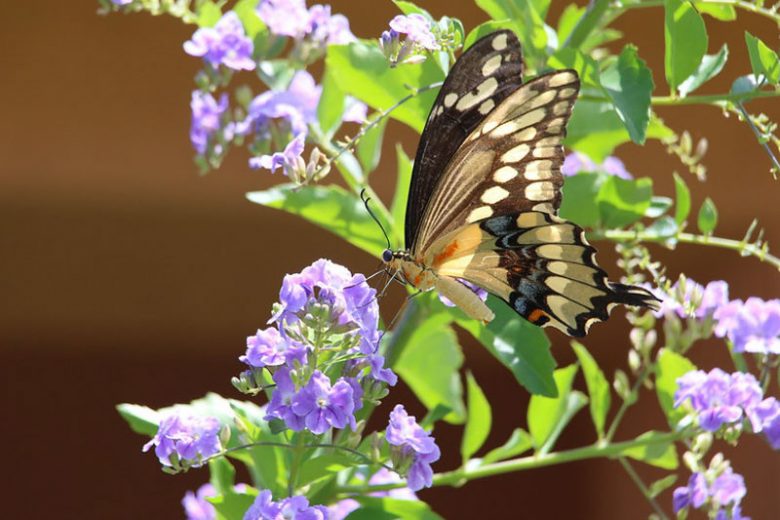


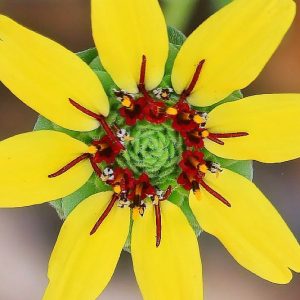
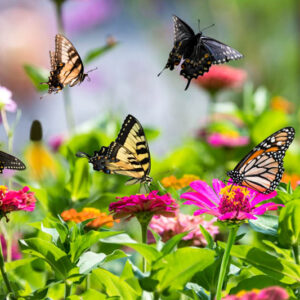
New Mexico is a crossroads of habitats—Southern Rockies, high desert plateaus, piñon–juniper woodlands, and the Chihuahuan Desert. That diversity means you can build a vibrant, water-wise garden that feeds native bees, butterflies, hummingbirds, moths, beetles, and more—whether you garden in Las Cruces, Santa Fe, Farmington, or Portales. The recipe is simple: choose regional natives, layer bloom times from spring through frost, skip pesticides, and water deeply but infrequently. If you’re starting from our best monarch nectar plant list (hello, Chocolate Daisy, Desert Willow, and Rocky Mountain Beeplant!), the ideas below will help you scale it into a complete, region-savvy habitat that hums with life.
Use the quick picks below to build a climate-appropriate, wildlife-friendly palette. Plant lists are aligned with Xerces Society regional recommendations that cover New Mexico’s major ecoregions.
| Native Plants | New Mexico, Southwest, United States |
|---|---|
| Attracts | Birds, Butterflies, Hummingbirds, Bees |
| Toxic to Humans | No known toxicity |
| Toxic to Cats | No known toxicity |
| Toxic to Dogs | No known toxicity |
| Toxic to Horses | No known toxicity |
Soils: Many New Mexico natives are adapted to lean, alkaline soils. In the low desert and high desert alike, avoid heavy amendments. Loosen the planting zone and add only modest compost where infiltration is poor. Mulch with gravel or shredded bark (about 2 inches) to buffer heat and conserve moisture.
Watering: Start with deep soaks to establish, then transition to fewer, deeper irrigations. Stretch the interval as roots explore—especially for desert and steppe species. Use rain-capturing basins, swales, and downspout diversions to concentrate precious monsoon water around shrubs and trees.
Pruning & cleanup: Lightly shape after bloom. Leave some seed heads for winter birds and late-season interest; delay cutting hollow stems until late spring to protect cavity-nesting bees.
Fertilizer: Skip it. Natives are adapted to your soils, and extra nitrogen often means leaves over flowers—less nectar and pollen for the good guys.
Pesticides: Even “natural” sprays can harm pollinators. Choose plants grown without systemic insecticides and avoid broadcast spraying; spot-handpick pests or rely on beneficial insects your habitat will invite.
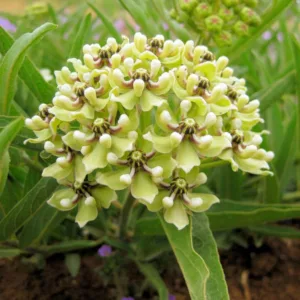
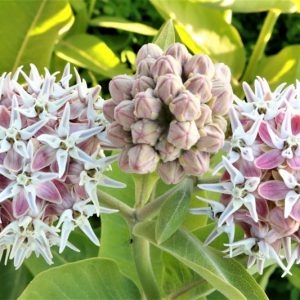
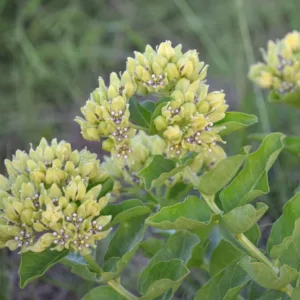
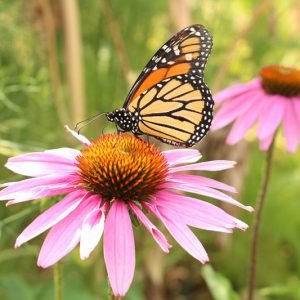
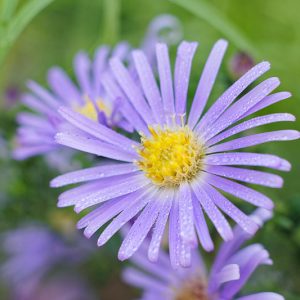
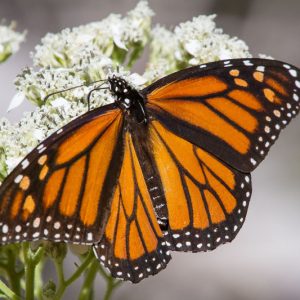
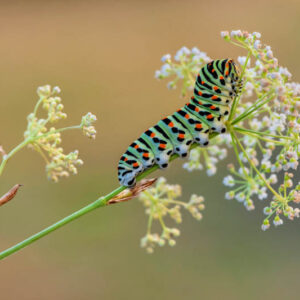
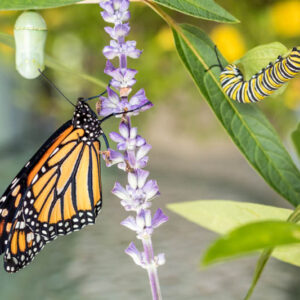
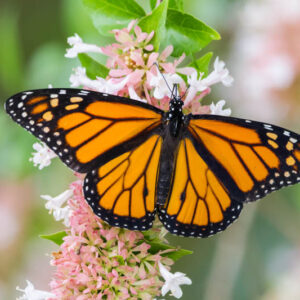
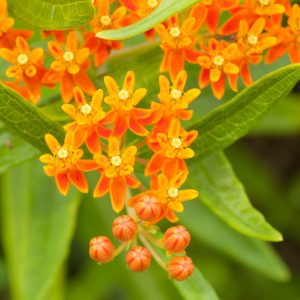
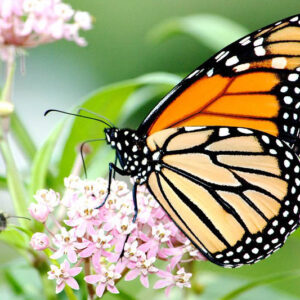
Monarchs and queen butterflies need native milkweeds for their caterpillars and a rich nectar bar for adults. Across New Mexico’s regions, excellent choices include Asclepias speciosa (Showy) and A. asperula (Antelopehorn). Pair milkweeds with summer-to-fall nectar like daleas, native thistles, yarrow, and rabbitbrush to fuel migration and breeding. If space allows, add fall-blooming goldenrods and asters to bridge the late-season gap. For a deeper dive and state specific choices, explore Monarch Nectar Plants for New Mexico.
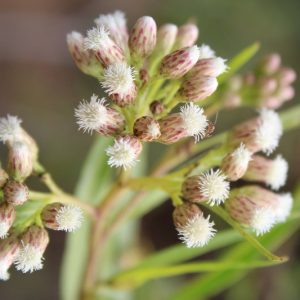
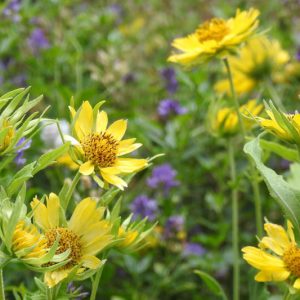
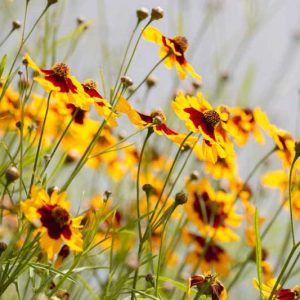
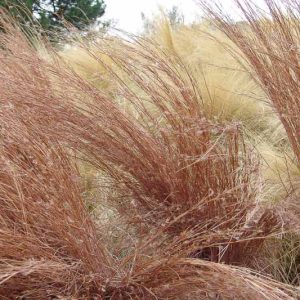
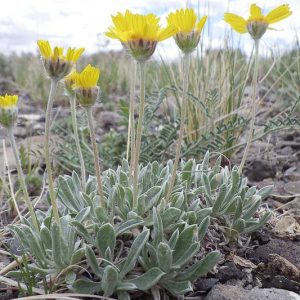
Chihuahuan Desert Front Yard: Berlandiera lyrata (Chocolate Daisy) drifting through Bouteloua curtipendula (Side-oats Grama), with Baccharis salicifolia (Mulefat) near a downspout swale and a specimen Agave lecheguilla for structure. Tuck in Asclepias asperula along a hot, well-drained strip for monarchs.
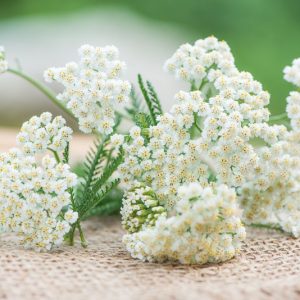
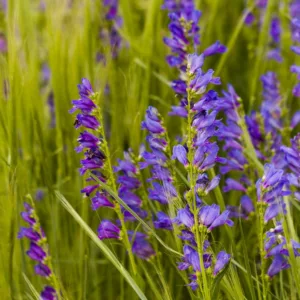
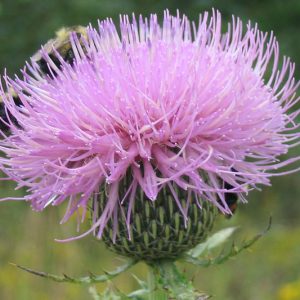
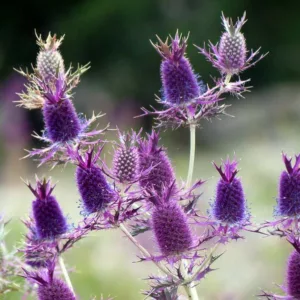
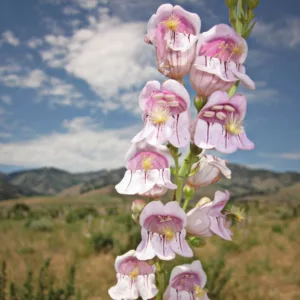
Mountain Meadow Border: Achillea millefolium and Dalea candida as a bee-thrumming matrix, punctuated with Cirsium neomexicanum and backed by Ceanothus fendleri. Add a few Penstemon strictus spires for hummingbirds.
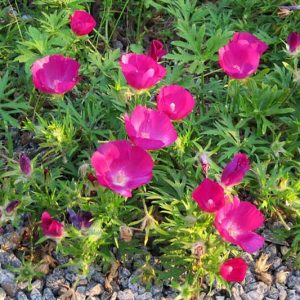
Southern Plains Pollinator Patch: A sweep of Callirhoe involucrata at the front, Asclepias tuberosa and A. viridis mid-bed, with Cephalanthus occidentalis anchoring a rain-garden pocket. Interplant with Bouteloua curtipendula for texture.
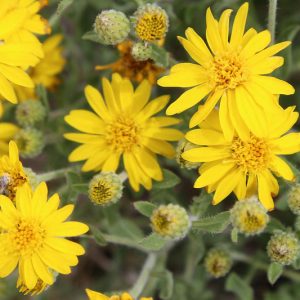
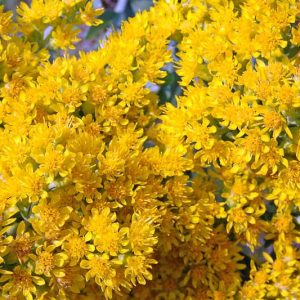
Colorado Plateau Tough-as-Nails Mix: Berberis haematocarpa and Ceanothus fendleri for structure; summer color from Cirsium neomexicanum and Asclepias speciosa; grasses tie it all together. Add Ericameria nauseosa to feed late pollinators.
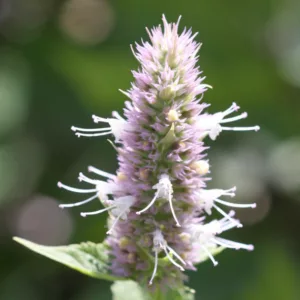
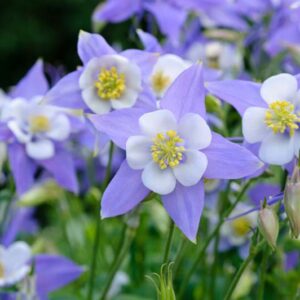
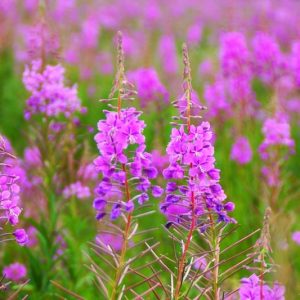
Southern Rockies Summer Ribbon: Thread Agastache urticifolia, Aquilegia coerulea, and Chamerion angustifolium through Bouteloua gracilis—nectar from snowmelt to monsoon with movement and color.
For a typical 10 × 15 ft bed, aim for 5–7 species per season (spring/summer/fall), planted in clumps of 3–5 each. Repeat colors and forms for rhythm. Back the bed with a structural shrub (Desert Willow in warmer zones; ceanothus or manzanita in the mountains), thread in one or two grasses for movement, and fill the rest with nectar producers bees can memorize and revisit. If you’re tucking plants into an existing landscape, convert irrigation to fewer, deeper cycles and add a 2-inch mulch layer to reduce heat stress and stretch water.
Native species that fit your elevation, sun, and soil, offering season-long nectar, pollen, and larval host foliage—without pesticides.
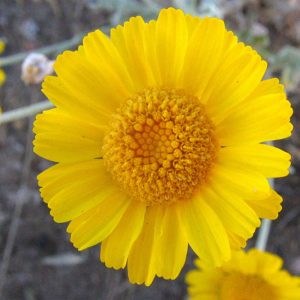
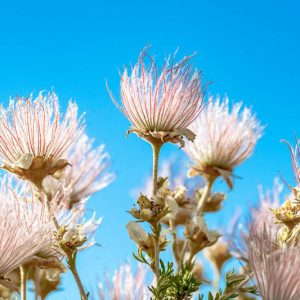
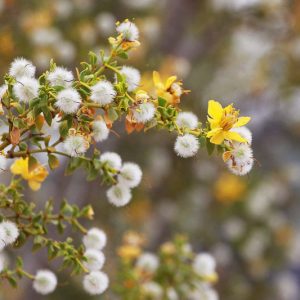
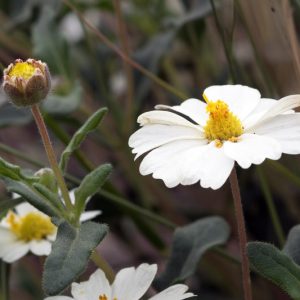
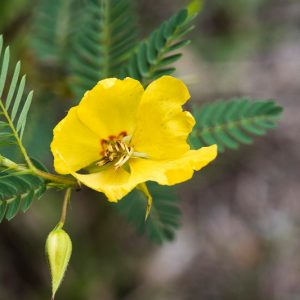
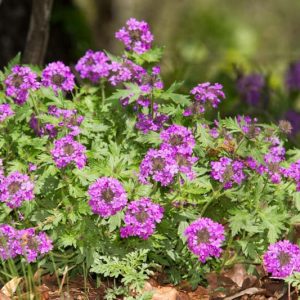
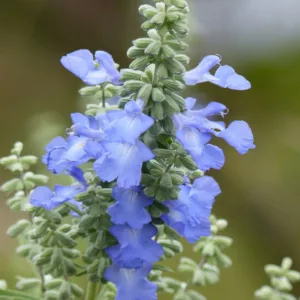
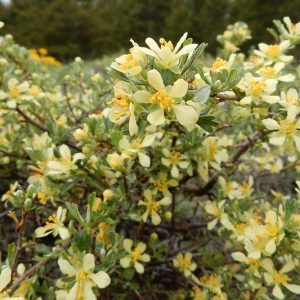
Desert willow, Apache plume, autumn sage, firecracker or Rocky Mountain penstemon, blackfoot daisy, Goodding’s verbena, rabbitbrush.
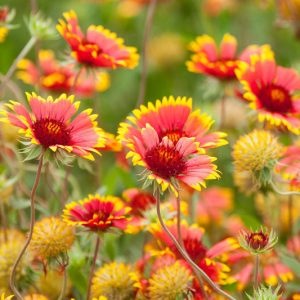
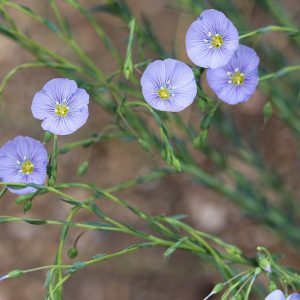
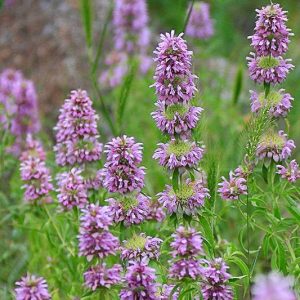
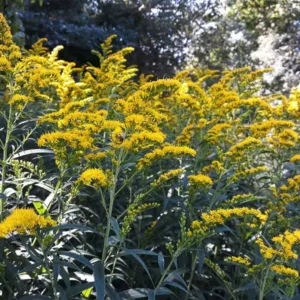
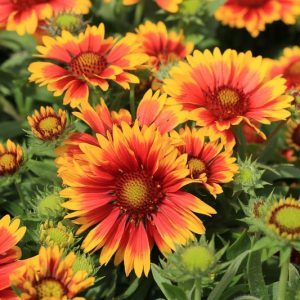
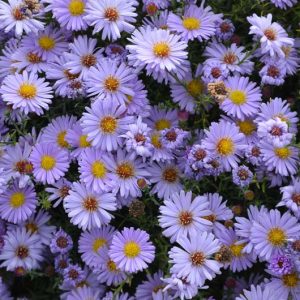
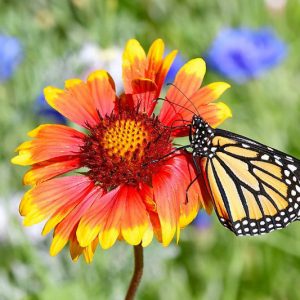
Blanketflower, Rocky Mountain bee plant, penstemon strictus, wild bergamot, blue flax, showy milkweed, goldenrods, native asters.
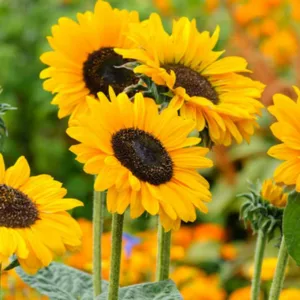
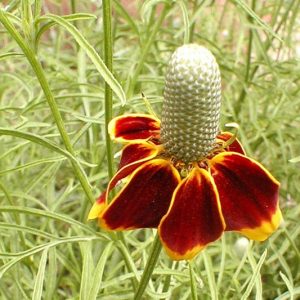
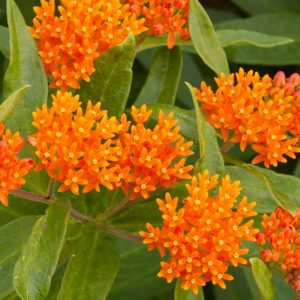
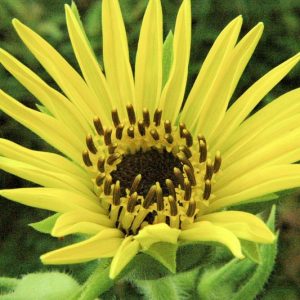
Maximilian sunflower, butterfly weed, prairie coneflower (Mexican hat), green milkweed where native, bee balm, rabbitbrush.
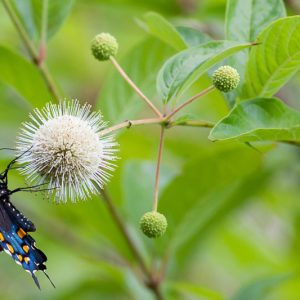
Buttonbush, seep/wetland milkweeds like swamp milkweed, goldenrods, native willows for structure, late-blooming asters.
Yes for caterpillars. Use region-appropriate natives: showy (Asclepias speciosa), antelopehorns (A. asperula), horsetail (A. subverticillata—toxic to livestock), swamp (A. incarnata) in wetter soils.
Yes. Use large, fast-draining pots, a gritty mix, and cluster 3–5 containers with staggered bloom times.
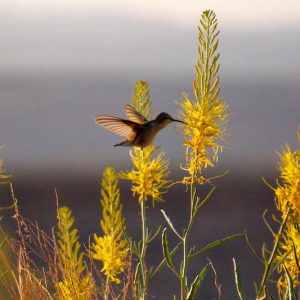
Tubular reds and oranges: penstemons, autumn sage, desert willow, agastache. They’ll also sip many other nectar plants.
Layer early bloomers (penstemons, blue flax), midsummer anchors (blanketflower, sages), and late sources (rabbitbrush, goldenrods, sunflowers).
Often within weeks of first bloom. Keep it pesticide-free, water new plants well, and diversify species for steady traffic
Updated: November 2025 • Reviewed by Gardenia Editors
cuatrok77, Flickr
| Native Plants | New Mexico, Southwest, United States |
|---|---|
| Attracts | Birds, Butterflies, Hummingbirds, Bees |
| Toxic to Humans | No known toxicity |
| Toxic to Cats | No known toxicity |
| Toxic to Dogs | No known toxicity |
| Toxic to Horses | No known toxicity |
Create a membership account to save your garden designs and to view them on any device.
Becoming a contributing member of Gardenia is easy and can be done in just a few minutes. If you provide us with your name, email address and the payment of a modest $25 annual membership fee, you will become a full member, enabling you to design and save up to 25 of your garden design ideas.
Join now and start creating your dream garden!
Create a membership account to save your garden designs and to view them on any device.
Becoming a contributing member of Gardenia is easy and can be done in just a few minutes. If you provide us with your name, email address and the payment of a modest $25 annual membership fee, you will become a full member, enabling you to design and save up to 25 of your garden design ideas.
Join now and start creating your dream garden!