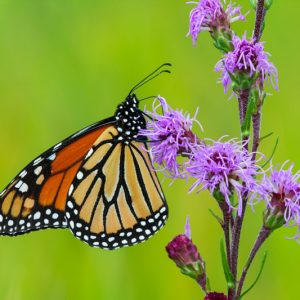
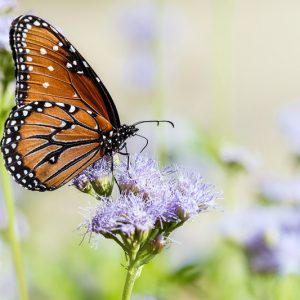
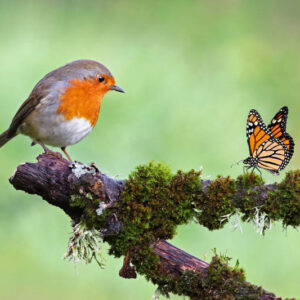
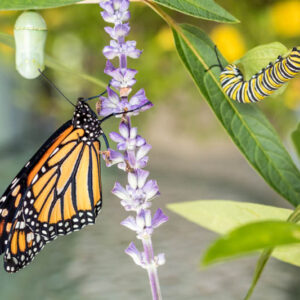
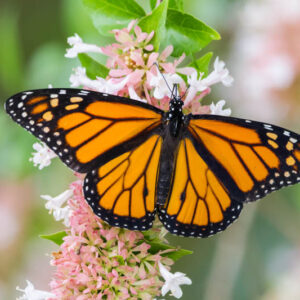
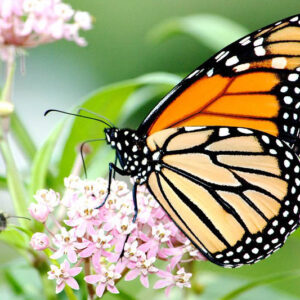
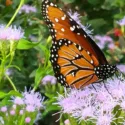
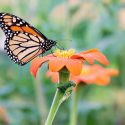
Monarch butterflies are in trouble. To help, plant milkweed and nectar plants that are native to your area and help reverse the fortune of these beautiful insects!
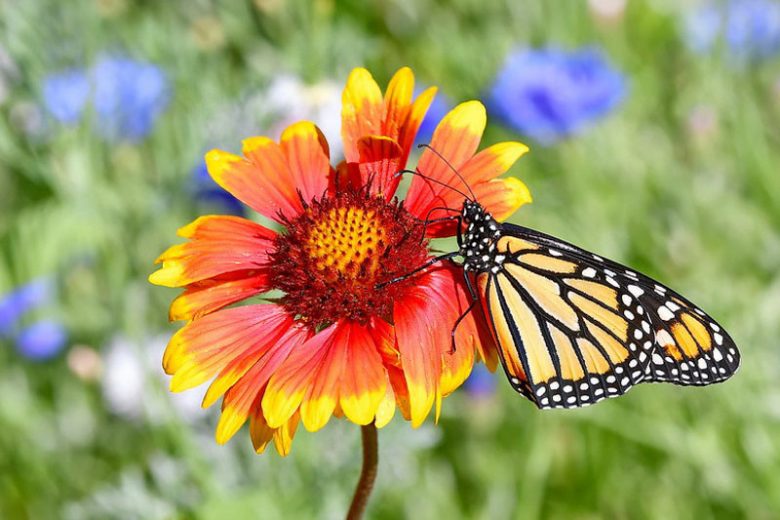


New Mexico bridges deserts, mesas, and mountains, so monarchs find fuel from spring through fall if we plant smart. Use native milkweeds for eggs and caterpillars, then pack your beds with nectar flowers that match your elevation and moisture. The sections below make it easy to mix and match.
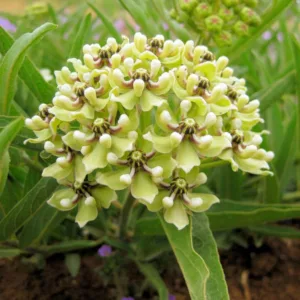
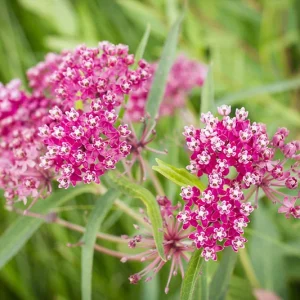
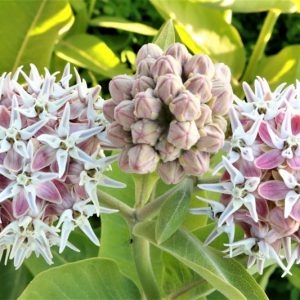
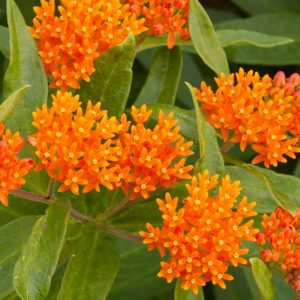
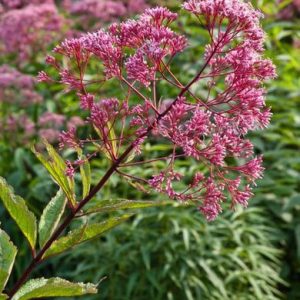
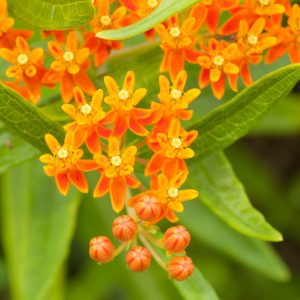
Choose region-ready species and tuck them where they get sun. Great options for New Mexico include Asclepias asperula (antelopehorns), A. speciosa (showy milkweed), A. tuberosa (butterfly milkweed), and A. incarnata (swamp milkweed). Note: A. incarnata likes irrigated or naturally moist pockets; A. tuberosa performs best toward the eastern plains and cooler sites.
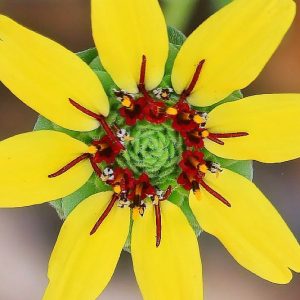
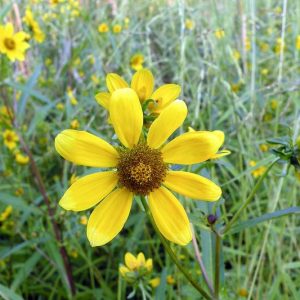
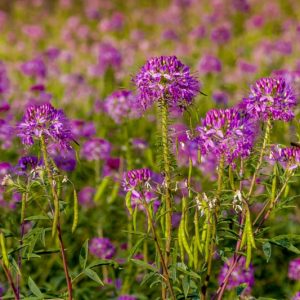
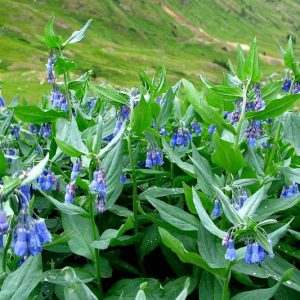
Spring kick-off: Try chocolate flower (Berlandiera lyrata) for morning fragrance and Rocky Mountain beeplant (Cleome serrulata) for quick color that also reseeds. Near wetter edges, plant tall fringed bluebells (Mertensia ciliata).
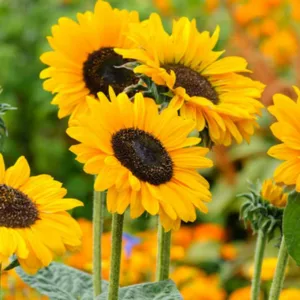
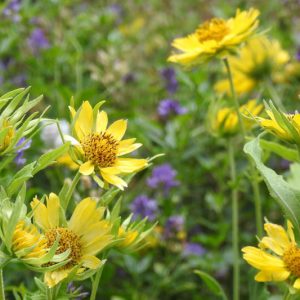
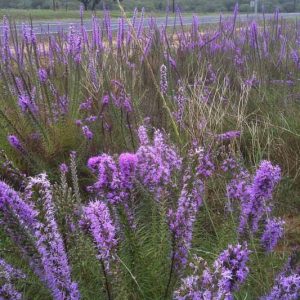
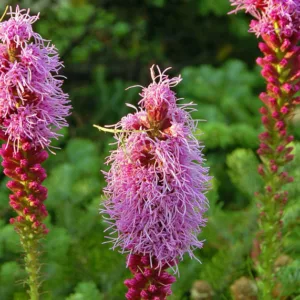
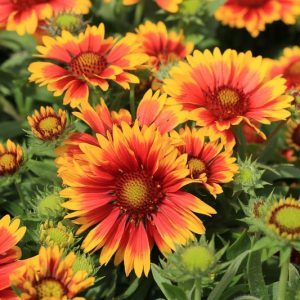
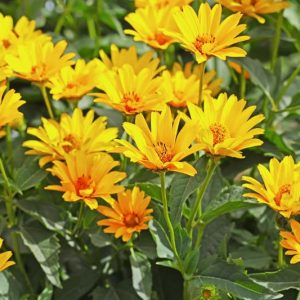
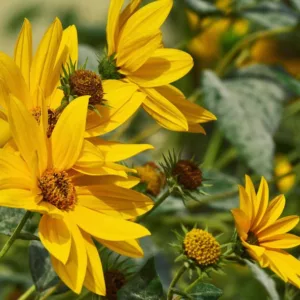
Summer fuel: Mix blanketflower (Gaillardia aristata), dotted or Rocky Mountain blazing star (Liatris punctata and L. ligulistylis), and sunflowers (Helianthus spp.). In riparian strips, smooth beggarticks (Bidens laevis) keeps butterflies busy.
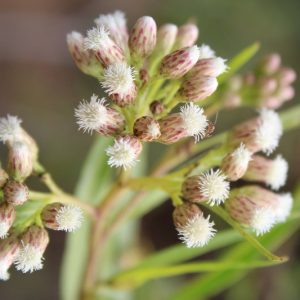
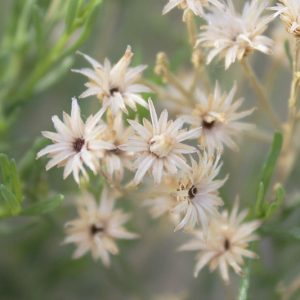
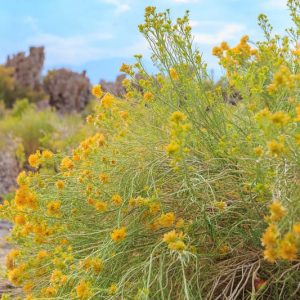
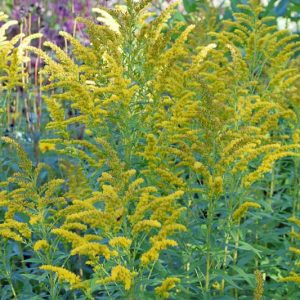
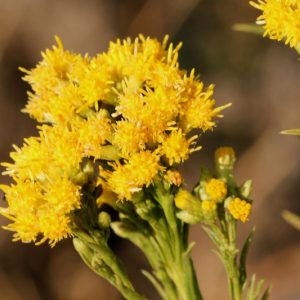
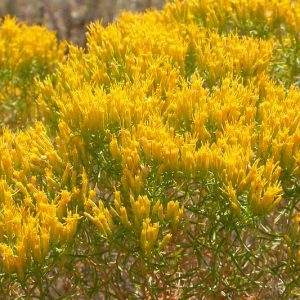
Late-season top-ups: Goldenrods such as Canada goldenrod (Solidago canadensis), plus rabbitbrush (Ericameria nauseosa), carry monarchs into fall. Along washes, seep-willow (Baccharis salicifolia) is a nectar magnet. In warmer valleys with some moisture, add palm-leaf mistflower (Conoclinium greggii) for extra late nectar.
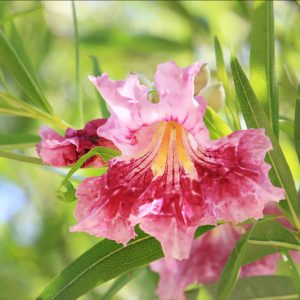
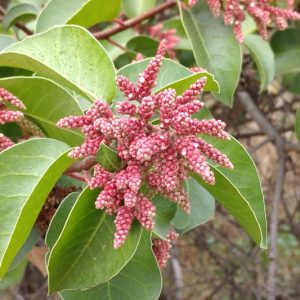
Chihuahuan Desert and low valleys: Use antelopehorns, chocolate flower, and desert willow (Chilopsis linearis). Add seep-willow or desert broom (Baccharis sarothroides) where you have extra moisture or runoff. Palm-leaf mistflower fits here if you can offer periodic irrigation.
High desert and plateaus: showy milkweed and butterfly milkweed pair well with blanketflower, beeplant, and blazing star for long bloom.
Southern Rockies and cool foothills: Include swamp milkweed in damp pockets, plus goldenrods and rabbitbrush for a strong fall show.
| Genus | Asclepias |
|---|---|
| Native Plants | New Mexico, Southwest, United States |
| Attracts | Birds, Butterflies, Hummingbirds |
| Toxic to Humans | No known toxicity |
| Toxic to Cats | No known toxicity |
| Toxic to Dogs | No known toxicity |
| Toxic to Horses | No known toxicity |
Mix one milkweed from your region with several nectar partners across seasons.
What makes a plant “great for New Mexico pollinators”?
Native species matched to your elevation, sun, and soil that provide nectar, pollen, and larval host foliage through spring, summer, and fall—without pesticides.
I’m in southern NM (Chihuahuan Desert). What easy starters should I try?
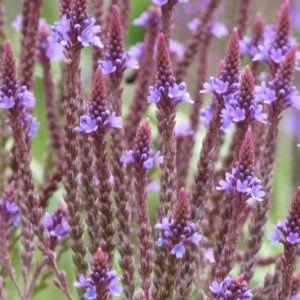
Desert willow, Apache plume, firecracker penstemon, autumn sage, Damianita, blackfoot daisy, verbena (Goodding’s), and rabbitbrush for late-season nectar.
What works in the high country (Santa Fe/Taos and mountains)?
Rocky Mountain bee plant, blanketflower, showy milkweed, penstemon strictus, monarda (wild bergamot), blue flax, and goldenrods for fall.
What about the eastern High Plains?
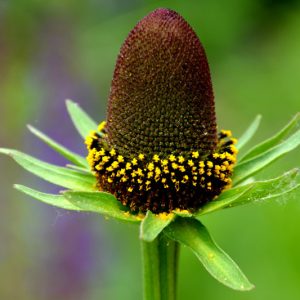
Maximilian sunflower, prairie coneflower (Mexican hat), bee balm, butterfly weed, green milkweed (where native), and native asters.
And along the Rio Grande or other moist spots?
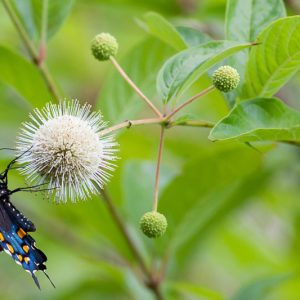
Buttonbush, seep/wetland milkweeds like swamp milkweed, goldenrod, native willows/cottonwoods for structure, and late asters.
Do I need milkweed to help monarchs?
For caterpillars, yes. Choose region-appropriate milkweeds such as showy (A. speciosa), antelopehorns (A. asperula), horsetail (A. subverticillata—note livestock toxicity), and swamp (A. incarnata) in wetter sites.
Is tropical milkweed recommended?
No. Stick with native milkweeds. If tropical milkweed is already present, cut it to the ground in winter or replace it with natives.
Which flowers pull in hummingbirds?
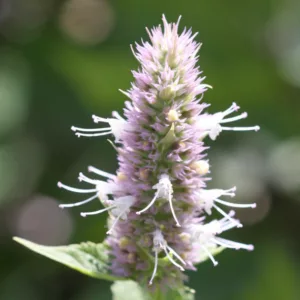
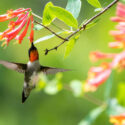
Tubular reds/oranges like firecracker penstemon, autumn sage, desert willow, and agastache. They’ll also visit many other nectar-rich blooms.
Which blooms keep bees happy all season?
Layer early (blue flax, penstemons), mid (blanketflower, sages), and late (rabbitbrush, goldenrods, sunflowers) to avoid nectar gaps.
How do I support native bees specifically?
Provide continuous bloom, leave a small patch of bare, undisturbed soil for ground nesters, include bunchgrasses for shelter, and avoid pesticides.
How fast will pollinators show up?
Often within weeks of first blooms. Keep it pesticide-free, water new plants well, and diversify species for steady traffic.
Fire-wise tips for wildland–urban edges?
Keep the first 5 feet from buildings lean and clean, place woody shrubs farther out, and maintain clear, well-watered zones for defensible space.
Sources: Xerces Society, Monarch Nectar Plants – Southwest and Monarch Nectar Plants – Rocky Mountains. Both guides list regionally native plants visited by monarchs and include seasonal notes, water needs, and tree and shrub options.
Updated: November 2025 • Reviewed by Gardenia Editors
tdlucas5000, Flickr
| Genus | Asclepias |
|---|---|
| Native Plants | New Mexico, Southwest, United States |
| Attracts | Birds, Butterflies, Hummingbirds |
| Toxic to Humans | No known toxicity |
| Toxic to Cats | No known toxicity |
| Toxic to Dogs | No known toxicity |
| Toxic to Horses | No known toxicity |
Create a membership account to save your garden designs and to view them on any device.
Becoming a contributing member of Gardenia is easy and can be done in just a few minutes. If you provide us with your name, email address and the payment of a modest $25 annual membership fee, you will become a full member, enabling you to design and save up to 25 of your garden design ideas.
Join now and start creating your dream garden!
Create a membership account to save your garden designs and to view them on any device.
Becoming a contributing member of Gardenia is easy and can be done in just a few minutes. If you provide us with your name, email address and the payment of a modest $25 annual membership fee, you will become a full member, enabling you to design and save up to 25 of your garden design ideas.
Join now and start creating your dream garden!