Create Your Garden

Monarch Nectar Plants for Tennessee

Discover Tennessee natives monarchs crave. From butterfly weed to showy goldenrod, get easy, pesticide-free choices for nonstop bloom and migration fuel.
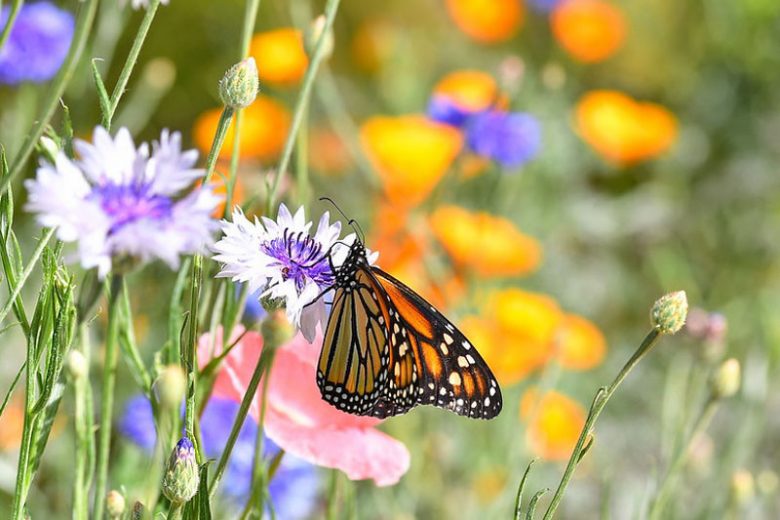
Monarch Butterflies, Monarch Plants, Pollinator Plants, Butterfly Plants, Hummingbird Plants, Bee Plants, Southeast Plants, Tennessee Native Plants, Native Plants

Monarch Nectar Plants for Tennessee: A Bloom-by-Bloom Game Plan

Tennessee stretches from Mississippi River lowlands to the Cumberland Plateau and the Great Smokies, creating a perfect refueling corridor for monarch butterflies. To improve your monarch habitat, focus on two simple moves: plant native milkweeds for caterpillars and keep nectar flowing from spring to hard frost. Below you will find every monarch friendly nectar plant featured in the Xerces Society’s Southeast guide, translated into a practical Tennessee plan. A few species prefer coasts or very sandy soils and are flagged so you can zero in on what thrives in the Volunteer State.

Tennessee Monarch Garden at a Glance

  • Right list for the region – the plants below come from the Southeast monarch nectar guide and are reliable Tennessee picks.
  • Start with native milkweed – pair Asclepias tuberosa butterfly weed, A. incarnata swamp milkweed, and A. verticillata whorled milkweed to host caterpillars and add nectar.
  • Stagger bloom times – aim for overlapping early, mid, and late flowers so adults can refuel from April through November.
  • Plant in generous clumps – drifts of 3 to 7 plants are easier for monarchs to find and look intentional in a landscape.
  • Go pesticide free – avoid systemics. Always ask nurseries how stock was grown.

Milkweed First

Milkweed is the nursery for monarch caterpillars. In Tennessee, these three are dependable and easy to pair with your nectar lineup:

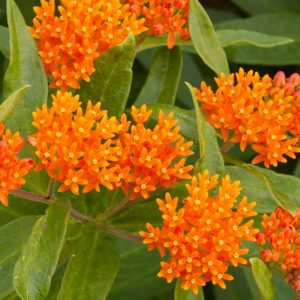
  • Butterfly milkweed (Asclepias tuberosa) – a sun loving, drought tolerant anchor for dry to medium soils. Excellent for slopes, mailbox beds, and prairie style pockets.
  • Swamp milkweed (A. incarnata) – ideal for rain gardens, ditches, and pond edges where the soil stays evenly moist.
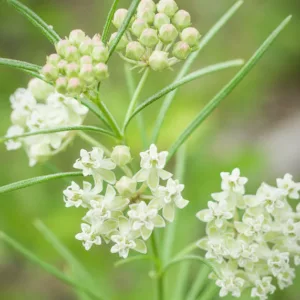
  • Whorled milkweed (A. verticillata) – slim, airy foliage that tucks between taller perennials and thrives in sunny, lean sites.
A quick caution about tropical milkweed (Asclepias curassavica) – it is non native and can disrupt migration and increase parasite issues. Choose natives for healthier monarchs.

Nectar All Season in Tennessee

Monarchs pass through Tennessee from spring to late fall. Think in waves so there is always something in bloom. The complete Southeast list appears in the sections below, organized for practical planting and with your original links where relevant.

Spring kick off – Wake up the garden with early fuel that bridges to summer:

  • Bristle or yellow thistle (Cirsium horridulum) – outstanding early nectar where it naturally occurs. Use only if locally appropriate and sourced ethically.
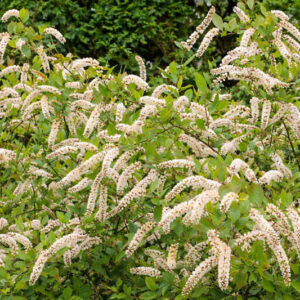
  • Virginia sweetspire (Itea virginica) – a handsome shrub with bottlebrush flowers in late spring and fiery fall color. Perfect for rain garden rims and streamside edges.
  • Butterfly milkweed (Asclepias tuberosa) – doubles as host plant and nectar station in sunny, well drained spots.

Spring to fall steady players – These can stretch bloom across long windows:

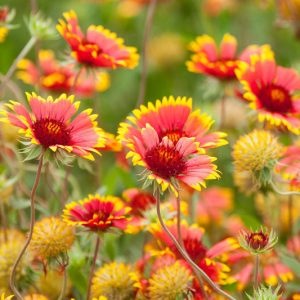
  • Beach blanketflower (Gaillardia pulchella) – a colorful annual style nectar bar for very sandy, lean soils. Best where heat reflects off gravel or sand.
  • Whorled milkweed (Asclepias verticillata) – feathery texture and steady nectar that fits easily between taller perennials.

Summer fuel – Layer heights and textures for busy midsummer gardens:

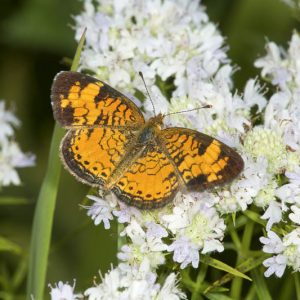
  • Slender mountainmint (Pycnanthemum tenuifolium) – tidy mounds topped with nectar rich white clusters. A constant pollinator magnet.
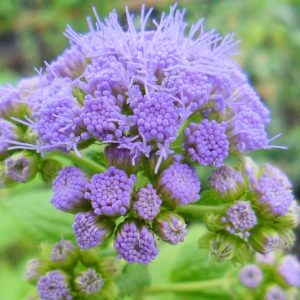
  • Blue mistflower (Conoclinium coelestinum) – billowing blue that spreads politely to fill edges and rain garden shelves. Great bridge from late summer into fall.
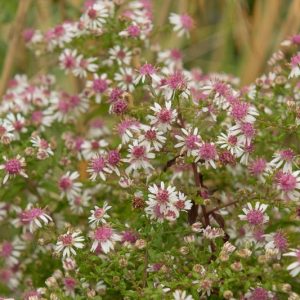
  • Calico aster (Symphyotrichum lateriflorum) – a froth of tiny daisies that keep monarchs pausing in early fall. Great along fences and woodland edges.
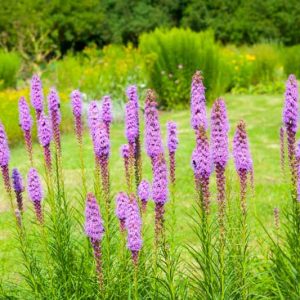
  • Dense blazing star (Liatris spicata) – vertical purple wands that draw butterflies, bees, and even hummingbirds. Perfect for sunny borders and prairie pockets.
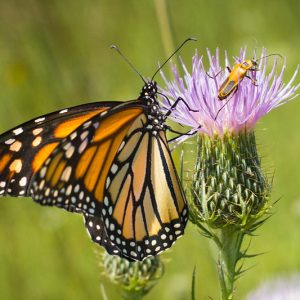
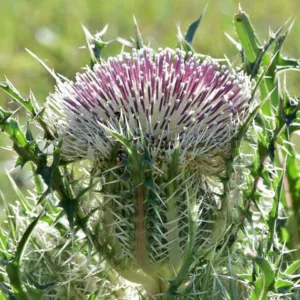
  • Field thistle (Cirsium discolor) – a native biennial and butterfly magnet. Let a few seed each year so you always have second year bloomers.
  • Frostweed (Verbesina virginica) – sturdy stems, generous nectar, and those quirky icy ribbons that form in winter cold snaps.
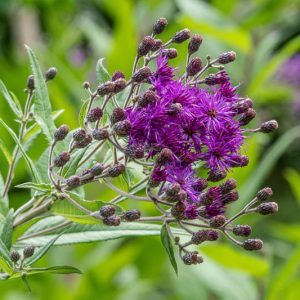
  • Giant ironweed (Vernonia gigantea) – tall purple fireworks. Cut back by half in late spring if you want a shorter, bushier plant that still blooms abundantly.
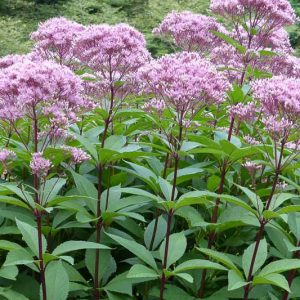
  • Joe Pye weed (Eutrochium fistulosum) – a moisture loving giant with domes of mauve flowers that monarchs mob. Excellent for rain gardens and low swales.
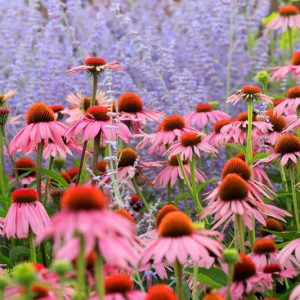
  • Purple coneflower (Echinacea purpurea) – generous nectar through summer and sturdy seed heads for goldfinches later on.
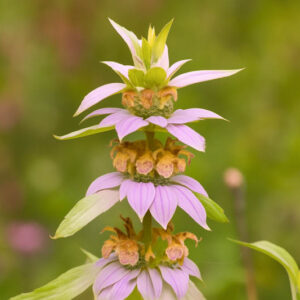
  • Spotted beebalm (Monarda punctata) – stacks of soft pastel bracts on a plant that relishes hot, sandy beds and open berms. Highly attractive to beneficial wasps and native bees.
  • Swamp milkweed (Asclepias incarnata) – a must for wet zones. Pair with blue mistflower for a long nectar season.
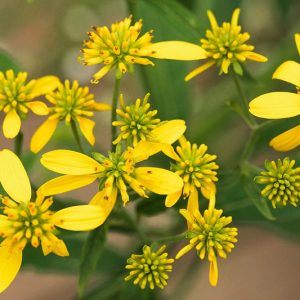
  • Wingstem (Verbesina alternifolia) – tall clusters of yellow daisies that hum at season’s end. Tough and adaptable.

Fall top ups – Prime the migration with high octane nectar:

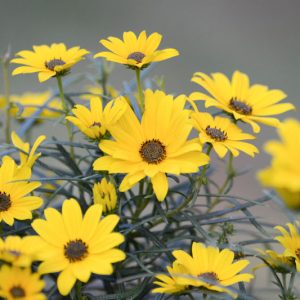
  • Narrowleaf sunflower (Helianthus angustifolius) – one of the latest blooming sunflowers and a key fuel source when nights begin to cool.
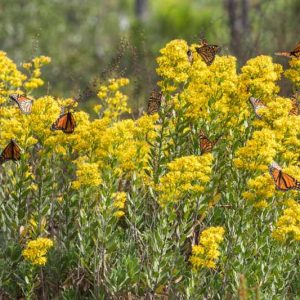
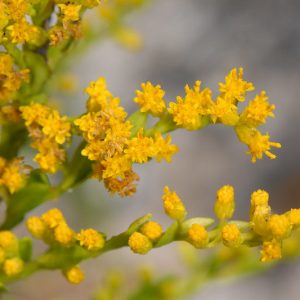
  • Showy goldenrod (Solidago speciosa) – an upright, drought wise goldenrod that pairs beautifully with ironweed and asters.
  • Seaside goldenrod (Solidago sempervirens) – best on very sandy or coastal like sites such as hot sandbars and gritty parking lot islands. A late nectar powerhouse where soils are lean and fast draining.
  • Smooth beggartick (Bidens laevis) – bright gold rays to frost in wet ditches, pond margins, and rain garden basins.

Shrubs and small trees – Structure meets nectar for borders and pond edges:

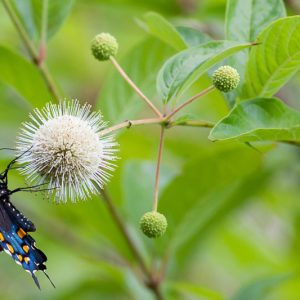
  • Buttonbush (Cephalanthus occidentalis) – spherical, fragrant blooms that butterflies love. A natural for wet soils, shorelines, and swales.
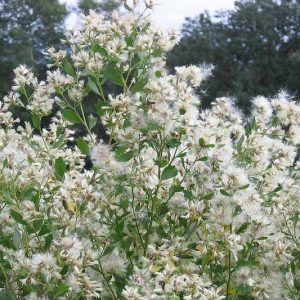
  • Eastern baccharis (Baccharis halimifolia) – a salt tolerant, late flowering shrub for sandy, open, heat reflecting sites. Use selectively where conditions are right.

Guide Information

Genus Asclepias
Native Plants Southeast, Tennessee, United States
Attracts Birds, Butterflies, Hummingbirds

Best Monarch Nectar Plants for Tennessee

Asclepias incarnata (Swamp Milkweed)
Asclepias tuberosa (Butterfly Milkweed)
Asclepias verticillata (Whorled Milkweed)
Cephalanthus occidentalis (Buttonbush)
Cirsium discolor (Field Thistle)
Conoclinium coelestinum (Blue Mistflower)
Eutrochium fistulosum (Joe-Pye Weed)
Rudbeckia hirta (Black-Eyed Susan)
Helianthus angustifolius (Swamp Sunflower)
Liatris spicata (Blazing Star)
Monarda punctata (Spotted Bee Balm)
Pycnanthemum tenuifolium (Narrowleaf Mountain Mint)
Solidago speciosa (Showy Goldenrod)
Verbesina alternifolia (Wingstem)
Vernonia gigantea (Giant Ironweed)
Gaillardia pulchella (Firewheel)
Cirsium horridulum (Bull Thistle)
Symphyotrichum lateriflorum var. horizontale (Horizontal Calico Aster)
Itea virginica (Virginia Sweetspire)
Baccharis halimifolia (Eastern Baccharis)
Echinacea purpurea (Purple Coneflower)
Bidens laevis (Smooth Beggartick)
Verbesina virginica (Frostweed)
Solidago sempervirens (Seaside Goldenrod)

Build Your Tennessee Bloom Calendar

Use these mix and match recipes to keep nectar flowing across the growing season. Compare with your local conditions, then tailor with the full list above.

Spring starter set

Summer surge

Fall migration buffet

Planting by Place

Moist or seasonally soggy spots – lean into swamp milkweed, Joe Pye weed, buttonbush, smooth beggartick, and narrowleaf sunflower. These pump nectar just when monarchs are most abundant in late summer and fall.

Sunny, well drained beds – choose butterfly milkweed, slender mountainmint, dense blazing star, purple coneflower, showy goldenrod, spotted beebalm, and wingstem for a drought wise border full of pollinators.

Edges and meadows – mix field thistle let it reseed, giant ironweed, frostweed, and calico aster to create layered bloom and wildlife structure.

Coastal or very sandy specialists – if you garden on river sandbars or extra sandy, heat reflecting beds in west Tennessee, try beach blanketflower, seaside goldenrod, eastern baccharis, and clustered bushmint where locally appropriate.

Design Tips that Help Monarchs

  • Group by species – plant 3 to 7 of the same plant together so butterflies can fuel up quickly.
  • Stagger heights – tall nectar towers like giant ironweed, Joe Pye weed, and wingstem go in the back. Mid heights such as blazing star, coneflower, and showy goldenrod fill the middle. Edges get whorled milkweed and mountainmint.
  • Think water – set moisture lovers where gutters drain or soils stay damp. Park drought tolerant species on sunny, quick draining mounds.
  • Leave the leaves – skip full fall cleanup in wildlife corners. Standing stems and seed heads feed birds and shelter beneficial insects.
  • Source clean plants – ask for pesticide free stock and steer clear of neonicotinoids that can contaminate nectar and leaves.

Small Space Recipes

  • Sunny strip – 3 butterfly milkweed, 5 dense blazing star, and a front edge of blue mistflower. Low water and high butterfly traffic.
  • Rain garden corner – 1 buttonbush as the anchor, 3 swamp milkweed, 3 Joe Pye weed, and a bright patch of smooth beggartick for fall color through frost.
  • Meadow tub – in a large planter, mix slender mountainmint, showy goldenrod choose a compact selection if available, and a single purple coneflower. Deadhead lightly to extend bloom.

Quick Plant Picker

  • Full sun, dry to mediumbutterfly milkweed, slender mountainmint, dense blazing star, purple coneflower, showy goldenrod, spotted beebalm, wingstem.
  • Sun to part sun, moistswamp milkweed, Joe Pye weed, buttonbush, smooth beggartick, narrowleaf sunflower, Virginia sweetspire.
  • Edges and light shadecalico aster, frostweed, wingstem, field thistle. Give it air and room to reseed.
  • Coastal or very sandy sitesseaside goldenrod, eastern baccharis, beach blanketflower, clustered bushmint. Optional in most Tennessee gardens.
Care notes for easy success ▾
  • Water deeply the first two weeks after planting, then taper. Most natives shrug off Tennessee summers once established.
  • Mulch 2 to 3 inches to hold moisture and limit weeds, but keep mulch pulled back from crowns and milkweed stems.
  • Deadhead purple coneflower and dense blazing star lightly for a tidier look, or let seeds mature for finches.
  • Allow a patch for biennials like field thistle to reseed so you always have first year rosettes and second year bloomers.

Neighborhood Friendly, Wildlife Forward

Keep it tidy and wild – repeat groupings, add crisp edges, and front your beds with short nectar plants like slender mountainmint or whorled milkweed so the whole planting reads as intentional. A small Monarch Habitat or Pesticide Free sign invites curiosity and support.

Swap the look alikes – if a nursery offers non native butterfly bush, counter with a combo of Virginia sweetspire and showy goldenrod. You get color, seasonal structure, and authentic wildlife value.

Frequently Asked Questions

What are the best native milkweeds for Tennessee?

Butterfly milkweed (Asclepias tuberosa), swamp milkweed (Asclepias incarnata), and whorled milkweed (Asclepias verticillata). These cover dry, moist, and lean soils across the state.

Do I need milkweed if I am mainly planting nectar flowers?

Yes. Nectar feeds adult monarchs, but caterpillars can only eat milkweed leaves. Include at least one native milkweed patch.

Which nectar plants are easy Tennessee starters?

Dense blazing star, purple coneflower, slender mountainmint, blue mistflower, showy goldenrod, wingstem, and narrowleaf sunflower. Add Joe Pye weed or buttonbush if you have moisture.

When should I plant?

Plant potted natives in spring or early fall. Sow milkweed seed outdoors in fall or winter so natural cold stratification improves germination.

What is a simple bloom calendar for Tennessee?

Spring: butterfly milkweed, Virginia sweetspire, field thistle (where appropriate).
Summer: dense blazing star, purple coneflower, slender mountainmint, blue mistflower, Joe Pye weed, giant ironweed.
Fall: showy goldenrod, wingstem, narrowleaf sunflower, frostweed, smooth beggartick in wet spots.

Can I grow monarch plants in containers?

Yes. Use a large pot (at least 14 to 20 inches wide) with a gritty, well draining mix. Good choices include butterfly milkweed, dense blazing star, slender mountainmint, and compact goldenrods. Water more often than in ground plantings.

Primary source: Xerces Society. Monarch Nectar Plants – Southeast.

Prepared for Tennessee gardeners seeking long season monarch nectar.

Compare All Asclepias (Milkweed)
Compare Now
Explore Great Plant Combination Ideas
Asclepias (Milkweed)
Explore Great Plant Combination Ideas
Middle South
Guides with
Middle South Tennessee
While every effort has been made to describe these plants accurately, please keep in mind that height, bloom time, and color may differ in various climates. The description of these plants has been written based on numerous outside resources.

Guide Information

Genus Asclepias
Native Plants Southeast, Tennessee, United States
Attracts Birds, Butterflies, Hummingbirds
Compare All Asclepias (Milkweed)
Compare Now
Explore Great Plant Combination Ideas
Asclepias (Milkweed)
Explore Great Plant Combination Ideas
Middle South
Guides with
Middle South Tennessee

Related Items

Please Login to Proceed

You Have Reached The Free Limit, Please Subscribe to Proceed

Subscribe to Gardenia

To create additional collections, you must be a paid member of Gardenia
  • Add as many plants as you wish
  • Create and save up to 25 garden collections
Become a Member

Plant Added Successfully

Your garden is taking shape. Unlock full planning.

You’ve reached the free limit. Upgrade for $25/year to add as many plants as you wish and save up to 25 garden collections. Unlock Annual Membership

Update Your Credit
Card Information

Cancel

Create a New Collection

Sign Up to Our Newsletter

    You have been subscribed successfully

    Join Gardenia.net

    Create a membership account to save your garden designs and to view them on any device.

    Becoming a contributing member of Gardenia is easy and can be done in just a few minutes. If you provide us with your name, email address and the payment of a modest $25 annual membership fee, you will become a full member, enabling you to design and save up to 25 of your garden design ideas.

    Join now and start creating your dream garden!

    Join Gardenia.net

    Create a membership account to save your garden designs and to view them on any device.

    Becoming a contributing member of Gardenia is easy and can be done in just a few minutes. If you provide us with your name, email address and the payment of a modest $25 annual membership fee, you will become a full member, enabling you to design and save up to 25 of your garden design ideas.

    Join now and start creating your dream garden!
    Find your Hardiness Zone

    Find your Heat Zone

    Find your Climate Zone