Cowitch Vine, Climbing Hydrangea, Woodvamp, Decumaria
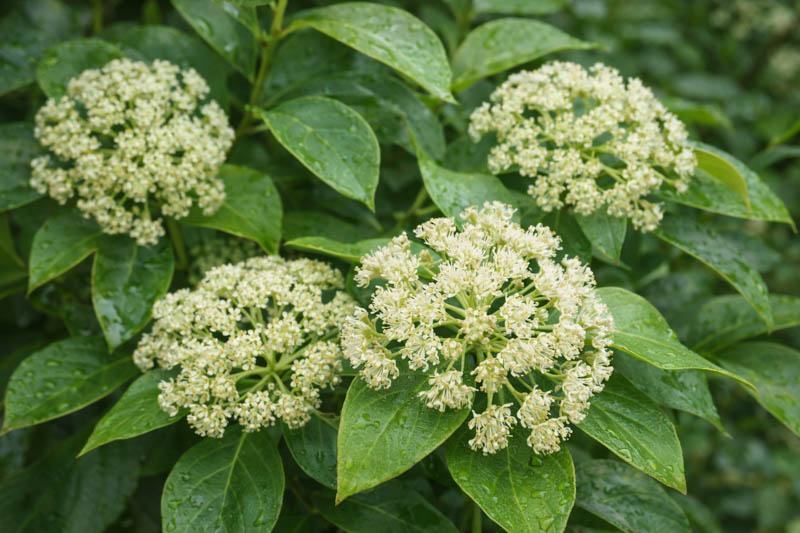


If you’ve ever wandered through the quiet woodlands of the American Southeast and noticed a vine elegantly scaling trees with lush, heart-shaped leaves and frothy clusters of creamy-white blooms, you may have met Decumaria barbara. Commonly called Climbing Hydrangea Vine or Woodland Hydrangea, this native, deciduous to semi-evergreen climber brings a refined charm to shaded and moist garden spaces. With its gentle climbing habit, fragrant late-spring flowers, and wildlife-friendly character, Decumaria barbara is a standout choice for gardeners seeking a naturalistic, low-maintenance vine with year-round interest.
Decumaria barbara thrives in partial shade to full shade, especially in woodland-like conditions with moist, fertile, well drained soil. Native to swamps, streamsides, and floodplain forests, it is naturally adapted to humidity, filtered light, and soils enriched with leaf litter. Perfect for naturalized borders, woodland gardens, trellises, arbors, living screens, and pollinator-supportive landscapes, this vine offers beauty and ecological value without becoming aggressive or overwhelming.
Summary: A native, climbing deciduous to semi-evergreen vine with fragrant summer flowers and a graceful woodland presence.
Use: Woodland gardens, shade borders, trellises, naturalized sites, wetland edges, wildlife gardens.
Highlight: Fragrant creamy-white clusters in late spring to early summer; gentle climbing habit using aerial rootlets.
Note: Ideal for naturalistic settings; climbs trees without harming healthy trunks.
| Botanical Name | Decumaria barbara |
|---|---|
| Family | Hydrangeaceae |
| Common Names | Climbing Hydrangea Vine, Wood Vamp, Southern Decumaria |
| Native Range | Southeastern United States – swamps, floodplains, wet forests. |
| Plant Type and Habit | Deciduous to semi-evergreen vine climbing by aerial rootlets; can form groundcover mats. |
| Hardiness (approx. USDA) | Zones 6 to 8 |
| Size | Climbs 12 to 35 ft. or more with support; spreads widely as a groundcover. |
| Sun and Exposure | Best in part shade to full shade. |
| Soil | Moist, rich, acidic to neutral soil; tolerates wet conditions. |
| Seasonal Interest | Late spring flowers, attractive foliage, and elegant branching structure. |
| Primary Uses | Woodland trellises, naturalized edges, wetland gardens, native plant gardens, habitat plantings. |
Decumaria barbara is a native climbing vine cherished for its soft, romantic aesthetic and its ability to flourish in shaded, moist environments where few vines thrive. Its foliage ranges from bright green in spring to deeper greens by summer, sometimes persisting through winter in mild climates. The leaves are oval to heart-shaped, creating a lush, layered texture against tree trunks or trellises.
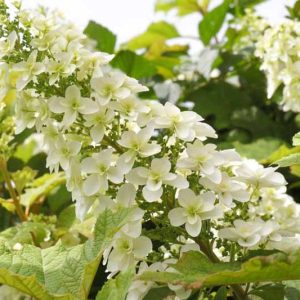
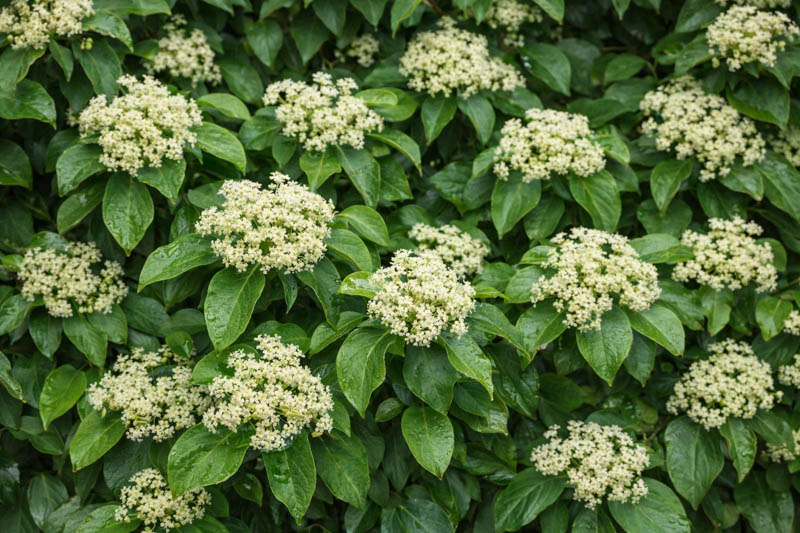
In late spring to early summer, the vine bursts into bloom with clusters of creamy-white, lightly fragrant flowers. These flower clusters resemble small hydrangea blooms, attracting bees, butterflies, and other pollinators emerging for the warm season.
Whether allowed to climb or to carpet the forest floor, Decumaria barbara brings an undeniably natural, woodland atmosphere to garden spaces.
This species is native to the coastal plains and wetlands of the Southeastern United States, including areas of South Carolina, Georgia, Florida, Louisiana, and nearby regions. Its affinity for moist soils and shade reflects the conditions found in swamps, bay forests, and streamside habitats.
Decumaria barbara climbs gracefully using aerial rootlets—small, clinging structures that attach gently to bark or masonry. It does not strangle trees or behave aggressively like some invasive vines. Without vertical support, it spreads as a groundcover, rooting lightly along the nodes.
Mature vines commonly reach 12 to 35 feet in height when a suitable structure is available.
Flowering typically occurs from May to June, though timing varies with climate. The blooms form rounded clusters of tiny white flowers that are both elegant and subtly fragrant. This late-spring show provides nectar at a time when many shade gardens have limited floral activity.
The foliage is one of the plant’s standout features. Leaves are leathery yet soft in appearance, sometimes semi-evergreen in mild southern regions. In winter, the exposed vine structure adds architectural interest without appearing harsh or bare.
Best grown in Zones 6 to 8, though sheltered Zone 6 locations may support it with winter care. It thrives in humid climates with even rainfall and benefits from protection against intense heat or strong afternoon sun.
This vine provides excellent nectar resources for pollinators and shelter for beneficial wildlife. Its native heritage makes it a valuable component in restoring or enhancing local ecosystems.
Deer generally leave Decumaria barbara alone, though occasional nibbling may occur on new growth. Overall, maintenance is minimal—simply guide the vine as desired.
While tolerant of periodic dryness once established, this vine performs best in consistent moisture and thrives in soils enriched with leaf litter.
No significant toxicity is reported, though it is not considered edible.
Unlike many vines, Decumaria barbara is well behaved and not considered invasive. Its growth is moderate and easy to manage.
Gardeners appreciate its wildlife-friendly blooms, shade tolerance, gentle climbing habit, erosion control capabilities, and elegant woodland appearance.
Generally pest free, though occasional aphids or scale insects may appear on stressed vines.
A native species, Decumaria barbara is not invasive. It climbs gently and does not overwhelm trees or structures.
It will climb if support is available, but it also works beautifully as a groundcover in shaded, moist areas.
It has a moderate growth rate—steady but not aggressive—typically reaching 20 to 30 feet over several years.
No. Unlike destructive vines, Decumaria barbara clings lightly and does not girdle or choke healthy trees.
Yes. The flowers provide nectar for bees and butterflies, and its structure offers cover for small wildlife.
Updated: December 2025 • Reviewed by Gardenia Editors
| Hardiness |
6 - 8 |
|---|---|
| Plant Type | Climbers |
| Plant Family | Hydrangeaceae |
| Exposure | Partial Sun, Shade |
| Season of Interest | Spring (Late), Summer (Early, Mid, Late), Fall |
| Height | 12' - 35' (3.7m - 10.7m) |
| Spread | 1' - 3' (30cm - 90cm) |
| Spacing | 36" (90cm) |
| Maintenance | Low |
| Water Needs | Average |
| Soil Type | Loam, Sand |
| Soil pH | Acid, Neutral |
| Soil Drainage | Moist but Well-Drained |
| Characteristics | Showy, Fragrant, Semi-Evergreen |
| Native Plants | United States, Southeast, Louisiana, Mississippi, North Carolina, South Carolina, Tennessee, Virginia, Alabama, Arkansas, Florida, Georgia, Southwest, Texas |
| Tolerances | Deer, Full Shade, Wet Soil |
| Attracts | Bees, Butterflies, Birds |
| Garden Uses | Arbors, Pergolas, Trellises, Walls And Fences |
| Toxic to Humans | No known toxicity |
| Toxic to Cats | No known toxicity |
| Toxic to Dogs | No known toxicity |
| Toxic to Horses | No known toxicity |


| Hardiness |
6 - 8 |
|---|---|
| Plant Type | Climbers |
| Plant Family | Hydrangeaceae |
| Exposure | Partial Sun, Shade |
| Season of Interest | Spring (Late), Summer (Early, Mid, Late), Fall |
| Height | 12' - 35' (3.7m - 10.7m) |
| Spread | 1' - 3' (30cm - 90cm) |
| Spacing | 36" (90cm) |
| Maintenance | Low |
| Water Needs | Average |
| Soil Type | Loam, Sand |
| Soil pH | Acid, Neutral |
| Soil Drainage | Moist but Well-Drained |
| Characteristics | Showy, Fragrant, Semi-Evergreen |
| Native Plants | United States, Southeast, Louisiana, Mississippi, North Carolina, South Carolina, Tennessee, Virginia, Alabama, Arkansas, Florida, Georgia, Southwest, Texas |
| Tolerances | Deer, Full Shade, Wet Soil |
| Attracts | Bees, Butterflies, Birds |
| Garden Uses | Arbors, Pergolas, Trellises, Walls And Fences |
| Toxic to Humans | No known toxicity |
| Toxic to Cats | No known toxicity |
| Toxic to Dogs | No known toxicity |
| Toxic to Horses | No known toxicity |
How many Decumaria barbara (Climbing Hydrangea) do I need for my garden?
| Plant | Quantity | |
|---|---|---|
| Decumaria barbara (Climbing Hydrangea) | N/A | Buy Plants |
Create a membership account to save your garden designs and to view them on any device.
Becoming a contributing member of Gardenia is easy and can be done in just a few minutes. If you provide us with your name, email address and the payment of a modest $25 annual membership fee, you will become a full member, enabling you to design and save up to 25 of your garden design ideas.
Join now and start creating your dream garden!
Create a membership account to save your garden designs and to view them on any device.
Becoming a contributing member of Gardenia is easy and can be done in just a few minutes. If you provide us with your name, email address and the payment of a modest $25 annual membership fee, you will become a full member, enabling you to design and save up to 25 of your garden design ideas.
Join now and start creating your dream garden!