Whorled Clary, Whorled Sage, Lilac Sage, Purple Meadow Sage, salvia officinalis 'Purple Rain', salvia leucantha 'Purple Rain'
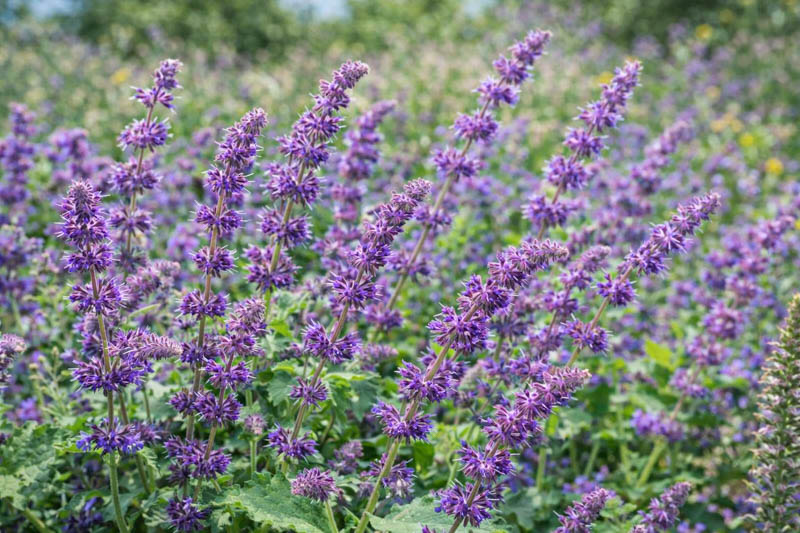
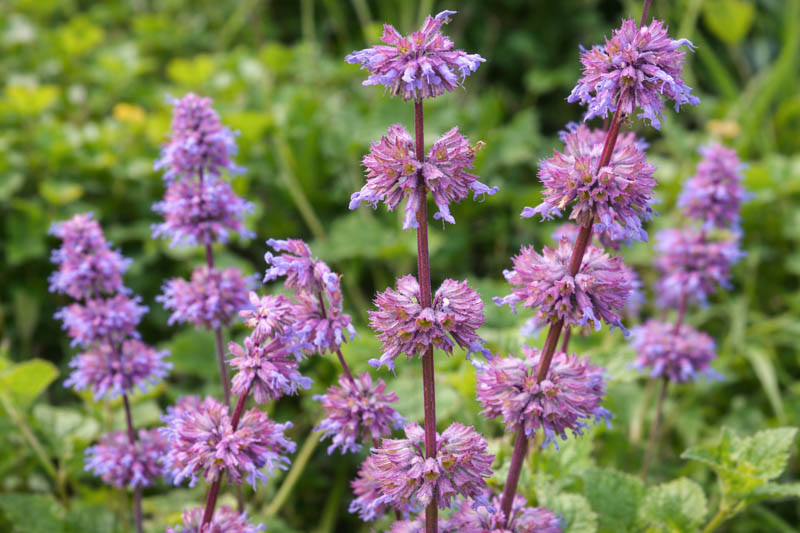
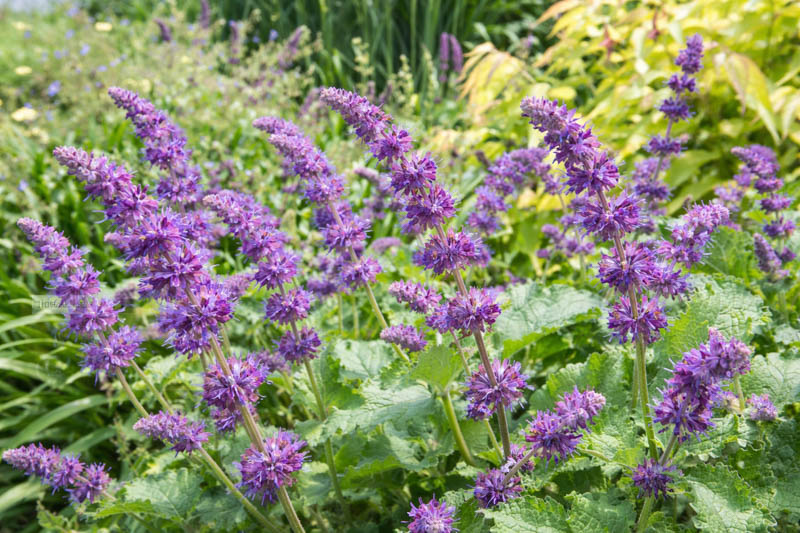
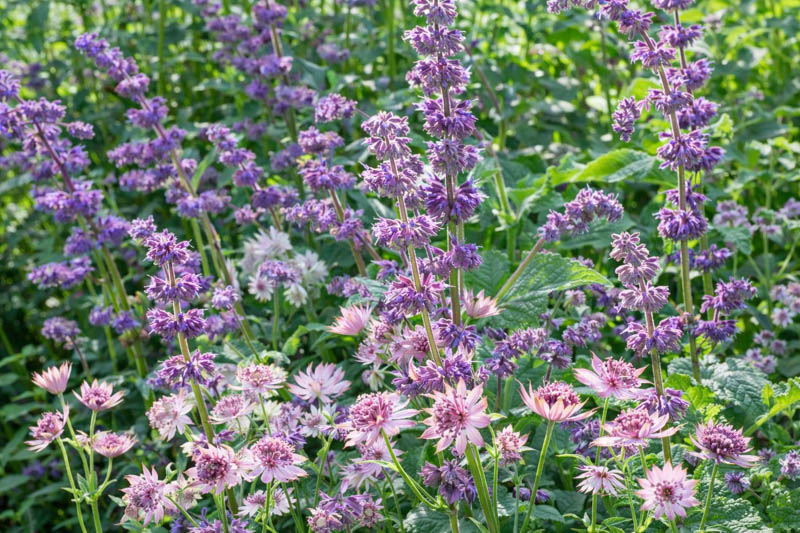
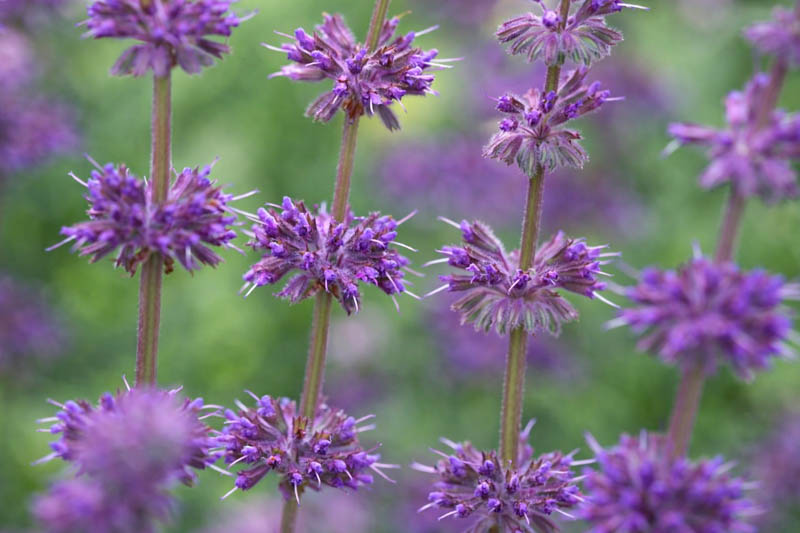
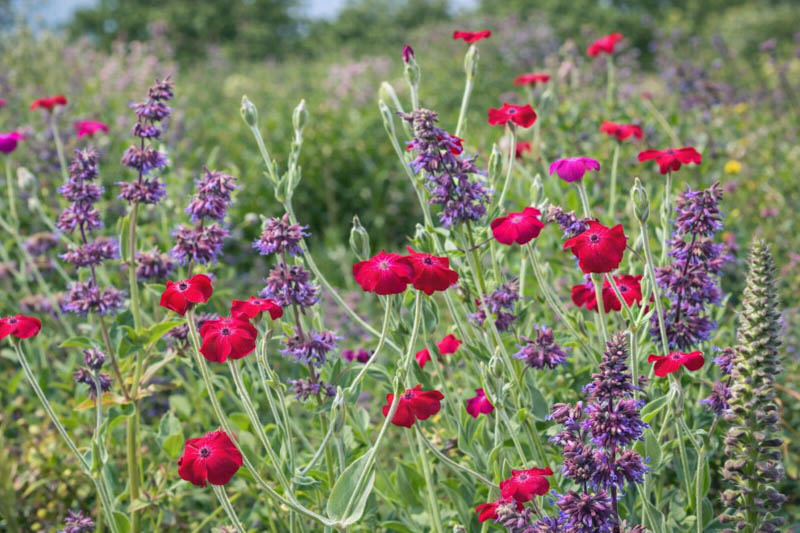
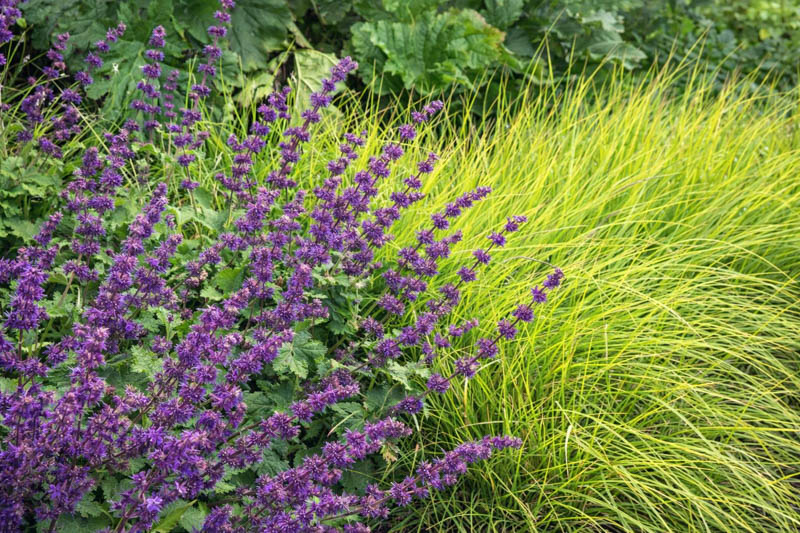


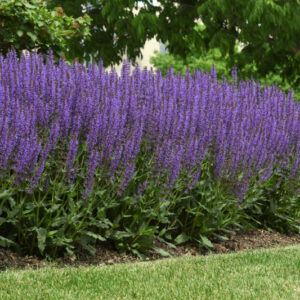
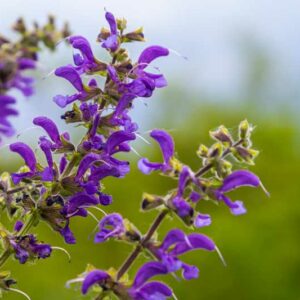
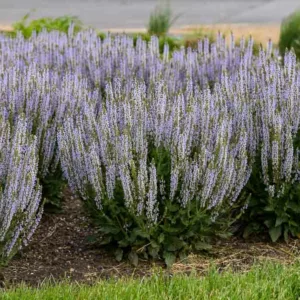
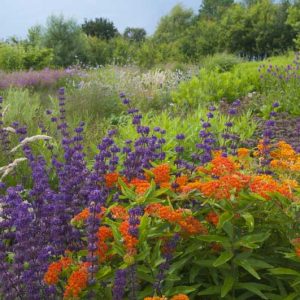
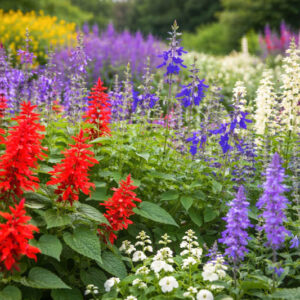
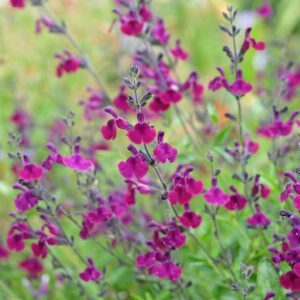
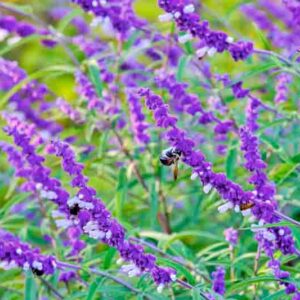
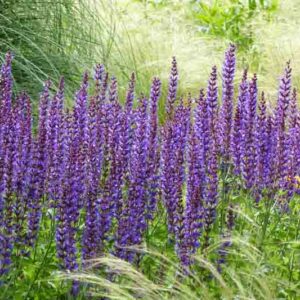
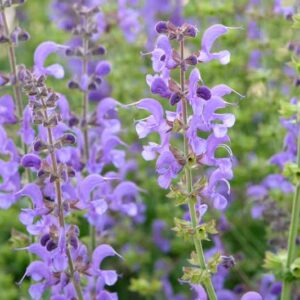
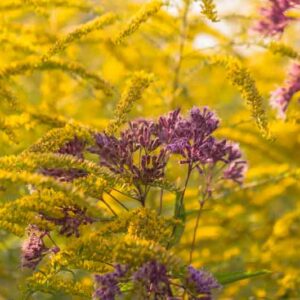
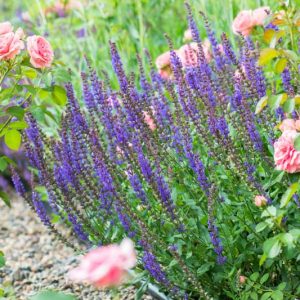
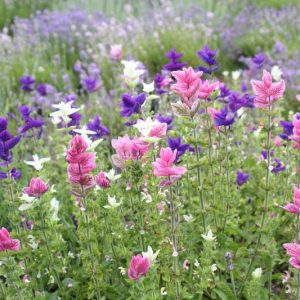
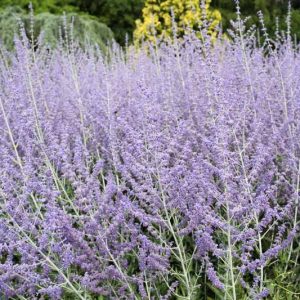
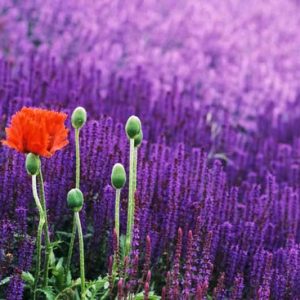
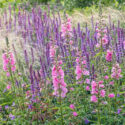
Salvia verticillata ‘Purple Rain’ is one of those perennials that makes you stop mid-stroll and do a double take. The flower spikes look like stacked purple rings – dense, textured “whorls” of rosy-purple bracts dotted with small violet-blue flowers. Add in the upright, often slightly arching reddish stems, and you get a plant that feels both structured and effortlessly natural.
If your goal is full-sun color with low fuss, ‘Purple Rain’ fits beautifully. It thrives in well-drained soil, handles dry to medium moisture, and once established it is reliably drought tolerant. Even better – the blooms are irresistible to bees, butterflies, and hummingbirds, so it adds life and motion to the border, not just color.
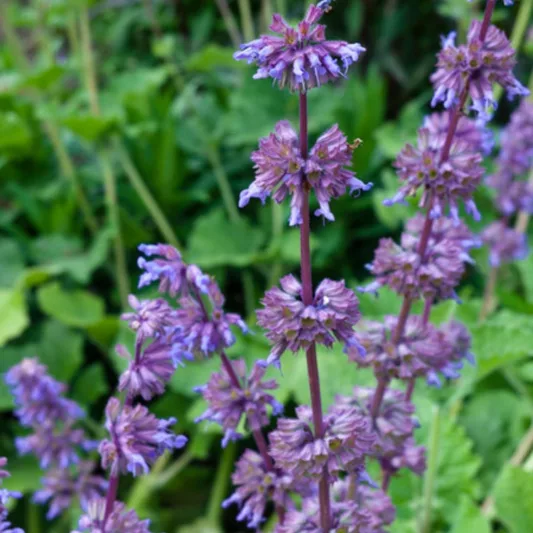
Summary: Clump-forming herbaceous perennial with reddish stems and stacked flower whorls featuring rosy-purple bracts and violet-blue blooms in summer (often extended with deadheading).
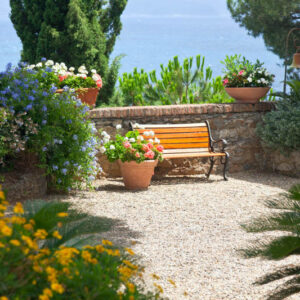
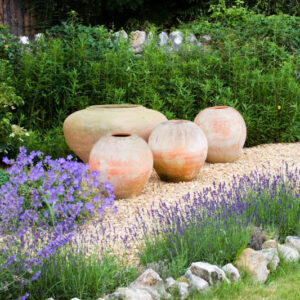
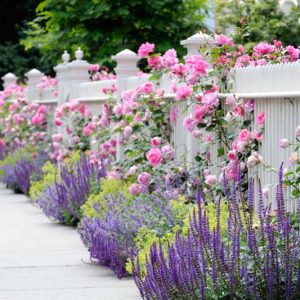
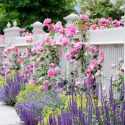
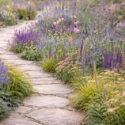
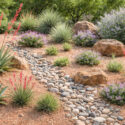
Use: Ideal for perennial borders, cottage gardens, rock and gravel gardens, city gardens, coastal gardens, and pollinator plantings.
Highlight: Long-lasting bracts create a rich purple look even between flushes of bloom.
Note: Best in full sun and dry to medium, well-drained soil. Drought tolerant once established and often considered deer and rabbit resistant.
| Botanical Name | Salvia verticillata ‘Purple Rain’ |
|---|---|
| Family | Mint family (Lamiaceae) |
| Common Names | Whorled Sage, Lilac Sage, Whorled Clary |
| Native Range | Species native to Europe and western Asia – Purple Rain is a garden selection. |
| Plant Type and Habit | Clump-forming herbaceous perennial with upright to gently arching stems |
| Hardiness (approx. USDA) | Hardy in USDA Zones 5-8 |
| Height | 18-24 in. (45-60 cm) |
| Spread | 18-30 in. (45-75 cm) |
| Spacing | 30-36 in. (75-90 cm) for airflow and a full clump |
| Sun and Exposure | Best in full sun; tolerates light shade |
| Soil | Average, dry to medium, well-drained soil |
| Seasonal Interest | Early/mid summer into early fall (with deadheading) |
| Flower Color | Rosy-purple bracts with violet-blue flowers |
| Foliage Color | Large, fuzzy, green leaves (often lyre-shaped) |
| Fragrance | Aromatic foliage (sage-like when crushed) |
| Drought Tolerant | Yes (once established) |
| Heat Tolerant | Yes |
| Pollution Tolerant | Often performs well in urban gardens |
| Nectar / Pollen | Yes – excellent nectar source |
| Attracts | Bees, butterflies, hummingbirds |
| Deer / Rabbit | Often considered deer and rabbit resistant |
| Toxicity | Generally considered low toxicity – discourage chewing |
| Invasive Status | Not considered invasive in typical garden use |
‘Purple Rain’ is a clump-forming salvia grown for two big reasons: texture and color. The base of the plant forms a lush mound of large, softly fuzzy leaves. Then, in early to mid summer, it sends up upright stems lined with whorled flower clusters. The whorls are what make this salvia so distinctive – the bracts stay colorful and help the plant look “in bloom” longer than you might expect from the tiny individual flowers alone.
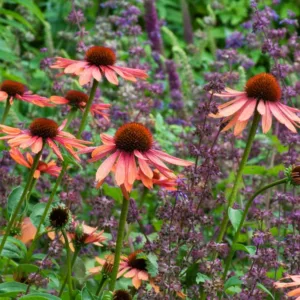
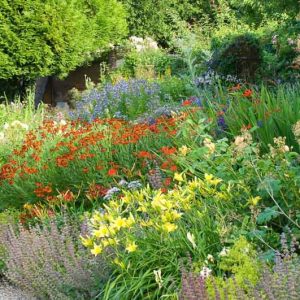
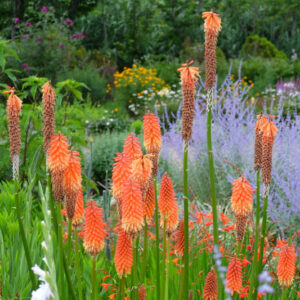
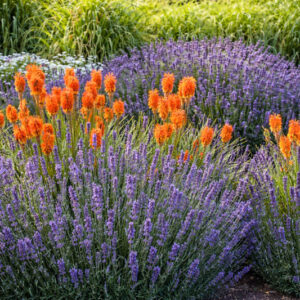
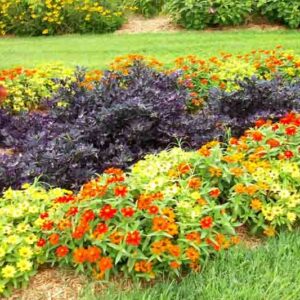
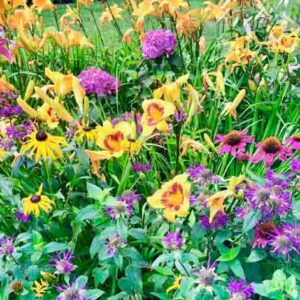
In borders, it behaves like a polite architectural accent: it has presence, but it doesn’t bully neighboring plants. It’s also a fantastic “bridge plant” – the purple tones link warm colors (like orange and gold) with cooler colors (like blue and pink) without clashing.
The species Salvia verticillata is native to Europe and western Asia. Purple Rain is a garden selection.
Most gardens can expect a clump around 18-24 inches tall (45-60 cm) and 18-30 inches wide (45-75 cm). The stems are typically upright, but a gentle arch is common – especially when the whorls are heavy with bloom. If you want the neatest, most compact shape, prioritize full sun and avoid rich, nitrogen-heavy soil.
‘Purple Rain’ typically begins flowering in early to mid summer and can keep going for weeks if you deadhead. Here’s the easiest strategy: when the first flush starts to fade, snip off the spent spikes (or shear lightly if the plant is dense). That encourages additional flowering and keeps the plant looking tidy and energetic.
One of the best things about the whorled habit is how it photographs and how it reads in real life. Up close, it’s intricate. From a few steps back, it becomes a bold vertical accent. Either way, it looks intentional – like you planned it.
Before it blooms, ‘Purple Rain’ is still a useful garden plant because the foliage makes a strong green mound. The leaves are often described as lyre-shaped and slightly fuzzy. They add texture and help fill out the front or mid-border. After flowering, you can cut it back to refresh the foliage and keep the plant looking clean through late summer.
‘Purple Rain’ is generally hardy in USDA Zones 5-8. In colder regions, the top growth dies back and returns from the base. In milder climates, it still benefits from a seasonal cutback to keep it vigorous and tidy. The one condition that consistently causes problems is soil that stays wet for long periods, especially in winter.
It’s also a smart “gap-filler” plant. If you have a sunny border that looks a little flat in summer, this salvia brings height and interest right when many spring bloomers are finishing.
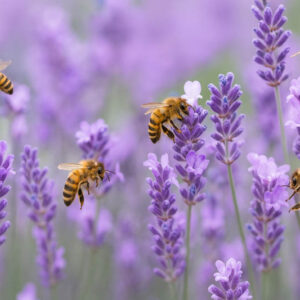
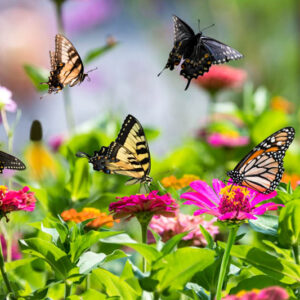
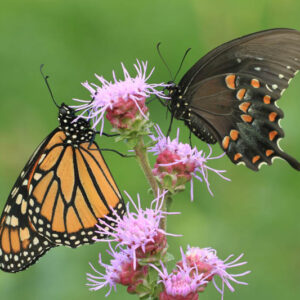
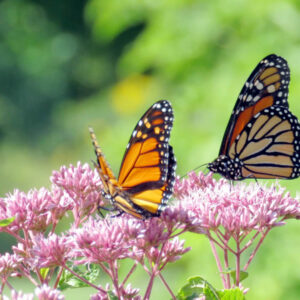
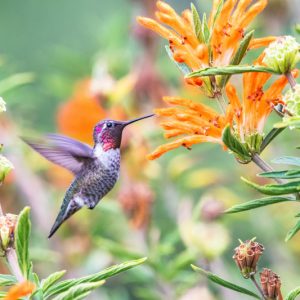
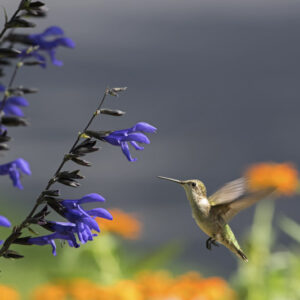
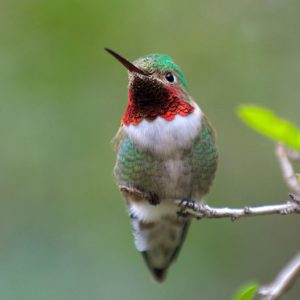
‘Purple Rain’ is a natural fit for wildlife-friendly gardens because it reliably attracts bees, butterflies, and hummingbirds. When the plant is in full swing, the stems can feel like a little landing strip for pollinators – there’s always something happening.
This salvia is often considered rabbit and deer-resistant, partly thanks to the aromatic foliage and the general “not a salad” vibe it gives off. As with any plant, intense browsing pressure can change the rules, but it’s not usually a first-choice snack.
Once established, ‘Purple Rain’ is a dependable drought tolerant perennial. The watering sweet spot is simple: water well when planting, keep it evenly moist while roots establish, then shift to occasional deep watering during extended dry spells. If you’re gardening in sandy or gravelly soil, that deep watering approach becomes even more valuable during heat waves.
In ornamental gardens, it’s generally considered low risk, but it isn’t meant for eating. The safest approach for homes with pets or curious kids is “admire it, don’t ingest it” – and plant it where casual nibbling is unlikely.
‘Purple Rain’ is not considered invasive in typical garden use. It behaves as a clumping perennial rather than an aggressive spreader, and any occasional self-seeding is usually easy to manage.
Keep fertilizer light. In most gardens, a thin layer of compost in spring is plenty. If you feed heavily, you may get a larger plant – but not necessarily a better one. Leaner conditions usually produce sturdier growth and more satisfying bloom.
‘Purple Rain’ is generally easy, but like many salvias it can occasionally attract pests such as slugs and snails, aphids, capsid bug, leafhoppers, or rosemary beetle. The best prevention is simple: sun, airflow, and clean garden hygiene (remove debris, don’t crowd plants, and avoid overwatering).
‘Purple Rain’ typically blooms for several weeks from early – mid summer to early fall if you deadhead spent flower spikes regularly.
Full sun gives the strongest stems and the most flowers. Light shade is tolerated, but more shade usually means fewer blooms and a looser habit.
Yes – once established, Salvia ‘Purple Rain’ is drought tolerant and performs best with deep, occasional watering rather than frequent shallow watering.
Most plants form clumps about 18-24 inches tall and 18-30 inches wide, depending on sun, soil, and moisture.
Yes. Deadheading is the easiest way to extend bloom time and keep the plant looking neat and colorful.
Cut back after flowering to tidy the plant, and do a harder cutback in late winter or early spring to refresh growth for the new season.
Flopping is usually caused by too much shade, overly rich soil, or too much fertilizer. More sun and leaner conditions typically fix it.
Yes, if the pot has excellent drainage. Use a gritty, well-draining mix, keep it in full sun, and don’t overwater.
Yes. It’s a hardy perennial that returns from the base each year in suitable climates, especially when planted in well-drained soil.
Salvia verticillata ‘Purple Rain’ is a long-blooming, sun-loving, drought-tolerant perennial with stacked purple whorls and violet-blue blooms – a pollinator favorite that shines in well-drained borders, cottage gardens, rock gardens, and water-wise designs.
Royal Horticultural Society (RHS) – cultivation notes for Salvia verticillata ‘Purple Rain’
Missouri Botanical Garden Plant Finder – cultural guidance, pruning, and drainage best practices
Gardenia.net – Salvia care, drought tolerance, and pollinator value
Updated: January 2026 – Reviewed by Gardenia Editors
| Hardiness |
5 - 8 |
|---|---|
| Heat Zones |
6 - 8 |
| Climate Zones | 2, 3, 4, 5, 6, 7, 8, 9, 10, 14, 15, 16, 17, 18, 19, 20, 21, 22, 23, 24 |
| Plant Type | Perennials |
| Plant Family | Lamiaceae |
| Genus | Salvia |
| Common names | Sage |
| Exposure | Full Sun |
| Season of Interest | Summer (Early, Mid, Late) |
| Height | 1' - 2' (30cm - 60cm) |
| Spread | 1' - 3' (30cm - 90cm) |
| Spacing | 30" - 36" (80cm - 90cm) |
| Maintenance | Low |
| Water Needs | Low, Average |
| Soil Type | Chalk, Loam, Sand |
| Soil pH | Acid, Alkaline, Neutral |
| Soil Drainage | Well-Drained |
| Characteristics | Cut Flowers, Fragrant, Showy |
| Tolerances | Drought, Deer, Rabbit, Dry Soil, Rocky Soil, Heat |
| Attracts | Bees, Butterflies, Hummingbirds |
| Garden Uses | Beds And Borders |
| Garden Styles | City and Courtyard, Coastal Garden, Gravel and Rock Garden, Informal and Cottage |
| Toxic to Humans | No known toxicity |
| Toxic to Cats | No known toxicity |
| Toxic to Dogs | No known toxicity |
| Toxic to Horses | No known toxicity |


| Hardiness |
5 - 8 |
|---|---|
| Heat Zones |
6 - 8 |
| Climate Zones | 2, 3, 4, 5, 6, 7, 8, 9, 10, 14, 15, 16, 17, 18, 19, 20, 21, 22, 23, 24 |
| Plant Type | Perennials |
| Plant Family | Lamiaceae |
| Genus | Salvia |
| Common names | Sage |
| Exposure | Full Sun |
| Season of Interest | Summer (Early, Mid, Late) |
| Height | 1' - 2' (30cm - 60cm) |
| Spread | 1' - 3' (30cm - 90cm) |
| Spacing | 30" - 36" (80cm - 90cm) |
| Maintenance | Low |
| Water Needs | Low, Average |
| Soil Type | Chalk, Loam, Sand |
| Soil pH | Acid, Alkaline, Neutral |
| Soil Drainage | Well-Drained |
| Characteristics | Cut Flowers, Fragrant, Showy |
| Tolerances | Drought, Deer, Rabbit, Dry Soil, Rocky Soil, Heat |
| Attracts | Bees, Butterflies, Hummingbirds |
| Garden Uses | Beds And Borders |
| Garden Styles | City and Courtyard, Coastal Garden, Gravel and Rock Garden, Informal and Cottage |
| Toxic to Humans | No known toxicity |
| Toxic to Cats | No known toxicity |
| Toxic to Dogs | No known toxicity |
| Toxic to Horses | No known toxicity |
How many Salvia verticillata ‘Purple Rain’ (Whorled Sage) do I need for my garden?
| Plant | Quantity | |
|---|---|---|
| Salvia verticillata ‘Purple Rain’ (Whorled Sage) | N/A | Buy Plants |
Create a membership account to save your garden designs and to view them on any device.
Becoming a contributing member of Gardenia is easy and can be done in just a few minutes. If you provide us with your name, email address and the payment of a modest $25 annual membership fee, you will become a full member, enabling you to design and save up to 25 of your garden design ideas.
Join now and start creating your dream garden!
Create a membership account to save your garden designs and to view them on any device.
Becoming a contributing member of Gardenia is easy and can be done in just a few minutes. If you provide us with your name, email address and the payment of a modest $25 annual membership fee, you will become a full member, enabling you to design and save up to 25 of your garden design ideas.
Join now and start creating your dream garden!