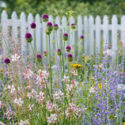
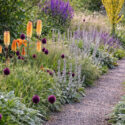
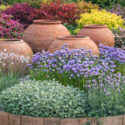
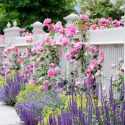
Perfect Profusion Salvia, Meadow Sage ‘Perfect Profusion’, Woodland Sage ‘Perfect Profusion’, Balkan Clary ‘Perfect Profusion’, Perennial Salvia ‘Perfect Profusion’, Garden Sage ‘Perfect Profusion’, Salvia ‘Perfect Profusion’
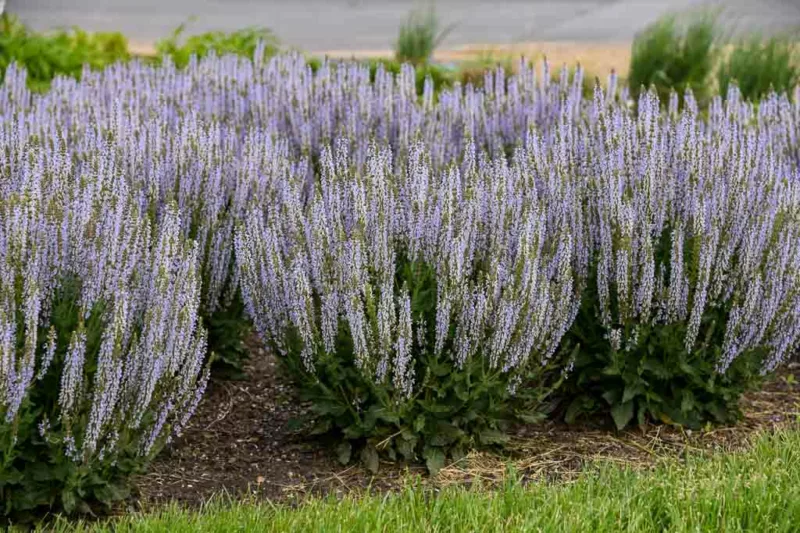


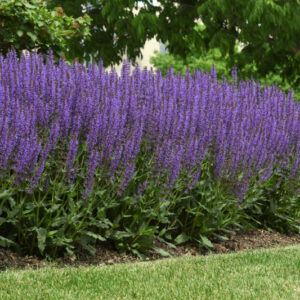
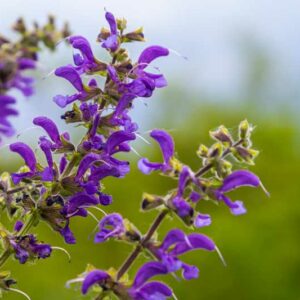
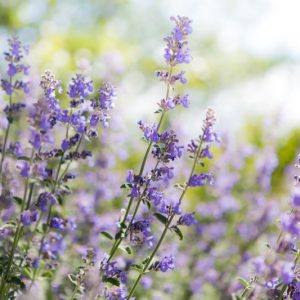
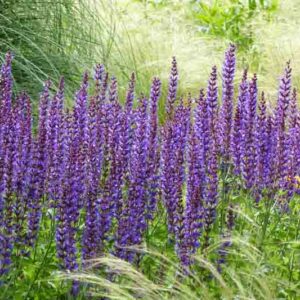
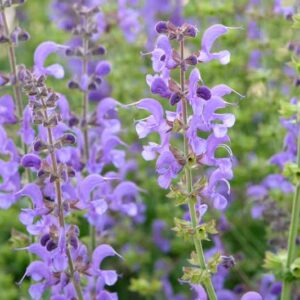
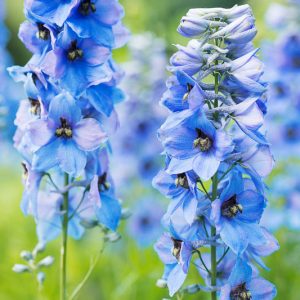
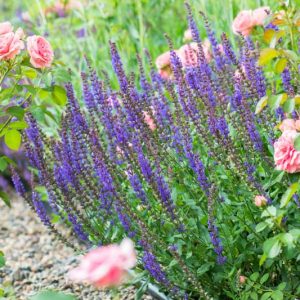
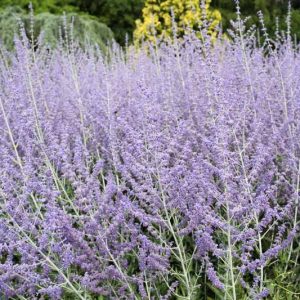
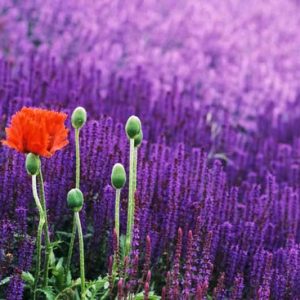
Salvia nemorosa ‘Perfect Profusion’ is the kind of reblooming perennial salvia that quietly makes your garden look better for months. It forms a neat, rounded clump of green, aromatic foliage, then sends up dense, upright spikes of soft icy blue flowers that read fresh, calming, and surprisingly bold in the border. If you love the classic woodland sage look but want more flowers, more often, this cultivar is built for that job.
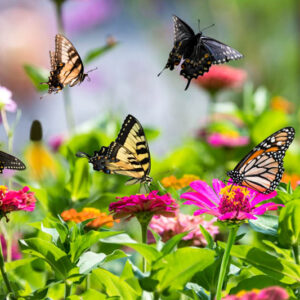
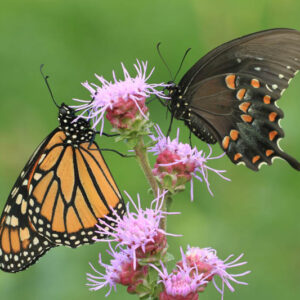
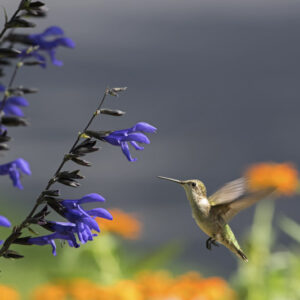
If your garden style leans sunny, low-maintenance, and pollinator-friendly, put this compact sage on your shortlist. The nectar-rich blooms are a favorite with bees, butterflies, and hummingbirds. Once established, it is typically considered drought tolerant, and many gardeners also appreciate its deer resistant reputation. Think of it as a compact, dependable workhorse for perennial borders, cottage gardens, butterfly gardens, and containers where you want long color without fuss.
Summary: Compact herbaceous perennial with a tidy clumping habit and upright spikes of soft icy blue flowers from late spring through summer – reblooms through summer and may continue into early fall in favorable conditions.
Use: Ideal for perennial borders, front-of-border edging, small gardens, mass plantings, pollinator gardens, cottage gardens, and containers.
Highlight: One of the best reblooming salvias for consistent repeat flowering when spent spikes are removed.
Note: Best in full sun and dry to medium, well-drained soil. Often considered drought tolerant once established and deer and rabbit resistant.
| Botanical Name | Salvia nemorosa ‘Perfect Profusion’ |
|---|---|
| Family | Mint family (Lamiaceae) |
| Common Names | Sage, woodland sage, Balkan clary sage |
| Native Range | Native to Central and Eastern Europe and parts of Western Asia (the species Salvia nemorosa).
Note: ‘Perfect Profusion’ is a cultivated selection and is not a wild native plant. |
| Plant Type and Habit | Compact, clump-forming herbaceous perennial with upright flower spikes |
| Hardiness (approx. USDA) | Hardy in USDA Zones 3-8 |
| Height | 16-20 in. (40-50 cm) |
| Spread | 16-20 in. (40-50 cm) |
| Spacing | 16-20 in. (40-50 cm) |
| Sun and Exposure | Best in full sun; light shade tolerated |
| Soil | Average, dry to medium, well-drained soil; sandy or gravelly soils are excellent |
| Seasonal Interest | Late spring through summer; reblooms through summer and may continue into early fall with deadheading. |
| Flower Color | Soft icy blue (light blue) |
| Foliage Color | Green to gray-green |
| Fragrance | Aromatic foliage (sage-like when crushed) |
| Drought Tolerant | Yes (once established) |
| Heat Tolerant | Unknown |
| Humidity Tolerant | Unknown |
| Pollution Tolerant | Yes |
| Nectar / Pollen | Yes |
| Attracts | Bees, butterflies, hummingbirds, beneficial insects |
| Deer / Rabbit | Often considered deer and rabbit resistant |
| Toxicity | Generally considered non-toxic |
| Invasive Status | Not considered invasive |
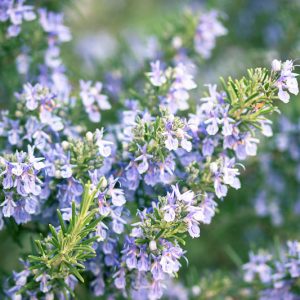
One of the very best Salvia for consistent rebloom, Salvia nemorosa ‘Perfect Profusion’ is a compact, bushy perennial sage with erect spikes of soft icy blue flowers appearing in late spring or early summer. Rising above a round clump of green, aromatic foliage, they last for weeks and bring strong color and form to the early summer border.
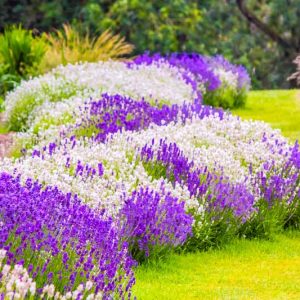
In real-garden terms, this is the easy perennial salvia you plant once and then wonder why you did not plant it sooner. It looks polished at the front of a perennial border, along a walkway edge, in mass plantings, or in a container where you want vertical flower spikes without a tall, floppy plant taking over.
The species Salvia nemorosa is native to Central and Eastern Europe and parts of Western Asia. ‘Perfect Profusion’ is a cultivar (a selected garden form) chosen for compact habit and heavy flowering, so it is best described as garden-origin rather than a naturally occurring wild plant.
Reliable and tidy, this erect, bushy herbaceous perennial grows in rounded clumps up to 16-20 in. tall (40-50 cm) and nearly as wide. The foliage is green and pleasantly aromatic, and the overall habit is naturally dense – meaning it looks “finished” without staking, pinching, or constant correction.
The show typically begins in late spring and rolls into summer. The flower spikes are densely packed with icy blue blooms, giving the plant a “covered in flowers” look during peak season. Want the longest performance? Here is the simple trick: remove spent flower spikes and give a light shear after the first big flush. This cultivar has a strong tendency to repeat bloom when it is encouraged that way, often extending color well beyond the first wave.
The foliage forms a clean mound and is aromatic when brushed or crushed. Even between bloom cycles, ‘Perfect Profusion’ behaves like a tidy edging plant rather than a floppy filler. In colder climates, top growth dies back in winter, but the crown is hardy and resprouts in spring.
Salvia nemorosa ‘Perfect Profusion’ is generally hardy in about USDA Zones 3-8. The biggest key to overwintering is not extra pampering, it is drainage. Like many salvias, it dislikes sitting in cold, wet soil. If your garden holds water, consider raised beds, gravelly amendments, or planting slightly high.
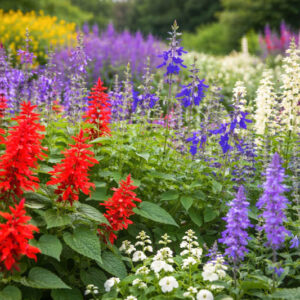
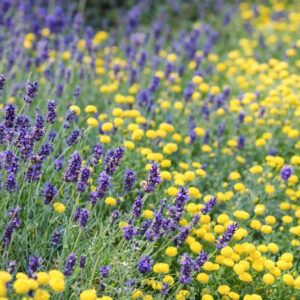
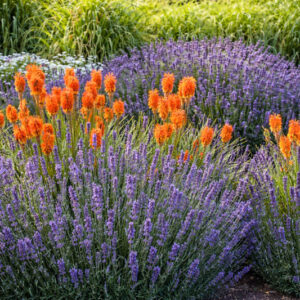
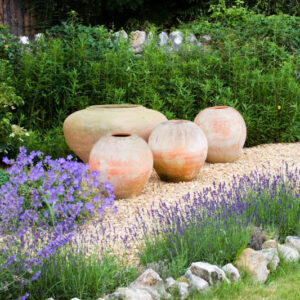
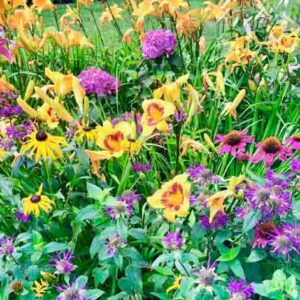
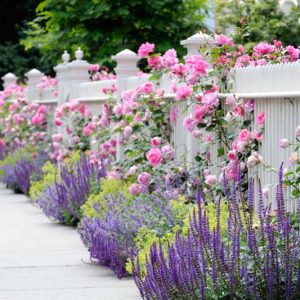
Makes an attractive accent in perennial borders, butterfly gardens or cottage gardens. Combines beautifully with yellow Achillea (Yarrow), daylilies, or interspersed with roses. Very useful and adaptable in the garden, it is trouble-free and easy to grow.
Design tip that actually works: plant ‘Perfect Profusion’ in groups of three, five, or seven, then repeat those groups down the border. Repetition makes a garden look intentional, even if you planted it in sneakers with a coffee in hand.
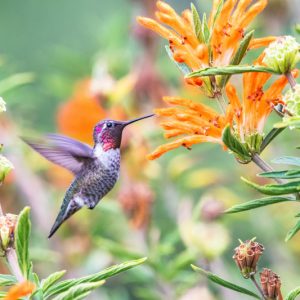
‘Perfect Profusion’ is a real magnet for butterflies, hummingbirds and bees! The flowers are rich in nectar and keep beneficial visitors circling for weeks. If you are building a sunny pollinator garden, this plant earns its space because it combines long bloom, compact form, and high wildlife value in one easy perennial.
This plant is often described as rabbit and deer-resistant. Aromatic foliage is usually less appealing to browsing animals. Of course, “resistant” is not the same as “deer-proof,” but in many gardens, damage is minimal compared to tender, non-aromatic perennials.
Once established, ‘Perfect Profusion’ is commonly considered drought tolerant and well-suited to dry to medium soil. For the best rebloom and the tidiest clump, give a deep watering during extended heat. Think “soak occasionally,” not “sip daily.” In containers, you will water more often because pots dry out faster.
Salvia nemorosa ‘Perfect Profusion’ is generally considered non-toxic to humans and pets. It is grown as an ornamental. As with all garden plants, discourage nibbling and avoid ingestion of large quantities.
‘Perfect Profusion’ is not considered invasive. It forms a well-behaved clump that slowly expands. If you want more plants, division is the easy, reliable way to increase your stock without surprises.
‘Perfect Profusion’ does not need heavy feeding. Too much fertilizer can lead to lush foliage, fewer flowers, and softer stems. A light compost top-dressing in spring is usually plenty. If your soil is very poor, a modest, balanced fertilizer once in spring is enough.
This is generally a trouble-free plant. In some gardens, you may see occasional aphids on tender new growth, slugs, or snails.
Yes. Once established, Salvia nemorosa ‘Perfect Profusion’ is commonly considered drought tolerant and performs well in dry to medium, well-drained soil. For best flowering and repeat bloom, water deeply during prolonged heat or drought, especially in sandy soil or containers.
Deadhead as soon as the first flower spikes begin to fade. Snip spent spikes down to the leafy mound to encourage repeat bloom. For a faster reset, lightly shear after the first flush and water deeply once.
Full sun is best for the most flowers, the strongest stems, and the most compact growth. Light shade is tolerated, especially in hot climates, but flowering may be reduced and the plant can be slightly looser.
It typically reaches about 16-20 inches tall (40-50 cm) and about 16-20 inches wide (40-50 cm), forming a rounded clump with upright soft icy blue flower spikes.
It is often considered deer resistant because the aromatic foliage is not a preferred food source. However, no plant is completely deer proof, and browsing can occur under high pressure.
Propagate by division in spring or early fall. Lift the clump, separate healthy rooted sections, and replant at the same depth. Seed is possible, but seedlings may not come true to the cultivar.
It performs best in average, dry to medium, well-drained soil. Sandy or gravelly soils are ideal. Avoid waterlogged sites, especially in winter, to reduce the risk of root rot.
Missouri Botanical Garden Plant Finder – cultural guidance for Salvia nemorosa selections, including light, soil, maintenance, and bloom season.
Updated: January 2026 – Reviewed by Gardenia Editors
| Hardiness |
3 - 8 |
|---|---|
| Heat Zones |
5 - 9 |
| Climate Zones | 2, 2A, 2B, 3, 3A, 3B, 4, 5, 6, 7, 8, 9, 10, 14, 15, 16, 17, 18, 19, 20, 21, 22, 23, 24 |
| Plant Type | Perennials |
| Plant Family | Lamiaceae |
| Genus | Salvia |
| Exposure | Full Sun |
| Season of Interest | Spring (Late), Summer (Early, Mid, Late) |
| Height | 1' - 2' (30cm - 60cm) |
| Spread | 1' - 2' (30cm - 60cm) |
| Spacing | 16" - 20" (40cm - 50cm) |
| Maintenance | Low |
| Water Needs | Average |
| Soil Type | Chalk, Loam, Sand |
| Soil pH | Acid, Alkaline, Neutral |
| Soil Drainage | Moist but Well-Drained, Well-Drained |
| Characteristics | Cut Flowers, Fragrant, Showy |
| Tolerances | Drought, Deer, Rabbit, Dry Soil, Heat, Fire |
| Attracts | Bees, Butterflies, Hummingbirds, Birds |
| Garden Uses | Beds And Borders, Patio And Containers, Small Gardens |
| Garden Styles | City and Courtyard, Informal and Cottage, Mediterranean Garden |
| Toxic to Humans | No known toxicity |
| Toxic to Cats | No known toxicity |
| Toxic to Dogs | No known toxicity |
| Toxic to Horses | No known toxicity |


Photo courtesy Proven Winners, provenwinners.com
| Hardiness |
3 - 8 |
|---|---|
| Heat Zones |
5 - 9 |
| Climate Zones | 2, 2A, 2B, 3, 3A, 3B, 4, 5, 6, 7, 8, 9, 10, 14, 15, 16, 17, 18, 19, 20, 21, 22, 23, 24 |
| Plant Type | Perennials |
| Plant Family | Lamiaceae |
| Genus | Salvia |
| Exposure | Full Sun |
| Season of Interest | Spring (Late), Summer (Early, Mid, Late) |
| Height | 1' - 2' (30cm - 60cm) |
| Spread | 1' - 2' (30cm - 60cm) |
| Spacing | 16" - 20" (40cm - 50cm) |
| Maintenance | Low |
| Water Needs | Average |
| Soil Type | Chalk, Loam, Sand |
| Soil pH | Acid, Alkaline, Neutral |
| Soil Drainage | Moist but Well-Drained, Well-Drained |
| Characteristics | Cut Flowers, Fragrant, Showy |
| Tolerances | Drought, Deer, Rabbit, Dry Soil, Heat, Fire |
| Attracts | Bees, Butterflies, Hummingbirds, Birds |
| Garden Uses | Beds And Borders, Patio And Containers, Small Gardens |
| Garden Styles | City and Courtyard, Informal and Cottage, Mediterranean Garden |
| Toxic to Humans | No known toxicity |
| Toxic to Cats | No known toxicity |
| Toxic to Dogs | No known toxicity |
| Toxic to Horses | No known toxicity |
How many Salvia nemorosa ‘Perfect Profusion’ (Sage) do I need for my garden?
| Plant | Quantity | |
|---|---|---|
| Salvia nemorosa ‘Perfect Profusion’ (Sage) | N/A | Buy Plants |
Create a membership account to save your garden designs and to view them on any device.
Becoming a contributing member of Gardenia is easy and can be done in just a few minutes. If you provide us with your name, email address and the payment of a modest $25 annual membership fee, you will become a full member, enabling you to design and save up to 25 of your garden design ideas.
Join now and start creating your dream garden!
Create a membership account to save your garden designs and to view them on any device.
Becoming a contributing member of Gardenia is easy and can be done in just a few minutes. If you provide us with your name, email address and the payment of a modest $25 annual membership fee, you will become a full member, enabling you to design and save up to 25 of your garden design ideas.
Join now and start creating your dream garden!